Reach Out Today
Please provide your email address so that we can stay in touch and answer any questions you have! We will be reaching back out shortly.

Hear from Our Customers
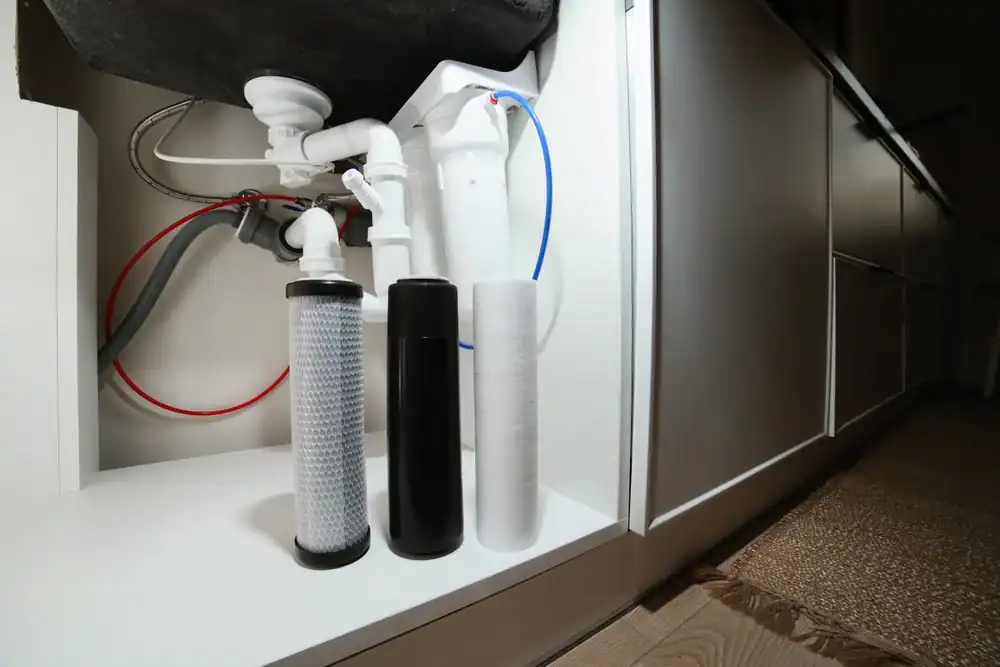
Your dishes stop coming out of the dishwasher with orange streaks. Your whites stay white instead of turning rust-colored in the wash. The sulfur smell disappears when you turn on the tap or step into the shower.
That’s what happens when your well water filtration system actually handles the problems in your water. Not just at one faucet, but throughout your entire house.
You stop buying bottled water by the case. Your water heater lasts longer because it’s not clogged with iron buildup. Your fixtures stay clean without constant scrubbing. And most importantly, you stop wondering whether the water your family drinks and bathes in is safe.
Iron removal systems eliminate the metallic taste and staining. Hydrogen sulfide treatment gets rid of that rotten egg smell. UV disinfection handles bacteria without adding chemicals. When these systems work together as a whole-house solution, your water quality changes completely.
We hold an A+ Better Business Bureau rating with a 5-star review average and zero complaints. That’s not common in this industry, especially when national companies dominate search results but rarely follow through on service.
We’re members of the National Water Quality Association, which means we follow professional standards for water treatment. We specialize in whole-house purification systems, not plumbing or water heaters. Just water quality.
Oyster Creek homeowners deal with specific well water challenges. Florida’s limestone aquifer means high mineral content. Summer rainy seasons increase bacteria risks. Hurricane flooding can temporarily spike contamination. We’ve seen it all, and we know how to handle the water quality issues that show up in this area.
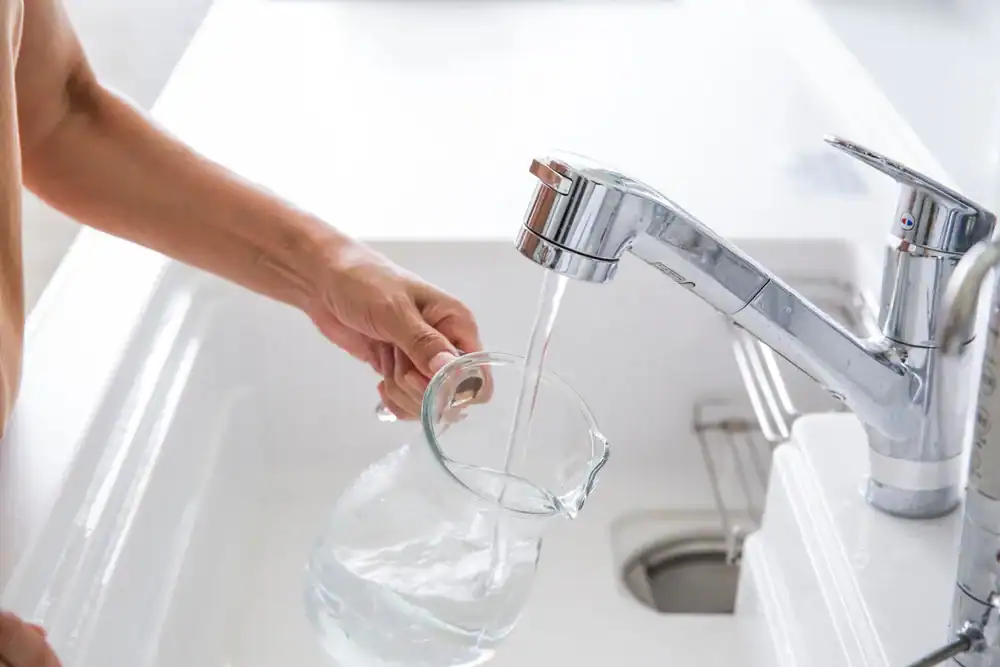
First, we test your water. Not a basic test strip, but a comprehensive analysis that identifies exactly what’s in your well water and at what levels. Iron, sulfur, bacteria, pH, hardness, and other contaminants that affect your water quality.
Then we design a system based on what your test results show. If you have iron, we’ll use air injection oxidation or hydrogen peroxide injection depending on your water chemistry. If hydrogen sulfide is the problem, we’ll set up a treatment system that eliminates the sulfur smell completely. If bacteria shows up in testing, UV disinfection handles that without adding chlorine or other chemicals to your water.
Installation takes a day in most cases. We set up the system where your water line enters the house, so every tap and fixture gets treated water. After installation, we test again to confirm everything’s working correctly.
You’ll see the difference immediately. Clear water, no smell, no staining. We provide ongoing service and maintenance, which matters because a system only works long-term if someone actually takes care of it after installation.
Ready to get started?
Your whole-house well water filtration system treats everything before it reaches your taps. That means every shower, every load of laundry, every glass of water, and every appliance gets clean, treated water.
Iron removal systems use either air injection oxidation or hydrogen peroxide injection, depending on your water chemistry and iron levels. Both methods oxidize dissolved iron so it can be filtered out before it stains your fixtures and laundry. If your water leaves orange marks on anything white, this is what fixes it.
Hydrogen sulfide treatment eliminates sulfur smell using oxidation methods that convert the gas into particles that get filtered out. The rotten egg odor disappears completely. If your water smells like sulfur, especially when it’s hot, this system handles it.
Well water bacteria disinfection uses UV light technology that destroys bacteria, viruses, and other microorganisms without adding anything to your water. No chlorine taste, no chemical residue. Just safe water that’s been disinfected as it flows through the system.
Florida’s water quality changes with the seasons. Heavy summer rains increase agricultural runoff. Hurricane season brings flooding that can temporarily contaminate wells. Your system handles these fluctuations because it treats all your water, all the time, regardless of what’s happening outside.

Orange or brown stains on your sinks, toilets, or laundry mean you have iron in your water. A rotten egg smell, especially when you run hot water, indicates hydrogen sulfide. Slimy buildup or cloudy water can signal bacteria.
But some contaminants don’t have obvious signs. Bacteria doesn’t always smell or look different. High mineral content might not be visible but still damages your appliances and plumbing over time.
The only way to know exactly what’s in your well water is to test it. A comprehensive water quality test identifies iron levels, sulfur content, bacteria presence, pH balance, hardness, and other contaminants. Once you know what’s actually in your water, you can address the specific problems instead of guessing.
Air injection oxidation works well for moderate iron levels and doesn’t require any chemicals. The system injects air into your water, which oxidizes the dissolved iron. The oxidized iron becomes particles that get filtered out. It’s simple, effective, and low-maintenance for most iron problems.
Hydrogen peroxide injection handles higher iron levels and also treats sulfur at the same time. It’s more aggressive than air injection, which makes it better for severe iron problems or when you have both iron and hydrogen sulfide in your water. The hydrogen peroxide oxidizes both contaminants so they can be filtered out together.
Which one you need depends on your water test results. Iron levels, pH, and whether you also have sulfur all factor into which system works best for your specific water chemistry.
Yes, if the system is designed correctly for your water chemistry. Hydrogen sulfide causes that rotten egg smell, and it needs to be oxidized before it can be removed. The oxidation process converts the gas into particles that get filtered out.
The treatment method depends on your sulfur levels and pH. Lower levels might only need air injection. Higher concentrations usually require hydrogen peroxide injection or chlorine injection followed by filtration. Some systems use a combination approach.
The smell should disappear completely once the system is installed and running. If you still notice any sulfur odor after treatment, it means the system isn’t sized correctly or the oxidation process needs adjustment. That’s why proper water testing and system design matter before installation.
UV light destroys bacteria, viruses, and other microorganisms by damaging their DNA so they can’t reproduce or cause illness. Your water flows through a chamber with a UV lamp, and the light exposure happens in seconds as the water passes through.
It doesn’t add anything to your water. No chlorine, no chemicals, no taste or odor changes. The UV light does its work and the water continues to your taps, now disinfected.
The UV lamp needs to be replaced annually because the light intensity decreases over time, even though the bulb still glows. Regular replacement ensures the system continues disinfecting effectively. It’s a simple maintenance item that keeps your water safe year-round.
The main components of a well-designed system last 15 to 20 years with proper maintenance. Tanks, valves, and control heads are built to run for decades. But some parts need regular replacement to keep everything working correctly.
Filter media typically needs replacement every 5 to 7 years, depending on your water quality and usage. UV lamps should be changed annually. Injectors and check valves might need replacement every few years. These are normal maintenance items, not system failures.
The difference between a system that lasts 15 years and one that fails in 5 usually comes down to whether someone actually services it. Skipping maintenance causes small problems to become expensive repairs. Regular service visits catch issues early and keep your system running efficiently for its full lifespan.
Please provide your email address so that we can stay in touch and answer any questions you have! We will be reaching back out shortly.
"*" indicates required fields
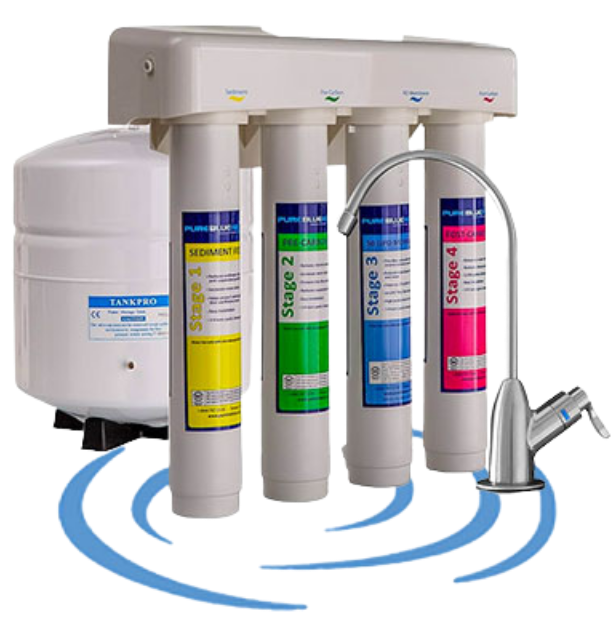
Get a free reverse osmosis drinking water system with the purchase of any whole-home water purification system.
*Cannot be combined with other offers. Mention this special when you call.