Reach Out Today
Please provide your email address so that we can stay in touch and answer any questions you have! We will be reaching back out shortly.

Hear from Our Customers
You stop scrubbing orange stains off your toilet every week. Your guests don’t smell sulfur when they turn on the tap. Your water heater lasts longer because it’s not clogged with iron sediment.
That’s what happens when you treat well water at the source with a whole-house system designed for Oceanway’s specific water chemistry. The iron that’s been staining your bathtub, sinks, and laundry disappears. The hydrogen sulfide gas causing that embarrassing rotten egg smell gets neutralized before it reaches your faucets.
Your appliances stop breaking down early. Your plumbing stops corroding. And you’re not wondering whether the water your family drinks and bathes in is actually safe. These aren’t small conveniences—they’re the reason homeowners invest in iron removal systems and bacteria disinfection instead of just buying bottled water and hoping for the best.
We have an A+ Better Business Bureau rating and a 5-star review record with zero complaints. That doesn’t happen by accident when you’re installing whole-house water treatment systems across the state.
We’re members of the National Water Quality Association, which means we stay current on water treatment standards and best practices. We’ve been serving Florida homeowners for over five decades, so we know exactly what Oceanway well water does to pipes, appliances, and fixtures when it’s left untreated.
We don’t do plumbing or water heaters. We specialize in water purification, and that focus shows in how our systems perform. If you’re military or a first responder, we offer a $500 discount—and we’re proud supporters of the Tunnels to Towers Foundation.
First, we test your water. Not a generic test—a comprehensive analysis that identifies iron levels, hydrogen sulfide concentration, bacteria presence, pH, hardness, and anything else affecting your water quality. This tells us exactly what treatment approach your well needs.
Based on those results, we recommend a system. That might be air injection oxidation for iron and sulfur, hydrogen peroxide injection for tougher contamination, or UV disinfection for bacteria. Most Oceanway homes need a combination approach because the sandy soil and limestone geology here allow multiple contaminants into groundwater.
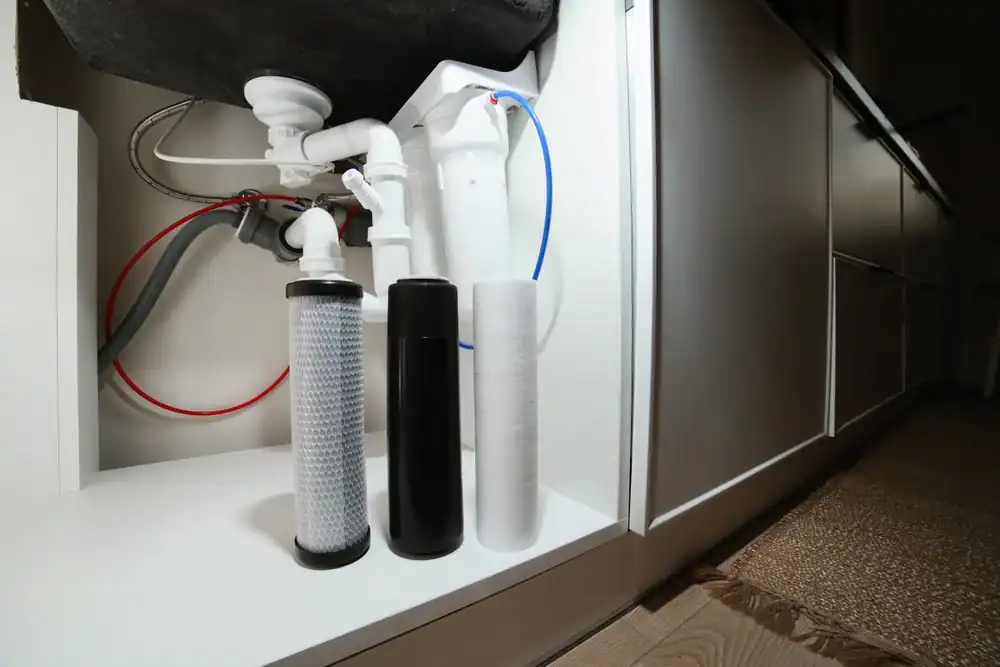
We install the system at your main water line so every drop entering your home gets treated. The equipment backwashes automatically—you’re not cleaning filters manually or watching performance drop over time. You’ll notice clearer water and no odor immediately, and the long-term protection for your plumbing and appliances starts from day one.
Ready to get started?
Oceanway sits on sandy soil with limestone underneath, which is why so many wells here have iron staining and sulfur problems. That geology lets minerals and organic material seep into groundwater easily. Central Florida’s limestone deposits are loaded with sulfur compounds, giving bacteria plenty of fuel to produce hydrogen sulfide gas.
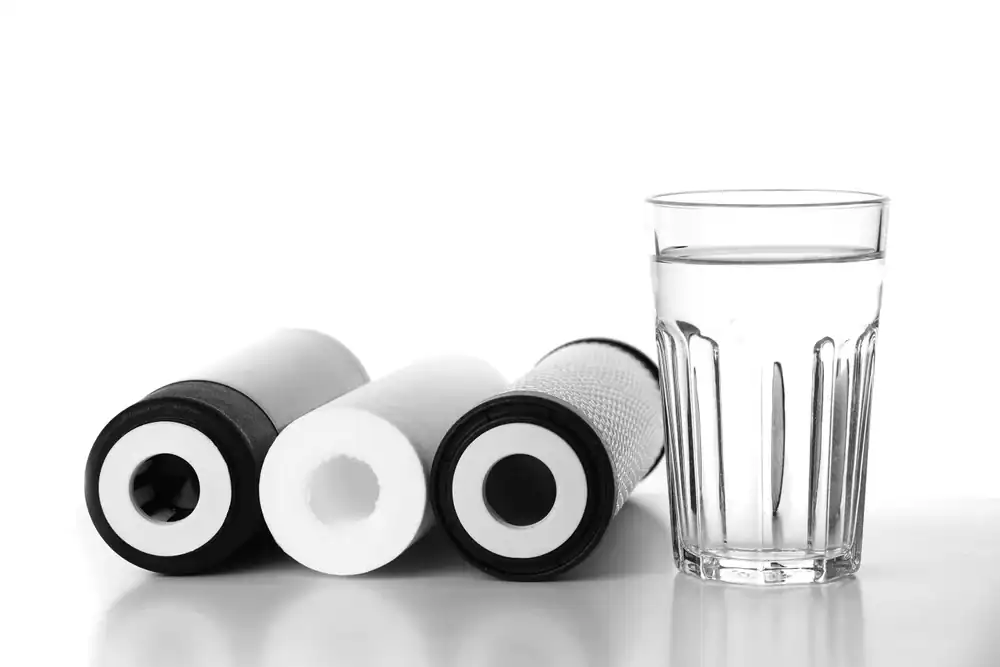
A proper whole-house well water filtration system addresses all of that. Iron removal systems use oxidation—either through air injection or hydrogen peroxide injection—to convert dissolved iron into particles that get filtered out before reaching your fixtures. Hydrogen sulfide treatment works the same way, neutralizing the gas that causes rotten egg smell.
For bacteria, we use UV light disinfection systems that kill harmful microorganisms without adding chemicals to your water. These aren’t separate units you install one at a time—they’re integrated into a single treatment train that handles everything your well throws at it. The result is water that doesn’t stain, doesn’t smell, and doesn’t put your family’s health at risk.

Most whole-house systems run between $2,050 and $2,500 for the equipment and installation, depending on what your water test reveals and which treatment methods you need. If you’re dealing with just iron, you might be on the lower end. If you need hydrogen sulfide treatment, bacteria disinfection, and hardness reduction, you’ll be closer to the higher end.
The real cost comparison is what you’re already spending. Hard water damage costs the average homeowner $1,130 to $1,980 annually in appliance repairs, water heater replacement, increased energy bills, and plumbing maintenance. Over ten years, a filtration system costs $3,300 to $7,500 when you factor in maintenance. Bottled water for the same period costs around $12,000.
Break-even typically happens within two to four years. After that, you’re saving money while protecting your home’s plumbing and appliances from damage that’s expensive to reverse.
Both methods oxidize contaminants like iron and hydrogen sulfide so they can be filtered out, but they work differently. Air injection oxidation uses a pocket of compressed air at the top of the treatment tank. When water flows through, it mixes with oxygen, which converts dissolved iron and sulfur into solid particles. The system then backwashes those particles out automatically.
Hydrogen peroxide injection is more aggressive. It’s better for wells with high iron levels, stubborn sulfur bacteria, or water chemistry that doesn’t respond well to air alone. A metering pump injects a small amount of hydrogen peroxide into the water line before it enters the treatment tank, where oxidation happens faster and more completely.
Most Oceanway wells do fine with air injection oxidation because iron and sulfur levels here are moderate. But if your water test shows heavy contamination or if you’ve tried other methods that didn’t work, hydrogen peroxide injection is the next step up. We’ll recommend whichever method actually solves your problem based on lab results, not what’s easier to install.
Clear water doesn’t mean safe water. Bacteria, viruses, and other microorganisms are tasteless, odorless, and invisible. The EPA doesn’t regulate private wells, so it’s entirely your responsibility to make sure the water is safe. Many well water contaminants don’t announce themselves until someone gets sick.
UV disinfection kills 99.99% of harmful microorganisms by exposing them to ultraviolet light as water flows through a chamber. It’s chemical-free, requires almost no maintenance beyond an annual bulb replacement, and works instantly. There’s no contact time, no taste or odor change, and no byproducts.
If your well is shallow, if you’re near septic systems or agricultural land, or if your water test shows any bacterial contamination, UV disinfection isn’t optional—it’s necessary. Even if your test comes back clean, water quality can change over time due to weather, seasonal shifts, or changes in the water table. A UV system is insurance that protects your family regardless of what’s happening underground.
Most whole-house well water filtration systems backwash themselves automatically, so you’re not manually cleaning anything. The backwash cycle flushes out the iron particles, sulfur residue, and other contaminants that the system has filtered out, then resets itself for the next treatment cycle. You don’t touch it.
Annual maintenance involves checking the system settings, testing water quality to confirm everything’s still working correctly, and replacing the UV bulb if you have bacteria disinfection. That’s typically a service visit that takes less than an hour. Some systems also need a media replacement every five to seven years, depending on your water chemistry and how much water you use.
The key difference between a properly installed system and one that becomes a headache is whether it’s sized correctly for your household and whether the installer set it up to handle your specific contaminants. Undersized systems or wrong treatment methods mean constant adjustments and repairs. When the system matches your water, maintenance is minimal and predictable.
The filtration system stops new stains from forming, but it won’t remove stains that are already there. Iron oxidation leaves behind rust-colored deposits on porcelain, fiberglass, and other surfaces. Once those stains set in, you’ll need to clean them off manually using a cleaner designed for iron stains.
The good news is that once your system is running, you won’t be scrubbing those stains every week anymore. Your toilets, sinks, tubs, and showers stay white. Your laundry doesn’t come out of the washer with orange streaks. And you’re not dealing with buildup inside your dishwasher or on your glassware.
Some homeowners are surprised by how much time they get back when they’re not constantly cleaning iron stains. It’s one of those quality-of-life improvements that’s hard to quantify until you’re living it. The staining stops completely because the iron never makes it past the treatment system.
Please provide your email address so that we can stay in touch and answer any questions you have! We will be reaching back out shortly.
"*" indicates required fields