Reach Out Today
Please provide your email address so that we can stay in touch and answer any questions you have! We will be reaching back out shortly.

Hear from Our Customers
Your toilets stay white without constant scrubbing. Your shower doesn’t smell like rotten eggs when you turn on the hot water. Your appliances last years longer because they’re not fighting mineral buildup every single cycle.
That’s what happens when your well water filtration system actually handles the problems in your water—not just some of them. Iron removal systems stop the orange staining before it starts. Hydrogen sulfide treatment eliminates that sulfur smell at the source. And whole-house bacteria disinfection means you’re not wondering what’s in the water your family drinks and bathes in.
You’re not buying filters you have to change every month. You’re fixing the problem where water enters your home, so everything downstream—your washing machine, your water heater, your coffee maker—gets clean water automatically.
We’re not a national company that sells you a system and disappears. We’re local to Florida, we understand Lake County’s limestone aquifers, and we’re still here when you need filter changes or service calls.
Our A-rated Better Business Bureau status with five stars and zero complaints isn’t an accident. It’s what happens when you actually service what you sell. We’re members of the National Water Quality Association because we follow industry standards that matter—not because it looks good on a website.
Oak sits right in Florida’s limestone belt where hard water is standard and iron-rich soil layers create staining problems in most wells. We’ve been handling these exact issues for homeowners throughout Lake County, and we’re not going anywhere.
First, we test your water. Not a sales pitch disguised as a free test—actual laboratory-grade analysis that identifies what’s in your well water. Iron levels, hardness, pH, sulfur, bacteria, nitrates. You need to know what you’re dealing with before you can fix it.
Then we recommend a system based on your specific water chemistry. If you’ve got iron and sulfur, we’re likely talking about air injection oxidation or hydrogen peroxide injection systems that handle both problems. If bacteria showed up in testing, we’re adding disinfection. If your hardness is high—and in Oak it usually is—we’re addressing that too.
Installation happens at your home’s main water line. We’re handling the whole house, not just one faucet. Our certified technicians know Florida plumbing codes and how to work with your existing system without creating pressure problems or code violations.
After installation, we’re available for ongoing maintenance. Filter changes, system checks, service calls—we’re local and we’re staying local. That’s the difference between us and the national companies that sell and disappear.
Ready to get started?
Your well water filtration system is built around what’s actually in your water. If testing shows iron, you’re getting an iron removal system—either air injection oxidation that uses oxygen to precipitate iron, or hydrogen peroxide injection for tougher cases. Both methods stop iron from oxidizing in your pipes and creating those orange stains you’re tired of scrubbing.
Hydrogen sulfide treatment handles the sulfur smell. That rotten egg odor gets worse in hot water and after your well sits unused, and it’s coming from limestone deposits beneath Central Florida. We eliminate it at the source with oxidation systems that convert hydrogen sulfide into particles your filter can catch.
Well water bacteria disinfection matters even when your water looks clear. Over 4,400 wells tested in Florida since 2005 showed chemical concentrations above federal drinking water standards. We use disinfection methods that kill bacteria without leaving your water tasting like a swimming pool.
Lake County’s limestone aquifers mean almost every well in Oak tests around 180 ppm for hardness. Your system includes water softening to protect your appliances and plumbing from the scale buildup that makes water heaters fail early and washing machines wear out 30% faster.

You’ll see it or smell it before testing confirms it. Orange or red stains around your toilets, sinks, and tubs mean iron in your water. A rotten egg smell when you run hot water means hydrogen sulfide. Crusty white buildup on faucets and showerheads means hard water.
But some problems don’t announce themselves. Bacteria and nitrates don’t change how your water looks, tastes, or smells. That’s why professional water testing matters—you’re getting laboratory analysis of what’s actually in your well, not guessing based on symptoms.
If you’re in Oak or anywhere in Lake County, chances are high you’re dealing with hard water from limestone aquifers. Iron and sulfur are common too because of Florida’s geology. Testing tells you exactly what you’re up against and what treatment methods will actually work for your specific water chemistry.
Both methods oxidize iron so your filter can catch it before it reaches your faucets. Air injection oxidation uses oxygen from the air—it’s effective for moderate iron levels and it’s simpler because you’re not adding chemicals. The system pulls in air, mixes it with your water, and the oxygen converts dissolved iron into particles that get filtered out.
Hydrogen peroxide injection works for tougher cases—higher iron levels, or when you’ve got iron plus sulfur plus bacteria all at once. Hydrogen peroxide is a stronger oxidizer than air, so it handles more contamination. It also disinfects while it’s oxidizing iron, which matters if your well tested positive for bacteria.
Your water test results determine which method makes sense. If you’re at 3 ppm iron with no bacteria, air injection probably handles it. If you’re at 8 ppm iron with sulfur smell and bacteria present, hydrogen peroxide injection is the better fit. We’re recommending based on what’s actually in your water, not what’s easier to install.
Not if it’s sized and installed correctly. Pressure problems happen when someone installs an undersized system or doesn’t account for your home’s flow rate. We’re measuring your current pressure and flow before recommending equipment, and we’re sizing your system so it keeps up with demand when multiple fixtures run at once.
Your well pump’s output matters too. If your pump delivers 10 gallons per minute and your system is rated for 12 GPM, you’re fine. If someone tries to run a 6 GPM system on a house that needs 10, you’ll notice pressure drops when the washing machine and shower run simultaneously.
We’re also installing pressure gauges so you can monitor your system. If pressure drops after installation, that’s a sizing or installation problem—and it’s fixable. But when the system is matched to your home’s actual water usage and your well’s capacity, you shouldn’t notice any difference in pressure. You’ll just notice your water doesn’t stain everything orange anymore.
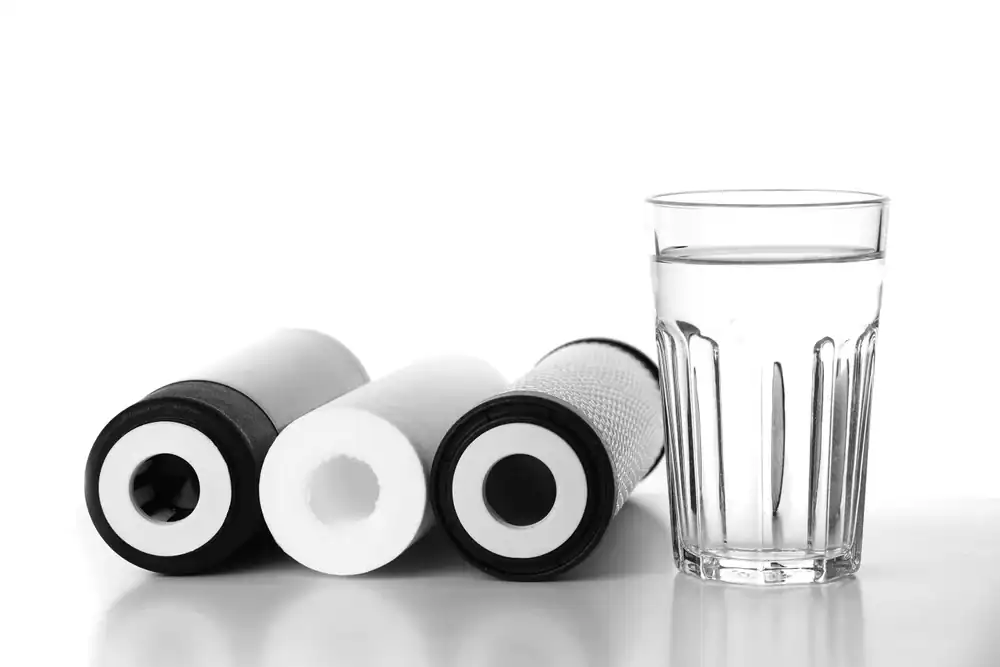
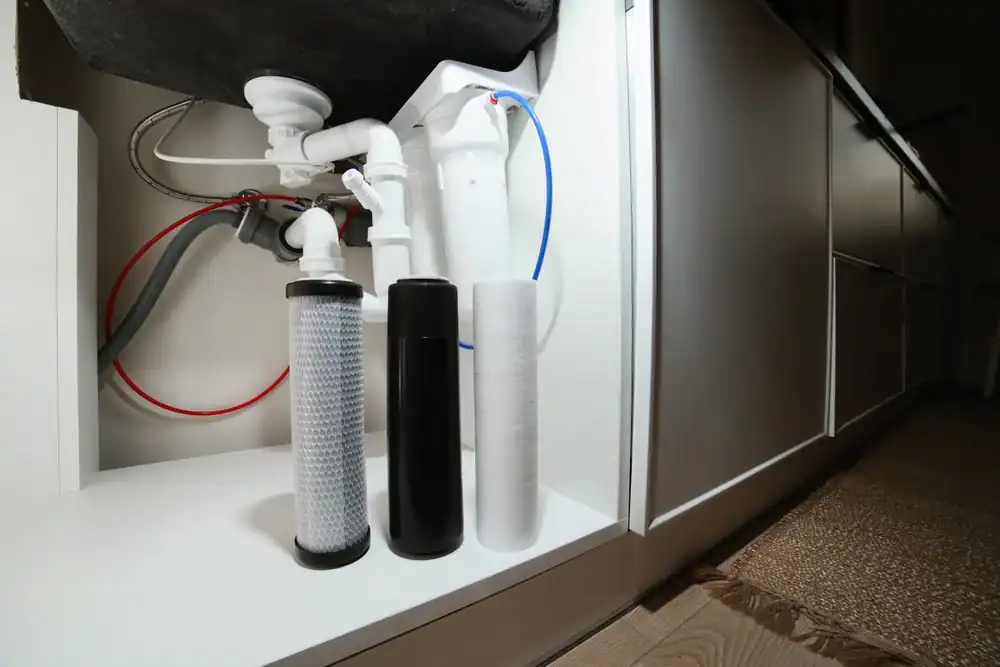
Depends on what’s in your system and what’s in your water. If you’ve got a sediment filter handling iron particles, you’re probably changing that filter every 3-6 months. If you’ve got a carbon filter for taste and odor, that’s typically annual. If your system includes media tanks for iron removal, the media itself lasts years but needs occasional backwashing to stay effective.
Water softener resin tanks need salt refills—how often depends on your water hardness and how much water your household uses. Most homes in Oak go through a bag or two of salt per month because Lake County’s hardness levels are high.
The key difference is whether your water treatment company actually shows up for maintenance or not. We’re local to Florida and we’re still here when you need filter changes, media replacement, or service calls. National companies sell systems and disappear—then you’re stuck finding someone else to service equipment they didn’t install and don’t understand.
Yes, but you need hydrogen sulfide treatment that oxidizes the sulfur before it reaches your water heater. That rotten egg smell is hydrogen sulfide gas, and it gets more noticeable in hot water because heat releases the gas faster. If you’re only smelling it in hot water, the problem might actually be bacteria in your water heater—but if it’s in cold water too, it’s hydrogen sulfide in your well.
Oxidation systems convert hydrogen sulfide into sulfur particles that your filter catches. Air injection oxidation works for lower sulfur levels. Hydrogen peroxide injection handles higher concentrations and also disinfects your water at the same time. Both methods treat your water at the main line before it reaches your water heater, so you’re eliminating the source of the smell.
Carbon filters help with taste and odor after oxidation, but they’re not the primary treatment. You need oxidation first to actually remove the hydrogen sulfide, then carbon polishing if you want extra odor control. Testing your water tells us how much sulfur you’re dealing with and which treatment method makes sense for your specific situation.
Please provide your email address so that we can stay in touch and answer any questions you have! We will be reaching back out shortly.
"*" indicates required fields