Reach Out Today
Please provide your email address so that we can stay in touch and answer any questions you have! We will be reaching back out shortly.

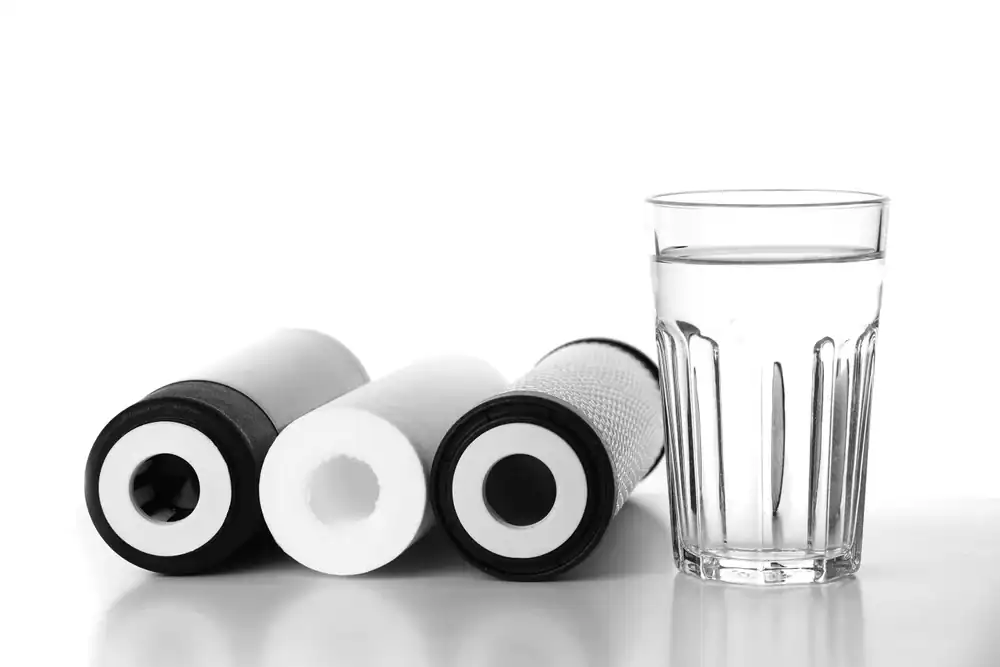
Hear from Our Customers
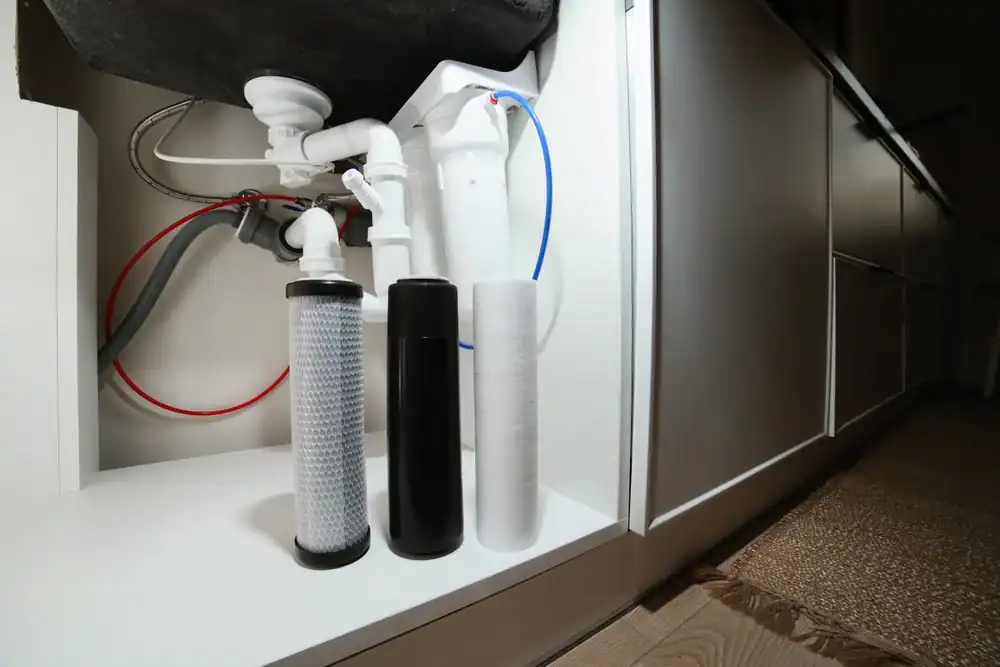
Your water should come out clear. It shouldn’t smell. It shouldn’t leave residue on your dishes or orange rings in your toilet. And it definitely shouldn’t be eating away at your water heater or corroding your fixtures.
When you fix well water problems the right way, you stop buying bottled water. Your laundry comes out clean instead of dingy. Your skin and hair don’t feel dry and brittle after every shower. Your appliances last longer because they’re not fighting mineral buildup and corrosion every single day.
Most North Shore homeowners are dealing with iron bacteria, hydrogen sulfide, or hard water minerals from the Floridan aquifer. These aren’t cosmetic issues. Iron stains everything it touches. Sulfur bacteria create that rotten egg smell and corrode copper and brass. Hard water destroys water heaters, clogs pipes, and costs you thousands in premature replacements.
The right well water filtration system removes what’s actually in your water. Not a generic filter. Not a temporary fix. A whole-house system designed around your specific contamination levels.
We focus exclusively on water treatment. No plumbing. No water heaters. Just whole-house purification systems that actually solve Florida’s well water problems.
We’re members of the National Water Quality Association and maintain an A+ Better Business Bureau rating with a perfect 5-star customer rating and zero complaints. That’s not marketing language. That’s a track record you can verify.
North Shore sits on the same limestone geology and sandy soil that gives most of Florida’s well water its iron, sulfur, and hardness issues. We’ve been testing and treating these exact problems for years. We know what works because we’ve seen what doesn’t.
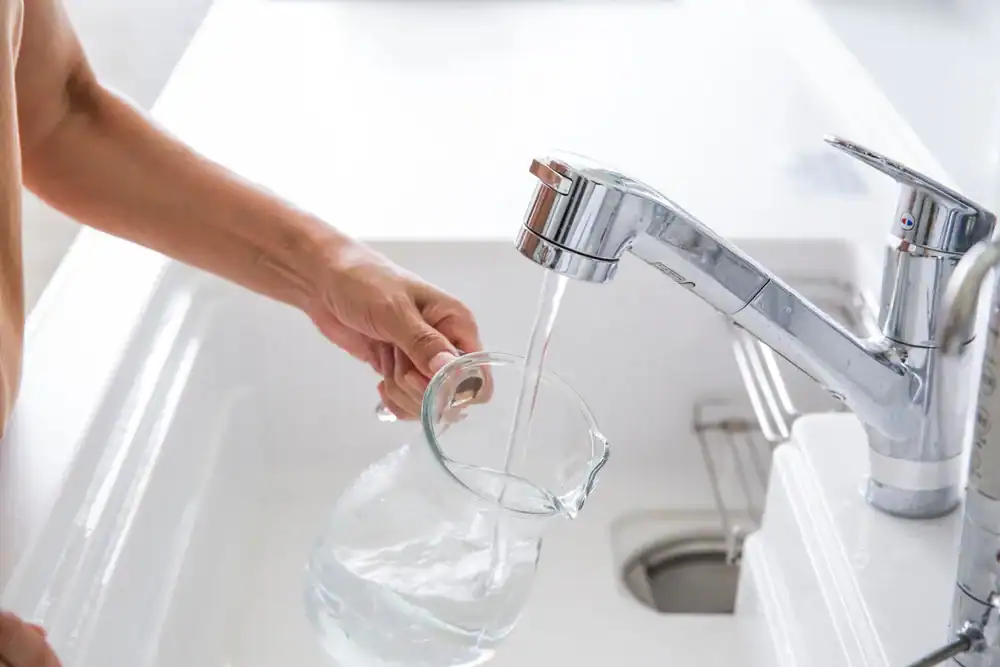
We start with real water testing. Not a sales pitch disguised as analysis. Actual lab work that tells us what contaminants are in your water and at what levels.
Once we know what you’re dealing with, we design a system that addresses your specific problems in the right order. Iron removal might need air injection oxidation or hydrogen peroxide injection depending on your iron levels and whether you’ve got bacteria. Sulfur treatment works differently than iron treatment. Hard water needs a softener, but that won’t touch iron or sulfur.
The system gets installed as a whole-house solution. Every faucet, every shower, every appliance gets treated water. You’re not just filtering one tap or hoping a pitcher catches everything.
After installation, the system runs on its own. Most setups need minimal maintenance. You’re not constantly replacing filters or adding chemicals. The technology does the work, and you get clean water without thinking about it.
Ready to get started?
Most North Shore wells pull from the Floridan aquifer, which means you’re likely dealing with elevated iron, sulfur, and calcium levels. That’s geology, not bad luck.
Iron shows up as orange or brown staining on everything. Sinks, toilets, laundry, driveways where you spray your hose. It also creates a metallic taste and feeds iron bacteria that clog your system with orange slime. Iron removal systems use either air injection oxidation or hydrogen peroxide injection to convert dissolved iron into particles that get filtered out.
Hydrogen sulfide is what creates that rotten egg sulfur smell. It’s more than unpleasant. It’s corrosive. It eats through copper pipes, brass fixtures, and water heaters faster than normal wear and tear. Sulfur treatment typically involves oxidation to convert the gas into particles, then filtration to remove it.
Hard water is calcium and magnesium. It leaves white spots on dishes, soap scum in showers, and scale buildup inside your pipes and appliances. A water softener exchanges those minerals for sodium, preventing buildup and extending the life of everything that uses water.
If you’ve got bacteria in your well, that needs disinfection before anything else. Iron bacteria and sulfur bacteria are resistant to standard chlorine levels, so treatment usually requires higher concentrations or alternative methods like UV sterilization or hydrogen peroxide injection.

You’ll see it, smell it, or taste it. Orange or brown staining on fixtures and laundry means iron. A rotten egg smell means hydrogen sulfide. White crusty buildup on faucets and showerheads means hard water. Cloudy water or sediment means you’ve got particles that need filtering.
The Florida Department of Health recommends annual testing for bacteria and nitrates at minimum. If you’re noticing any of the signs above, get a comprehensive water test that checks for iron, sulfur, hardness, pH, and bacteria. That tells you exactly what you’re dealing with and what treatment you actually need.
Don’t guess. A generic filter won’t fix specific contamination. You need to know your levels before you can design a system that works.
They solve different problems. A water softener removes hardness minerals like calcium and magnesium. It prevents scale buildup and makes soap work better. But it doesn’t remove iron, sulfur, or bacteria.
Iron removal systems use oxidation to convert dissolved iron into solid particles, then filter those particles out. Common methods include air injection oxidation, which uses oxygen, or hydrogen peroxide injection, which uses peroxide as an oxidizer. Both work, but the right choice depends on your iron levels, pH, and whether you’ve got iron bacteria.
If you’ve got both hard water and iron, you need both systems. The iron removal happens first, then the softener. Trying to soften water with high iron will just clog your softener with iron buildup and wreck the resin bed.
Yes, if it’s designed correctly. Hydrogen sulfide treatment works by oxidizing the gas into sulfur particles, then filtering those particles out. The same technologies that remove iron also work for sulfur: air injection oxidation or hydrogen peroxide injection.
The key is getting the oxidation right. Sulfur bacteria are more resistant to chlorine than regular bacteria, so if you’re using chemical treatment, you need higher concentrations. Around 500 ppm instead of standard levels.
If the smell comes back after treatment, it usually means bacteria are still in your system. That requires disinfection of your well and plumbing, not just filtration. You can’t filter out bacteria that are actively growing in your pipes. You have to kill them first, then prevent reintroduction with ongoing treatment.
It depends entirely on what’s in your water and what you need to remove. A basic sediment and carbon filter might run a few hundred dollars. A complete system with iron removal, sulfur treatment, softening, and bacteria disinfection can run several thousand.
That sounds like a lot until you factor in what you’re protecting. A water heater costs $1,200 to $2,000 and lasts 8 to 12 years with clean water. With hard water and corrosive sulfur, you’re replacing it every 5 to 6 years. Same with your dishwasher, washing machine, and all your fixtures and pipes.
Most whole-house systems pay for themselves in 2 to 3 years just from appliance protection and eliminating bottled water. After that, you’re saving money every year. We offer a $500 discount for military and first responders, and we give you upfront pricing with no hidden fees.
Most systems need minimal maintenance if they’re sized and installed correctly. Air injection oxidation systems are mostly automatic. They backwash themselves to clean out filtered iron and sulfur. You might need to check settings once or twice a year.
Water softeners need salt refills every few months depending on your water usage and hardness levels. That’s just pouring salt into the brine tank. Takes five minutes.
If you’re using hydrogen peroxide injection, you’ll need to refill the peroxide tank periodically. How often depends on your water usage and contamination levels. Some systems go months between refills.
The important part is annual water testing. Your water chemistry can change. A new septic system nearby, changes in the aquifer, or seasonal variations can affect your contamination levels. Testing once a year confirms your system is still handling what’s in your water.
Please provide your email address so that we can stay in touch and answer any questions you have! We will be reaching back out shortly.
"*" indicates required fields