Reach Out Today
Please provide your email address so that we can stay in touch and answer any questions you have! We will be reaching back out shortly.

Hear from Our Customers
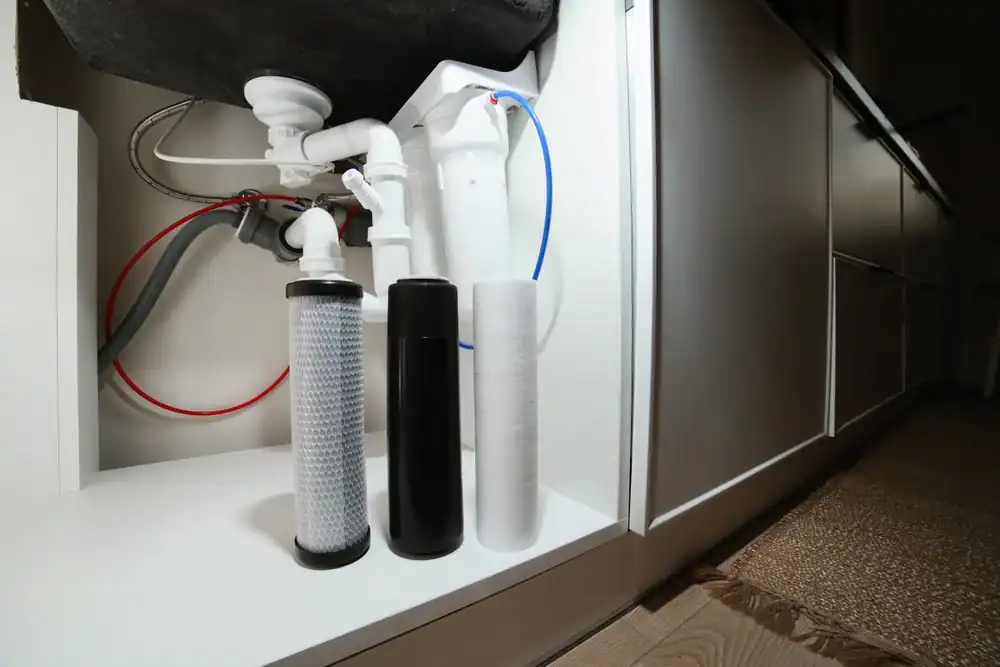
That orange ring around your toilet doesn’t scrub away because it’s not dirt. It’s iron oxide, and it’s in your water. The rotten egg smell when you turn on the tap isn’t a plumbing issue—it’s hydrogen sulfide gas coming straight from the aquifer beneath North Quarter.
You shouldn’t have to explain your water to guests. You shouldn’t be replacing appliances early because mineral buildup destroyed the heating elements. And you definitely shouldn’t wonder if what’s coming out of your tap is safe for your family to drink.
Whole-house well water filtration removes the iron before it stains, eliminates the sulfur before it smells, and kills bacteria before it becomes a health concern. Every faucet, every shower, every load of laundry—clean water throughout your home. That’s what a properly designed system does, and that’s what your household deserves.
We’ve spent over 50 years treating well water in North Quarter and throughout Central Florida. We’re members of the National Water Quality Association, A-rated by the Better Business Bureau with zero complaints, and we hold a 5-star customer rating because we do what we say we’ll do.
We don’t sell plumbing services or water heaters. We specialize in one thing: making your water safe and clean. That focus matters when you’re dealing with Florida’s unique geology—the limestone aquifer that sits beneath North Quarter creates specific water chemistry challenges that require specific treatment approaches.
Every system we install starts with a free water analysis. We test your well water, identify exactly what’s in it, and design a filtration system based on your household’s actual usage and needs. One size doesn’t fit all, and we don’t pretend it does.
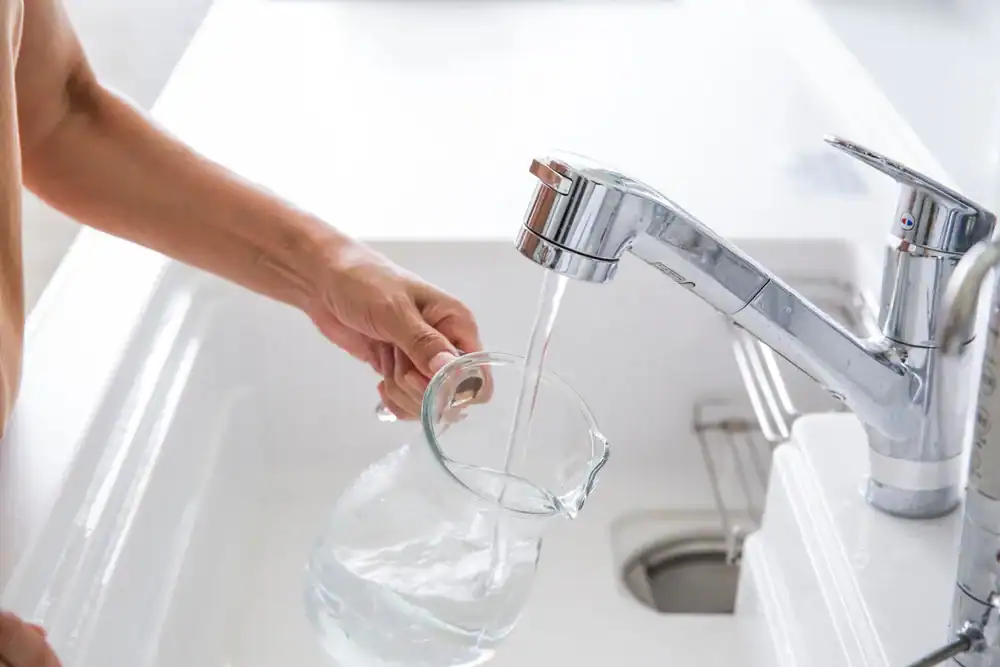
First, we test your water. A proper analysis tells us the iron concentration, sulfur levels, bacteria presence, pH balance, and hardness. Those numbers determine which treatment method will actually work for your well.
If you have iron bacteria or hydrogen sulfide, we typically use air injection oxidation or hydrogen peroxide injection to convert dissolved contaminants into particles that can be filtered out. The oxidation happens in a retention tank where contact time allows the chemical reaction to complete. Then the water moves through a filtration media bed that captures the oxidized particles.
For bacteria disinfection, we install UV purification systems that use ultraviolet light to kill E. coli and other waterborne organisms as water flows through. The UV chamber sits after filtration so the light can penetrate clean water without interference from sediment or minerals.
The entire system ties into your main water line before it splits to your fixtures. That means every drop of water entering your home gets treated—not just the kitchen sink. Installation takes about a day for most homes, and the equipment sits in your garage or utility area where it’s accessible for the minimal maintenance these systems require.
Ready to get started?
North Quarter sits directly on top of Florida’s limestone aquifer system. That geology gives you abundant groundwater, but it also dissolves minerals as water moves through rock layers. Iron and manganese leach into your well from the soil. Sulfur comes from the limestone deposits themselves. And the warm, mineral-rich environment creates perfect conditions for bacteria to thrive.
Approximately 85% of well water systems tested in this region show elevated hydrogen sulfide and iron levels. These aren’t contaminants someone dumped into the ground—they’re naturally occurring because of where we live. But natural doesn’t mean harmless. Hydrogen sulfide is corrosive to copper and brass plumbing. Iron bacteria, once established in your pipes, are nearly impossible to eliminate without professional treatment.
You’ll know you have a problem when you see orange staining on fixtures, smell sulfur when water sits in the pipes overnight, or notice black slime in your toilet tank. Those are visible signs of what’s happening throughout your plumbing system. The damage is ongoing, and it gets worse over time. A whole-house filtration system stops the problem at the source—your well—before contaminated water ever reaches your pipes, appliances, or family.

Water softeners remove hardness minerals like calcium and magnesium through an ion exchange process using salt. They don’t remove iron effectively, especially if you have more than trace amounts. Most North Quarter wells have iron concentrations that overwhelm a softener’s capacity, and the iron fouls the resin bed.
Iron removal systems use oxidation and filtration. Air injection oxidation systems pump oxygen into your water to convert dissolved ferrous iron into ferric iron particles. Those particles get trapped in a filter media bed and backwash out of the system. Hydrogen peroxide injection does the same thing chemically. Both methods handle the iron levels common in Florida wells—typically 3 to 10 parts per million or higher.
If you have both hard water and iron, you need separate treatment for each. We install the iron removal system first in the water line, then the softener. Trying to use a softener alone when you have significant iron just means you’ll be replacing that softener in a year or two when the resin bed clogs. It’s not designed for that job.
Hydrogen sulfide treatment depends on the concentration in your water. For low to moderate levels—up to about 5 parts per million—air injection oxidation works well. The system injects air into a retention tank where oxygen reacts with the hydrogen sulfide gas and converts it to sulfur particles. Those particles filter out through the media bed.
For higher concentrations or if you have sulfur bacteria producing the gas in your well, hydrogen peroxide injection is more effective. The peroxide oxidizes the hydrogen sulfide and kills the bacteria creating it. The system injects a diluted peroxide solution into your water line, holds it in a contact tank for the reaction to complete, then filters out the sulfur particles.
Some companies try to use carbon filters for sulfur smell. That only works temporarily because the carbon gets saturated quickly and needs constant replacement. It’s treating the symptom, not removing the source. Oxidation systems eliminate the hydrogen sulfide from your water permanently as long as the system is maintained. You’ll notice the difference immediately—no smell when you turn on the tap, no sulfur odor in your hot water, and no more embarrassment when guests use your bathroom.
Yes, when installed correctly. UV disinfection uses ultraviolet light at a specific wavelength—254 nanometers—that destroys the DNA of bacteria, viruses, and other microorganisms. As water flows through the UV chamber, the light penetrates the cells and prevents them from reproducing. They’re effectively dead and can’t cause illness.
The key is “when installed correctly.” UV only works on clear water because sediment, iron, and minerals block the light from reaching bacteria. That’s why we always install UV systems after filtration. If your water has visible particles or discoloration, those contaminants shield bacteria from the UV light and the system doesn’t disinfect properly.
You also need adequate contact time and the right flow rate. If water moves through the chamber too fast, bacteria don’t get enough UV exposure. We size the system based on your household’s peak demand so even when multiple fixtures are running, the flow rate stays within the unit’s capacity. The UV bulb needs replacement annually because the light intensity degrades over time, but that’s simple maintenance. For well water bacteria disinfection, UV is the most effective method that doesn’t add chemicals to your water.
A complete system for a typical North Quarter home ranges from $3,000 to $8,000 depending on what your water analysis shows and what treatment methods you need. If you only have iron, you’re on the lower end. If you need iron removal, sulfur treatment, bacteria disinfection, and softening, you’re looking at a more comprehensive system.
The cost includes the equipment, professional installation, and startup service. We don’t quote prices before testing your water because guessing leads to undersized systems that don’t solve the problem or oversized systems that waste your money. The free water analysis tells us exactly what you need, and we design the system around those results and your household size.
Financing is available, and military members and first responders receive a $500 discount. When you factor in what you’re currently spending on bottled water, appliance repairs, plumbing fixture replacements, and cleaning products to fight stains, a filtration system typically pays for itself within a few years. More importantly, you’re protecting your family’s health and your home’s plumbing infrastructure. That’s not an expense—it’s an investment in your property and peace of mind.
Most systems need attention once or twice a year. Air injection oxidation systems and hydrogen peroxide injection systems backwash automatically to clean the filter media, so you don’t do anything there. You’ll need to refill the hydrogen peroxide solution tank every few months if you have that type of system—it’s a simple pour-in process.
UV bulbs should be replaced annually even if they still light up, because the germicidal intensity decreases over time. The quartz sleeve that protects the bulb needs cleaning when mineral film builds up on it. That’s usually an annual task unless you have very hard water.
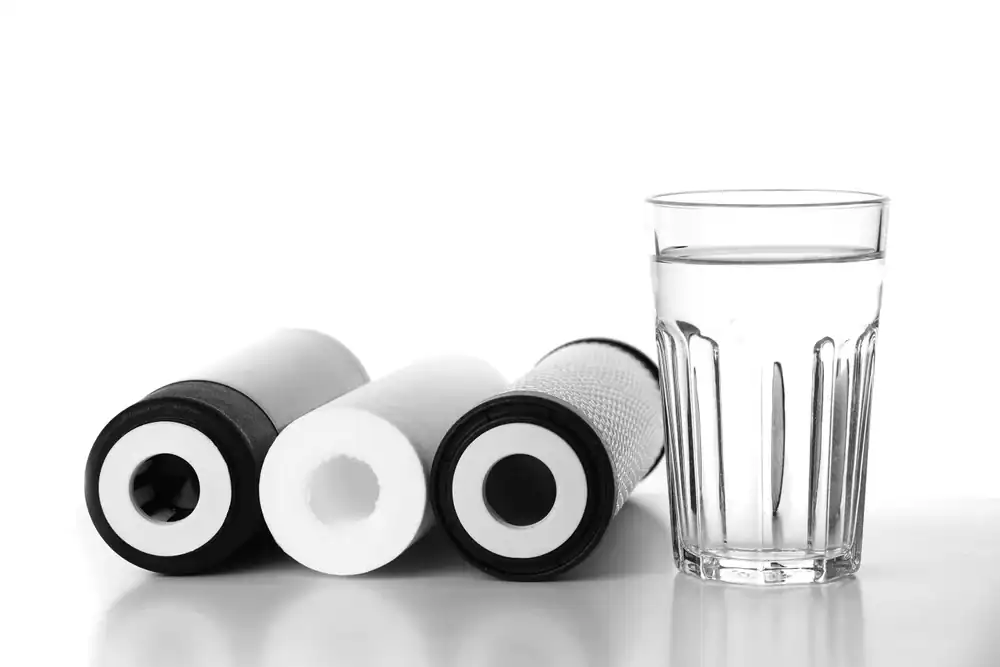
Filter cartridges, if your system includes them for sediment pre-filtration, need replacement every 3 to 6 months depending on your water quality and usage. We provide maintenance service and can handle all of this for you on a schedule, or we’ll walk you through what to do yourself if you prefer.
The key is not skipping maintenance. A filtration system that isn’t maintained stops working effectively. Iron builds up in the media bed. UV light gets blocked. Bacteria slip through. You end up with the same problems you installed the system to fix. We send reminders when service is due, and we stock all the parts and media for the systems we install so there’s no waiting on shipments when something needs attention.
Please provide your email address so that we can stay in touch and answer any questions you have! We will be reaching back out shortly.
"*" indicates required fields
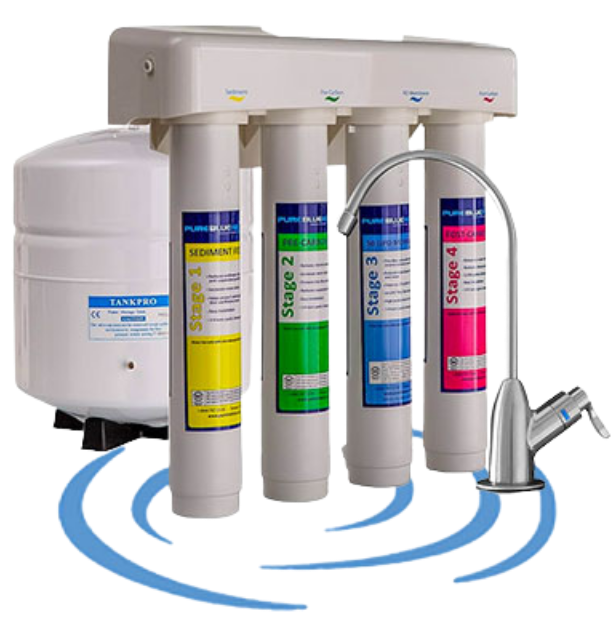
Get a free reverse osmosis drinking water system with the purchase of any whole-home water purification system.
*Cannot be combined with other offers. Mention this special when you call.