Reach Out Today
Please provide your email address so that we can stay in touch and answer any questions you have! We will be reaching back out shortly.

Hear from Our Customers
Your water shouldn’t smell like rotten eggs when you turn on the shower. It shouldn’t leave orange stains on your sinks or turn your laundry brown. And you definitely shouldn’t wonder if it’s safe for your kids to drink.
That’s what happens when hydrogen sulfide, iron, and bacteria build up in your well. It’s not just annoying—it’s corrosive. It eats through your plumbing, kills your water heater faster, and makes everything in your home feel a little off.
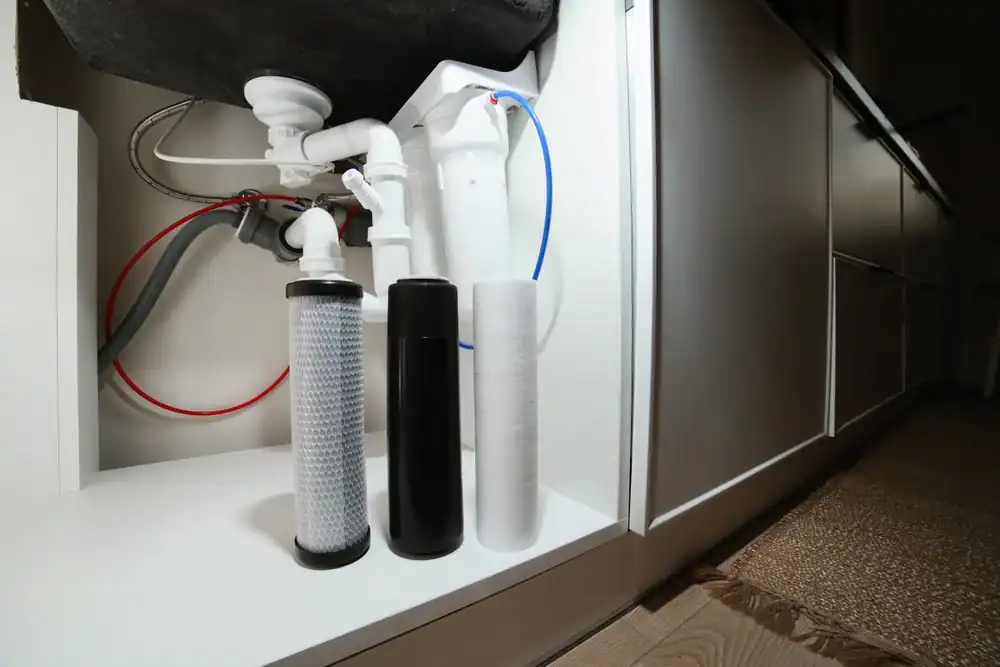
A proper well water filtration system fixes that. Not with a filter pitcher or an under-sink band-aid, but with a whole-house setup that treats the water before it reaches a single faucet. You get clear water. No smell. No staining. And no more second-guessing whether it’s actually clean.
That’s what your water should be. And in Normandy, where 90% of residents rely on groundwater, it’s what your system should deliver every single day.
We’ve been installing well water filtration systems across Florida for over five decades. We’re A+ rated with the Better Business Bureau, zero complaints, and we’re members of the National Water Quality Association. That’s not marketing talk—it’s just what happens when you do the work right and service what you sell.
We’re not a national chain that disappears after installation. We’re a Florida-based company that understands the specific water problems you deal with in Normandy—high iron content, sulfur bacteria, and limestone geology that makes hydrogen sulfide a constant issue. We test your water, design a system based on what’s actually in it, and install equipment that handles your household’s usage and needs.
We also offer a $500 discount for military members and first responders, and we’re proud supporters of the Tunnels to Towers Foundation. If you’re in Normandy and your well water isn’t what it should be, we’ll tell you exactly what it’ll take to fix it.
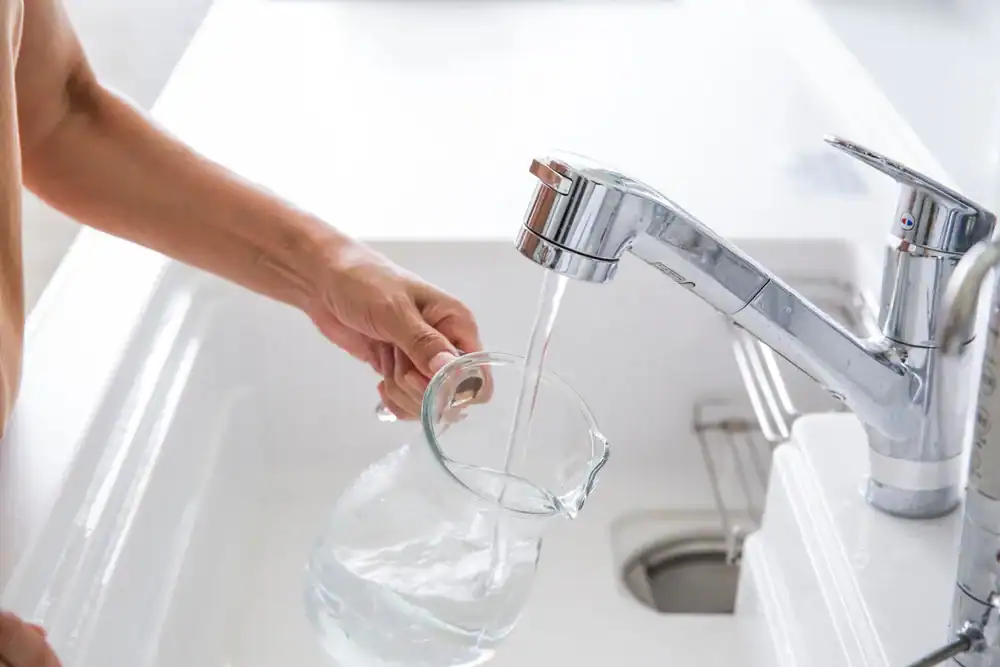
First, we test your water. Not a generic test—a full analysis that shows us what’s actually in your well. Iron levels, sulfur content, bacteria, hardness, pH. That tells us what kind of filtration system you need.
From there, we design a system for your home. If you’ve got high iron and sulfur, we’ll likely recommend either air injection oxidation or hydrogen peroxide injection paired with a catalytic carbon filter. Both methods oxidize the contaminants so they can be filtered out before the water enters your plumbing. If bacteria or E. coli show up in your test, we’ll add UV disinfection to kill it at the source.
Once the system’s designed, we install it at your main water line—so every faucet, shower, and appliance gets treated water. The setup usually takes a day, and we walk you through how it works and what kind of maintenance to expect. Most systems need a filter change once or twice a year. That’s it.
After installation, you’ll notice the difference immediately. No more smell. No more stains. Just clean water that doesn’t make you think twice.
Ready to get started?
A whole-house well water filtration system treats your water at the point of entry—before it reaches any fixture or appliance in your home. That means every tap, every shower, every load of laundry gets filtered water. No orange buildup in your toilets. No metallic taste in your coffee. No rotten egg smell when someone turns on the hot water.
In Normandy, the most common issues we treat are iron, hydrogen sulfide, and bacterial contamination. Iron shows up as rust-colored staining and metallic-tasting water. Hydrogen sulfide is that sulfur smell—it comes from bacteria feeding on sulfur compounds in Florida’s limestone geology. And bacterial iron isn’t just a stain problem—it promotes the growth of iron-reducing bacteria, which clogs pipes and creates slimy buildup in your plumbing.
The systems we install use either hydrogen peroxide injection or air injection oxidation to deal with these contaminants. Hydrogen peroxide reacts with hydrogen sulfide and converts it to elemental sulfur, which gets filtered out. It also kills sulfur-reducing bacteria on contact. Air injection works similarly but uses oxygen to oxidize iron and sulfur before filtering. Both methods are proven, and both protect your plumbing and appliances from long-term damage.
You also get a free water analysis before we recommend anything. Most of our satisfied customers start there—because it’s hard to fix a problem when you don’t know exactly what’s in your water.

The most effective systems use either air injection oxidation or hydrogen peroxide injection, paired with a catalytic carbon filter. Both methods oxidize the iron and sulfur so they can be filtered out before the water enters your home.
Hydrogen peroxide is especially effective for sulfur. It reacts immediately with hydrogen sulfide and converts it to elemental sulfur, which the filter removes. It also kills the bacteria that produce hydrogen sulfide in the first place, so the problem doesn’t keep coming back.
Air injection works by injecting oxygen into the water, which oxidizes iron and sulfur the same way. It’s a good option if you don’t have extreme sulfur levels and want a system with no chemical injection. Both approaches treat the water at your main line, so every faucet and appliance gets clean, filtered water.
You won’t know unless you test it. Bacteria and E. coli don’t always cause a smell or visible contamination—they can be present in water that looks and tastes fine.
If your water smells like rotten eggs, that’s hydrogen sulfide, which is produced by sulfur-reducing bacteria. That’s a sign you’ve got bacterial activity in your well. But E. coli and coliform bacteria usually don’t have a smell. The only way to confirm they’re there is through a lab test.
We offer free water testing that checks for bacteria, iron, sulfur, hardness, and pH. If bacteria show up, we’ll recommend a filtration system with UV disinfection, which kills bacteria and viruses as the water passes through. It’s a proven method and doesn’t require chemicals or ongoing maintenance beyond an annual bulb replacement.
Yes. Iron, sulfur, and hard water all cause long-term damage to your plumbing and appliances if left untreated.
Iron is corrosive. It stains everything it touches and promotes bacterial growth that clogs pipes and creates buildup inside your water heater. Hydrogen sulfide is even worse—it eats through copper and brass fixtures, corrodes your water heater’s anode rod, and accelerates the breakdown of your entire plumbing system.
A whole-house filtration system removes those contaminants before they reach your pipes. That means your water heater lasts longer, your fixtures stay clean, and your washing machine and dishwasher don’t have to work as hard. Over time, that saves you money on repairs and replacements. It also means you’re not constantly scrubbing orange stains off your sinks and toilets.
It depends on what’s in your water and what kind of system you need. A basic iron and sulfur removal system typically runs between $2,500 and $5,000 installed. If you need bacteria disinfection with UV, that adds another $800 to $1,200.
The cost also depends on your household size and water usage. A larger home with higher demand needs a bigger system with more capacity. We design every system based on your water test results and your family’s needs—so you’re not paying for equipment you don’t need, and you’re not under-sizing a system that won’t keep up.
Professional installation is included in that price, and most systems are up and running in a day. There are no monthly operating costs with air injection or hydrogen peroxide systems, and filter replacements usually run $100 to $200 per year depending on your water quality. We also offer a $500 discount for military members and first responders.
Not necessarily. It depends on whether you have hard water and how much calcium and magnesium are in your well.
A filtration system removes iron, sulfur, and bacteria. A water softener removes hardness minerals—calcium and magnesium—that cause scale buildup on fixtures and make soap less effective. They’re two different problems, and they require two different solutions.
If your water test shows high hardness levels, we’ll recommend adding a softener to your system. If your water is relatively soft but has iron and sulfur, you won’t need one. Some people in Normandy have both issues, and in that case, we install a filtration system and a softener in sequence so both problems get handled.
We’ll test your water first and tell you exactly what you need. No guessing. No upselling. Just a system that solves the problems you actually have.
Please provide your email address so that we can stay in touch and answer any questions you have! We will be reaching back out shortly.
"*" indicates required fields