Reach Out Today
Please provide your email address so that we can stay in touch and answer any questions you have! We will be reaching back out shortly.

Hear from Our Customers
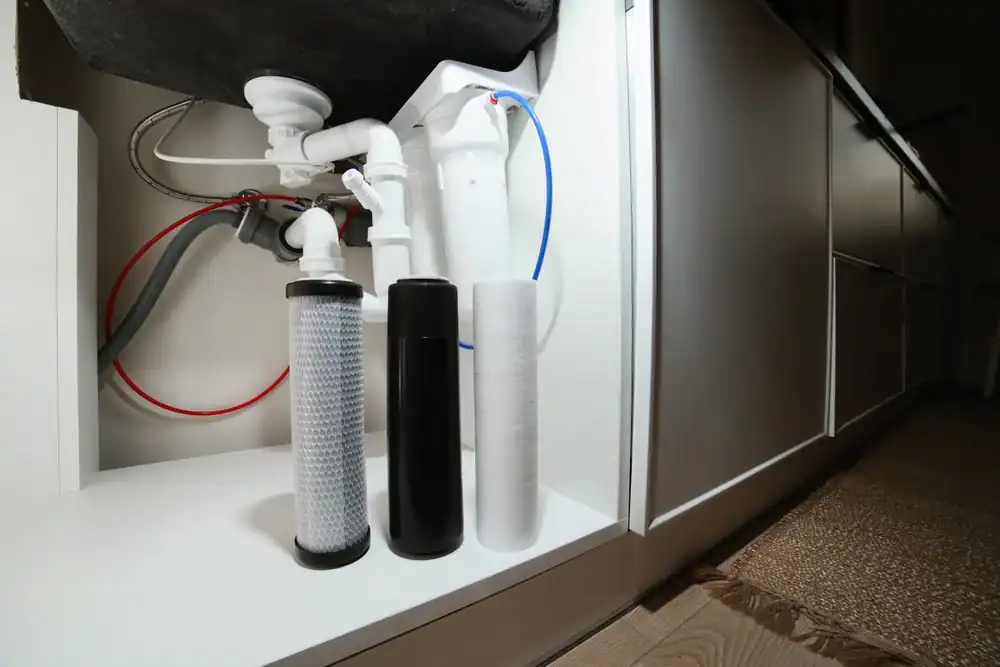
Your water should come out clear. It shouldn’t leave rust stains on your sinks or turn your laundry orange. You shouldn’t smell sulfur when you turn on the tap, and you definitely shouldn’t wonder if what’s coming through your pipes is safe for your family.
Most well water in Nocatee carries iron, sulfur compounds, or bacteria—sometimes all three. That’s not a failure of your well. It’s geology. Florida’s limestone and sulfur-rich groundwater create the perfect conditions for these problems, and they don’t go away on their own.
A properly designed well water filtration system handles all of it. Iron removal systems convert dissolved iron into a filterable form. Hydrogen peroxide injection kills iron bacteria and oxidizes sulfur. Air injection oxidation does the same without chemicals. The right system depends on what’s actually in your water, not what worked for someone else.
Once it’s installed, you get water that doesn’t stain, doesn’t smell, and doesn’t damage your appliances. Your water heater lasts longer. Your fixtures stay clean. You stop buying bottled water because what comes from the tap is what it should’ve been all along.
We focus exclusively on water filtration, purification, and softening. We don’t do plumbing. We don’t install water heaters. We solve water quality problems, and we’ve built our reputation on doing that one thing extremely well.
We’re A+ rated with the Better Business Bureau with a 5-star rating and zero complaints. We’re members of the National Water Quality Association, which means we follow industry standards that actually matter. And we’re locally based, so when you call, you’re talking to someone who knows what Nocatee water looks like and what it takes to fix it.
Nocatee’s rapid growth means newer homes, newer wells, and homeowners who are just now discovering what’s in their water. We’ve worked with enough properties in St. Johns County to know what systems hold up and which ones create more problems than they solve. You’re not getting a generic solution—you’re getting a system designed for the specific water conditions in this area.
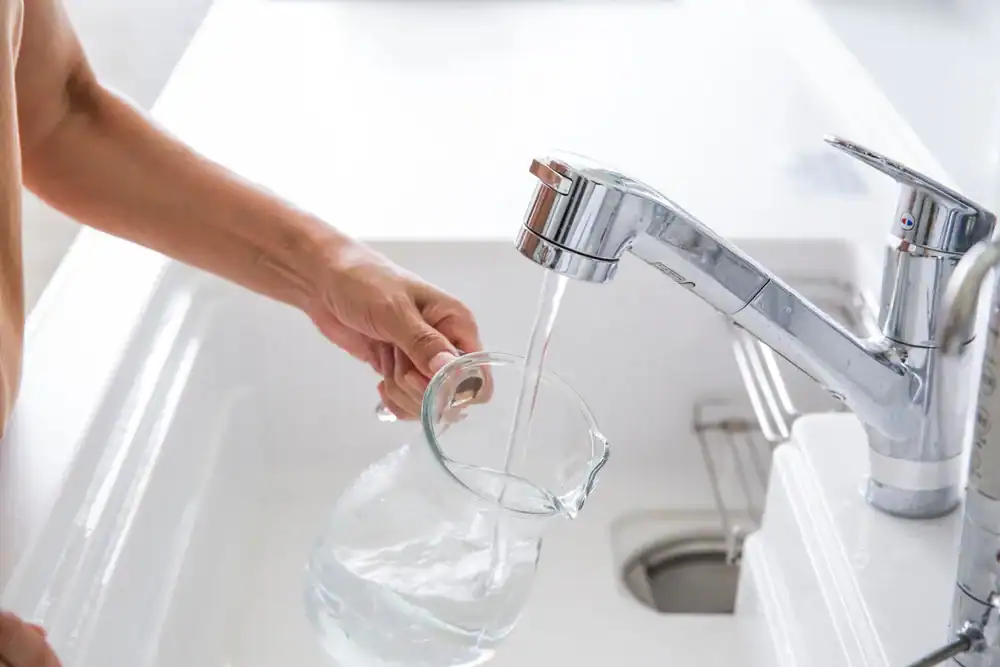
We start with water testing. Not the kind you buy at a hardware store—a full analysis that shows us iron levels, sulfur content, bacteria presence, hardness, and pH. That tells us what system you actually need, not what we want to sell you.
Once we know what’s in your water, we design a treatment system that handles it. If you’ve got high iron and sulfur, that usually means hydrogen peroxide injection combined with filtration. If bacteria is the issue, we address that first—because iron bacteria will colonize inside a water softener and make everything worse. Air injection oxidation works well for moderate iron without adding chemicals. Every system is different because every well is different.
Installation happens at your main water line, before water reaches your house. The system treats everything—showers, sinks, laundry, appliances. Most installations take a day. We test the water after installation to confirm it’s working, walk you through basic maintenance, and set up automatic backwash cycles so you’re not manually flushing the system every week.
You’ll notice the difference immediately. No smell. No staining. Water that actually looks and tastes clean. And if something changes down the road, we’re local—we come back and handle it.
Ready to get started?
Our whole-house well water filtration systems are built to handle Florida conditions. That means equipment rated for high iron content, sulfur levels that would overwhelm a standard softener, and the bacterial growth that thrives in warm groundwater. These aren’t off-the-shelf units—they’re configured based on your water test results.
Iron removal systems use oxidation to convert dissolved iron into particles that can be filtered out. Hydrogen sulfide treatment eliminates the sulfur smell by oxidizing the gas before it reaches your fixtures. Well water bacteria disinfection kills iron bacteria and prevents it from forming biofilm inside your pipes and appliances. Most systems combine these functions because most Nocatee wells need all three.
You also get a water softener if your hardness levels require it. Hard water creates scale buildup that shortens appliance life and makes cleaning harder. Soft water uses less soap, leaves fewer spots, and keeps your plumbing clear. The softener is integrated into the treatment system, not added as an afterthought.
Maintenance is straightforward. Systems backwash automatically to clean the media. Salt gets refilled every few months if you have a softener. We provide service if something needs adjustment, but these systems are designed to run without constant attention. You’re not babysitting equipment—you’re just using clean water.

If your water smells like sulfur, leaves orange or brown stains, or has a metallic taste, you need filtration. Those are the most obvious signs. But even if your water looks clear, you might still have dissolved iron or bacteria that you can’t see until it oxidizes and stains your fixtures.
The only way to know for sure is water testing. A basic test will show iron levels, hardness, pH, and sulfur content. A bacterial test will tell you if iron bacteria is present. In Nocatee and throughout St. Johns County, most private wells have at least one of these issues—it’s not a question of if you need treatment, but what kind.
Don’t wait until your water heater fails or your washing machine starts leaving rust marks on clothes. Those repairs cost more than installing the right filtration system in the first place. Test your water, see what’s in it, and address it before it becomes expensive.
Both methods oxidize iron and sulfur so they can be filtered out, but they work differently. Hydrogen peroxide injection adds a small amount of peroxide to your water, which kills bacteria and oxidizes contaminants. It’s more effective for higher iron levels and when bacteria is present. The peroxide breaks down into water and oxygen, so nothing harmful stays in your water.
Air injection oxidation uses compressed air instead of chemicals. It’s a good option for moderate iron and sulfur levels, and some homeowners prefer it because there’s no chemical involved. But it doesn’t disinfect bacteria the way peroxide does, so if your well has iron bacteria, peroxide is usually the better choice.
Which one you need depends on your water test results. If your iron is above 5 ppm or you’ve got bacteria, peroxide handles it better. If your levels are lower and bacteria isn’t an issue, air injection works fine and costs a bit less to operate. We recommend based on what’s actually in your water, not what’s easier to install.
Not effectively, and it might make things worse. Water softeners are designed to remove hardness minerals like calcium and magnesium. They can handle very small amounts of dissolved iron—usually under 1 ppm—but most Nocatee wells have much higher levels than that.
When iron levels are too high, the iron fouls the resin inside the softener. That means the softener stops working properly, and you end up with both hard water and iron staining. If you have iron bacteria, it will colonize inside the softener tank and create a slimy biofilm that’s nearly impossible to clean out.
The right approach is to remove iron before the water reaches the softener. That’s what iron removal systems and oxidation systems do—they take care of the iron first, then the softener handles hardness. Trying to do it all with just a softener is why a lot of homeowners end up frustrated and still dealing with stains.
Most of our systems backwash automatically, which means they clean themselves on a schedule—usually every few days or after a set number of gallons. You don’t have to do anything for that. If your system includes a water softener, you’ll need to refill the salt every two to three months depending on your water usage and hardness levels.
Beyond that, we recommend an annual service check. We’ll test your water to make sure the system is still performing, inspect the media and tanks, and adjust settings if needed. Florida’s water conditions can change, especially after heavy rain or if your well water table shifts, so it’s worth confirming everything is still dialed in.
If you notice any changes—smell coming back, staining reappearing, or pressure dropping—call us right away. That usually means something needs adjustment or the media needs replacing. These systems are built to last, but they’re not set-it-and-forget-it forever. A little attention keeps them running the way they should.
Well water bacteria disinfection targets iron bacteria, sulfur bacteria, and other microorganisms that thrive in Florida’s warm groundwater. Iron bacteria isn’t harmful to drink, but it creates a slimy biofilm that clogs pipes, damages appliances, and makes your water smell and taste bad. It also creates an environment where more harmful bacteria can grow.
Disinfection usually involves hydrogen peroxide injection or chlorination. Peroxide is more common for residential systems because it doesn’t leave a chemical taste and it breaks down naturally. The system injects a controlled amount of peroxide into your water line, which kills bacteria on contact. The water then moves through a retention tank to give the peroxide time to work before it’s filtered out.
If bacteria levels are extremely high, we might recommend shock chlorination of the well itself before installing a treatment system. That’s a one-time process that disinfects the well and the surrounding aquifer. After that, the filtration system keeps bacteria from coming back. You can’t just treat bacteria once and assume it’s gone—it will return unless you have a system in place to control it.
Please provide your email address so that we can stay in touch and answer any questions you have! We will be reaching back out shortly.
"*" indicates required fields
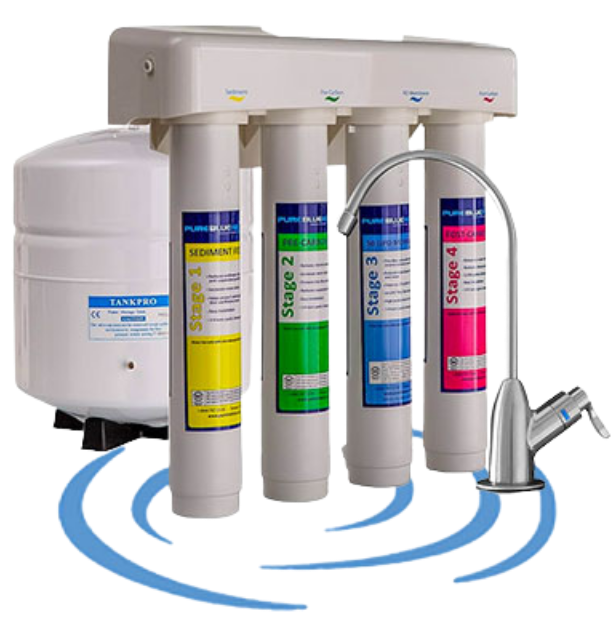
Get a free reverse osmosis drinking water system with the purchase of any whole-home water purification system.
*Cannot be combined with other offers. Mention this special when you call.