Reach Out Today
Please provide your email address so that we can stay in touch and answer any questions you have! We will be reaching back out shortly.

Hear from Our Customers
You turn on the tap and there’s no smell. No hesitation before you fill a glass. No embarrassment when someone asks for water.
Your sinks stay white. Your laundry comes out clean, not rust-stained. Your appliances last years longer because they’re not fighting mineral buildup every day.
That’s what happens when iron removal systems and hydrogen sulfide treatment actually work. The orange stains stop appearing on your fixtures. The rotten egg smell disappears completely. You stop buying bottled water because what comes from your tap is clean.
Most Murray Hill homeowners don’t realize their well water problems are fixable until they see it happen. The sulfur smell you’ve gotten used to isn’t normal. The iron staining that keeps coming back isn’t something you just live with. These are symptoms of treatable issues in your groundwater, and the right whole house water filtration system handles all of it.
We’ve been fixing water problems across Central Florida for years. A+ Better Business Bureau rating. Five stars. Zero complaints.
That doesn’t happen by accident. It happens because we show up, install systems correctly, and actually answer the phone when you call months later with a question.
We’re members of the National Water Quality Association, which means we follow industry standards that matter. And unlike companies that disappear after installation, we service what we sell. Every major water treatment brand, ongoing maintenance, real support.
Murray Hill sits on limestone aquifers that naturally contain sulfur compounds. Florida’s sandy soil lets minerals seep into groundwater easily. We know what you’re dealing with because we’ve treated hundreds of wells in this area. Your water issues aren’t unique, and neither is the solution.
First, we test your water. Not a generic test – a full analysis that shows exactly what’s in your well. Iron levels, sulfur content, bacteria presence, hardness, pH. You need to know what you’re treating before you pick a system.
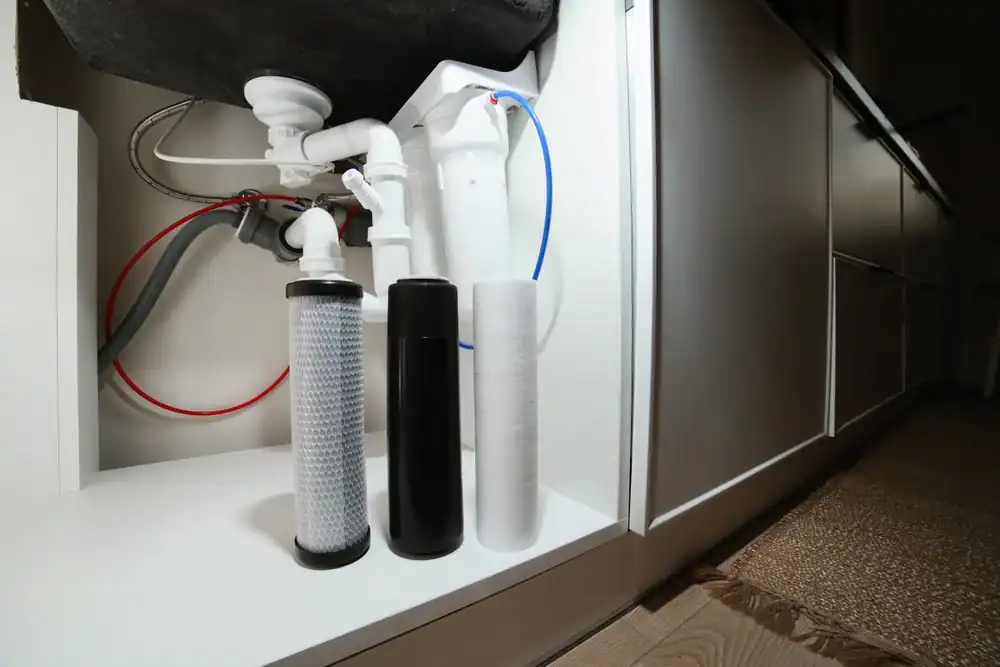
Then we recommend the right setup. If you’ve got iron and sulfur, that usually means an air injection oxidation system or hydrogen peroxide injection paired with catalytic carbon filters. If bacteria showed up in your test, we add UV disinfection or a chlorination system. If your water’s hard on top of everything else, we include a softener.
Installation takes a day for most whole house systems. We’re connecting filtration equipment between your well and your home’s plumbing. Everything gets explained as we go – how the system works, what maintenance it needs, when to call us.
After installation, you’ll notice the difference immediately. Water stops smelling. Stains stop forming. And if something ever seems off, you call us. We come back, check the system, make adjustments. That’s how this works when a company actually services what they install.
Ready to get started?
A complete well water filtration system isn’t just one piece of equipment. It’s multiple stages working together to handle whatever’s in your specific water supply.
Most Murray Hill installations include an oxidation system – either air injection or hydrogen peroxide injection – that converts dissolved iron into particles that can be filtered out. Then a catalytic carbon filter catches those particles along with sulfur compounds. If your water tested positive for bacteria, we add UV purification or well water bacteria disinfection equipment that kills pathogens without chemicals.
Hard water gets handled with a separate softener, because minerals that cause scaling are different from the iron and sulfur causing stains and smells. You might need all of this, or you might need two components. It depends entirely on your test results.
Every system comes with a full explanation of how it works and what you need to do to maintain it. Filter changes, media replacement, occasional system checks. We handle the complicated stuff during routine service visits, but you should know what’s happening in your own home.
Florida’s geology makes well water treatment more necessary here than in most states. The limestone aquifers, the sandy soil, the warm climate that accelerates bacterial growth – it all adds up to water that needs proper filtration. Your system is built for these specific conditions.

If you’re seeing orange or brown stains on sinks, toilets, or laundry, that’s iron. If your water smells like rotten eggs, that’s hydrogen sulfide. If you’re worried about bacteria but can’t smell or taste anything, you need a test – bacterial contamination is invisible.
Most Murray Hill well owners deal with at least one of these issues. The limestone geology here means sulfur compounds are common. Sandy soil lets iron and organic material into groundwater easily. And shallow wells or older well seals can allow surface contamination.
Get your water tested before you do anything else. A proper lab analysis tells you exactly what’s present and at what levels. Then you know whether you need iron removal, sulfur treatment, bacteria disinfection, or all three. Guessing wastes money on systems that don’t match your actual problem.
Both methods oxidize dissolved iron so it can be filtered out, but they work differently. Air injection systems are chemical-free – they inject oxygen into your water, which reacts with iron and turns it into rust particles. Then a filter catches those particles.
Hydrogen peroxide injection adds a small amount of peroxide to your water, which is a stronger oxidizer than air. It handles higher iron levels and also treats sulfur more aggressively. The peroxide breaks down into water and oxygen, so nothing harmful stays in your water.
If your iron levels are moderate and you don’t have much sulfur, air injection works fine and costs less to operate. If you’ve got heavy iron, high sulfur, or both, hydrogen peroxide injection is usually the better choice. Your water test results determine which system makes sense for your situation.
Yes, that’s one of the main reasons to install one. Iron buildup clogs pipes, damages water heaters, and destroys washing machines. Hard water minerals do the same thing. When you remove these contaminants before they reach your plumbing, everything lasts longer.
Water heaters are especially vulnerable. The heating element accelerates mineral precipitation, which means sediment builds up fast in untreated well water. That sediment makes your heater work harder, fail sooner, and waste energy the entire time. Replacing a water heater every few years costs more than installing a proper filtration system once.
Same goes for your dishwasher, washing machine, and any appliance that uses water. The minerals and iron that cause staining on your fixtures cause damage inside your appliances. A whole house system stops contaminants at the point of entry, so everything downstream stays clean.
Depends on the system and your water conditions, but most setups need attention once or twice a year. Sediment filters need replacing every few months. Carbon filters last six months to a year. Softener resin eventually needs replacement, though that’s usually every few years, not annually.
Oxidation systems using air injection need the least maintenance – mostly just checking that the air pump is working and the filter media isn’t exhausted. Hydrogen peroxide injection systems need peroxide refills, but that’s straightforward. UV systems need annual bulb replacement.
We handle all of this during service visits. You’re not climbing around your equipment changing filters yourself unless you want to. Most customers prefer we come out, check everything, replace what needs replacing, and make sure the system is still performing correctly. That’s part of actually servicing what we install – we don’t sell you a system and disappear.
Yes, but you need the right disinfection equipment. Standard iron and sulfur filters don’t kill bacteria. For that, you need either UV purification, chlorination, or hydrogen peroxide injection at disinfection levels.
UV systems use ultraviolet light to destroy bacteria, viruses, and other pathogens as water flows through. No chemicals, no taste change, just effective disinfection. Chlorination injects a small amount of chlorine, kills pathogens, then removes the chlorine before water reaches your taps. Hydrogen peroxide works similarly at higher concentrations.
If your well tested positive for coliform bacteria or E. coli, you need disinfection. Period. Bacteria in well water usually means surface contamination – from a shallow well, a damaged seal, or nearby septic systems. The bacteria itself has no smell or taste, so you won’t know it’s there without testing. But once you know, it’s fixable with the right well water bacteria disinfection system.
Please provide your email address so that we can stay in touch and answer any questions you have! We will be reaching back out shortly.
"*" indicates required fields
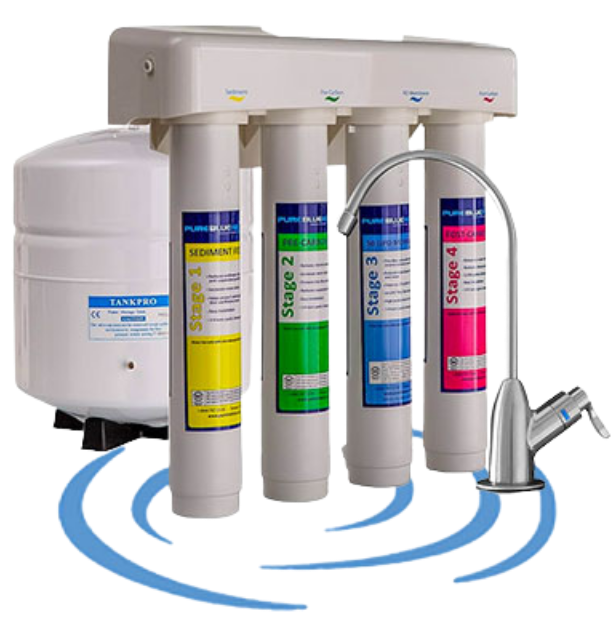
Get a free reverse osmosis drinking water system with the purchase of any whole-home water purification system.
*Cannot be combined with other offers. Mention this special when you call.