Reach Out Today
Please provide your email address so that we can stay in touch and answer any questions you have! We will be reaching back out shortly.

Hear from Our Customers
You turn on the tap and there’s no rotten egg smell. Your white laundry stays white instead of turning rust-colored. Guests don’t wrinkle their nose when they wash their hands.
That’s what happens when your well water filtration system actually addresses the source of the problem instead of masking it. North Florida’s limestone aquifers naturally contain sulfur compounds, iron, and the perfect conditions for bacterial growth. The warm climate accelerates everything.
Most homeowners in Moultrie deal with at least one of these issues. Many deal with all three. The orange stains on your fixtures aren’t just ugly—they’re iron slowly corroding your water heater, washing machine, and plumbing. That sulfur smell isn’t harmless—it’s hydrogen sulfide gas. And bacteria in your well isn’t something you can see or smell until it’s a serious problem.
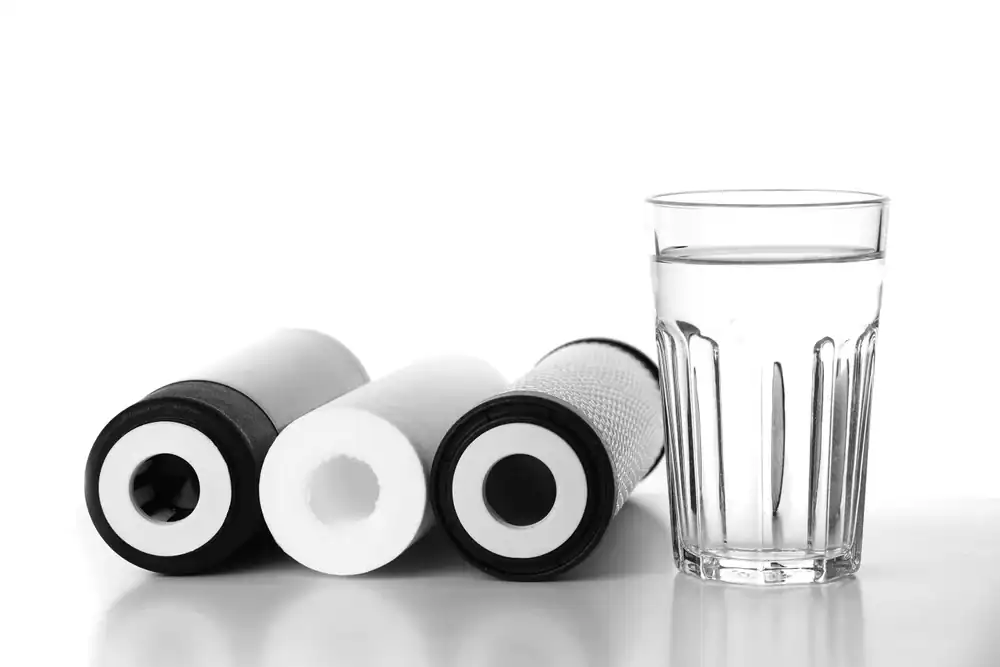
A proper whole-house well water filtration system removes these contaminants before they reach any faucet, shower, or appliance in your home. You’re not buying bottled water anymore. You’re not replacing stained towels. Your appliances last longer because they’re not fighting mineral buildup every day.
We focus exclusively on water purification, softening, and filtration across North and Central Florida. We’re not plumbers who install filters on the side. This is what we do.
We hold an A+ rating with the Better Business Bureau with a 5-star rating and zero complaints. We’re members of the National Water Quality Association, which means we follow industry standards that actually matter. When you call, you’re working with people who understand Florida’s specific water chemistry and the treatment methods that work long-term.
We’ve built our reputation in communities like Moultrie by doing what we say we’ll do. Free water analysis. Custom-designed systems based on your actual water test results and household usage. Professional installation. Real service after the sale—not disappearing once the check clears.
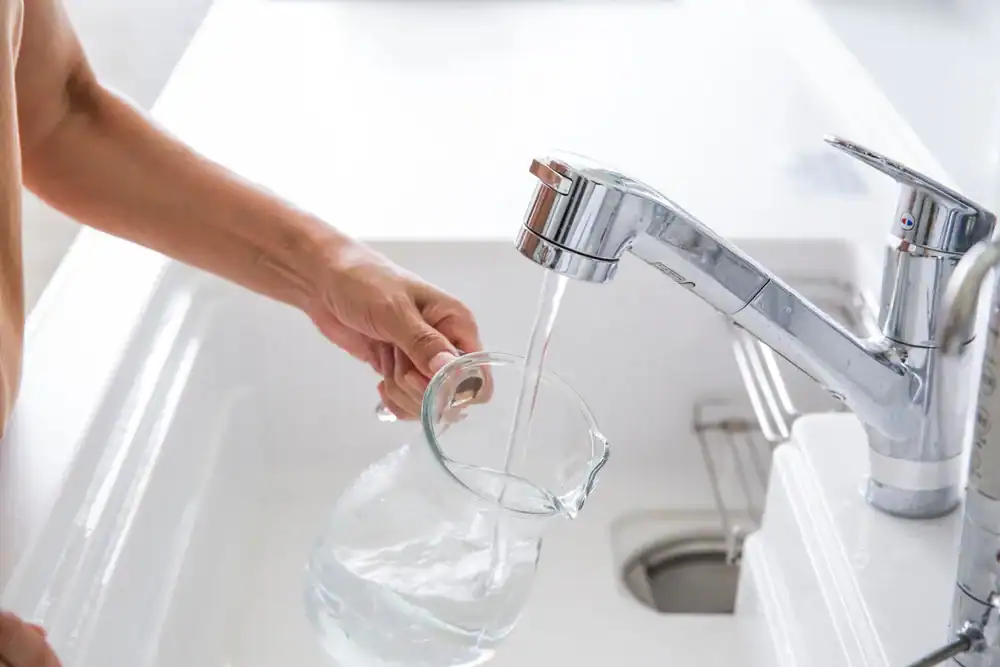
First, we test your water. Not a guess based on your neighbor’s results—your well. We’re looking at iron levels, sulfur content, bacteria presence, pH, hardness, and anything else that affects how your water behaves.
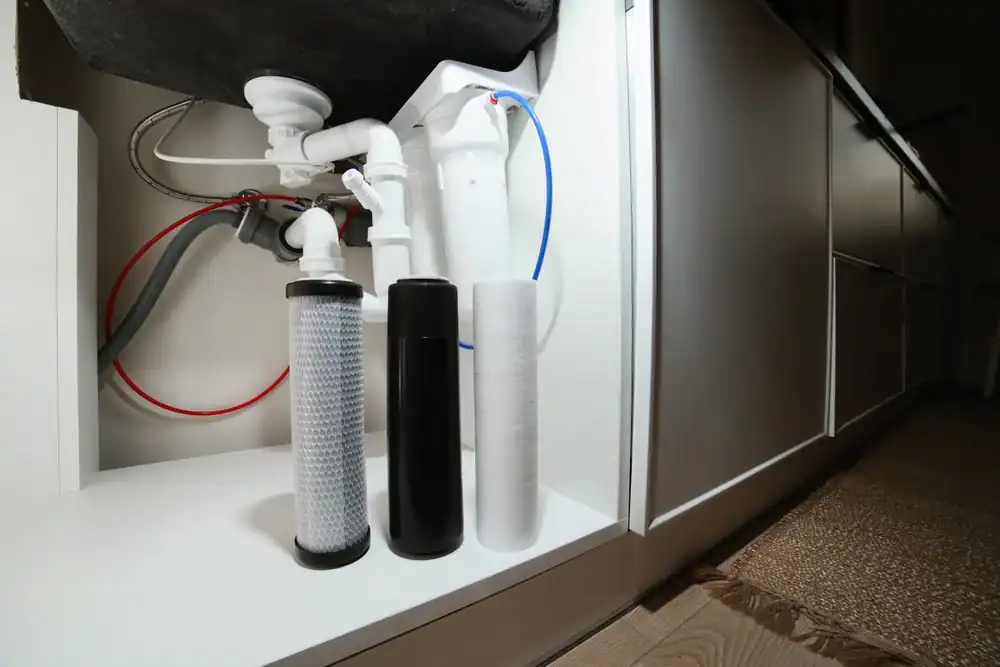
Once we know what’s in your water, we design a system specifically for your home. If you’ve got high iron, we might recommend an air injection oxidation system that uses oxygen to convert dissolved iron into particles that get filtered out. For hydrogen sulfide treatment, we look at whether hydrogen peroxide injection or a different oxidation method makes more sense for your situation. Bacteria gets handled with disinfection systems that don’t require you to dump chemicals into your well every month.
Then we install everything. The system goes in at your main water line so every drop of water entering your home gets treated. We make sure it’s sized correctly for your household’s flow rate—undersized systems create pressure problems, oversized systems waste money.
After installation, we walk you through basic maintenance. Most of our systems are low-maintenance by design, but you should know what to watch for and when to call us for service.
Ready to get started?
Every system we install is custom-designed after analyzing your water. That’s not marketing talk—it’s necessary. The iron removal system that works for a home with 2 ppm of iron won’t handle a property with 8 ppm. Same goes for sulfur treatment and bacteria disinfection.
For iron problems, we typically use air injection oxidation systems. They’re chemical-free, low-maintenance, and effective for the iron levels common in Moultrie well water. The system injects air into your water, oxidizes the iron, then filters out the particles before they reach your plumbing.
Hydrogen sulfide treatment often involves similar oxidation methods, though sometimes hydrogen peroxide injection makes more sense depending on your water chemistry. We’ll tell you which approach fits your situation and why.
Well water bacteria disinfection is non-negotiable if your water tests positive for coliform bacteria. Florida doesn’t require private well owners to test regularly, but the CDC is clear about the health risks. We install disinfection systems that continuously treat your water without requiring constant chemical additions.
You also get our service commitment. We install systems we can actually service—not equipment we’ll abandon you with. And if you’re military or a first responder, we offer a $500 discount because that matters to us.

If you smell rotten eggs, see orange or brown staining, or notice a metallic taste, you need treatment. Those are the obvious signs.
The less obvious sign is that you haven’t tested your water in over a year. The Florida Department of Health strongly recommends annual testing for bacteria and nitrates at minimum. Most homeowners skip this until they have a problem, but bacteria doesn’t always announce itself with smell or taste.
We offer free water analysis because testing is the only way to know what you’re dealing with. Your neighbor might have clean water while yours is loaded with iron. Well water quality varies property to property based on depth, geology, and how the well was constructed.
Water softeners remove hardness minerals like calcium and magnesium through ion exchange. They help with scale buildup and soap performance, but they don’t remove iron effectively—especially not the levels common in Florida well water.
Iron removal systems use oxidation to convert dissolved iron into solid particles, then filter those particles out. Air injection oxidation is our preferred method because it’s chemical-free and handles higher iron concentrations without the maintenance headaches of other approaches.
If you have both hard water and iron problems, you need both systems. The iron filter comes first to protect the softener from iron fouling, then the softener handles the hardness. Trying to use a softener alone when you have significant iron just clogs the resin bed and creates more problems.
Yes, but the treatment method depends on your sulfur levels and what else is in your water. That rotten egg smell is hydrogen sulfide gas, and it’s one of the most common complaints we hear from Moultrie homeowners.
For lower concentrations, air injection oxidation often handles it by converting the hydrogen sulfide into sulfur particles that get filtered out. For higher levels or more stubborn cases, hydrogen peroxide injection provides stronger oxidation that eliminates the smell completely.
We don’t guess at which system you need. Your water test tells us the hydrogen sulfide concentration, pH, and other factors that determine which treatment approach will actually work long-term. Sulfur treatment isn’t one-size-fits-all, and installing the wrong system means you’re still dealing with the smell six months later.
Custom systems range widely based on what your water needs and your household size. A basic iron removal system for a smaller home costs less than a multi-stage treatment system for a larger property with iron, sulfur, and bacteria issues.
That’s why we start with free water analysis. We’re not going to quote you a price before we know what we’re treating. The cost includes the equipment, professional installation, and our service commitment—not just a box of parts dropped at your door.
What we can tell you is that proper treatment pays for itself. You’re not replacing water heaters early because of sediment buildup. You’re not buying bottled water. Your appliances last longer. And if you ever sell, buyers notice clean water and working systems. Cheap fixes cost more in the long run when they fail or don’t address the actual problem.
Most of the systems we install are designed for low maintenance. Air injection oxidation systems might need the air injection valve checked annually and the filter media replaced every few years depending on your iron levels and water usage.
Hydrogen peroxide injection systems need the peroxide tank refilled periodically—how often depends on your water consumption and treatment needs. It’s straightforward and we’ll show you how to monitor levels.
The bigger maintenance item is your well itself. If you’re not testing your water annually, you should be. Water quality can change over time as aquifer conditions shift or if your well develops problems. We recommend annual bacteria testing at minimum, plus periodic full-panel testing to catch any changes before they become expensive problems. We’ll service any system we install, and we’ll tell you honestly what you can handle yourself versus when to call us.
Please provide your email address so that we can stay in touch and answer any questions you have! We will be reaching back out shortly.
"*" indicates required fields