Reach Out Today
Please provide your email address so that we can stay in touch and answer any questions you have! We will be reaching back out shortly.

Hear from Our Customers
No more orange rings in your toilets. No more rotten egg smell when someone turns on the shower. No more wondering if the water is safe for your kids to drink.
That’s what happens when your well water filtration system is designed for South Florida’s specific problems—not just generic contamination. Iron, sulfur, and bacteria are the norm here, not the exception. Our limestone geology feeds sulfur-reducing bacteria, and iron exists in almost every private well across Broward County.
The right system doesn’t just filter. It oxidizes iron before it stains. It eliminates hydrogen sulfide at the source. It disinfects without leaving chemical residue in your drinking water. And it does all of this automatically, so you’re not constantly maintaining equipment or replacing cartridges every month.
Your appliances last longer. Your laundry stays white. Your water tastes normal. That’s the outcome.
We have over 50 years of experience treating well water across the state. We’re not a national franchise that showed up last year—we’re a local company that understands exactly what’s in Miramar’s groundwater and how to treat it.
We’re A-rated by the Better Business Bureau with a 5-star rating and zero complaints. We’re members of the National Water Quality Association, which means we follow industry standards and stay current on treatment technology. And we offer a $500 discount to military members and first responders, because that matters to us.
We don’t do plumbing or water heaters. We do water treatment—whole house filtration, iron removal systems, sulfur treatment, bacteria disinfection. That’s it. And we do it right the first time, with professional installation and ongoing support if something changes with your water.
First, we test your water. Not a basic hardness test—a full analysis that identifies iron levels, hydrogen sulfide concentration, bacteria presence, pH, and anything else affecting your water quality. This is free, and it tells us exactly what treatment approach will work.
Once we know what’s in your water, we recommend a system. If you’ve got clear water iron, we might use air injection oxidation to convert it into a solid that can be filtered out. If hydrogen sulfide is the issue, hydrogen peroxide injection oxidizes the sulfur without adding chemicals to your drinking water. For bacteria, we disinfect at the point of entry so every tap in your house is protected.
Then we install it. The system treats all the water coming into your home, not just one faucet. It’s automated, low-maintenance, and designed to handle Florida’s specific contamination issues. After installation, we walk through how it works and what to expect. If your water changes—say, after a hurricane or heavy flooding—we can retest and adjust treatment if needed.
Ready to get started?
A whole house well water filtration system treats everything before it reaches your taps, appliances, and fixtures. That means your drinking water, shower water, laundry water, and toilet water all get the same treatment.
For iron removal, we use systems like air injection oxidation or hydrogen peroxide injection depending on whether you have clear water iron or iron bacteria. Both methods oxidize the iron so it can be filtered out before it stains your sinks, tubs, and laundry. If you’ve already got staining, the system stops new stains from forming—but it won’t remove existing damage.
Hydrogen sulfide treatment eliminates that rotten egg smell at the source. We inject hydrogen peroxide, which releases oxygen and destroys the sulfur gas. No smell, no aftertaste, no chemical residue. It’s one of the most effective methods for South Florida wells, where sulfur is common due to our limestone deposits.
For bacteria, we disinfect using methods that don’t leave chlorine or other chemicals in your water. Bacteria can enter wells through surface contamination—especially in Miramar, where heavy summer rains and flooding can compromise well seals. If your well tests positive for coliform or E. coli, disinfection isn’t optional. It’s necessary.

If you see orange or rust-colored stains in your sinks, toilets, or tubs, that’s iron. If your water smells like rotten eggs, that’s hydrogen sulfide. If you haven’t tested your well in over a year—or ever—you don’t actually know if bacteria is present, because bacterial contamination has no taste or smell.
The Florida Department of Health recommends testing private wells at least once a year. Wells aren’t regulated like city water, and contamination levels can change quickly, especially after floods, hurricanes, or heavy rain. A free water analysis will tell you exactly what’s in your water and whether treatment is necessary.
Even if your water looks and smells fine, iron and bacteria can still be present at levels that damage appliances or pose health risks. Testing is the only way to know for sure.
Both methods oxidize iron so it can be filtered out, but they work a little differently. Air injection oxidation is chemical-free—it injects oxygen into your water, which converts dissolved iron into a solid form that gets trapped in a filter. It’s effective for clear water iron and doesn’t add anything to your water except air.
Hydrogen peroxide injection also oxidizes iron, but it’s more aggressive. It releases a large amount of dissolved oxygen when injected, which handles higher iron levels and also treats hydrogen sulfide at the same time. If you’ve got both iron and sulfur issues, hydrogen peroxide can address both with one system.
The right method depends on your water test results. If you’ve got low to moderate iron and no sulfur, air injection works well. If you’ve got heavy iron, iron bacteria, or sulfur contamination, hydrogen peroxide is usually the better choice. We recommend based on what’s actually in your water, not what’s easiest to install.
Yes, if the system is designed to treat hydrogen sulfide. The rotten egg smell comes from hydrogen sulfide gas, which forms when sulfur-reducing bacteria break down sulfates in your groundwater. South Florida’s limestone geology is loaded with sulfur compounds, so this is extremely common in Miramar and surrounding areas.
Hydrogen peroxide injection is one of the most effective treatments. When injected into your water, it releases oxygen that destroys the hydrogen sulfide gas. There’s no chemical aftertaste, no residue, and no smell. The treatment happens before water enters your home, so every tap is odor-free.
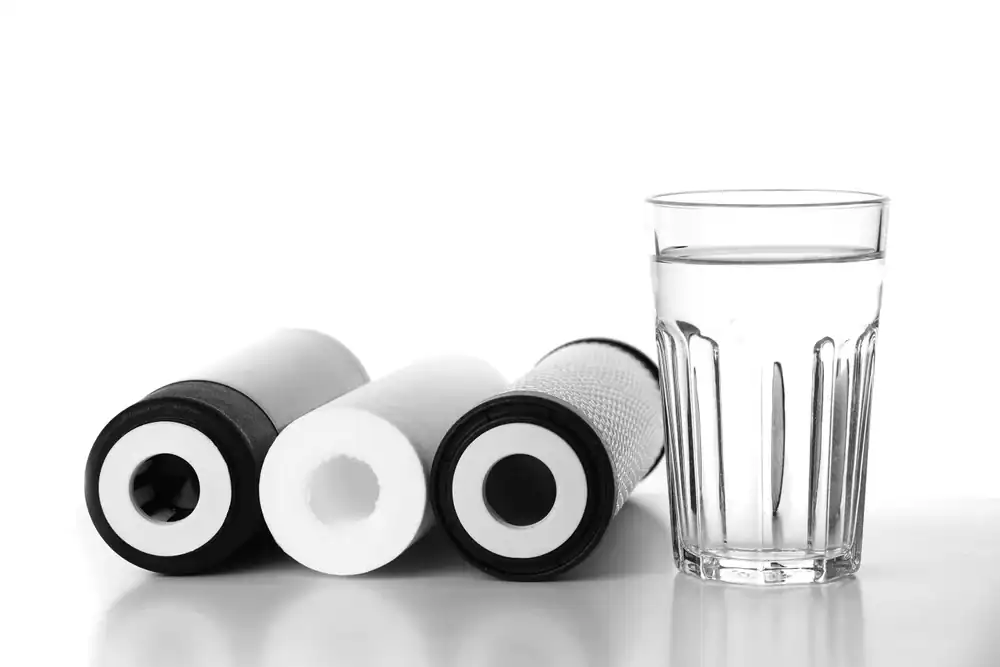
Carbon filters can reduce the smell temporarily, but they don’t eliminate the source—they just mask it. And they need frequent replacement. Oxidation-based systems like hydrogen peroxide injection actually remove the sulfur, so the problem doesn’t come back. That’s the difference between filtering and treating.
Cost depends on what’s in your water and what treatment methods are needed. A basic iron removal system might run a few thousand dollars. A more comprehensive system that handles iron, sulfur, and bacteria—with hydrogen peroxide injection and whole house filtration—will cost more, but it’s also treating multiple issues at once.
What matters more than upfront cost is whether the system actually solves your problem. A cheap carbon filter might cost $500, but if it doesn’t remove iron or treat bacteria, you’ve wasted money and still have contaminated water. A properly designed system costs more initially but prevents appliance damage, eliminates health risks, and stops the ongoing expense of replacing stained fixtures and clothing.
We offer free water testing and provide a quote based on your specific contamination levels. We also offer a $500 discount for military members and first responders. The goal is to install a system that works long-term, not sell the cheapest option that fails in six months.
Yes, but only if the system includes a disinfection method designed for bacteria. Standard sediment filters and carbon filters don’t kill bacteria—they might trap some, but they’re not reliable for disinfection. If your well tests positive for coliform bacteria or E. coli, you need a treatment method that actually destroys the bacteria.
Hydrogen peroxide injection works for this. It oxidizes and kills bacteria as water enters your home, and it doesn’t leave chemical residue like chlorine does. UV disinfection is another option—it uses ultraviolet light to destroy bacteria without adding anything to your water.
Bacteria contamination usually happens when surface water seeps into your well. In Miramar, this can occur during heavy summer rains or if your well seal is compromised. Shallow wells are especially vulnerable. If you test positive for bacteria, disinfection isn’t optional—it’s a health issue, especially if you have young children or elderly family members drinking the water.
Please provide your email address so that we can stay in touch and answer any questions you have! We will be reaching back out shortly.
"*" indicates required fields