Reach Out Today
Please provide your email address so that we can stay in touch and answer any questions you have! We will be reaching back out shortly.

Hear from Our Customers
Your clothes stop turning orange in the wash. The rotten egg smell disappears when you turn on the tap. Guests don’t wrinkle their nose at your water, and you stop second-guessing whether it’s safe for your kids to drink.
That’s what happens when you treat the whole house, not just one faucet. A proper well water filtration system handles iron removal, hydrogen sulfide treatment, bacteria disinfection, and hardness all at once. You’re not patching problems—you’re fixing them at the source.
Your appliances last longer. Your fixtures stay clean. Your water heater doesn’t fill with sediment. And you’re not buying bottled water by the case because you trust what’s coming out of your own tap. It’s not dramatic—it’s just how water should work in the first place.
We hold an A+ rating with the Better Business Bureau and zero complaints. We’re members of the National Water Quality Association, which means we follow industry standards, not shortcuts.
We specialize in whole-house purification for well water in McIntosh, FL and surrounding areas. Most of our work involves iron removal systems, sulfur elimination, and bacteria disinfection—the problems that show up most often in Florida wells. We don’t do plumbing or water heaters. We do water treatment, and we do it right.
What sets us apart isn’t just the install. It’s the fact that we service what we sell. You won’t be calling a 1-800 number six months later trying to get someone to show up. We’re local, we’re licensed, and we’re here when something needs attention.
We start with a water test. Not a guess, not a generic system—a real analysis of what’s in your well. Iron levels, sulfur content, bacteria presence, hardness, pH. That tells us what you actually need.
From there, we design a system. If you’ve got high iron, we might use air injection oxidation to convert it into a form that can be filtered out. For hydrogen sulfide, we often use hydrogen peroxide injection or AIO systems depending on concentration. Bacteria gets handled with UV disinfection or chlorination. Hard water gets a softener. Everything’s sized for your household and your water chemistry.
Installation takes a day in most cases. We tie into your main line so every tap in your house gets treated water. Once it’s running, we walk you through basic maintenance and set up a service schedule. You’re not left with a manual and a prayer—you’ve got a system that works and a company that answers the phone.
Ready to get started?
McIntosh well water comes with challenges. Iron staining is common—it’s why your toilets have that orange ring and your driveway has rust streaks. Sulfur shows up as that rotten egg smell, especially in deeper wells. And because you’re on a private system, bacteria is always a concern if your well isn’t properly sealed or treated.
A whole-house well water filtration system handles all of it. You get iron removal that actually keeps your fixtures clean. Hydrogen sulfide treatment that eliminates the smell at the source. Bacteria disinfection using UV light or chemical feed systems. And water softening to protect your appliances and your skin.
We also offer a $500 discount for military members and first responders. Beyond that, you’re working with a company that supports the Tunnels to Towers Foundation and believes in doing right by the people who do right by others. This isn’t a transaction—it’s a long-term setup. Your system will add value to your home, protect your plumbing, and give you water you’re not embarrassed to serve.

Air injection oxidation is one of the most effective methods for iron removal in Florida well water. It works by injecting air into the water, which oxidizes the dissolved iron and turns it into a solid particle that can be filtered out. No chemicals, no constant maintenance—just a reliable system that handles iron concentrations up to 10-15 ppm in most cases.
For higher iron levels or when you’ve also got sulfur, hydrogen peroxide injection works well. It oxidizes both iron and hydrogen sulfide, then a filter catches the particles. The key is matching the system to your specific water chemistry, because what works in one well might not work in another. That’s why testing matters before you buy anything.
Cartridge filters and softeners don’t remove iron effectively. They’ll clog fast and cost you more in replacements than a real iron removal system costs upfront. If your water leaves orange stains, you need oxidation and filtration—not a Band-Aid.
Hydrogen sulfide is what causes that rotten egg smell, and it’s incredibly common in Florida wells. The fix depends on concentration. For low levels, an air injection oxidation system can handle it by converting the gas into sulfur particles that get filtered out.
For moderate to high sulfur levels, hydrogen peroxide injection is more effective. It oxidizes the hydrogen sulfide quickly, and a carbon filter polishes the water afterward. You can also use chlorination with a contact tank, but that requires more maintenance and monitoring.
The smell isn’t just unpleasant—it can corrode your pipes and fixtures over time. It also makes your water taste terrible and embarrasses you in front of guests. A proper sulfur removal system eliminates it completely, and you’ll notice the difference the first time you turn on the tap. No smell, no aftertaste, no problem.
If you’re on a private well, yes. Municipal water gets treated and tested regularly. Your well doesn’t—unless you do it yourself. Bacteria can enter through cracks in the casing, surface water intrusion, or even during repairs. Coliform bacteria and E. coli are the most common concerns, and both can make you sick.
UV disinfection is the cleanest solution. It uses ultraviolet light to kill bacteria, viruses, and other pathogens without adding chemicals to your water. The system installs on your main line, treats water as it flows through, and requires minimal maintenance—usually just an annual bulb replacement.
Chlorination is another option, especially if you’ve got ongoing contamination issues. It involves injecting chlorine into the water, letting it sit in a contact tank, then filtering out the chlorine before it reaches your taps. It’s more involved than UV, but it’s effective for stubborn bacteria problems. Either way, disinfection isn’t optional if you care about what your family is drinking.
It depends on what your water needs. A basic iron removal system might run $2,000 to $4,000 installed. Add sulfur treatment, bacteria disinfection, and a softener, and you’re looking at $5,000 to $10,000 for a complete whole-house setup. That’s not cheap, but it’s a one-time investment that protects your home and your health for 15-20 years.
Compare that to the cost of replacing a water heater every five years because of sediment buildup, or re-piping your house because sulfur corroded everything, or buying bottled water forever because you don’t trust your tap. A proper system pays for itself in appliance protection alone, and it increases your home’s resale value.
We offer a $500 discount for military members and first responders, and we’ll walk you through exactly what you need based on your water test—not what makes us the most money. You’ll know what you’re paying for and why, and you’ll have a system that actually works long-term.
A water softener removes hardness—calcium and magnesium that cause scale buildup in your pipes and appliances. It doesn’t remove iron, sulfur, bacteria, or other contaminants. It just makes your water “soft” so soap lathers better and your fixtures don’t get crusty.
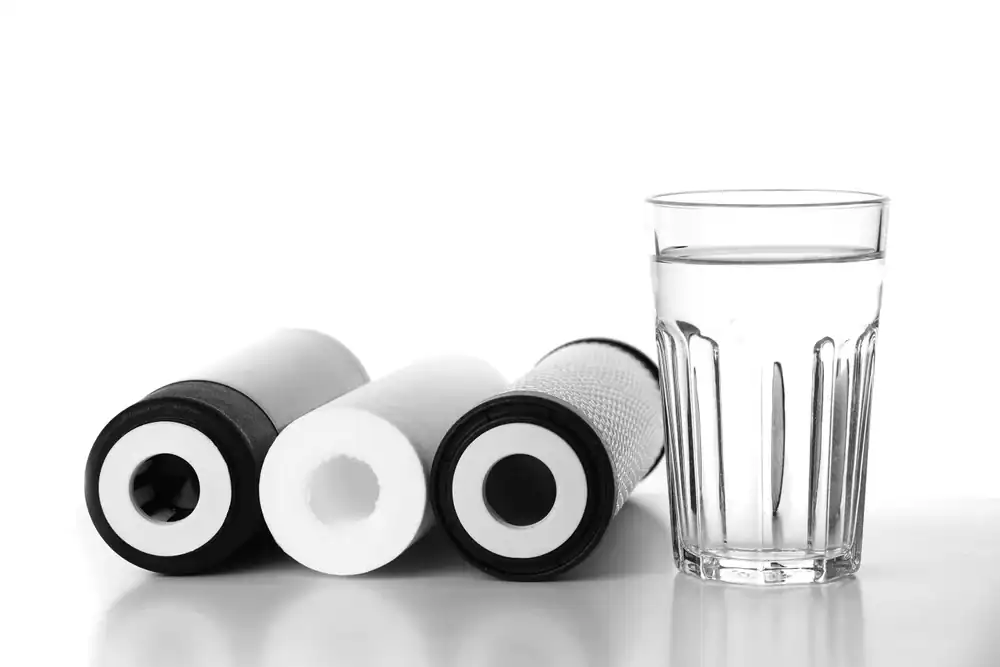
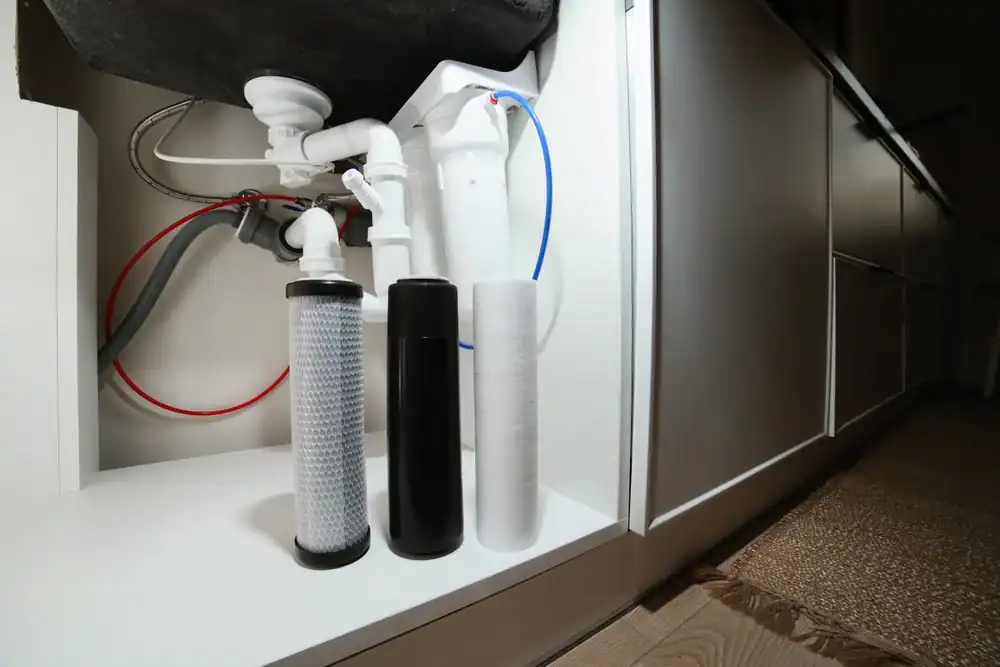
A filtration system removes specific contaminants like iron, sediment, chlorine, or chemicals. Some systems use carbon filters, some use oxidation and media tanks, some use reverse osmosis. The type of filter depends on what you’re trying to remove.
Most Florida well water needs both. You’ve got hardness, but you’ve also got iron and sulfur. So a complete system includes a softener and a filtration setup designed for your specific contaminants. They work together—filtration removes the stuff that damages your health and stains your home, and the softener protects your appliances and makes your water feel better. You don’t have to choose one or the other if you want water that’s actually clean and functional.
Please provide your email address so that we can stay in touch and answer any questions you have! We will be reaching back out shortly.
"*" indicates required fields