Reach Out Today
Please provide your email address so that we can stay in touch and answer any questions you have! We will be reaching back out shortly.

Hear from Our Customers
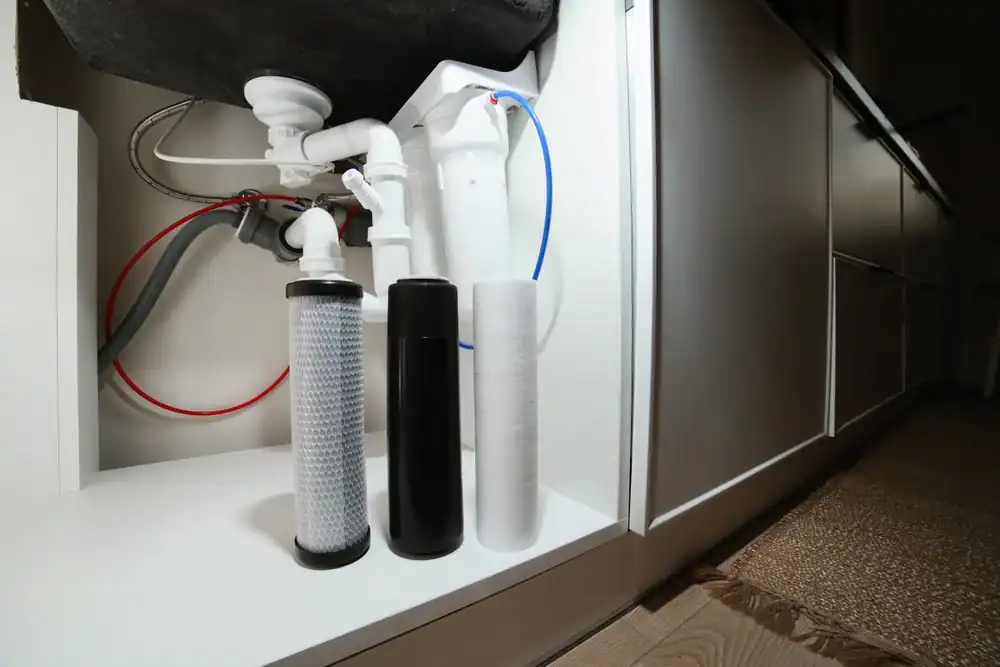
You turn on the tap and the water runs clear. No orange stains creeping across your sink. No sulfur smell hitting you when you step into the shower. Your whites stay white in the wash, and you’re not scrubbing rust off the toilet every week.
That’s what happens when your well water gets treated the right way. Not with a one-size-fits-all filter you bought online, but with a system designed around what’s actually in your water.
Most well water problems in Mandarin Station come down to iron, hydrogen sulfide, hardness, or bacteria. Sometimes all four. The fix isn’t complicated, but it does need to match the problem. Air injection oxidation handles iron and sulfur without chemicals. Hydrogen peroxide injection works when levels are high or bacteria’s involved. UV disinfection kills what filtration can’t catch.
You’re not guessing anymore. You’re not buying equipment that might work. You’re getting water that doesn’t make you think twice before you drink it.
We’ve been fixing well water problems across North and Central Florida since the 1970s. We’re A-rated by the Better Business Bureau with a 5-star rating and zero complaints. We’re members of the National Water Quality Association, which means we follow industry standards that actually matter.
We don’t do plumbing. We don’t install water heaters. We treat water, and that’s it. When you call, you’re talking to someone who’s seen your exact problem a hundred times and knows how to fix it without overselling you.
Mandarin Station sits on the same limestone geology that causes sulfur and hardness issues throughout Northeast Florida. We’ve worked in this area long enough to know what your water test is going to show before we even run it. That’s not cockiness—it’s pattern recognition.
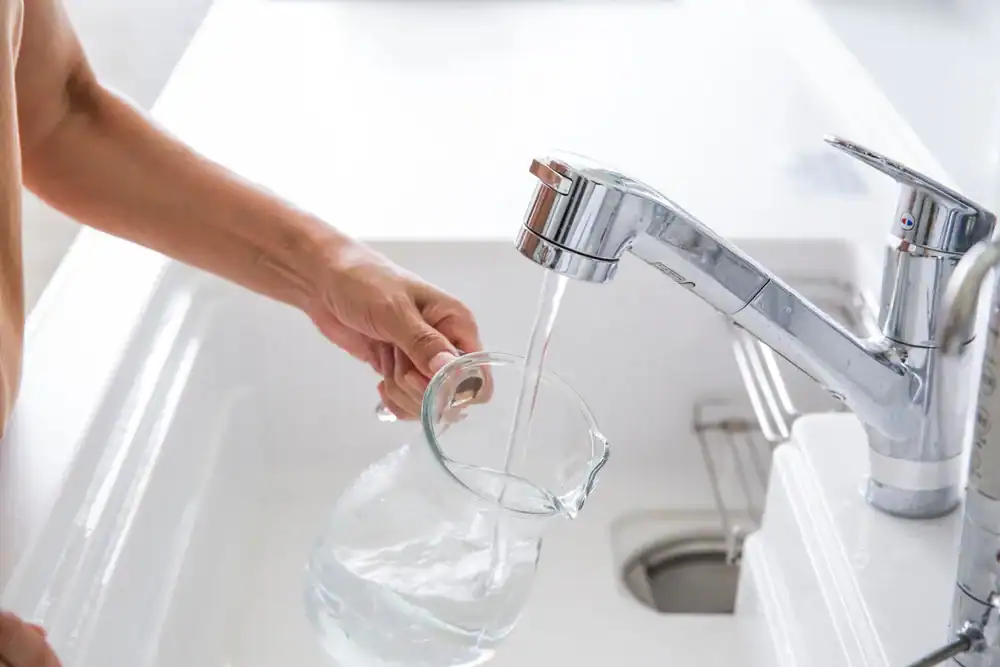
First, we test your water. Not a basic hardness test—a full analysis that shows iron levels, sulfur content, pH, bacteria, and anything else that’s affecting quality. This is free, and it’s the only way to know what you actually need.
Once we know what’s in your water, we design a system around it. If you’ve got iron and sulfur, we’re likely looking at an air injection oxidation system or hydrogen peroxide injection depending on concentration. If bacteria’s present, UV disinfection gets added. If hardness is the main issue, we’ll talk about conditioning options that don’t require salt.
Then we install it. Whole-house systems get plumbed in at the point of entry so every faucet, shower, and appliance gets treated water. Most installations take a day, and you’re using clean water that night.
After that, the system runs on its own. Air injection systems backwash themselves. Hydrogen peroxide systems dose automatically. UV bulbs need changing once a year. You’re not babysitting equipment or adding chemicals every month.
Ready to get started?
Air injection oxidation is the most common system we install in Mandarin Station. It pulls oxygen into the water to oxidize iron and hydrogen sulfide, then filters them out. No chemicals, no salt, minimal maintenance. It handles up to 10-15 ppm of iron and moderate sulfur levels.
When iron or sulfur levels are higher, hydrogen peroxide injection is the better option. It’s a stronger oxidizer and works in conditions where air injection can’t keep up. The system injects a small amount of hydrogen peroxide, lets it react, then filters everything out through catalytic carbon. It also kills bacteria, which makes it a good choice if your water test shows coliform or other microorganisms.
UV disinfection is the final layer if bacteria’s a concern. The water passes through a chamber with a UV bulb that destroys bacteria, viruses, and parasites at the DNA level. It’s chemical-free, EPA-endorsed, and used by municipal water systems across the country. The bulb lasts about a year, and changing it takes five minutes.
Florida well water is hard, but you don’t need a salt-based softener to deal with it. We install salt-free conditioners that prevent scale buildup without adding sodium to your water or requiring electricity. If you do want a traditional softener, we’ll install that too—but most people prefer the low-maintenance option once they hear the difference.

If your water smells like rotten eggs, leaves orange or brown stains, makes your skin feel dry, or has a metallic taste, it needs treatment. Those are the obvious signs. The less obvious ones are scale buildup inside your water heater, premature appliance failure, or laundry that comes out dingy even after washing.
The only way to know for sure is to test it. We do that for free. The test shows iron content, sulfur levels, hardness, pH, and whether bacteria’s present. Florida well water changes over time because groundwater moves and surface conditions affect what seeps down into the aquifer. What tested fine five years ago might not test fine today.
Private wells aren’t regulated by the EPA, so nobody’s checking your water unless you do it yourself. Most people wait until there’s a smell or a stain, but by then you’ve already been drinking whatever’s in there. Testing first means you’re ahead of the problem instead of reacting to it.
Air injection oxidation works by injecting oxygen into your water, which causes iron and hydrogen sulfide to oxidize and turn into particles that can be filtered out. It’s chemical-free, low-maintenance, and handles most residential well water in Florida. If your iron’s under 10-15 ppm and your sulfur isn’t extreme, this is usually the right system.
Hydrogen peroxide injection is stronger. It’s what we use when iron or sulfur levels are high, when pH is low, or when bacteria’s involved. The system injects a diluted hydrogen peroxide solution that oxidizes contaminants more aggressively than air alone. It also disinfects, which air injection doesn’t do. After oxidation, the water runs through a catalytic carbon filter that removes the particles and breaks down any remaining peroxide.
The trade-off is maintenance. Hydrogen peroxide systems need peroxide refills a few times a year, and the carbon media eventually needs replacing. Air injection systems just backwash themselves and keep running. We recommend based on what your water test shows, not based on what’s easier to sell.
Filtration alone won’t remove bacteria reliably—you need disinfection. That’s where UV treatment comes in. A UV system uses ultraviolet light to destroy bacteria, viruses, and parasites by damaging their DNA so they can’t reproduce. It kills E. coli, coliform, giardia, cryptosporidium, and other microorganisms that show up in well water.
The water flows through a chamber with a UV bulb inside. Exposure time is less than a second, but that’s enough to neutralize anything living in the water. There are no chemicals, no taste or odor changes, and no byproducts. The bulb loses effectiveness over time, so it gets changed once a year whether it’s burned out or not.
If your water test shows bacteria, UV disinfection is non-negotiable. You can also pair it with hydrogen peroxide injection, which oxidizes contaminants and provides a secondary disinfection layer. Filtration handles particles, disinfection handles microorganisms. You need both if your well’s been contaminated.
Air injection systems are the lowest maintenance option. They backwash automatically based on water usage or a timer, flushing out captured iron and sulfur. You’re not adding anything or changing anything. Every few years, the media inside the tank might need replacing, but that depends on water quality and how much water you use.
Hydrogen peroxide systems need peroxide refills every few months, depending on your water usage and contamination levels. The peroxide tank has a float that shows when it’s low. Catalytic carbon media lasts several years before it needs replacing. The injection pump is the only mechanical part, and it’s built to run for years without issue.
UV systems need an annual bulb change. The quartz sleeve that protects the bulb should be cleaned at the same time if there’s any buildup. That’s it. Some systems have a monitor that alerts you when the bulb’s losing strength, so you’re not guessing.
Salt-free conditioners have no maintenance. They don’t use electricity, don’t backwash, and don’t need media replacement. Traditional softeners need salt refills and occasional resin cleaning, but that’s standard for any softener.
Most whole-house installations take four to six hours. That includes plumbing the system into your main water line, setting up the backwash drain, wiring any components that need power, and programming the control head. If you’re adding multiple treatment stages—say, iron removal plus UV disinfection plus conditioning—it might take a full day.
We’re not tearing up your house to do this. The equipment goes in your garage, utility room, or wherever your pressure tank and main line are located. We need access to a drain for backwash and a power outlet for the control valve. If your setup is straightforward, installation moves quickly.
After installation, we test the water to make sure everything’s working and the system’s dialed in correctly. You’ll see the difference immediately if iron or sulfur was your main issue. Hardness takes a few days to notice because scale buildup doesn’t disappear overnight, but new scale stops forming right away.
Please provide your email address so that we can stay in touch and answer any questions you have! We will be reaching back out shortly.
"*" indicates required fields