Reach Out Today
Please provide your email address so that we can stay in touch and answer any questions you have! We will be reaching back out shortly.

Hear from Our Customers
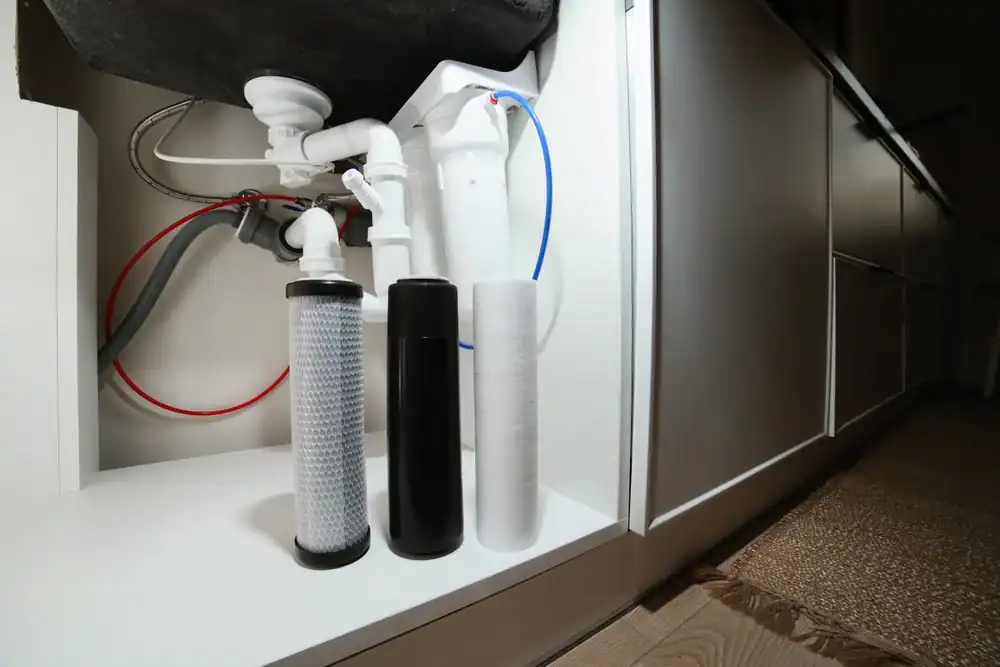
No more rust stains on your sinks or in your laundry. No rotten egg smell when you turn on the shower. No worrying about what’s actually in the water your family drinks and bathes in every day.
That’s what happens when iron, hydrogen sulfide, and bacteria are actually removed from your well water, not just masked. Your plumbing lasts longer. Your appliances run cleaner. Your water heater doesn’t corrode from the inside out.
You stop replacing stained towels and clothing. You stop scrubbing orange buildup off fixtures. And you stop second-guessing whether your water is safe, because you’ll know it is.
We’ve been treating well water across Central Florida since the 1970s. We’re members of the National Water Quality Association, A+ rated with the Better Business Bureau, and we’ve built our reputation on actually servicing what we sell.
That last part matters more than you’d think. A lot of national companies install a system and disappear. We don’t operate that way. If something needs adjusting or servicing down the road, we’re here.
Lowell sits in an area where well water issues are common. The limestone geology in Lake County means sulfur-reducing bacteria thrive in wells, and iron content runs high. We’ve seen it all, and we know exactly how to treat it. If you’re dealing with staining, odor, or concerns about bacteria, you’re not alone, and it’s fixable.
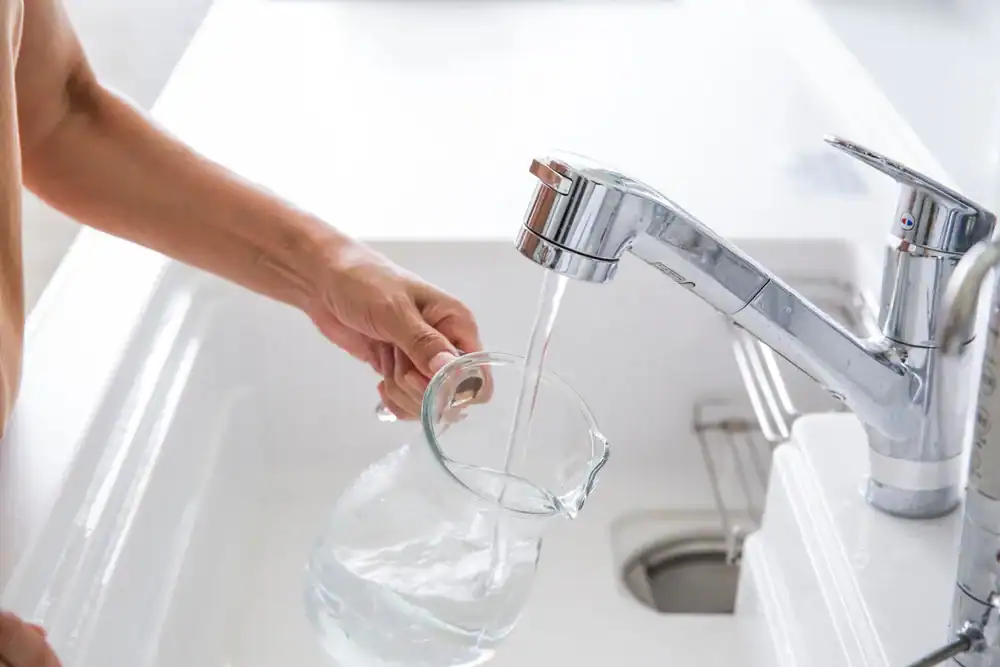
We start with a water test. Not a generic one, a real analysis that tells us what’s in your water and at what levels. Iron, sulfur, bacteria, hardness, pH—we measure it all because the treatment has to match the problem.
Once we know what we’re dealing with, we design a system for your home. That usually means a whole house water filter that treats everything before it reaches any faucet or appliance. Depending on your water, we might use hydrogen peroxide injection to oxidize iron and sulfur, or an air injection oxidation system that’s chemical-free. Both work. The right choice depends on your specific water chemistry.
Installation takes a few hours. We connect the system where water enters your home, walk you through how it works, and make sure everything is running correctly. After that, you’ll notice the difference immediately—clearer water, no smell, no staining. And if you ever need service or have a question, we’re a phone call away.
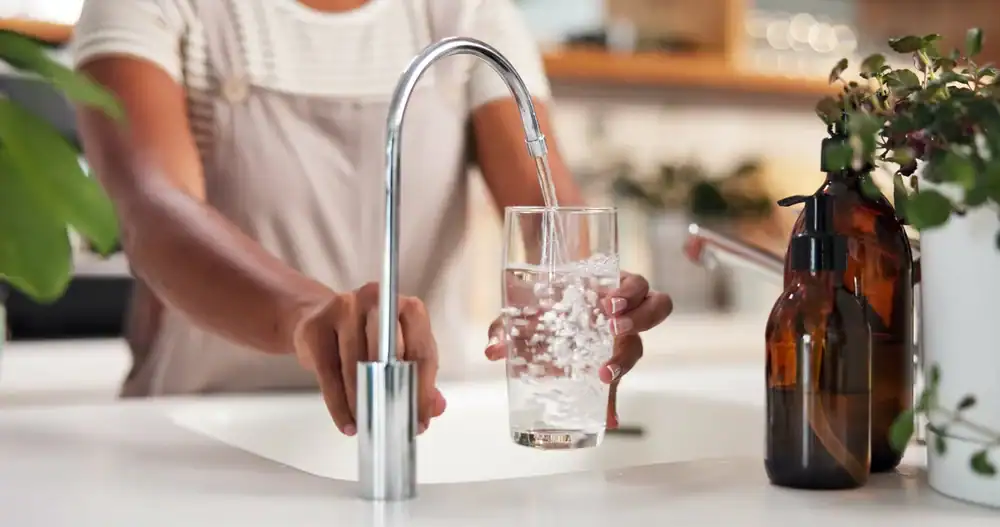
Ready to get started?
Our whole house filtration systems handle iron removal, hydrogen sulfide treatment, and bacteria disinfection all in one setup. We use proven methods like hydrogen peroxide injection and air injection oxidation depending on what your water test shows.
Here’s why that matters for Lowell homeowners: Florida’s limestone-heavy geology creates the perfect environment for sulfur bacteria and high iron content. Over 10% of private wells tested in Florida exceed safety standards for one contaminant or another. If your water smells like rotten eggs or leaves rust stains, you’re dealing with hydrogen sulfide and iron, and both are corrosive to your plumbing over time.
A whole house system protects everything. Your water heater’s anode rod doesn’t break down prematurely. Your fixtures don’t corrode. Your appliances last longer. And you’re not just filtering water at one tap, you’re treating it at the source so every faucet, shower, and appliance gets clean water. That’s the difference between a bandaid and an actual solution.

That smell is hydrogen sulfide gas, and it’s caused by sulfur-reducing bacteria that live in your well or plumbing. Florida’s geology is loaded with sulfur compounds, which gives these bacteria plenty of fuel. They thrive in warm, low-oxygen environments, which is exactly what the inside of a well looks like.
The smell is often worse in hot water because heat releases the gas faster. That’s why your shower might reek even if your cold water seems fine. Beyond the odor, hydrogen sulfide is corrosive. It eats away at copper and brass fixtures, causes black or green stains, and accelerates the breakdown of your water heater.
The good news is it’s treatable. Hydrogen peroxide injection or air injection oxidation systems convert the hydrogen sulfide into elemental sulfur, which then gets filtered out. Once it’s removed, the smell is gone for good.
Iron removal depends on whether you’re dealing with ferrous iron, which is dissolved and invisible, or ferric iron, which has already oxidized and shows up as rust-colored particles. Most well water in Lowell has ferrous iron, so the first step is oxidation.
We use either hydrogen peroxide injection or air injection to oxidize the iron. Once it’s oxidized, it becomes a solid particle that can be filtered out with a catalytic carbon filter. The system backwashes regularly to flush out the collected iron so it doesn’t build up.
This approach works for high iron content and handles manganese at the same time if that’s also present in your water. The result is clear water with no staining, and your plumbing stays protected from the corrosive effects of dissolved iron.
It depends on your water hardness. A filtration system removes contaminants like iron, sulfur, and bacteria, but it doesn’t address hardness, which is caused by dissolved calcium and magnesium. If your water leaves white scale buildup on fixtures or makes soap hard to rinse off, you have hard water.
Hard water is extremely common in Florida. It shortens the life of your water heater, clogs pipes over time, and makes cleaning harder. A water softener uses ion exchange to remove the minerals that cause hardness, and it works alongside your filtration system, not instead of it.
We test for hardness during the initial water analysis. If your water is hard, we’ll recommend a softener in addition to the filtration system. If it’s not, you won’t need one. The goal is to treat what’s actually in your water, not sell you equipment you don’t need.
Most systems need minimal maintenance if they’re sized correctly for your water and household. Air injection systems are nearly maintenance-free because they don’t use chemicals. Hydrogen peroxide systems require refilling the peroxide tank, usually every few months depending on your water usage.
The filter itself backwashes automatically to clean out collected iron, sulfur, and sediment. You don’t have to do anything for that to happen. Once a year, it’s smart to have the system checked to make sure everything is running efficiently and to test your water again to confirm the treatment is still dialed in.
We service everything we install, and we also service systems from other brands if you’ve inherited one with a home purchase or need repairs. A lot of companies don’t offer that. We do, because a system that’s not maintained stops working, and that defeats the whole purpose.
If the system is designed correctly for your specific contaminants, yes. The key is knowing what’s in your water to begin with. That’s why we start with a comprehensive water test that checks for bacteria, nitrate, iron, sulfur, pH, hardness, and other common well water issues.
Well water filtration removes the contaminants that make water unsafe or unpleasant. Iron and sulfur affect taste and cause damage, but they’re not the main health concern. Bacteria and nitrate are. If your water tests positive for coliform bacteria or high nitrate levels, those need to be addressed with disinfection, usually through UV treatment or chlorination in addition to filtration.
The Florida Department of Health recommends testing your well water at least once a year for bacteria and nitrate. We include that testing as part of our process, and we design the treatment system to handle whatever shows up. Once it’s installed and working, your water is safe to drink, cook with, and bathe in.
Please provide your email address so that we can stay in touch and answer any questions you have! We will be reaching back out shortly.
"*" indicates required fields