Reach Out Today
Please provide your email address so that we can stay in touch and answer any questions you have! We will be reaching back out shortly.

Hear from Our Customers
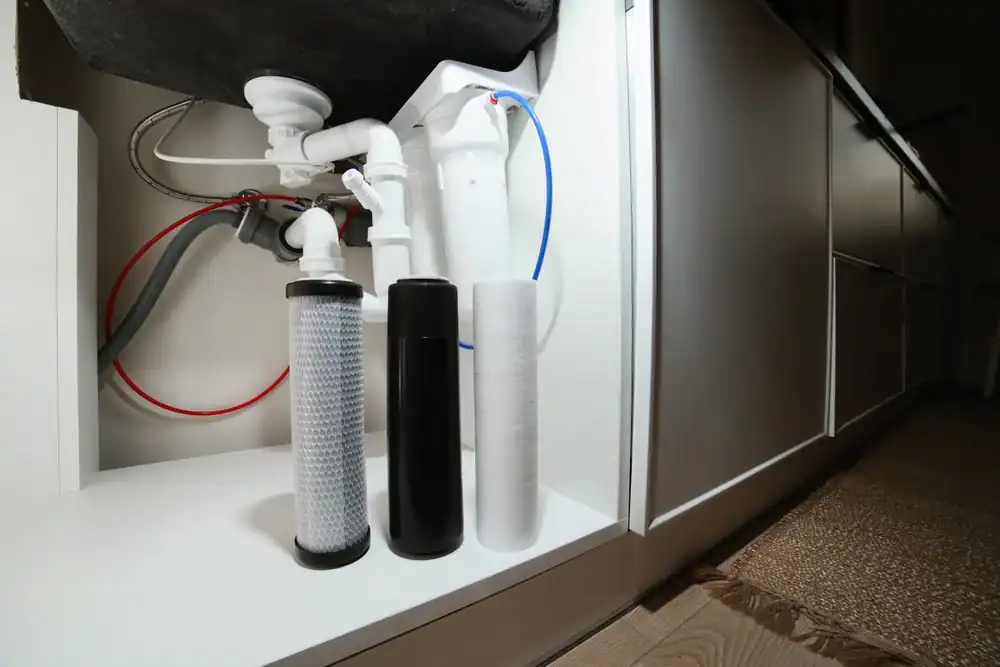
You turn on the shower and immediately smell it. That rotten egg odor that gets worse when the water heats up. Your toilets have orange rings that won’t scrub off. Your white laundry comes out with rust-colored stains. And you’re spending over a hundred bucks a month on bottled water because you refuse to drink what’s coming from your tap.
Lake Weir sits right on top of Florida’s limestone aquifer system. That geology creates the perfect conditions for hydrogen sulfide bacteria and iron to thrive in your well water. The warmer the climate, the faster bacteria grows. The more limestone, the more dissolved minerals end up in your water.
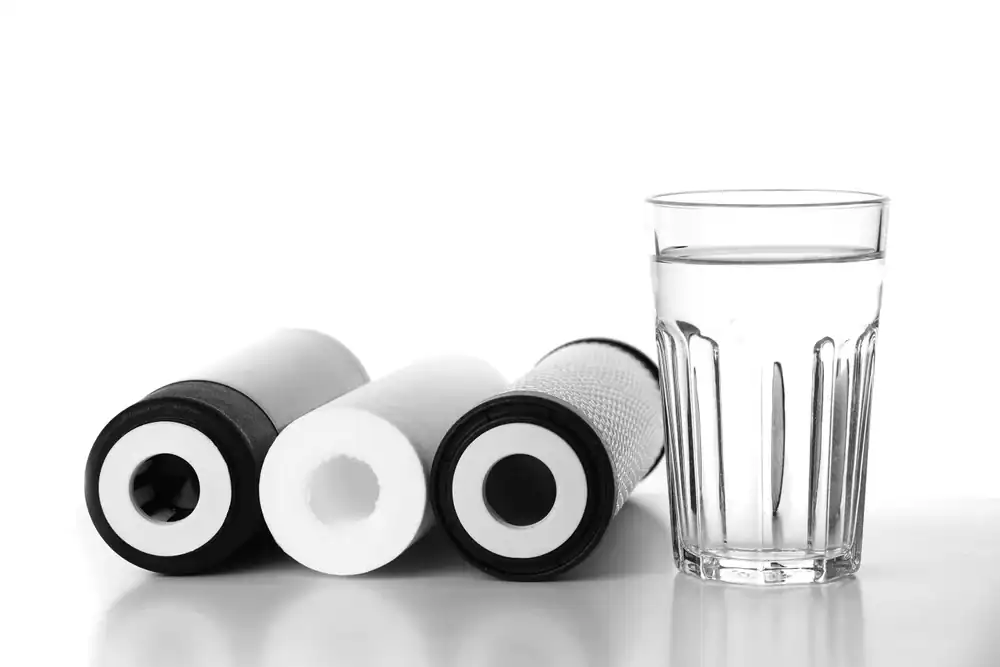
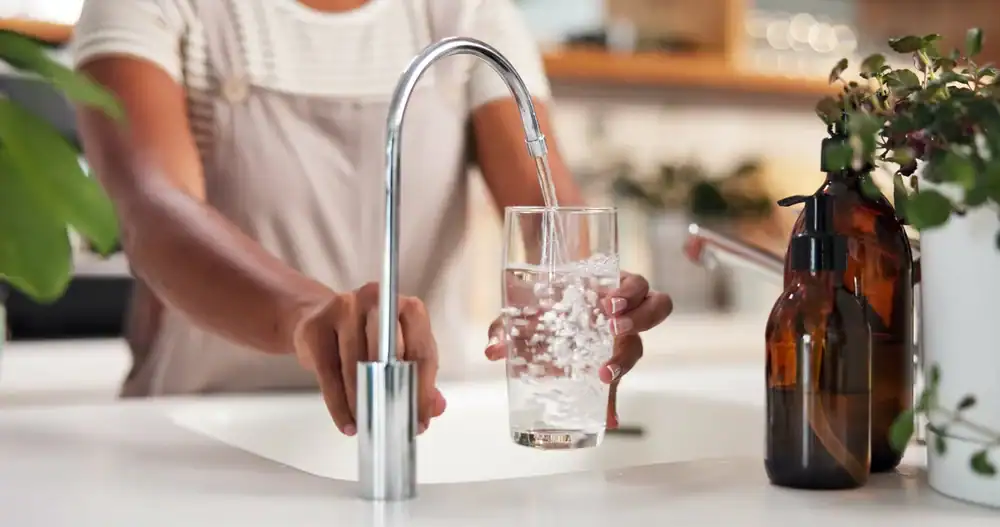
Whole house well water filtration treats the water before it reaches any faucet, shower, or appliance in your home. You get water that doesn’t smell, doesn’t stain, and doesn’t corrode your plumbing. Your fixtures last longer. Your appliances run better. And you stop buying bottled water every week.
We focus exclusively on water purification, softening, and filtration for Central Florida homeowners. We’re not plumbers who dabble in water treatment. We’re water treatment specialists who understand exactly what Lake Weir’s geology does to well water.
We hold an A+ rating with the Better Business Bureau with five stars and zero complaints. We’re members of the National Water Quality Association, which means we follow professional standards and stay current on treatment technology. And we actually service what we sell, which apparently isn’t standard practice with some of the national companies operating in this area.
If you’re military or a first responder, we offer a $500 discount. We also support the Tunnels to Towers Foundation because we believe in giving back to the people who serve our communities.
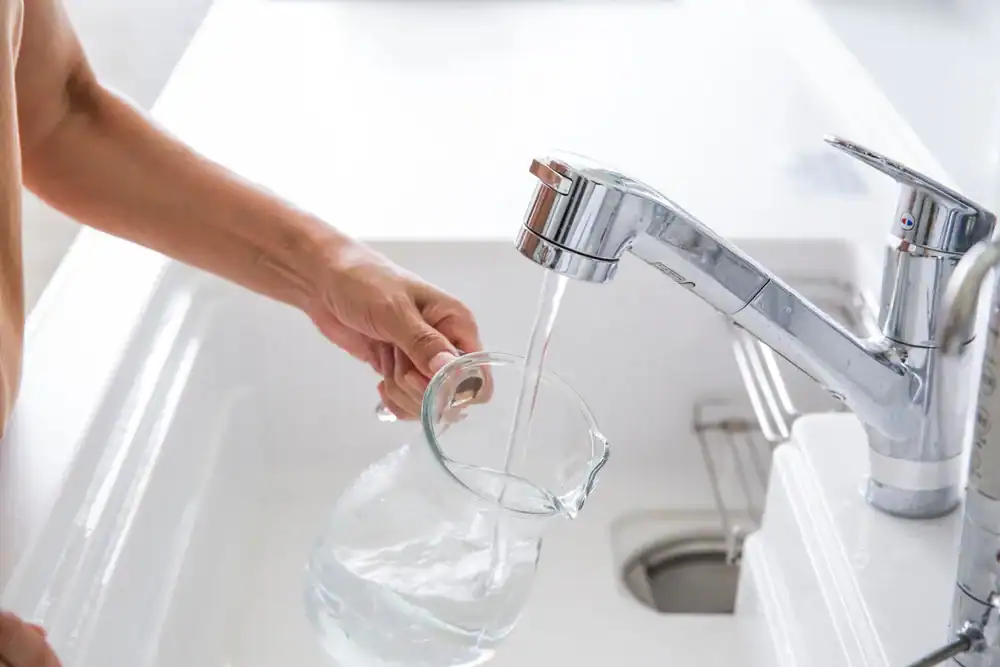
We start with water testing to identify exactly what’s in your well water. Iron, sulfur, bacteria, hardness, pH—everything that affects how your water smells, tastes, and performs. You can’t treat what you don’t test for.
Once we know what we’re dealing with, we recommend the right treatment system for your specific water chemistry. That might be hydrogen peroxide injection for sulfur and bacteria. Air injection oxidation for iron removal. A combination approach for multiple contaminants. Every well is different, so every system should be too.
Installation happens at your point of entry, treating water before it reaches your home. We handle permits, equipment, and setup. Most installations take a day. After that, you’re getting filtered water from every tap, shower, and appliance.
We also handle ongoing maintenance and service. Filters need changing. Systems need occasional adjustments. We stay involved after installation because water chemistry can shift, especially after heavy rain or if your well sits unused for a while.
Ready to get started?
Hydrogen sulfide treatment eliminates that rotten egg smell that makes your showers unbearable. We use hydrogen peroxide injection or air injection oxidation depending on your water chemistry. Both methods oxidize the sulfur so it can be filtered out before reaching your taps.
Iron removal systems stop the orange staining that ruins your fixtures, laundry, and toilets. Iron bacteria doesn’t just stain—it creates sludge that corrodes pipes and restricts water flow. Left untreated, it damages your plumbing and shortens your water heater’s lifespan.
Well water bacteria disinfection protects your household from harmful microorganisms that thrive in warm, oxygen-poor well environments. Florida’s climate accelerates bacterial growth, especially during summer months and after heavy rainfall when surface water can infiltrate your well.
Lake Weir homeowners deal with all three issues because of the area’s limestone geology and warm groundwater temperatures. Your well water needs treatment designed specifically for Central Florida conditions, not a one-size-fits-all system that works everywhere and excels nowhere.

If your water smells like rotten eggs, leaves orange or brown stains, or tastes metallic, you need filtration. Those are the obvious signs.
The less obvious signs include your water heater failing earlier than expected, your plumbing fixtures corroding faster than they should, or your laundry coming out dingy even after washing. Hydrogen sulfide and iron bacteria don’t just affect what you see and smell—they actively damage your plumbing system and appliances.
Most Lake Weir wells have at least one of these issues because of the area’s geology. The limestone aquifer dissolves minerals into your groundwater. The warm climate creates ideal conditions for bacteria. Even if your water looks clear, you could have elevated iron or sulfur that hasn’t oxidized yet. Professional water testing identifies exactly what’s present and at what levels, so you know what you’re dealing with before deciding on treatment.
Both methods treat iron and sulfur, but they work differently and suit different water conditions.
Hydrogen peroxide injection adds a small amount of peroxide to your water, which oxidizes iron and sulfur so they can be filtered out. It’s effective for higher contamination levels and also disinfects bacteria. The system requires periodic peroxide refills, but it handles tough water chemistry that other methods struggle with.
Air injection oxidation pulls oxygen into your water through a specialized tank. The oxygen oxidizes iron and sulfur naturally without chemicals. It works well for moderate contamination levels and requires less maintenance since you’re not refilling anything. However, it’s less effective against bacteria and may not handle severe sulfur problems as thoroughly as peroxide.
Which one you need depends on your water test results. If you have high sulfur and bacteria concerns, peroxide usually performs better. If you’re mainly dealing with iron and moderate sulfur, air injection might be the simpler solution.
The main system components typically last 10 to 15 years with proper maintenance. But that lifespan depends entirely on how well you maintain it and how hard your system works.
Filters and media beds need replacement on a schedule—usually every 6 to 12 months for filters, every 5 to 7 years for media, depending on your water volume and contamination levels. If you skip maintenance, your system stops performing and components wear out faster. Iron buildup can clog media beds. Bacteria can colonize filters. Neglect turns a 15-year system into a 7-year system.
Your water chemistry also matters. Wells with severe iron or sulfur work the system harder, which means more frequent media replacement. Seasonal changes affect performance too—Florida’s rainy season can temporarily increase contamination levels, putting extra demand on your filtration.
Regular service visits catch small issues before they become expensive problems. We check system pressure, inspect media beds, test water quality, and replace filters on schedule. That ongoing attention is what gets you to year 15 instead of year 8.
It can, especially in areas where well water quality is a known concern. Buyers ask about water treatment during home tours more than they used to.
A whole house filtration system signals that the home’s water is handled. Buyers don’t have to worry about installing their own system or dealing with sulfur smell and iron stains after moving in. That peace of mind has value, particularly for buyers relocating from areas with municipal water who aren’t familiar with well maintenance.
The bigger value is in what the system prevents. Untreated iron and sulfur damage plumbing, corrode fixtures, and shorten appliance lifespans. A water heater that should last 12 years might fail in 6 without treatment. Copper pipes develop pinhole leaks. Faucets and showerheads corrode. Those repair costs add up fast, and buyers doing their homework know that.
You might not recoup the full installation cost in resale value, but you protect your investment and make your home more attractive to informed buyers. And while you own the home, you get the daily benefit of water that doesn’t smell, stain, or damage your property.
Usually, no. Most whole house filtration systems don’t require permits in Lake County because they’re not altering your well structure or plumbing configuration. You’re adding treatment equipment at the point of entry, which typically falls outside permit requirements.
However, if installation involves significant plumbing modifications or electrical work beyond standard connections, you might need permits for those specific aspects. Every property is slightly different, and local code enforcement has final say.
We handle permit research and applications if your installation requires them. That’s part of the service. You shouldn’t have to navigate county offices and code requirements on your own. We know what Lake County requires, what documentation they want, and how long approvals take.
The bigger concern isn’t permits—it’s making sure your system is installed correctly according to manufacturer specifications and industry standards. Poor installation causes more problems than skipping a permit ever would. Improper sizing, incorrect media selection, or faulty connections lead to system failure and water quality issues that defeat the entire purpose of filtration.
Please provide your email address so that we can stay in touch and answer any questions you have! We will be reaching back out shortly.
"*" indicates required fields