Reach Out Today
Please provide your email address so that we can stay in touch and answer any questions you have! We will be reaching back out shortly.

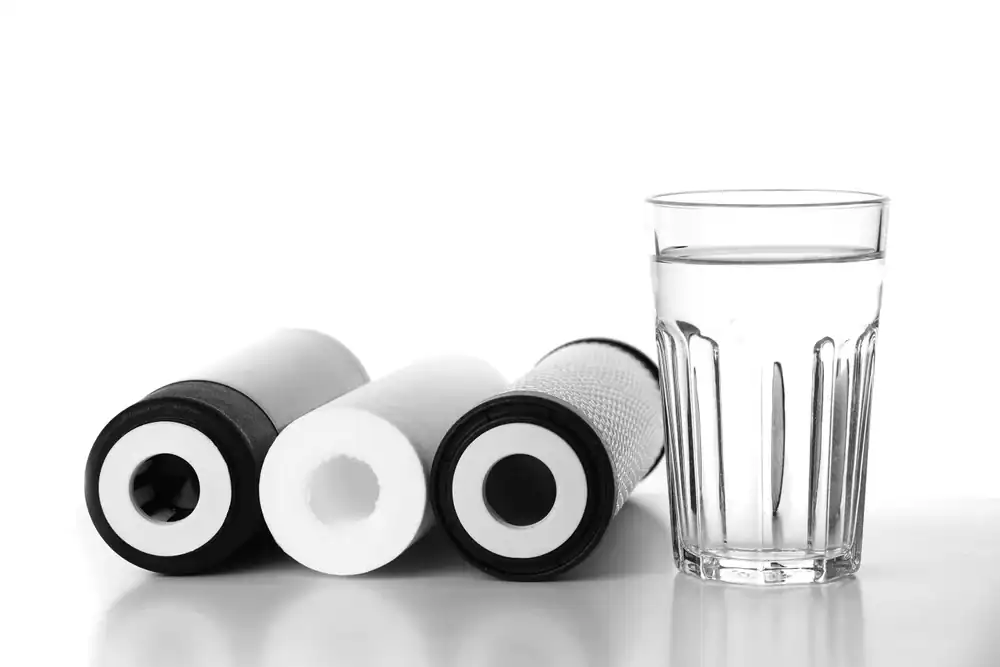
Hear from Our Customers
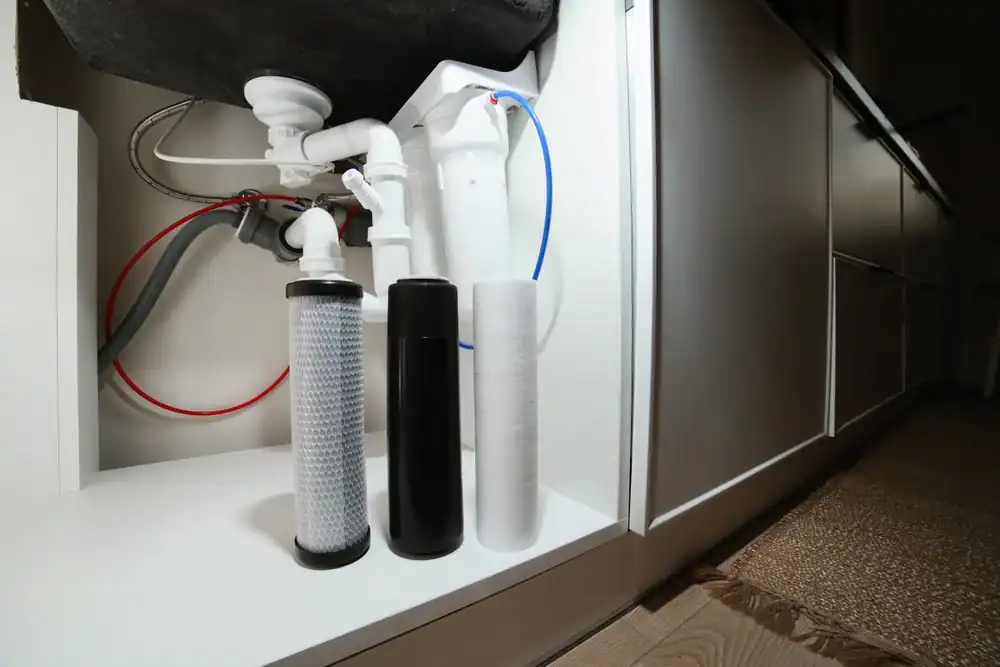
You stop buying bottled water because your tap finally tastes normal. The orange rings around your sinks and toilets disappear. Your laundry comes out white instead of rust-stained.
The rotten egg smell that hits you every time you turn on the shower is gone. Your appliances last longer because they’re not getting eaten away by hydrogen sulfide. Your plumbing stops corroding from the inside out.
This isn’t about making water “better.” It’s about making it safe, clean, and usable again. Most Lake Kerr homeowners deal with iron, sulfur, or bacteria in their well water because of Florida’s limestone geology. The aquifer that feeds your well dissolves minerals and creates the perfect environment for sulfur-reducing bacteria to thrive.
A whole-house water filtration system treats everything before it reaches any faucet, shower, or appliance. You’re not just fixing one tap. You’re protecting your entire home.
We’ve been treating Florida well water since before most national companies existed. We’re A-rated by the Better Business Bureau and members of the National Water Quality Association, which means we follow third-party standards, not just our own.
We service what we sell. That matters more than you’d think, because plenty of companies install systems and disappear when something needs adjustment or repair.
Lake Kerr sits on the same limestone aquifer system as the rest of Central Florida, which means your well water has specific challenges. Iron that looks clear coming out of the ground but stains everything it touches. Hydrogen sulfide that smells like rotten eggs and corrodes your plumbing. Bacteria that thrive in warm, oxygen-poor groundwater.
We’ve seen it all, and we know what actually works here. Not generic solutions that fail in Florida’s conditions, but systems designed for the water you’re dealing with.
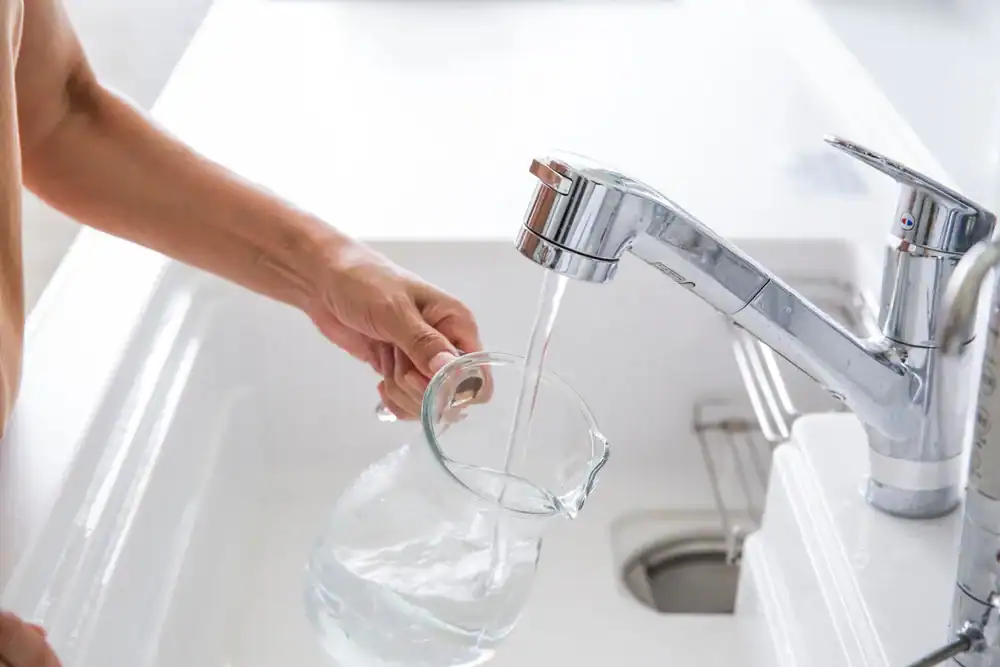
First, we test your water to see exactly what’s in it. Iron, sulfur, bacteria, sediment—whatever’s causing your problems shows up in the lab results. That tells us which treatment method will actually work for your specific situation.
Then we design a system based on those results. If you’ve got iron, we might use air injection oxidation to convert dissolved iron into particles that can be filtered out. For hydrogen sulfide and bacteria, hydrogen peroxide injection kills what’s causing the smell and contamination. Every system is different because every well is different.
We install the treatment system at your main water line, before water reaches your house. That means every faucet, shower, toilet, and appliance gets treated water. You’re not dealing with individual filters on each tap.
After installation, the system runs automatically. You’re not adding chemicals or changing filters every week. Most systems need minimal maintenance, and we handle service calls for any brand, not just what we install.
The whole process takes a day or two depending on your setup. You’ll know it’s working when the smell is gone, the stains stop appearing, and your water tastes normal again.
Ready to get started?
Iron removal systems use oxidation to turn dissolved iron into solid particles your filter can catch. Air injection oxidation is common because it doesn’t require chemicals—just oxygen and a filtration tank. You stop getting orange stains on everything white in your house.
Hydrogen sulfide treatment eliminates the rotten egg smell that comes from sulfur-reducing bacteria in Florida’s warm groundwater. Hydrogen peroxide injection oxidizes the sulfide and kills the bacteria causing it. Your water stops smelling like you’re living next to a swamp.
Well water bacteria disinfection removes contamination that enters through surface water or exists naturally in oxygen-depleted underground environments. This isn’t just about smell—it’s about safety. Bacteria create conditions where more harmful organisms can flourish.
Sediment filtration catches the rust-colored sludge that iron bacteria produce. That sludge corrodes pipes and restricts water flow, which means lower water pressure and expensive plumbing repairs if you ignore it long enough.
Most Lake Kerr homes need a combination approach because you’re rarely dealing with just one issue. The limestone aquifer that feeds your well creates multiple problems at once. A properly designed system addresses all of them, not just the most obvious one.

The smell comes from hydrogen sulfide gas produced by sulfur-reducing bacteria in your well or water heater. You notice it more when water sits unused for several hours because the bacteria have time to multiply in low-oxygen environments.
If the smell only happens with hot water, the problem is likely in your water heater, where bacteria thrive in the warm, oxygen-poor tank. If it happens with both hot and cold water, the bacteria are in your well itself.
Heavy rain can make the problem worse by introducing more organic material into your well, which feeds the bacteria. Wells that sit unused for a while also tend to smell worse when you first turn them back on. The bacteria don’t go away on their own—they need to be treated with oxidation or disinfection systems that kill them at the source.
No. Water softeners are designed to remove hardness minerals like calcium and magnesium, not iron or sulfur. If you run water with high iron content through a standard softener, you’ll just clog the resin bed and ruin the system.
Iron needs oxidation before it can be filtered out. That means using air injection, hydrogen peroxide, or another oxidizing method to convert dissolved iron into solid particles. Then a filter catches those particles before they reach your house.
Sulfur requires a different approach entirely—usually hydrogen peroxide injection or a specialized filter media that removes hydrogen sulfide gas. Some homeowners need both a treatment system for iron and sulfur plus a water softener for hardness. They’re separate problems that require separate solutions, even though they often exist in the same well.
Most systems need a filter change or media replacement once or twice a year, depending on your water quality and household usage. If your water has high iron or sediment, you might need more frequent filter changes because the system is catching more contaminants.
Hydrogen peroxide injection systems need peroxide refills every few months, but that’s a simple process—similar to refilling a salt tank on a water softener. Air injection systems require even less maintenance because they don’t use chemicals at all.
The biggest maintenance mistake homeowners make is ignoring their system until something stops working. Annual inspections catch small issues before they become expensive problems. We service all brands of water treatment equipment, so even if you didn’t buy your system from us, we can keep it running properly. Regular maintenance extends the life of your system and keeps your water quality consistent.
Whole-house systems treat water at your main line before it enters your home. Every tap, shower, toilet, and appliance gets filtered water. Point-of-use filters only treat water at one specific location, like a kitchen sink or refrigerator.
If you’ve got iron, sulfur, or bacteria in your well water, point-of-use filters won’t solve the problem. You’ll still get stains in your bathrooms, corroded plumbing, and damage to your washing machine and water heater. You’re only filtering the water you drink, not the water that’s destroying your home.
Whole-house filtration protects your entire plumbing system and all your appliances. It’s a bigger upfront investment, but it prevents the ongoing damage that costs thousands in repairs. Point-of-use filters make sense for additional treatment after whole-house filtration—like reverse osmosis under your kitchen sink for drinking water. But they’re not a replacement for treating the water at the source.
Most installations take one to two days depending on your current plumbing setup and which type of system you need. We’re installing equipment at your main water line and potentially adding holding tanks, so it’s not a quick swap like changing a faucet filter.
You’ll have water during most of the installation, but there will be periods where we need to shut it off to connect the new system. We’ll let you know the schedule ahead of time so you can plan accordingly.
The timeline also depends on whether you need multiple treatment stages. A home with iron, sulfur, and bacteria might need oxidation, filtration, and disinfection systems working together. That takes longer to install than a single-stage filter. But once it’s done, you’re not dealing with ongoing installation appointments or constant adjustments. The system runs on its own, and you get clean water from every tap in your house.
Please provide your email address so that we can stay in touch and answer any questions you have! We will be reaching back out shortly.
"*" indicates required fields