Reach Out Today
Please provide your email address so that we can stay in touch and answer any questions you have! We will be reaching back out shortly.


Hear from Our Customers
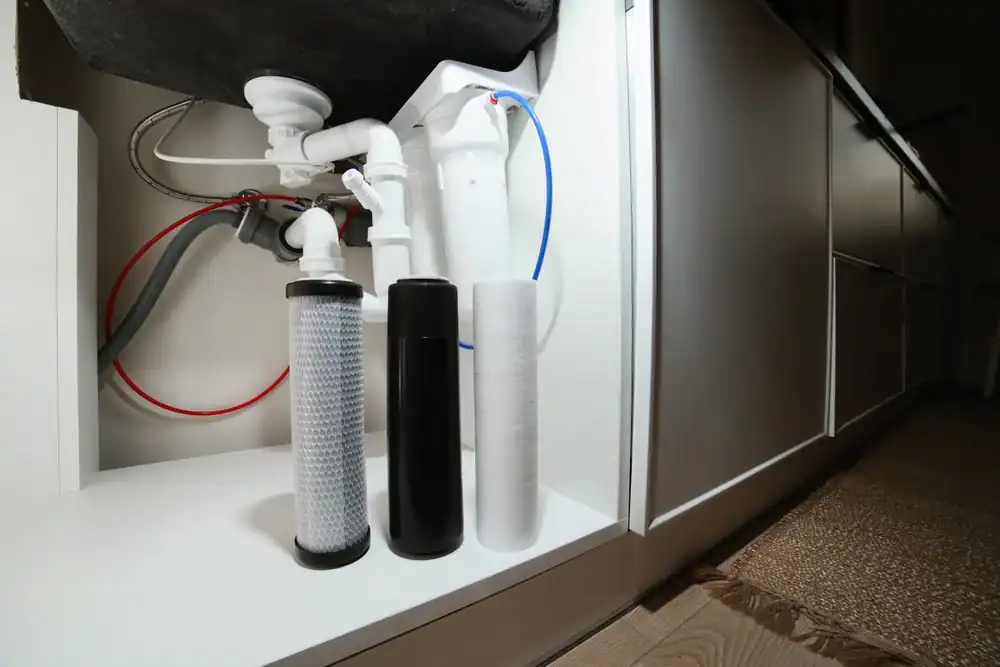
If you’ve noticed white scale building up on your faucets, a faint sulfur smell in the morning, or orange staining around your toilet base, that’s the Floridan Aquifer doing what it does — pushing calcium, magnesium, iron, and manganese straight through your pipes and into your home. It’s not a Villages-specific secret. Every utility serving this community draws from the same limestone groundwater source, and treating it at the plant doesn’t remove the hardness or the mineral load that causes the damage you’re seeing.
For a home in Lake Deaton — where the median sale price is pushing $660,000 and most of the housing stock was built around 2014 — that’s a decade of hard water running through your water heater, dishwasher, and washing machine. Scale buildup shortens appliance life significantly. It’s not dramatic, it’s just slow and expensive. A properly sized whole-house filtration system stops that process at the point of entry, so every tap, every appliance, and every fixture gets treated water from the moment it enters your home.
Beyond the appliances, there’s the daily quality-of-life difference. Water that doesn’t smell. Dishes that don’t come out cloudy. Laundry that actually stays white. Shower glass that doesn’t need weekly scrubbing. If your home has a private well or irrigation well drawing directly from the aquifer — which is common in the surrounding unincorporated parts of Sumter County — the iron removal and sulfur smell treatment components of a whole-house system make an even more immediate difference. The rotten egg smell that gets worse every summer isn’t something you should have to live with.
Quality Safe Water of Florida has been treating Florida water for more than 50 years. That’s not a number we throw around lightly — it means we’ve been working with Floridan Aquifer chemistry, Sumter County groundwater, and Central Florida’s specific mineral profile longer than most of our competitors have been in business. We’re not a national franchise. We’re not a call center. We’re a Florida-based water treatment company with a direct line, a real service team, and a track record you can verify before you ever pick up the phone.
Our A+ BBB rating comes with something most companies in this industry can’t say: zero complaints on record. In a market where the Florida Attorney General has pursued enforcement actions against water treatment companies using false health claims and pressure tactics, that distinction matters. We’re also members of the National Water Quality Association, which holds us to a professional code of ethics that most providers in this area haven’t chosen to meet.
We serve the Central Florida region — including Lake Deaton, the broader Villages community, and Sumter County — and every job starts the same way: a free water analysis, no obligation, no pressure. We find out what’s actually in your water before we recommend anything.
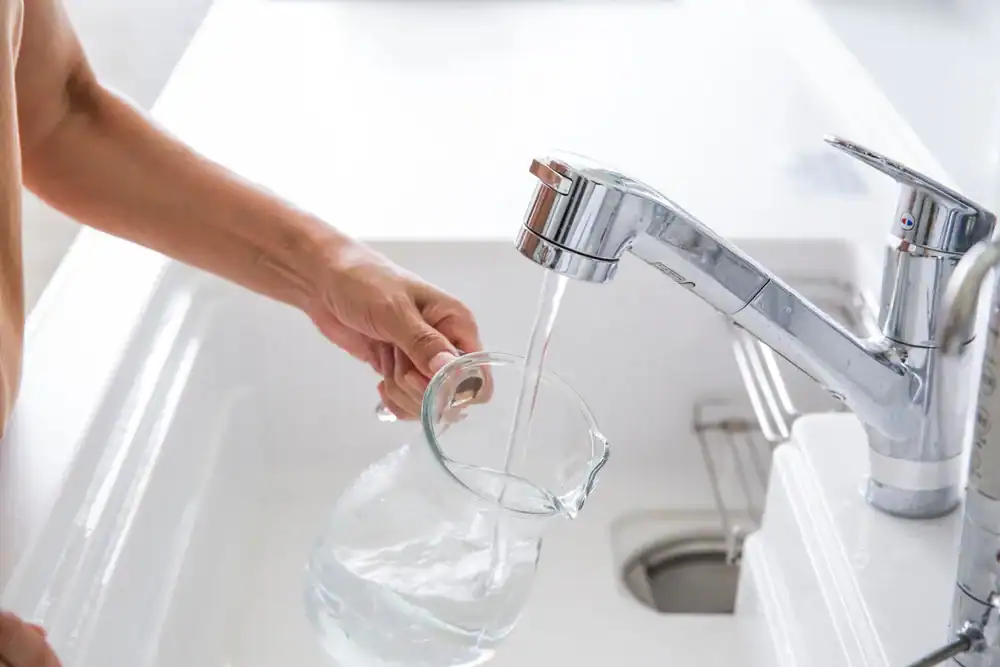
It starts with a free water analysis. We come to your home in Lake Deaton, off SR-44, or anywhere else in the surrounding area, test your water on-site, and give you a clear picture of what’s in it. Not a sales demo. Not a dye-drop trick. A real analysis that identifies your specific contaminants — hardness, iron, manganese, hydrogen sulfide, bacteria, disinfection byproducts — and the concentrations we’re working with. If your water is fine, we’ll tell you.
If it needs treatment, we design a system around your actual results. Every home in this community is a little different. A home on the CDD municipal system through Central Sumter Utility has different treatment needs than a property with a private well drawing directly from the aquifer. We account for that. We size the system to your household’s water usage, your specific water chemistry, and the infrastructure of your home — not a one-size-fits-all package pulled off a shelf.
Installation happens in a single day. Our technician installs the whole-house system at your point of entry, tests it, walks you through how it works, and leaves. By the time you’re heading out for the evening, your water is already treated. We also stay reachable after the job — filter changes, service checks, and any follow-up questions are handled by the same team that installed the system, not a national customer service line.

Ready to get started?
Whole-house well water filtration isn’t a single product — it’s a combination of treatment stages designed to address your water’s specific problem profile. For most homes in the Lake Deaton area, that means starting with water softening to address the hardness coming off the Floridan Aquifer limestone. Hard water at the levels common in Sumter County — elevated calcium and magnesium — is the primary driver of scale buildup, appliance wear, and that persistent film on your shower glass and faucets.
If your water has iron, we add an iron removal stage. Dissolved ferrous iron is what causes the orange staining on your toilet, your sink basin, your driveway, and your laundry. It’s also what clogs irrigation heads and turns white clothes a faint yellow-orange over time. If hydrogen sulfide is present — the source of that rotten egg smell that tends to worsen during Sumter County’s hot, humid summers when groundwater temperatures peak — we treat that with an air injection oxidation system that eliminates the odor at the source rather than masking it.
For homes with private wells, bacterial filtration through UV disinfection is often part of the solution as well. Florida’s karst geology and shallow water table mean that heavy rainfall events — and there are plenty of those throughout the county from June through September — can introduce surface contamination into the aquifer. A UV system neutralizes bacteria and other biological contaminants without adding chemicals to your water. Manganese reduction, reverse osmosis for drinking water, and whole-house carbon filtration for disinfection byproducts are additional stages we incorporate when your water test calls for them. The system you get is the system your water actually needs.

For most homes in Lake Deaton, the short answer is yes — and the reason comes down to the source. Every utility serving The Villages draws from the Floridan Aquifer, which runs through porous limestone and picks up dissolved calcium, magnesium, iron, and manganese along the way. The treatment applied at the plant handles bacteria and microbial concerns, but it doesn’t remove hardness or the mineral load that causes scale on your fixtures, buildup in your water heater, and that slightly flat or mineral taste at the tap.
Independent water quality data for the utility systems serving the Lake Deaton area has flagged concerns including haloacetic acids and total trihalomethanes, which are disinfection byproducts that form when chlorine is added to groundwater with organic matter present. These aren’t alarming at low levels, but they are a real and documented part of the water chemistry in this area. A whole-house carbon filtration system addresses them directly. If you’re on a private well, the case for filtration is even more straightforward — you’re drawing untreated aquifer water with no plant treatment between the ground and your glass.
That smell is hydrogen sulfide gas, and it’s one of the most common complaints from well water users in Sumter County and throughout Central Florida. It forms naturally when sulfur-reducing bacteria in the aquifer break down organic material in the absence of oxygen. The smell is more noticeable in warm weather — and in a place like Lake Deaton where groundwater temperatures stay elevated for most of the year, it can be a persistent problem rather than a seasonal one.
The good news is that it’s completely fixable. An air injection oxidation system introduces oxygen into the water before it enters your home, which oxidizes the hydrogen sulfide gas and converts it into a form that can be filtered out. The result is water that has no sulfur odor at any tap in the house. This isn’t a filter that masks the smell — it eliminates the chemical reaction that produces it. After a free water analysis confirms hydrogen sulfide is present and identifies the concentration, we size the system appropriately so it handles your specific load without over-engineering the solution.
Hard water deposits dissolved minerals — primarily calcium and magnesium — on every surface it contacts. Inside a water heater, that mineral scale accumulates on the heating element and the tank walls, reducing efficiency and eventually causing premature failure. The U.S. Department of Energy has documented that scale buildup from hard water can reduce water heater efficiency by up to 48% and significantly shorten the appliance’s lifespan. Dishwashers, washing machines, and refrigerator water lines experience similar effects.
For homes in Lake Deaton built around 2014, that’s roughly a decade of hard water exposure on appliances that were installed new. If you haven’t replaced your water heater yet, there’s a reasonable chance scale has already accumulated inside it. A water softener installed at the point of entry stops new scale from forming and, over time, the naturally softened water can actually help dissolve existing light scale deposits in your pipes and fixtures. Given the home values in this neighborhood — many in the $600,000 to $1.5 million range — protecting the mechanical systems inside your home is a straightforward investment decision.
Private wells in Sumter County draw directly from the Floridan Aquifer, which means no treatment plant stands between the groundwater and your tap. The most commonly found issues in this area are elevated iron, hydrogen sulfide, manganese, hardness, and — particularly after heavy rainfall events — bacterial contamination. Florida’s karst geology is porous, which means surface water and contaminants can move through the limestone relatively quickly and reach the aquifer during significant storms. The June-through-September rainy season in Sumter County brings repeated heavy downpours that increase this risk.
Iron shows up as orange staining on your toilet, sink, and laundry. Manganese causes darker brown or black staining and has health implications at elevated concentrations. Bacteria — including coliform — require UV disinfection or chemical treatment to address safely. The only way to know exactly what’s in your specific well is to test it. That’s why we start every job with a free water analysis rather than recommending a system based on what’s typical for the area. Your well’s depth, location, and the geology directly beneath your property all affect what you’re actually dealing with.
A whole-house water filtration system installs in a single day — typically within a few hours for most residential configurations. You don’t need to clear your schedule or cancel your plans. Our technician arrives, installs the system at your home’s point of entry, tests the water output to confirm the system is performing correctly, and walks you through the basics of how it operates and what maintenance it will need down the road.
The installation doesn’t require any major construction or extended disruption to your home. The most common setup involves connecting the treatment system to your main water line where it enters the house, which is a clean, contained process. If your home has a private well, the system is typically installed between the pressure tank and your interior plumbing. We handle all of this within the scope of the job — no separate plumber needed, no follow-up visits to finish what we started. When we leave, your water is already running through the system.
Please provide your email address so that we can stay in touch and answer any questions you have! We will be reaching back out shortly.
"*" indicates required fields
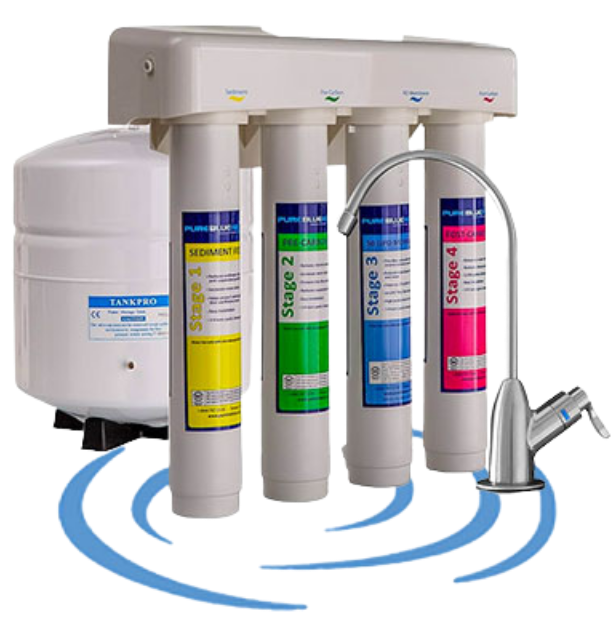
Get a free reverse osmosis drinking water system with the purchase of any whole-home water purification system.
*Cannot be combined with other offers. Mention this special when you call.