Reach Out Today
Please provide your email address so that we can stay in touch and answer any questions you have! We will be reaching back out shortly.

Hear from Our Customers
Your guests stop noticing that smell the second they walk in. You stop scrubbing orange rings that won’t come out. Your water heater lasts years longer because it’s not fighting iron buildup every day.
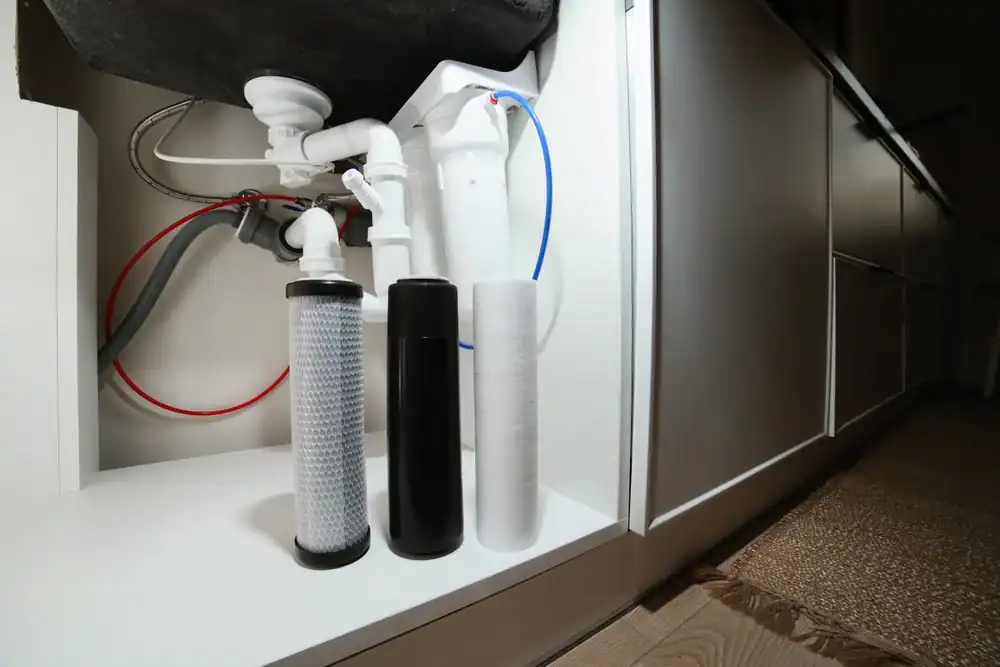
That’s what happens when your well water filtration system is designed around what’s actually in your water—not some one-size-fits-all box from a national company that doesn’t know Lake Copeland’s geology. Iron, sulfur, and bacteria don’t respond to generic filters. They need oxidation, proper filtration stages, and sometimes UV disinfection depending on what your water test shows.
You’re not just masking the problem. You’re removing it at the source so your appliances, your plumbing, and your family’s health aren’t constantly under attack from contaminated water.
We’ve spent over 50 years solving the exact water problems Lake Copeland homeowners deal with daily. We’re A-rated with the Better Business Bureau and members of the National Water Quality Association—not because we paid for a plaque, but because we actually service what we sell.
Lake Copeland sits on limestone geology loaded with sulfur compounds. That’s why so many wells here deal with hydrogen sulfide and iron bacteria. We’ve treated hundreds of homes in Lake County, so we know what works and what’s a waste of your money.
You won’t get handed off to a call center after installation. You get local service, custom-designed systems based on your water test, and straight answers about what you actually need.
First, we test your water. Not a generic strip test—a real analysis that shows exactly what contaminants you’re dealing with and at what levels. Iron, sulfur, bacteria, hardness, pH—it all matters because it determines which treatment approach actually works.
Once we know what’s in your water, we design a system around your specific problems and your family’s water usage. If you’ve got hydrogen sulfide, we might use air injection oxidation to convert it into a solid that can be filtered out—no chemicals, just oxygen. If bacteria’s the issue, a UV disinfection system kills it before it reaches your taps.
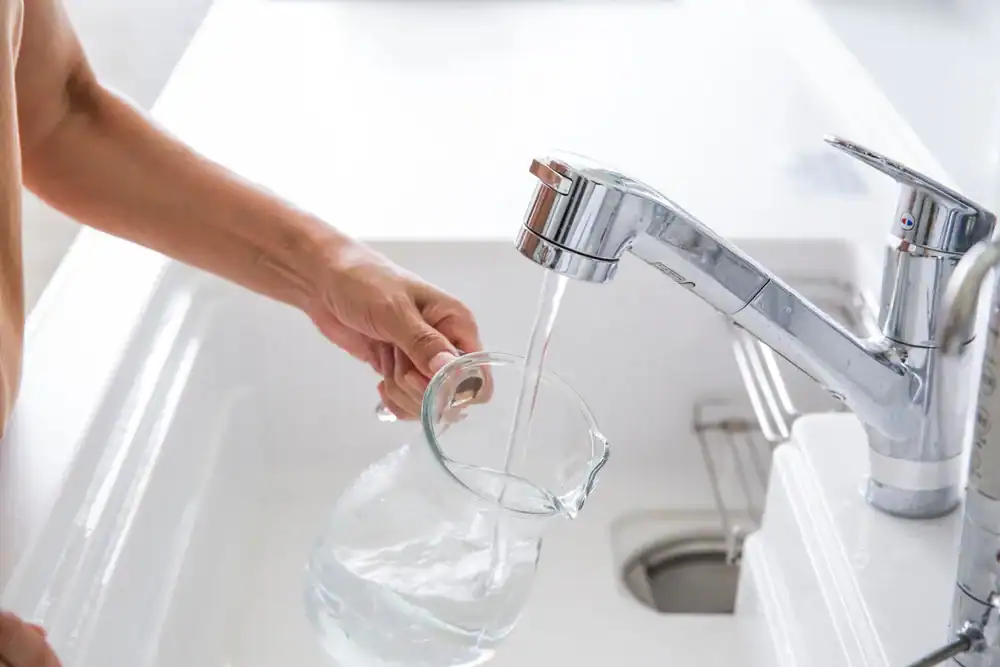
Then we install the system at your point of entry so every faucet, every shower, every appliance gets treated water. You’ll notice the difference immediately—no smell, no staining, no more replacing appliances every few years because iron destroyed them from the inside out.
Ready to get started?
Your well water filtration system gets built around what your water test reveals. That might mean an air injection oxidation system for iron and sulfur, a whole-house UV system for bacteria disinfection, or hydrogen peroxide injection if you’re dealing with stubborn iron bacteria. Most Lake Copeland homes need a combination approach because the problems don’t exist in isolation.
Approximately 68% of wells in similar Florida counties contain iron levels above EPA secondary standards. That’s not just an aesthetic problem—it’s destroying your water heater, your washing machine, and your plumbing. A properly designed iron removal system pays for itself in appliance lifespan alone.
We don’t use cookie-cutter solutions. If your neighbor has a different system than you, that’s probably because their water chemistry is different—even if you’re on the same street. Florida’s groundwater varies wildly depending on depth, geology, and a dozen other factors that matter more than zip code.

The rotten egg smell is hydrogen sulfide, and it’s unmistakable—especially when you have guests over. Orange or brown staining around toilets, sinks, and tubs means iron. Slimy buildup in your toilet tank points to iron bacteria.
But some problems don’t announce themselves until they’ve already damaged your appliances. That’s why water testing matters even if your water looks and smells fine. Florida has no requirements for routine private well water sampling, so it’s completely on you as the homeowner to stay on top of it.
We recommend testing at least once a year for coliform bacteria, nitrates, iron, sulfur, and hardness. It’s inexpensive compared to replacing a water heater or dealing with a bacterial contamination issue that could’ve been caught early. If you’re seeing visible signs, you’re already past the point where testing is optional.
Air injection oxidation uses oxygen to convert dissolved iron into solid particles that can be filtered out. It’s chemical-free, effective for moderate iron levels, and works well when you’re also dealing with hydrogen sulfide since both respond to oxidation.
Hydrogen peroxide injection is stronger. If you’ve got iron bacteria or higher iron concentrations, peroxide does a better job killing the bacteria and oxidizing stubborn iron that air alone won’t handle. It’s still a safer option than chlorine for ongoing treatment.
Which one you need depends on your water test results and whether bacteria is part of the equation. Iron bacteria creates that slimy biofilm you see in toilet tanks, and it requires a more aggressive approach than dissolved iron alone. We size the system based on your specific contamination levels and water usage, not what’s easiest to install.
No. A water softener handles hardness—calcium and magnesium. It’s not designed to remove iron, sulfur, or bacteria, and trying to make it do that job just ruins the softener and leaves your water problems untouched.
You might see some companies sell “iron-fighting” softeners, but those only work with tiny amounts of clear water iron—not the levels most Lake Copeland wells are dealing with. Once iron oxidizes and turns your water orange, a softener can’t touch it. Same with hydrogen sulfide and bacteria.
If you need both softening and iron removal, you need separate systems working in sequence. Oxidation and filtration happen first to remove iron, sulfur, and bacteria. Then softening removes hardness. Trying to do it all in one unit is how you end up wasting thousands of dollars on equipment that doesn’t solve the actual problem.
Depends on the system and your water quality, but most need attention once or twice a year. Air injection systems require backwashing to clean the media bed—that happens automatically, but the media itself eventually needs replacing depending on iron levels.
UV systems need annual bulb replacements because the germicidal effectiveness drops off over time even if the light still looks bright. If you’ve got a hydrogen peroxide system, you’re refilling the peroxide tank periodically based on water usage.
The key is catching maintenance early before small issues turn into system failures. Iron bacteria control is much easier when you stay on top of it with shock chlorination every six months. Wait until you’ve got a severe problem, and you’re looking at a much bigger fix. We set up maintenance schedules based on your specific system so you’re not guessing when something needs attention.
Hydrogen sulfide levels can fluctuate based on groundwater conditions, seasonal changes, and how much water you’re using. If you’ve been away for a few days and the water sits stagnant in your well, sulfur-reducing bacteria have more time to produce hydrogen sulfide gas.
Sometimes the smell only shows up in hot water because your water heater’s anode rod is reacting with sulfur bacteria inside the tank. That’s a different problem than hydrogen sulfide in your well water, and it needs a different fix—usually replacing the anode rod with an aluminum version or treating the tank.
Either way, inconsistent smell doesn’t mean the problem is minor or will go away on its own. It means the conditions that create hydrogen sulfide are present in your water system, and they’ll keep coming back until you treat the source. A proper well water treatment system eliminates the bacteria and oxidizes the sulfur so it doesn’t matter what time of year it is or how long the water sits.
Please provide your email address so that we can stay in touch and answer any questions you have! We will be reaching back out shortly.
"*" indicates required fields