Reach Out Today
Please provide your email address so that we can stay in touch and answer any questions you have! We will be reaching back out shortly.

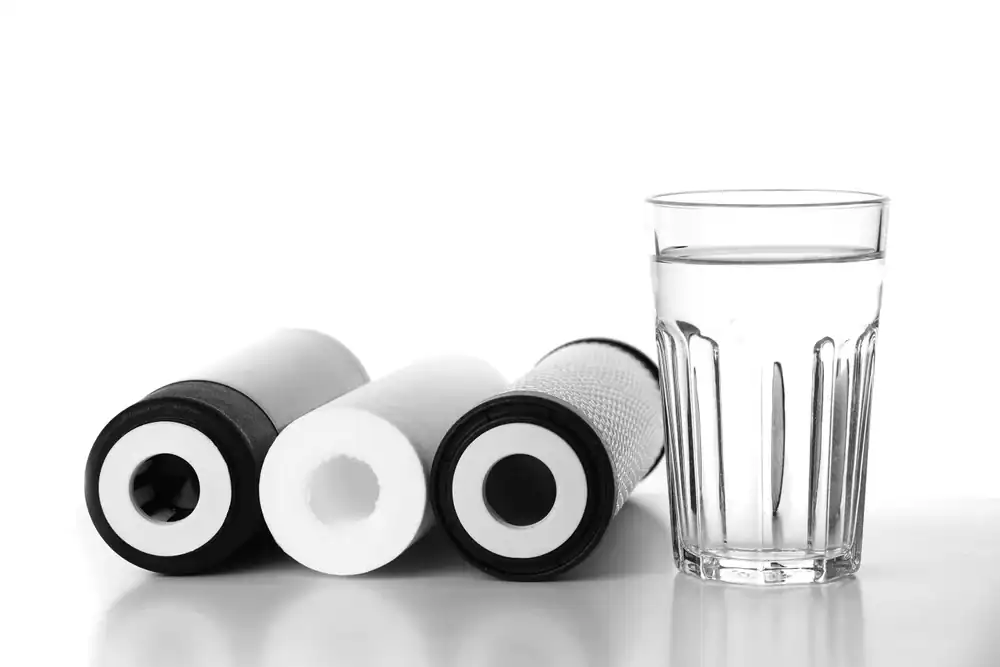
Hear from Our Customers
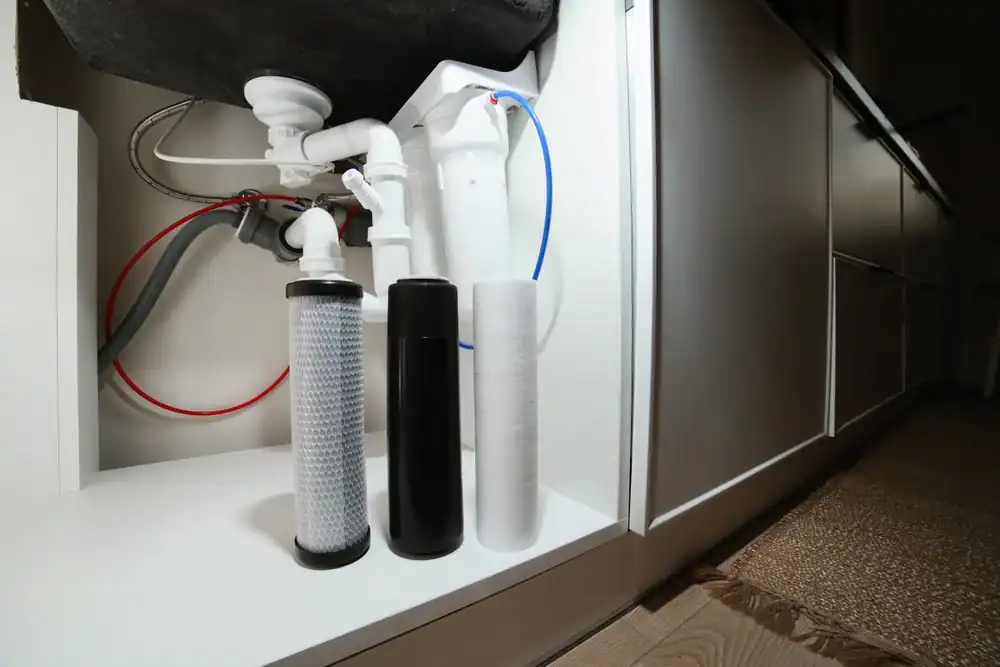
You turn on the tap and there’s no sulfur smell. No hesitation before you fill a glass. No embarrassment when guests use your bathroom.
Your appliances last longer because they’re not fighting iron buildup every day. Your water heater runs efficiently. Your washing machine doesn’t leave rust stains on white clothes.
You use less soap in the shower because soft water actually lathers. Your skin doesn’t feel tight and dry afterward. Your hair is softer.
The orange stains stop appearing. You’re not scrubbing toilets twice a week anymore. Your fixtures stay clean.
That’s what happens when your well water filtration system is designed for the specific problems in your water. Not a one-size-fits-all box from a big-box store, but a system built around what’s actually in your well.
We specialize in one thing: making well water safe and usable for homeowners in Lake Butler, FL and throughout North Central Florida. We’re not plumbers who also sell filters. We’re water treatment specialists.
We’re members of the National Water Quality Association and hold an A+ rating with the Better Business Bureau with zero complaints. Those credentials matter because water treatment requires real expertise, especially in Florida where limestone geology creates specific sulfur and iron problems.
We’ve been solving these exact issues for Lake Butler homeowners for years. We know what’s in the wells around here because we test them regularly. We stock parts locally, so when you need service, you’re not waiting weeks for a national company to ship something.
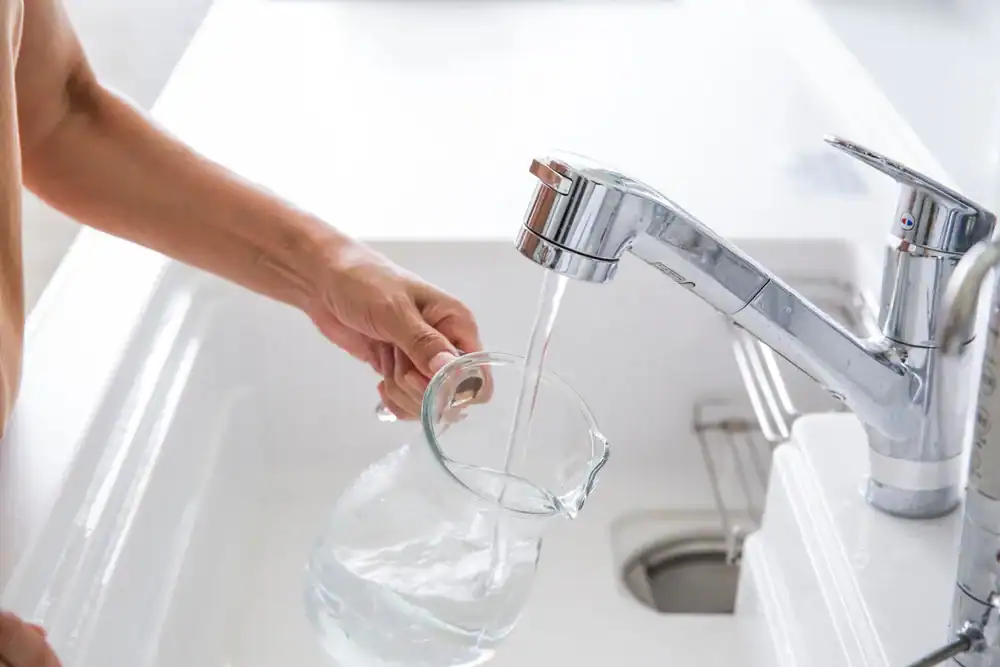
First, we test your water. Not a basic hardness test, but a comprehensive analysis that identifies iron levels, hydrogen sulfide, bacteria, and mineral content. You can’t fix what you don’t measure.
Based on those results, we design a system for your specific water chemistry and household size. If you have high iron, we might use air injection oxidation to convert dissolved iron into particles we can filter out. If sulfur is the main issue, hydrogen peroxide injection or AIO systems work well. If bacteria shows up in the test, UV sterilization gets added.
We install the system at your home, usually in a day. You’ll see how it works, how to add salt if you have a softener, and when to expect maintenance. We train you on the system during installation.
After that, we’re available when you need us. Not a call center three states away. You call us directly. We stock replacement filters and parts locally, so repairs happen fast.
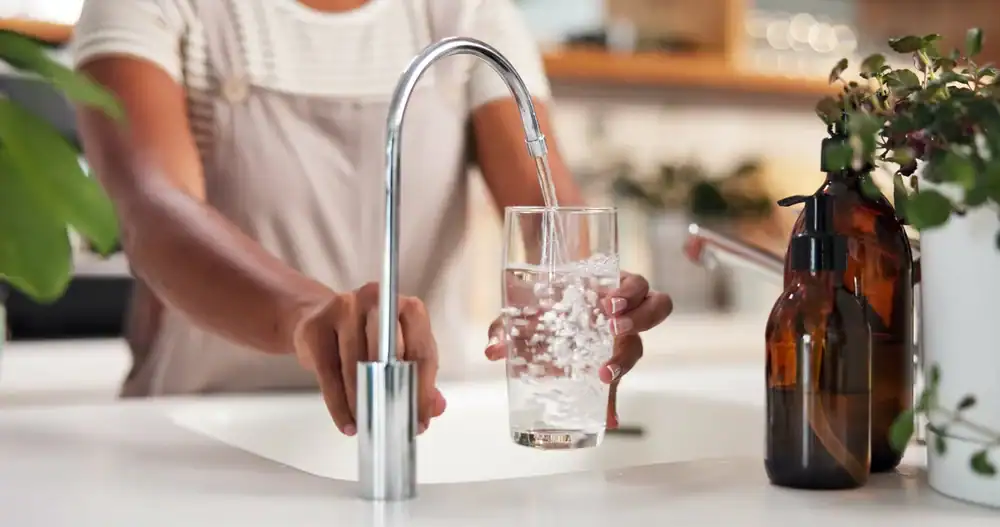
Ready to get started?
A whole-house well water filtration system treats every faucet, shower, and appliance in your home. Not just drinking water, but all of it.
For Lake Butler wells, that usually means addressing iron, sulfur, and hardness. Iron removal systems use oxidation to turn dissolved iron into solid particles, then filter them out before they reach your fixtures. Hydrogen sulfide treatment eliminates that rotten egg smell using similar oxidation methods or hydrogen peroxide injection.
If your water is hard, which most well water in this area is, a softener protects your appliances and plumbing from scale buildup. That costs about ten to fifteen dollars a month in salt, but you’ll save more than that in reduced soap usage and lower energy bills from efficient appliances.
For bacteria concerns, UV sterilization provides an extra layer of protection. It’s a light that kills bacteria and viruses as water passes through, with no chemicals added.
Every system includes a warranty and ongoing service. When filters need changing or something needs adjustment, we handle it. We’re not disappearing after the sale like some of the national companies operating around here.

If you smell sulfur when you turn on the tap, see orange or brown stains around drains and toilets, or notice your water leaves spots on dishes, you need filtration. Those are the obvious signs.
Less obvious signs include appliances failing earlier than they should, especially water heaters and washing machines. Hard water and iron shorten their lifespan significantly. If you’re replacing appliances every few years, your water is probably the reason.
Another indicator is how your skin and hair feel after showering. If your skin feels tight and dry or your hair is dull and hard to manage, that’s often hard water. You might also notice you’re using way more soap and shampoo than seems normal because hard water doesn’t lather well.
The only way to know for sure what’s in your water is to test it. We can do a comprehensive analysis that measures iron, sulfur, bacteria, hardness, and pH levels. That tells us exactly what treatment your water needs.
Iron removal and water softening solve different problems, though you might need both. Iron removal systems eliminate dissolved iron that causes orange stains and metallic taste. Water softeners remove calcium and magnesium that cause hardness and scale buildup.
Iron removal typically uses oxidation methods. Air injection oxidation systems expose water to oxygen, which converts dissolved iron into solid particles. Those particles get filtered out before water enters your house. Hydrogen peroxide injection works similarly but uses peroxide as the oxidizing agent.
Water softeners use a different process called ion exchange. Hard minerals get trapped in resin beads and replaced with sodium ions. That’s why you add salt to a softener. The salt regenerates the resin beads so they can keep removing hardness.
Many Lake Butler wells have both iron and hardness issues, so you need both systems. We test your water first to determine what’s actually present, then design a system that addresses your specific problems. There’s no point paying for treatment you don’t need.
Systems typically range from a few thousand dollars to around ten thousand, depending on what your water needs. A basic softener for moderately hard water costs less than a multi-stage system that handles iron, sulfur, bacteria, and hardness.
The size of your household matters too. A system for a family of two uses different equipment than one for a family of six. Flow rate requirements change based on how many fixtures might run simultaneously.
We don’t quote prices without testing your water first because we’d just be guessing. Your neighbor might need a simple setup while your well requires more comprehensive treatment. The geology and depth of wells varies even within Lake Butler, so water chemistry differs from property to property.
What we can tell you is that a quality system costs less than repeatedly replacing appliances damaged by bad water. A water heater costs fifteen hundred dollars or more to replace. A washing machine runs six hundred to a thousand. If you’re replacing those every few years instead of every ten to fifteen, you’re spending more than a filtration system would cost.
We offer a five hundred dollar discount for military members and first responders, which helps offset the initial investment.
Softeners need salt added every month or two, depending on your water usage and hardness level. That’s something you do yourself. It takes about five minutes and costs ten to fifteen dollars per bag of salt.
Filters need changing based on the type of system and your water quality. Sediment filters might need replacement every six months. Carbon filters typically last a year. UV bulbs should be replaced annually even if they still light up, because their bacteria-killing effectiveness decreases over time.
We recommend an annual professional service visit where we check system performance, test your water to confirm treatment is working, and replace any components that are wearing out. That catches small issues before they become expensive problems.
The maintenance schedule depends on what’s in your water and how much water you use. A household that uses a lot of water needs more frequent attention than a couple who’s rarely home. We’ll give you a specific maintenance plan based on your system and usage patterns.
Between professional visits, you should occasionally check salt levels if you have a softener and watch for any changes in water quality. If stains start reappearing or you smell sulfur again, something needs adjustment.
Standard filtration and softening systems don’t remove bacteria. You need specific disinfection equipment for that, usually UV sterilization or chlorination systems.
UV sterilization uses ultraviolet light to kill bacteria, viruses, and other microorganisms as water flows past the bulb. It’s effective and doesn’t add anything to your water. The UV bulb needs annual replacement, but the system itself requires minimal maintenance.
Chlorination systems inject a small amount of chlorine into your water, which kills bacteria. The chlorine then gets filtered out before water reaches your taps. These systems work well but require more maintenance than UV systems.
If bacteria shows up in your water test, we’ll recommend the right disinfection method for your situation. Some Lake Butler wells have bacteria issues, especially shallower wells or those near septic systems. It’s not always obvious without testing because bacteria doesn’t necessarily cause taste or odor problems.
We always recommend testing for bacteria when we analyze your water. If it’s present, we design your system to include proper disinfection. If it’s not present, you don’t need to pay for equipment you don’t need.
Please provide your email address so that we can stay in touch and answer any questions you have! We will be reaching back out shortly.
"*" indicates required fields
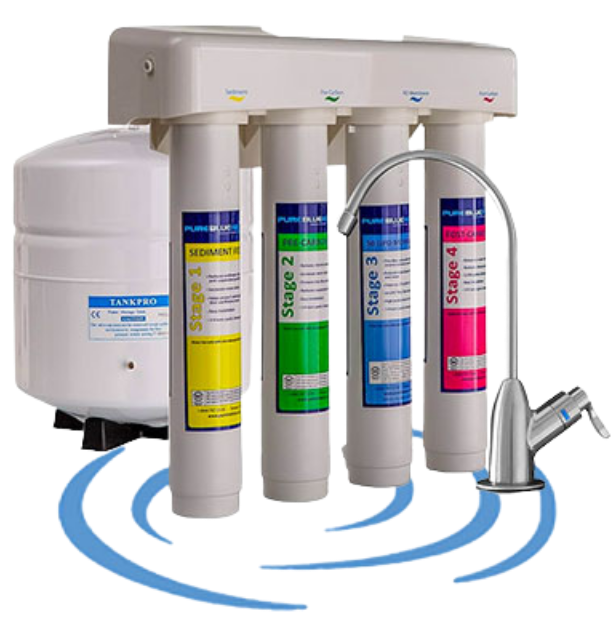
Get a free reverse osmosis drinking water system with the purchase of any whole-home water purification system.
*Cannot be combined with other offers. Mention this special when you call.