Reach Out Today
Please provide your email address so that we can stay in touch and answer any questions you have! We will be reaching back out shortly.


Hear from Our Customers
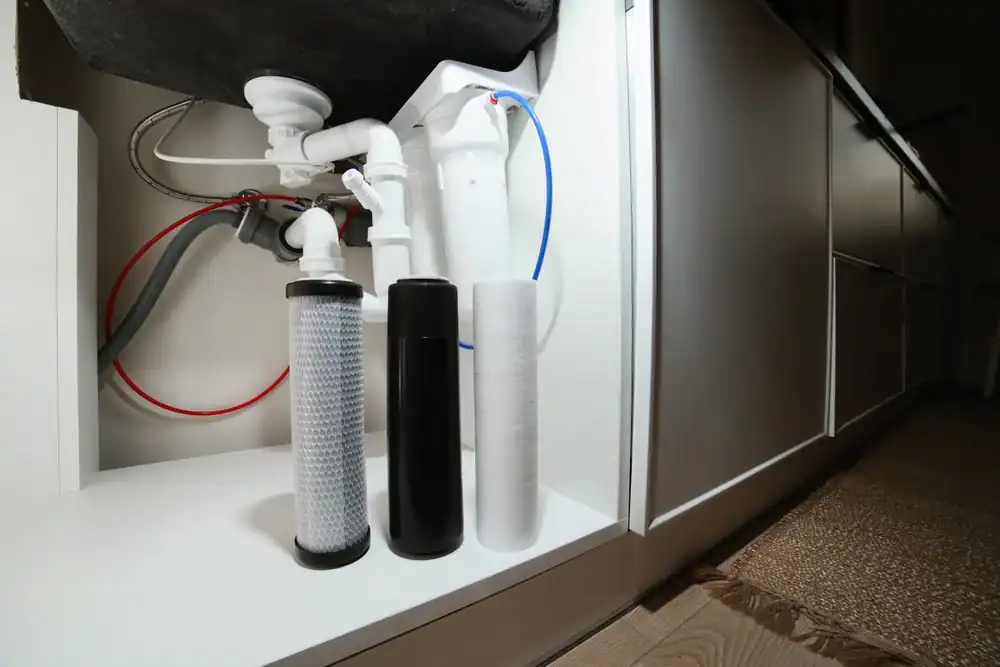
If you’ve been living with orange rings in your toilet, laundry that comes out yellowed, and a rotten egg smell the moment you turn on the shower, you already know the water coming out of your well isn’t right. What you might not know is how much it’s actually costing you. Water heaters, washing machines, and dishwashers all take a hit from iron-heavy, hard water. Fixtures stain. Pipes clog. And you keep buying cleaning products that never quite get the job done.
In LaBelle and the surrounding Hendry County area — Fort Denaud, Port LaBelle, Felda — private wells draw from a limestone aquifer that naturally loads groundwater with dissolved iron, manganese, and hydrogen sulfide. That’s just the geology. Add in the fact that Hendry County is one of Florida’s most intensively farmed counties, with sugar cane fields, citrus groves, and cattle operations surrounding residential properties for miles in every direction, and you’ve got a groundwater profile that carries real contamination risks beyond what most homeowners expect.
A properly designed whole-house filtration system changes the picture completely. Your water smells clean. Your appliances last longer. You stop buying cases of bottled water. And you stop wondering whether what’s coming out of the tap is actually safe for your family.
We’ve been treating Florida well water for over 50 years. That’s not a marketing number — it means we’ve worked through every groundwater condition this state produces, including the iron-heavy, sulfur-laden, agriculturally influenced water that’s common throughout Hendry County and LaBelle. We know what’s in the ground here, and we know how to fix it.
What separates us from the competition isn’t just experience. It’s accountability. We hold an A+ rating with the Better Business Bureau with zero complaints on record — in an industry the Florida Attorney General has specifically targeted for predatory sales practices. We’re also members of the National Water Quality Association, a voluntary professional credential that requires passing a comprehensive exam and agreeing to a formal code of ethics. Most water treatment companies operating in the LaBelle area don’t hold either of those credentials.
We don’t offer plumbing or water heaters. Water purification is all we do. That focus shows in the results.
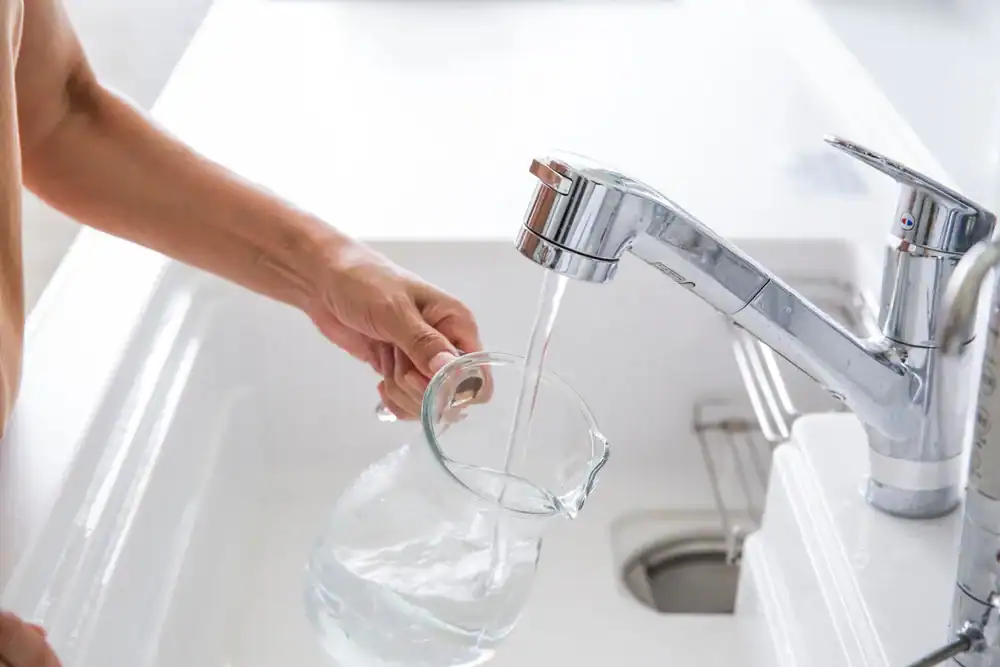
It starts with a free water analysis. Before we recommend a system or quote a price, your water gets tested. That test tells you exactly what’s in it — iron levels, sulfur concentration, bacterial presence, hardness, pH. In LaBelle, where the groundwater profile varies based on how close your property is to agricultural land, the river corridor, or the shallow water table areas common around Port LaBelle and Fort Denaud, that data matters. Two homes a half-mile apart can have meaningfully different water chemistry.
Once the analysis is complete, we design a system around your actual results — not a catalog pick, not a one-size-fits-all package. If your well has iron and sulfur but no bacterial concern, you get a system built for that. If you’ve got bacteria on top of it — which is a real risk for shallow wells in low-lying agricultural areas, especially after Hendry County’s heavy summer rain season — UV disinfection gets added to the design.
Installation happens in a single day. The system is installed at the point of entry where your well line comes into the house, so every tap in your home delivers treated water from that point forward. No multi-day project, no torn-up walls, no extended disruption. When our technician leaves, your water is already different.
Ready to get started?
The most common well water problems in the LaBelle area don’t show up one at a time. Iron staining, sulfur smell, bacterial risk, and hard water tend to stack on top of each other — especially on properties near the Caloosahatchee River corridor or on rural acreage in western Hendry County where the water table runs shallow. A system that only addresses one issue leaves the others running unchecked.
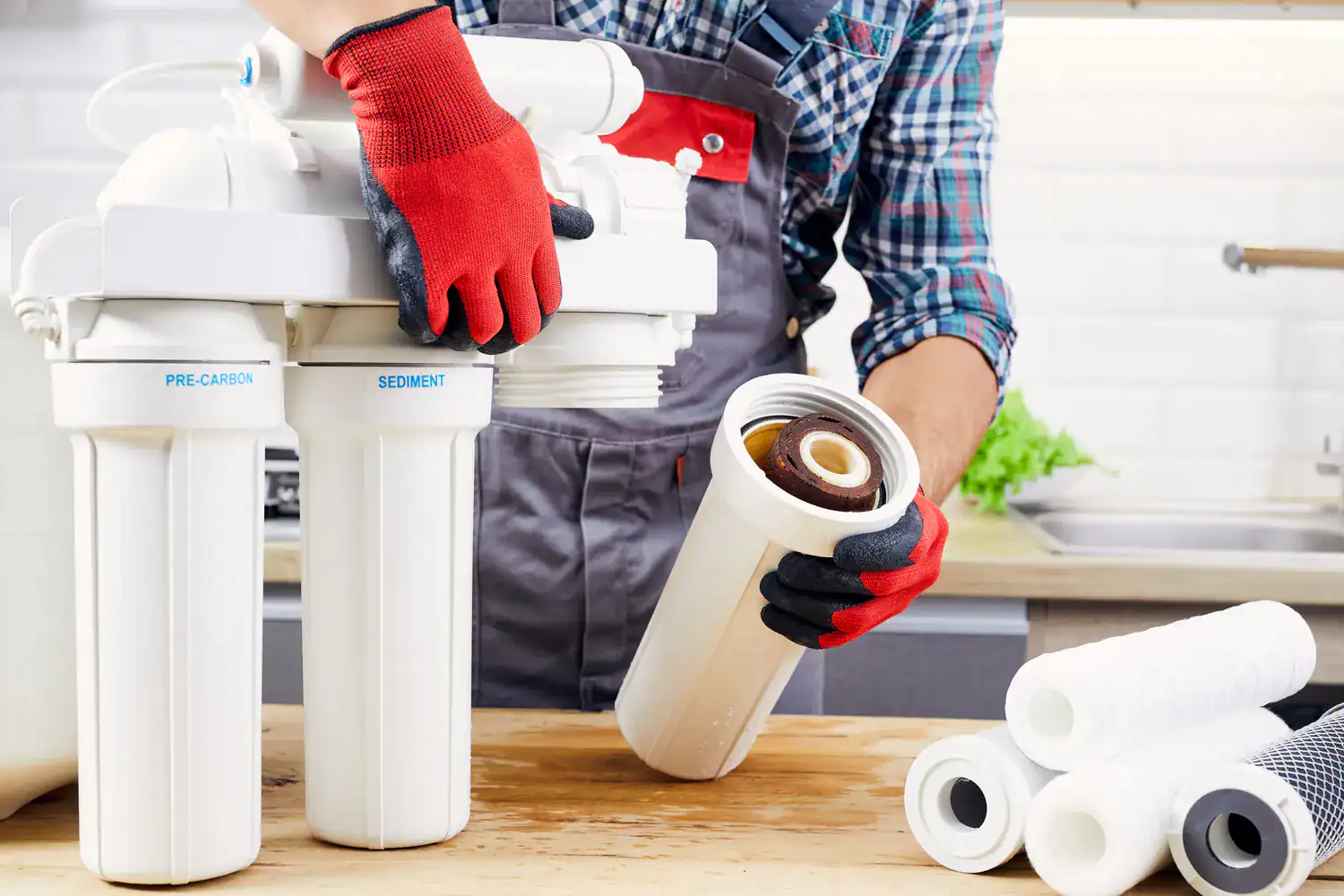
Our whole-house systems are built to handle the full picture. Iron removal through air injection oxidation eliminates the orange staining and metallic taste. Hydrogen sulfide treatment kills the rotten egg smell at the source. UV bacterial disinfection handles microbial contamination without chemicals — critical for LaBelle-area homeowners whose wells may be vulnerable to surface water intrusion during Florida’s rainy season or after storm events. Manganese reduction, water softening, and drinking water reverse osmosis are added where the water test shows they’re needed.
If you’re building in Port LaBelle or on a rural lot outside the city, well construction and modification permits run through the Florida Department of Health in Hendry County at 1140 Pratt Blvd in LaBelle. The filtration system itself doesn’t require a separate well permit, but every system we install is done by licensed, insured professionals who operate fully within Florida’s requirements. Military and first responders receive $500 off any whole-house system — no strings attached.

That smell is hydrogen sulfide gas — a naturally occurring compound that forms when sulfur bacteria break down organic matter in groundwater. In Hendry County, the limestone and organic-rich soils surrounding LaBelle create conditions where hydrogen sulfide is especially common in private wells. It’s not a sign that something catastrophic has happened to your well. It’s a sign that your water chemistry needs to be addressed.
The fix depends on the concentration. At lower levels, an air injection oxidation system — sometimes called an AIO system — is typically the most effective and low-maintenance solution. It introduces oxygen into the water, which oxidizes the hydrogen sulfide and filters it out before it reaches your taps. At higher concentrations, hydrogen peroxide injection may be the better approach. A water test tells you which direction to go. Guessing at a solution without testing first is how homeowners end up buying equipment that doesn’t solve the problem.
That’s dissolved iron in your well water. When iron-saturated water hits air — in your toilet bowl, on your sink fixtures, in your washing machine — it oxidizes and leaves behind that rust-colored stain. In LaBelle and throughout Hendry County, dissolved iron is one of the most common well water complaints, driven by the same limestone geology that makes the Floridan Aquifer so productive. The aquifer is generous with water and generous with iron.
The staining itself is frustrating, but the bigger issue is what iron does to your plumbing and appliances over time. It builds up inside pipes, clogs water heater elements, and shortens the lifespan of washing machines and dishwashers. For homeowners in Port LaBelle or on rural acreage where appliance repair or replacement means a significant expense, that’s a cost worth preventing. Iron removal through an air injection oxidation system eliminates the problem at the source — before the water ever reaches your fixtures.
That depends entirely on what’s in your specific well — and the only way to know is to test it. Private wells in Florida are not regulated the way municipal water systems are. There’s no ongoing monitoring, no required treatment, and no agency checking your water quality between the aquifer and your tap. In Hendry County, where agricultural land use is intensive and widespread, the risk profile for private wells is higher than in many other parts of Florida. Nitrates from fertilizers, pesticide residues, and bacterial contamination from livestock operations are real concerns for wells on or near agricultural properties.
That doesn’t mean your water is dangerous — it means you shouldn’t assume it’s fine just because it’s always been there. The Florida Department of Health’s Well Surveillance Program has documented thousands of wells statewide with chemical concentrations exceeding state and federal drinking water standards, and agricultural counties like Hendry represent a disproportionate share of that risk. A free water analysis gives you the actual data. From there, you can make an informed decision about whether treatment is necessary and what kind.
Yes — and in most cases, that’s exactly how a well water system should be designed for LaBelle-area properties. The most common mistake homeowners make is buying a single-purpose filter because it’s cheaper upfront, then discovering it doesn’t address the other problems in their water. You end up with a system that removes iron but does nothing about the sulfur smell, or one that softens the water but leaves bacterial contamination untreated.
A properly designed whole-house system handles multiple contaminants in a single, integrated setup. The treatment stages are sequenced based on your water test results — iron oxidation first, then filtration, then UV disinfection if bacteria are present, then softening if hardness is an issue. Each stage serves a specific purpose based on what’s actually in your water. For properties in the Fort Denaud area or on rural lots outside LaBelle’s city limits, where well depth and surrounding land use can affect water chemistry significantly, getting the sequence right matters. That’s why the free water analysis comes before any system recommendation.
A whole-house well water filtration system in the LaBelle area typically runs between $4,000 and $9,000 installed, depending on what your water test reveals and how many treatment stages your system requires. A straightforward iron and sulfur system sits toward the lower end of that range. A multi-stage system that adds UV bacterial disinfection, manganese reduction, and a drinking water reverse osmosis unit for the kitchen will be toward the higher end.
The number that most homeowners don’t factor in is what untreated well water is already costing them. Bottled water for a family of four adds up fast. Replacing a water heater that failed five years early because of iron buildup is a significant expense. Stain remediation on concrete driveways and bathroom tile isn’t cheap either. For households in LaBelle managing tight budgets, the ROI on a properly installed filtration system is usually measurable within a few years. Military personnel and first responders receive $500 off any whole-house system — a real reduction, not a token discount.
Please provide your email address so that we can stay in touch and answer any questions you have! We will be reaching back out shortly.
"*" indicates required fields