Reach Out Today
Please provide your email address so that we can stay in touch and answer any questions you have! We will be reaching back out shortly.

Hear from Our Customers
That orange ring in your toilet disappears. Your laundry stops coming out with rust stains. The rotten egg smell when you turn on the shower? Gone.
These aren’t small fixes. When your water is actually clean, your appliances last longer because they’re not fighting mineral buildup every day. Your water heater stops corroding from the inside out. Your plumbing doesn’t get choked with iron bacteria sludge.
You stop buying bottled water for coffee because tap water finally tastes normal. Guests don’t wrinkle their nose when they wash their hands. You’re not scrubbing fixtures every week trying to keep up with staining that just comes back.
Florida well water comes with iron, sulfur, and bacteria problems—that’s geology, not bad luck. The limestone and sandy soil here let minerals and organic material into groundwater easily. A whole house water filter designed for these specific conditions handles what’s actually in your water, not what a generic system thinks might be there.
Quality Safe Water of Florida LLC focuses on one thing: making sure your water is safe and clean. We’re not plumbers who also sell filters. We don’t install water heaters on the side.
We’re Florida-based, A-rated with the Better Business Bureau, and members of the National Water Quality Association. That last one matters because it means we stay current on treatment methods and water quality standards—not just selling whatever’s on the truck.
Kirkman North sits in an area where well water typically carries high iron content, sulfur compounds from limestone geology, and the bacteria that thrive in Florida’s warm, oxygen-poor groundwater. We’ve been treating these exact problems for years. Every system we install starts with actual water analysis—your water, not assumptions—so you get a system designed for what’s coming out of your well.
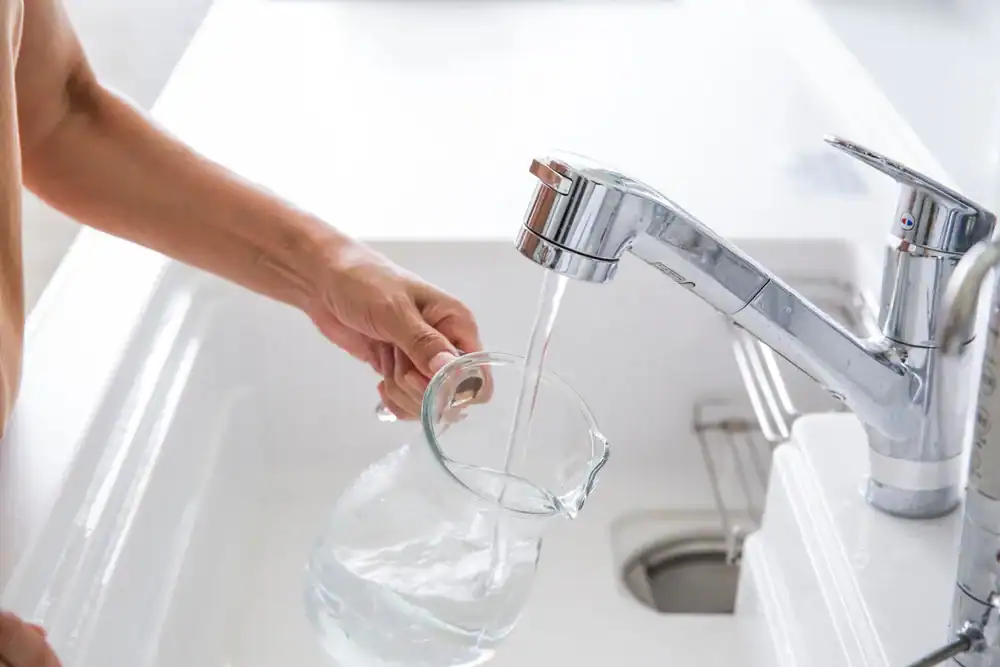
First, we test your water. Not a basic hardness test—a real analysis that shows what’s actually in there. Iron levels, sulfur content, bacteria presence, pH, total dissolved solids. You need to know what you’re dealing with before you can fix it.
Once we know what’s in your water, we design a system that handles those specific problems. If you’ve got iron bacteria creating that slimy rust buildup in your toilet tank, a standard softener won’t touch it—you need air injection oxidation or hydrogen peroxide injection to kill the bacteria and remove the iron. If hydrogen sulfide is giving you that rotten egg smell, we’ll set up a system that eliminates the sulfur before it ever reaches your faucets.
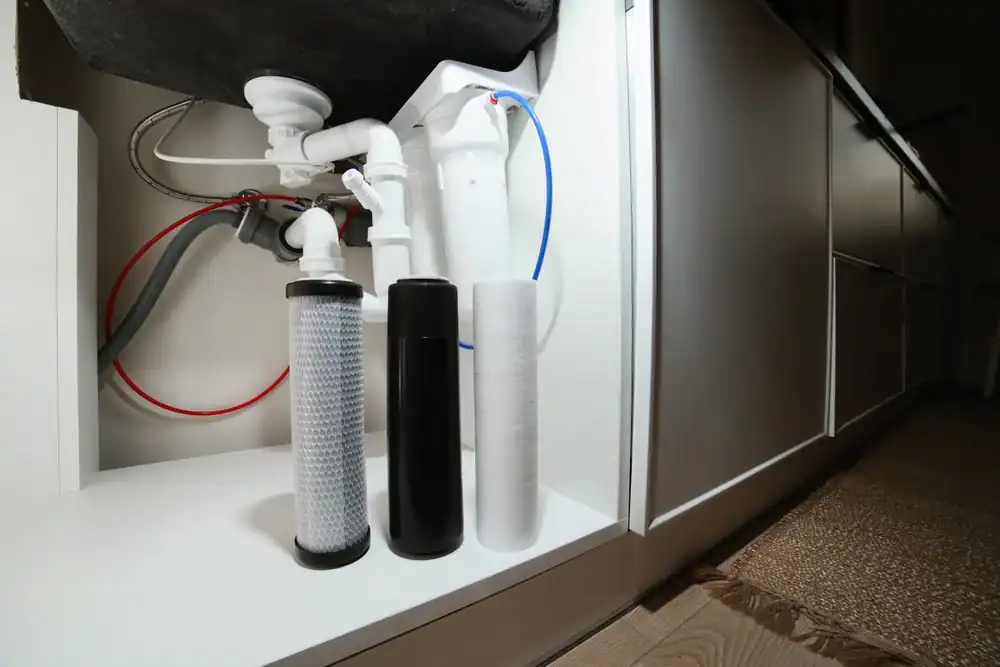
Installation is straightforward. We set up the system at your main water line so every drop of water entering your home gets treated. Whole house coverage means your drinking water, shower water, laundry water—all of it—is filtered.
After installation, the system runs automatically. Most systems need minimal maintenance—maybe a filter change or media replacement on a schedule we’ll walk you through. And unlike some companies around here, we actually service what we sell.

Ready to get started?
Our iron removal systems use either air injection oxidation or hydrogen peroxide injection, depending on what your water test shows. Both methods oxidize dissolved iron so it can be filtered out before it stains your fixtures or damages your appliances. If you’ve got iron bacteria—the living organism that creates that rust-colored slime—we address that specifically because standard softeners can actually make that problem worse.
For hydrogen sulfide treatment, we install systems that eliminate the sulfur causing that rotten egg odor. This isn’t masking the smell—it’s removing the source. Your water stops smelling like sulfur because the sulfur is gone.
Well water bacteria disinfection typically involves UV light systems that kill waterborne organisms and bacteria as water passes through. No chemicals, no salt, just ultraviolet light doing what it does naturally—eliminating bacteria including E. coli.
In Kirkman North, most well water has some combination of these issues. The area’s geology practically guarantees it. Sandy soil and limestone formations mean minerals leach into groundwater easily, and Florida’s warm climate creates perfect conditions for bacteria growth. A properly designed system handles all of it—not just one problem while ignoring the others.
Every system includes a free initial water analysis, professional installation, and a custom setup based on your household size and water usage. We’re not selling you an off-the-shelf unit and hoping it works.

You’ll see the signs before you see a test result. Orange or brown staining on toilets, sinks, and tubs means iron. A rotten egg smell when you run water means hydrogen sulfide. Slimy rust-colored buildup in your toilet tank means iron bacteria.
Your laundry might come out dingy or stained even after washing. You might notice a metallic taste in drinking water. Appliances like water heaters and washing machines might fail earlier than they should because mineral buildup is corroding components from the inside.
These problems are common in Kirkman North because of local geology. The limestone and sandy soil let iron, sulfur, and organic material into groundwater easily. Most wells in Central Florida have at least one of these issues, and many have all three. A water test confirms what’s there and at what levels, but if you’re seeing stains or smelling sulfur, you already know you need treatment.
A water softener removes hardness minerals—mainly calcium and magnesium—that cause scale buildup. That’s useful, but it doesn’t remove iron, sulfur, or bacteria. In fact, if you have iron bacteria, a softener can make the problem worse by giving bacteria more surface area to colonize.
A well water filtration system addresses the specific contaminants in your water. Iron removal systems use oxidation methods to convert dissolved iron into a form that can be filtered out. Hydrogen sulfide treatment eliminates sulfur at the source. Bacteria disinfection uses UV light to kill organisms.
You might need both—a softener for hardness and a filtration system for iron, sulfur, and bacteria. Or you might only need filtration if hardness isn’t your main issue. That’s why water testing comes first. You can’t design an effective system without knowing what you’re treating.
System cost depends entirely on what’s in your water and what it takes to treat it. A basic iron removal system runs differently than a setup that needs to handle iron bacteria, sulfur, and disinfection all at once.
Here’s what matters more than upfront cost: untreated water damages your home. Replacing a water heater that’s been destroyed by iron buildup costs more than installing a filtration system that prevents the damage. Same with your washing machine, dishwasher, and plumbing. Stained fixtures need constant replacement. Corroded pipes need repair.
Most water treatment systems pay for themselves within two to three years just from the maintenance and replacement costs they prevent. That’s not a sales pitch—that’s math. You’re either paying to treat the water or paying to fix what bad water destroys. One of those options is cheaper.
We offer free water analysis and custom quotes based on what your specific situation requires. We also provide a $500 discount for military and first responders.
Yes, if it’s designed to treat hydrogen sulfide—which is what causes that smell. The rotten egg odor comes from hydrogen sulfide gas that forms when sulfur-reducing bacteria break down sulfates in groundwater. Florida’s limestone geology is loaded with sulfur compounds, so this is extremely common here.
A hydrogen sulfide treatment system eliminates the sulfur before water reaches your taps. Methods include oxidation with hydrogen peroxide injection or aeration systems that release the gas before filtration. The right approach depends on your sulfur levels and what else is in your water.
Generic carbon filters might reduce the smell temporarily, but they don’t address the source. You need a system that actually removes hydrogen sulfide, not one that tries to mask it. Once the sulfur is gone, the smell is gone—completely. Your water stops smelling like rotten eggs because there’s no hydrogen sulfide left to create the odor.
Depends on the system type and what it’s filtering. Most whole house systems need a filter change or media replacement every six to twelve months. UV disinfection bulbs typically need replacement annually. Iron removal systems might need occasional backwashing or media regeneration.
The maintenance schedule isn’t complicated, and we walk you through exactly what your specific system needs when we install it. Most homeowners handle basic maintenance themselves—it’s usually just swapping out a filter cartridge. For more involved maintenance, we provide service.
What you don’t want is to skip maintenance entirely. A filtration system that’s not maintained stops working effectively. You’ll start seeing the same problems you installed the system to fix—staining, odors, bacteria growth. Regular maintenance keeps the system running properly and your water clean. It’s straightforward, and the schedule is predictable, not random.
Please provide your email address so that we can stay in touch and answer any questions you have! We will be reaching back out shortly.
"*" indicates required fields