Reach Out Today
Please provide your email address so that we can stay in touch and answer any questions you have! We will be reaching back out shortly.


Hear from Our Customers
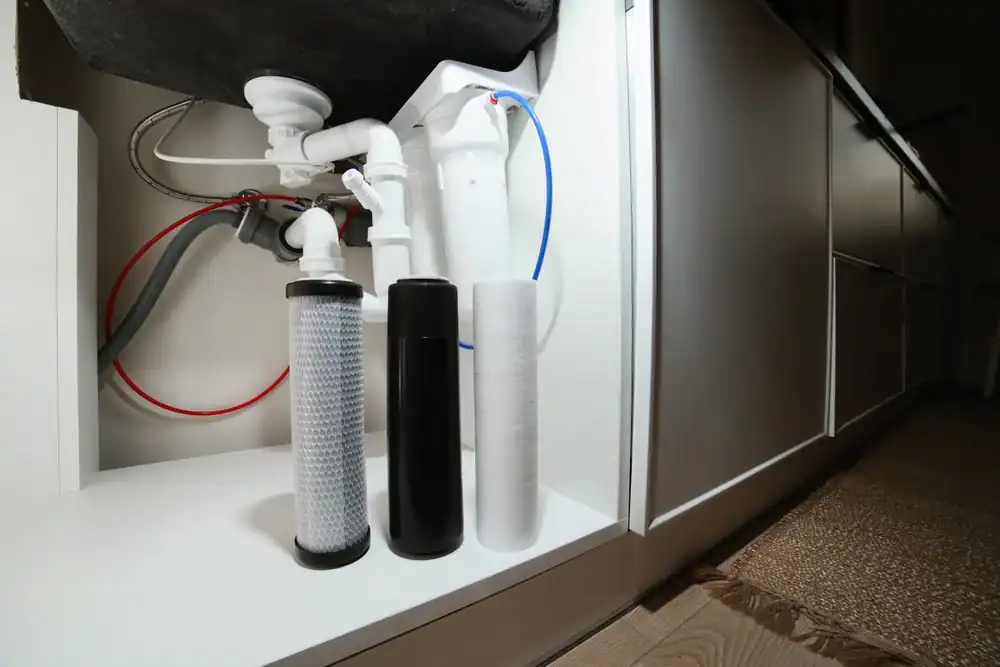
No more orange stains on your fixtures. No more rotten egg smell when you turn on the tap. No more wondering if what’s coming out of your faucet is safe for your family to drink.
That’s what happens when your well water filtration system is designed for your specific water chemistry—not pulled off a shelf and hoped for the best. Florida well water comes with its own set of problems: high iron content that stains everything it touches, hydrogen sulfide that makes your water smell like sulfur, and bacteria that shouldn’t be anywhere near your drinking water.
The right system handles all of it. You get water that’s clear, odorless, and safe. Your appliances last longer because they’re not fighting mineral buildup. Your laundry comes out actually clean. And you stop second-guessing every glass of water you pour.
We have an A-rating with the Better Business Bureau and a 5-star rating with zero complaints. That doesn’t happen by accident when you’ve been treating well water for over 50 years.
We’re members of the National Water Quality Association, which means we follow industry standards that actually matter. And we’re local—serving Kendrick and the surrounding areas with the kind of hands-on service that national companies can’t match.
Your neighbors have dealt with the same well water issues you’re facing. High iron levels are common throughout this area, and the sulfur smell is something most well owners in Kendrick know too well. We’ve tested the water here, we know what works, and we don’t sell you equipment that isn’t going to solve your specific problem.
First, we test your water. Not a generic test—a complete analysis that tells us exactly what’s in your well water and at what levels. Iron, manganese, hydrogen sulfide, bacteria, pH levels, hardness—all of it matters when we’re designing your system.
Once we know what we’re dealing with, we recommend the right treatment method. If you’ve got high iron, we might use air injection oxidation to convert dissolved iron into particles that can be filtered out. For hydrogen sulfide, hydrogen peroxide injection often works better than anything else. Bacteria gets handled with UV disinfection that doesn’t add chemicals to your water.
Then we install the system and make sure it’s working exactly as it should. You’re not left guessing whether it’s doing its job—we verify the results. And if something needs adjustment down the road, we’re the ones who come out and handle it. We service what we sell, which apparently isn’t a given in this industry.

Ready to get started?
Your system gets built around what your water test shows. If iron removal is the priority, you’re getting equipment specifically designed to handle iron—whether that’s through air injection oxidation or another method that fits your situation better. Hydrogen sulfide treatment works the same way: we use what actually eliminates the problem, not what’s easiest to install.
Bacteria disinfection typically means a whole-house UV system that treats every drop of water coming into your home. No chlorine, no chemicals you can taste, just ultraviolet light that neutralizes bacteria and other microorganisms before they reach your tap.
In Kendrick, well water often needs multiple treatment stages. You might need iron removal before softening, or pH adjustment before your filtration system can work properly. We map that out based on your specific water chemistry, not a standard package we sell to everyone. And because Florida well water can change seasonally, we design systems that can handle fluctuations without failing when you need them most.

If you’re seeing orange or brown stains on your sinks, toilets, or laundry, that’s iron. If your water smells like rotten eggs, that’s hydrogen sulfide. If you’re noticing a metallic taste or your water looks cloudy, you’ve likely got a combination of issues that need treatment.
The only way to know for sure is to test your water. A basic test will show you iron levels, hardness, pH, and whether bacteria is present. In Kendrick, most well water has at least some level of iron, and sulfur odors are common enough that we see them regularly.
Even if your water looks and smells fine, bacteria can still be present. That’s why we recommend testing regardless of whether you think there’s a problem. Florida’s water table and the limestone aquifer system mean well water chemistry can shift, and what’s safe today might not be six months from now.
A water softener removes hardness minerals like calcium and magnesium. It doesn’t remove iron effectively, especially if you’ve got more than trace amounts. If you try to run high-iron water through a standard softener, you’ll foul the resin bed and end up with a system that doesn’t work for either hardness or iron.
Iron removal systems use oxidation to convert dissolved iron into solid particles that can be filtered out. Air injection oxidation is one method—it introduces oxygen to the water, which causes the iron to precipitate. Then a filter media catches those particles before the water moves through the rest of your system.
If you’ve got both hard water and high iron, you need both treatments—but the iron has to be removed first. Trying to do it backwards or expecting one system to handle both jobs is why a lot of homeowners in Kendrick have spent money on equipment that didn’t fix their problem. The sequence matters, and so does using the right equipment for each issue.
Yes, but the method depends on how much hydrogen sulfide is in your water. Low levels can sometimes be handled with activated carbon filtration or an air injection system. Higher concentrations usually need hydrogen peroxide injection or a dedicated oxidizing filter.
Hydrogen peroxide injection works by oxidizing the hydrogen sulfide, which eliminates the odor at the source. It’s effective, it doesn’t leave a chemical taste, and it handles sulfur levels that other methods can’t touch. The system injects a small amount of hydrogen peroxide into your water line, and by the time the water reaches your tap, the sulfur is gone.
If you’ve tried other solutions and still have the smell, it’s likely because the treatment method wasn’t strong enough for your sulfur levels. We see this in Kendrick fairly often—homeowners who installed a basic carbon filter expecting it to handle a sulfur problem that needed a more aggressive approach. Testing tells us how much hydrogen sulfide you’re dealing with, and that determines which treatment will actually work.
It depends on the type of system and what it’s removing. A UV disinfection system needs a new bulb once a year, and the quartz sleeve should be cleaned or replaced at the same time. Iron filters need backwashing to clear out accumulated iron particles—some systems do this automatically, others need manual backwashing every few weeks.
If you’ve got a hydrogen peroxide injection system, you’ll need to refill the peroxide tank periodically. How often depends on your water usage and how much hydrogen sulfide you’re treating. Most homeowners go through a tank every few months.
The good news is that well-designed systems don’t require constant attention. We build systems with minimal moving parts and components that are made to last in Florida’s conditions. You’re not programming timers or buying salt every month. An annual service check and occasional filter media replacement is usually all you need to keep everything running the way it should.
Yes. UV disinfection kills bacteria, viruses, and other microorganisms without adding anything to your water. The system uses ultraviolet light at a specific wavelength that destroys the DNA of microorganisms, which prevents them from reproducing or causing illness.
A UV system installs on your main water line, and every drop of water that enters your home passes through it. The process is instant—there’s no contact time needed like there is with chlorine. And because nothing is being added to the water, there’s no taste, no odor, and no chemical byproducts.
This matters in Kendrick because well water bacteria issues can pop up after heavy rains or flooding, which we see regularly in Florida. A UV system gives you continuous protection without having to shock your well or add chlorine every time you’re concerned about contamination. It’s running all the time, treating your water automatically, and you don’t have to think about it unless the system alerts you that the bulb needs replacing.
Please provide your email address so that we can stay in touch and answer any questions you have! We will be reaching back out shortly.
"*" indicates required fields
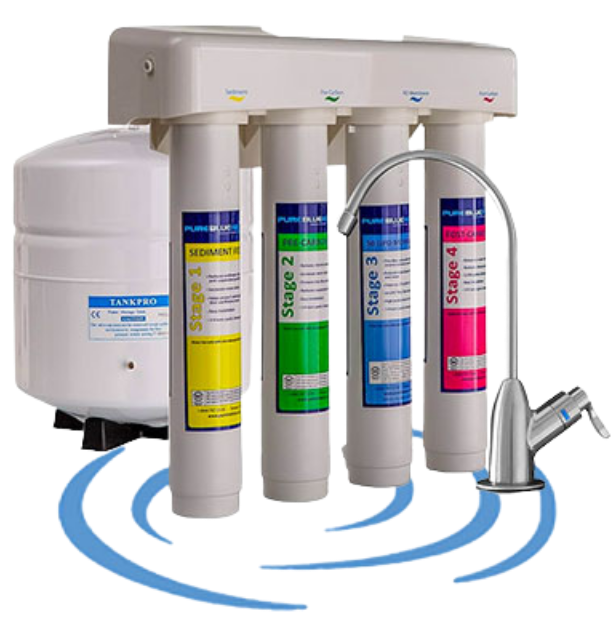
Get a free reverse osmosis drinking water system with the purchase of any whole-home water purification system.
*Cannot be combined with other offers. Mention this special when you call.