Reach Out Today
Please provide your email address so that we can stay in touch and answer any questions you have! We will be reaching back out shortly.

Hear from Our Customers
Your toilets and sinks stop collecting orange stains that won’t scrub off. That rotten egg smell disappears when you turn on the tap. Your appliances stop working overtime against mineral buildup that cuts their lifespan short.
You stop second-guessing whether the water your family drinks and bathes in is actually safe. Testing becomes routine instead of reactive. And when guests come over, you’re not embarrassed by what comes out of your faucet.
Most Hoyt homeowners don’t realize their well water issues aren’t just cosmetic. Iron and sulfur create problems you can see and smell, but bacteria and contaminants you can’t detect are often the bigger concern. A proper well water filtration system addresses both – the obvious problems and the invisible ones.
We specialize in whole-house water purification for Central Florida homeowners who rely on private wells. We’re not plumbers who dabble in filtration. We’re water treatment specialists who understand what makes Hoyt’s water different from the next town over.
We hold an A-rating with the Better Business Bureau with zero complaints and five-star reviews. We’re members of the National Water Quality Association, which means we follow industry standards that actually matter. And we’ve built our reputation on custom-designed systems based on real water testing – not generic solutions that work elsewhere but fail here.
Hoyt sits in an area where iron, sulfur, and bacterial contamination are common. We’ve seen it hundreds of times. That’s why we start every job with free water testing to know exactly what we’re dealing with before recommending a system.
We start with a free water test at your home. Not a basic test – a comprehensive analysis that measures iron levels, hydrogen sulfide, bacteria, pH, hardness, and other contaminants common in Hoyt’s groundwater. This tells us what we’re actually treating.
Once we have your results, we design a system based on your specific contamination levels and your household’s water usage. If you have 5 PPM of iron and sulfur odors, you need a different setup than someone with bacterial contamination and hard water. One size doesn’t fit all, and we don’t pretend it does.
Installation typically takes a day. We integrate the filtration system into your main water line so every tap in your house gets treated water. For iron and sulfur, that usually means hydrogen peroxide injection paired with a catalytic carbon filter – one of the most effective combinations for oxidizing and removing these contaminants. For bacteria, we add UV disinfection that kills 99.99% of microbes without chemicals.
After installation, most systems run automatically with minimal maintenance. Filters backwash on a schedule to clear out trapped contaminants. UV bulbs need annual replacement. We set up a maintenance plan so nothing gets missed.
Ready to get started?
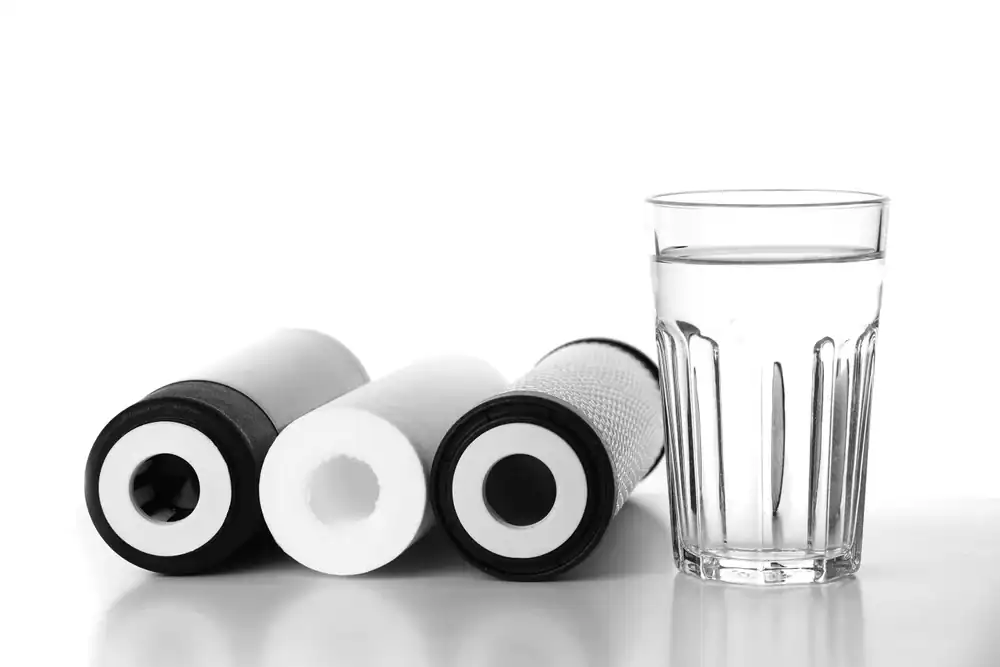
A complete well water filtration system for Hoyt homes typically includes multiple treatment stages depending on what’s in your water. Iron removal systems use either air injection oxidation or hydrogen peroxide injection to convert dissolved iron into particles that get filtered out. Both methods work, but hydrogen peroxide handles higher iron levels and treats sulfur at the same time.
For hydrogen sulfide treatment – that’s the rotten egg smell – we use oxidation followed by catalytic carbon filtration. The carbon removes the oxidized sulfur and improves taste and odor across the board. If your sulfur levels are high, this combination is more reliable than carbon alone.
Bacterial disinfection requires UV sterilization. These systems use ultraviolet light to destroy bacteria, viruses, and other microbes as water flows through. No chemicals, no taste change, no ongoing consumables except the annual bulb replacement. It’s continuous protection that works 24/7.
Hard water is separate but common in this area. If your test shows high mineral content, we’ll recommend a water softener to prevent scale buildup in pipes and appliances. It’s not always necessary, but when it is, it makes a noticeable difference in how long your water heater and dishwasher last.
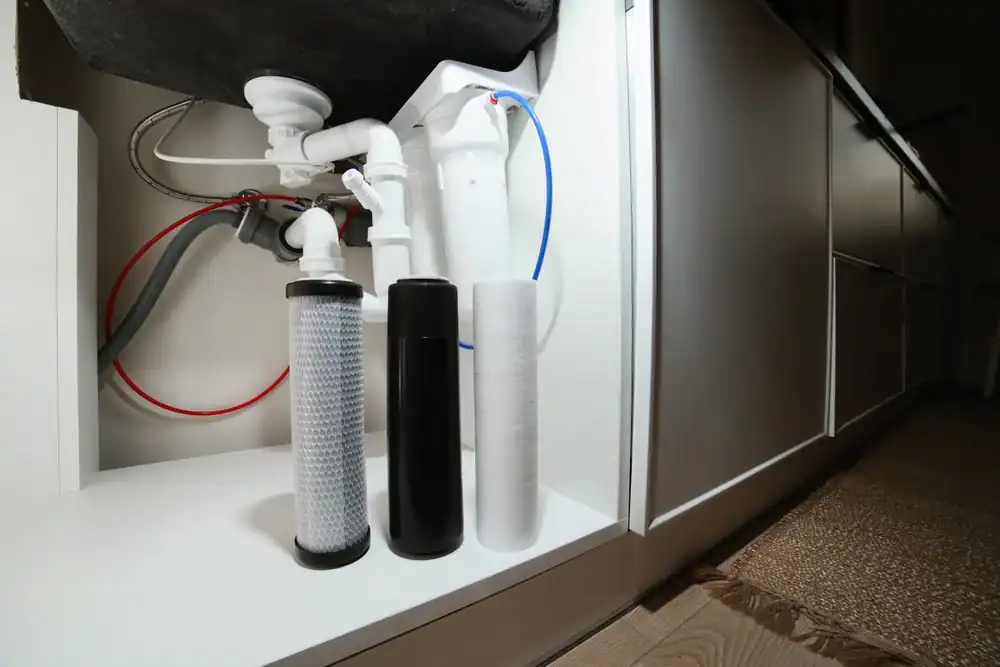
Everything gets installed on your main line after the pressure tank. That means every faucet, shower, toilet, and appliance gets filtered water. We size the system to maintain water pressure throughout your home even during peak usage.

If you see orange or red staining on fixtures, smell sulfur when you run the tap, or notice your water has a metallic taste, those are clear signs. But the contaminants that matter most for health – bacteria, nitrates, arsenic – don’t have obvious symptoms. That’s the problem with relying on what you can see or smell.
The Florida Department of Health recommends testing private wells at least once a year for bacteria and nitrates. Most Hoyt homeowners don’t do this until something seems wrong. By then, your family may have been drinking contaminated water for months.
We offer free water testing that goes beyond the basics. We test for iron, sulfur, bacteria, pH, hardness, and other common contaminants in Central Florida groundwater. The results tell you exactly what’s in your water and whether you need treatment. Even if your water looks and tastes fine, testing is the only way to know it’s actually safe.
Regular sediment filters catch particles that are already solid. They don’t do anything for dissolved iron, which is what most Hoyt wells contain. Dissolved iron is invisible when it comes out of your tap, but it oxidizes when exposed to air and turns into those rust-colored stains on everything it touches.
Iron removal systems use oxidation to convert dissolved iron into solid particles before filtration. Air injection oxidation pulls oxygen into the water to trigger this reaction. Hydrogen peroxide injection does the same thing but handles higher iron concentrations – up to 7 PPM – and treats hydrogen sulfide at the same time.
After oxidation, the water flows through a catalytic filter media that captures the iron particles and backwashes them out of the system automatically. This isn’t a filter you replace every few months. It’s a regenerating system that keeps working as long as it’s maintained properly. That’s why it’s more effective for well water than cartridge filters that clog quickly and stop working.
Yes, but it depends on the sulfur level and the treatment method. Hydrogen sulfide is what causes that rotten egg odor. Low levels – under 1 PPM – can sometimes be handled with activated carbon filters alone. Anything higher needs oxidation first.
We typically use hydrogen peroxide injection for hydrogen sulfide treatment in Hoyt because it’s effective up to 8 PPM and doesn’t require the maintenance that aeration systems do. The peroxide oxidizes the sulfur into particles, then catalytic carbon filtration removes them and polishes the water to eliminate any remaining taste or odor.
If your sulfur levels are extremely high, we may recommend a combination approach. But for most homes in this area, hydrogen peroxide injection paired with the right filter media solves the problem completely. The smell disappears at every tap, and it stays gone as long as the system is working. You’ll notice the difference immediately – no more hesitation before filling a glass of water or worrying about what guests think when they use your bathroom.
Most whole-house systems we install are designed to run with minimal maintenance. The filtration tanks backwash automatically on a schedule – usually once a day or every few days depending on your water usage and contamination levels. That process flushes out trapped iron, sulfur, and sediment so the filter media stays effective.
You don’t need to do anything for the backwash cycle. The system handles it. What you do need is an annual service check to inspect components, test water quality, and replace consumables like UV bulbs if you have bacterial disinfection. UV bulbs lose effectiveness after about a year even if they still produce light, so replacement isn’t optional if you want continuous protection against bacteria.
If you have a water softener as part of your system, you’ll need to add salt periodically – usually every few months depending on your water hardness and household size. That’s the extent of regular maintenance for most homeowners. We set up service reminders so nothing gets missed, and we’re available if you notice any changes in your water quality between scheduled visits.
If you’re talking about shock chlorination – dumping bleach down your well to kill bacteria – then yes, contamination often comes back. That’s because shock chlorination is a temporary fix. It doesn’t address the source of the bacteria, whether that’s surface water intrusion, a cracked well casing, or contamination in the aquifer itself.
UV disinfection is different. It treats water continuously as it flows into your home, so even if bacteria are present in your well, they’re killed before reaching your tap. The UV light destroys their DNA so they can’t reproduce or cause illness. It’s effective against E. coli, coliform bacteria, viruses, and other microbes that cause thousands of illnesses every year from contaminated well water.
The key is that UV systems need to be sized correctly for your flow rate and maintained properly. If the bulb isn’t replaced annually or the quartz sleeve gets dirty, effectiveness drops. But when installed and maintained right, UV disinfection provides 24/7 protection without adding chemicals to your water. It’s the most reliable long-term solution for bacterial contamination in private wells.
Please provide your email address so that we can stay in touch and answer any questions you have! We will be reaching back out shortly.
"*" indicates required fields
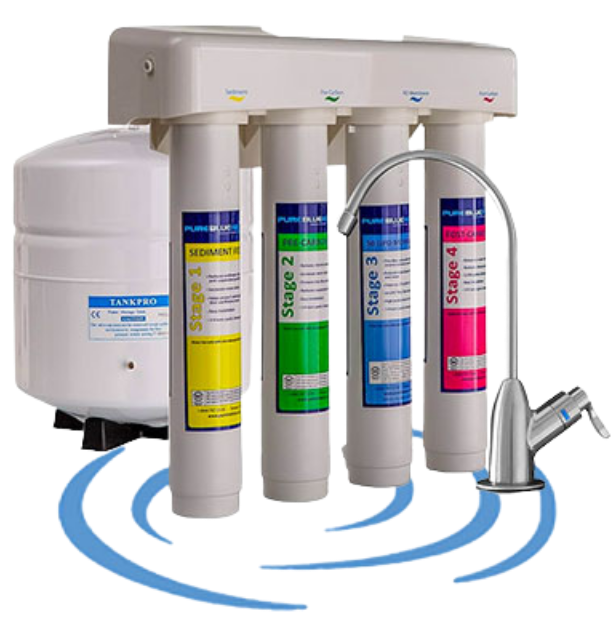
Get a free reverse osmosis drinking water system with the purchase of any whole-home water purification system.
*Cannot be combined with other offers. Mention this special when you call.