Reach Out Today
Please provide your email address so that we can stay in touch and answer any questions you have! We will be reaching back out shortly.

Hear from Our Customers
That sulfur smell disappears. The one that hits you in the morning shower or when guests walk into your bathroom. Hydrogen sulfide treatment eliminates the rotten egg odor at the source, so your water stops announcing itself before anyone turns on a faucet.
The orange and red stains stop spreading across your fixtures, laundry, and anything else your water touches. Iron removal systems pull out the dissolved minerals before they oxidize and leave rust-colored damage throughout your home. Your toilets stay white. Your clothes come out of the wash actually clean.
Your appliances last longer because they’re not fighting corrosive minerals and bacterial buildup every day. Water heaters that should give you 10-15 years won’t die at year 5. Dishwashers and washing machines don’t need constant repairs. The scale and slime that choke out equipment get stopped before they enter your plumbing system.
You stop second-guessing whether your family’s drinking water is safe. Professional well water bacteria disinfection handles the contamination you can’t see, while whole house filtration removes what you can. You’re not buying bottled water by the case or wondering what’s actually coming out of your tap.
We’re not a national chain that treats every home the same. We’re A+ rated with the Better Business Bureau with a five-star rating and zero complaints. We’re members of the National Water Quality Association, which means we follow industry standards that actually matter.
We understand what Hilden well water does to homes because we’ve seen it hundreds of times. The limestone geology in Central Florida allows minerals and organic material to seep into groundwater easily. That’s why sulfur, iron, and bacterial contamination show up so often in private wells around here.
We test your water first, recommend treatment based on what’s actually in it, and install systems that address your specific problems. Not someone else’s problems. Yours. And when you need service after installation, we’re the ones who show up, because we service what we sell.
We start with a professional water test. You need to know what contaminants are in your well before selecting any treatment system. We’re testing for iron, sulfur, bacteria, hardness, pH, and other issues common to Hilden groundwater. This isn’t a guess. It’s data.
Once we know what’s in your water, we recommend the right treatment approach. If you’ve got hydrogen sulfide, we might use hydrogen peroxide injection or air injection oxidation depending on concentration levels and what else is present. If iron bacteria is creating that orange slime in your toilet tanks, we’ll address both the bacterial growth and the mineral content feeding it.
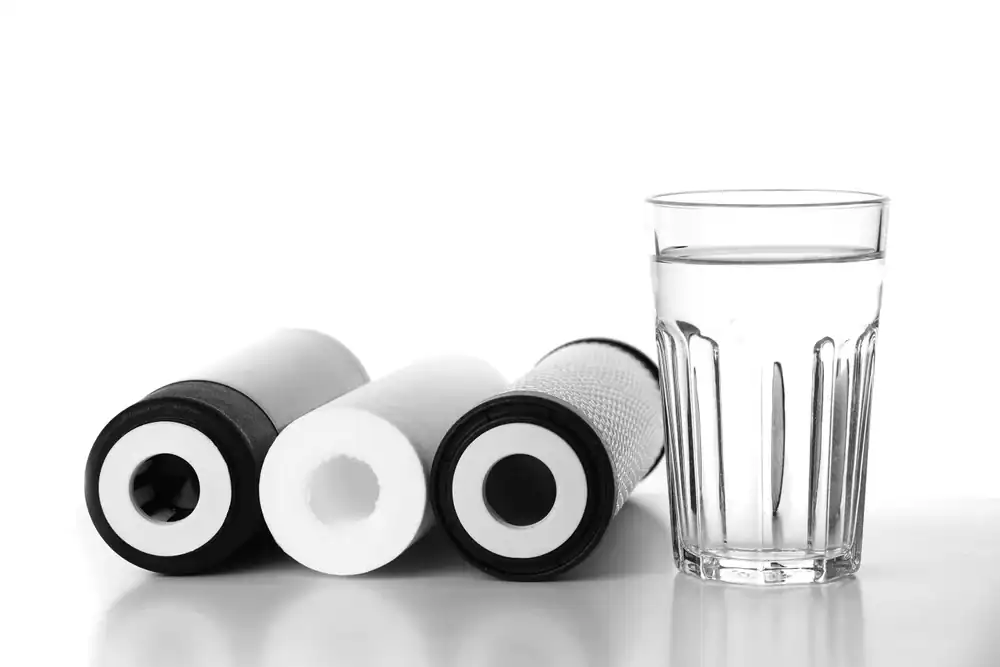
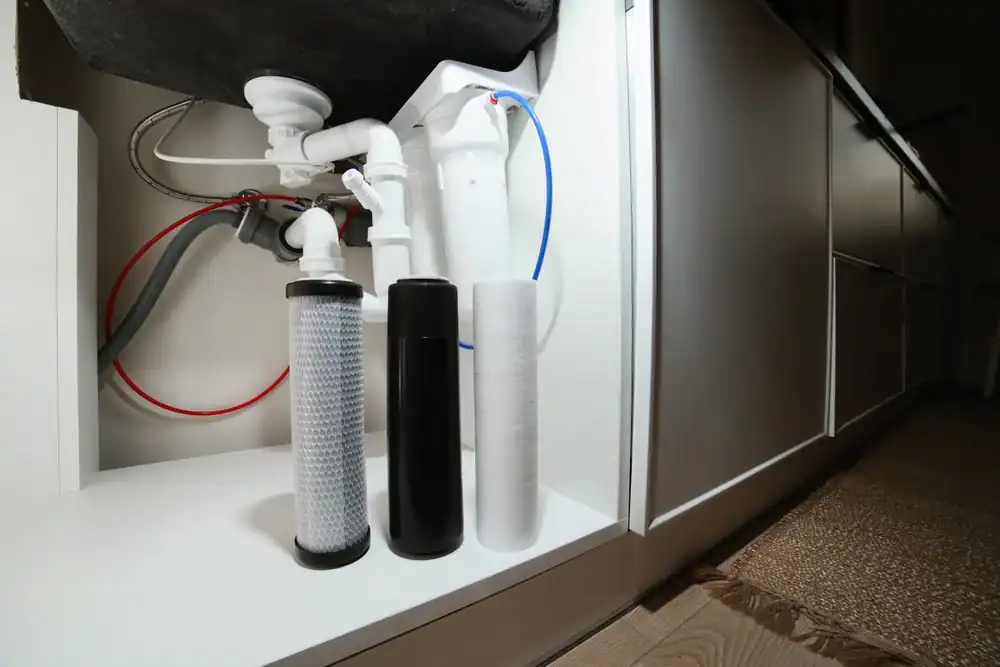
Installation is handled by our certified technicians who know Florida plumbing and local codes. We’re installing whole house systems that treat water at the point of entry, so every faucet in your home gets clean water. That includes sediment pre-filtration, the main treatment stage for your specific contaminants, and often a final carbon filter to polish everything before it reaches your taps.
We test the system before we leave. You’ll know exactly how it works, when filters need changing, and how to reach us if something comes up. We’re not disappearing after installation. You’ve got our number, and we’ll be the ones answering when you call.
Ready to get started?
Your well water filtration system is built around what your water test reveals. If sulfur is your main issue, we’re using treatment methods that specifically target hydrogen sulfide, not just masking the smell with carbon filters that won’t hold up. Air injection oxidation systems convert the gas into particles that get filtered out. Hydrogen peroxide injection does the same thing chemically. Both work. Which one fits depends on your water chemistry.
Iron removal systems handle both ferrous iron (dissolved and invisible) and ferric iron (oxidized and rust-colored). The treatment oxidizes dissolved iron so it can be filtered out before it stains anything. If you’ve got iron bacteria on top of mineral iron, we’re adding disinfection to kill the bacterial colonies and prevent that slimy buildup from coming back.
Hilden’s groundwater often carries multiple contaminants at once. It’s not unusual to need a system that handles sulfur, iron, hardness, and bacteria all in one setup. That’s why we design multi-stage treatment systems. Sediment filters catch particles. Oxidation stages handle sulfur and iron. Water softeners remove hardness. UV sterilization or chemical disinfection kills bacteria. Carbon filters remove any remaining tastes or odors.
You’re getting a system that’s sized correctly for your home’s water usage and designed to handle the specific problems in your well. Not a one-size-fits-all unit that might work for someone else’s water but doesn’t address what you’re dealing with. And you’re getting it installed by people who’ve done this enough times to know what actually works in Florida homes.

You need a professional water test that checks for the contaminants common to Hilden wells. That means testing for iron, manganese, sulfur (hydrogen sulfide), bacteria, hardness, pH, and total dissolved solids at minimum. If you’re smelling rotten eggs, you’ve got hydrogen sulfide. If you’re seeing orange or red stains, that’s iron. If there’s a slimy buildup in your toilet tank, you likely have iron bacteria.
But some problems don’t announce themselves with smells or stains. Bacterial contamination can be present without obvious signs. Hardness damages your plumbing and appliances quietly over time. A proper test tells you exactly what you’re dealing with so you’re not guessing about treatment.
We test your water before recommending any system. You’ll get a report that shows what’s in your water and at what levels. Then we can have a real conversation about which treatment methods make sense for your situation. No test means no data, and no data means you’re buying blind.
Iron is a mineral. Iron bacteria are microorganisms that feed on iron. Both cause problems, but they’re not the same thing and they don’t get fixed the same way.
Dissolved iron in your water turns into rust-colored stains when it oxidizes. You’ll see it on fixtures, in laundry, and anywhere water sits. An iron removal system oxidizes the dissolved iron and filters it out before it can stain anything. That handles the mineral.
Iron bacteria create a slimy, orange or reddish buildup that coats surfaces and produces its own unpleasant odor. These bacteria thrive in iron-rich environments and form colonies in your well, pipes, and water heater. You can’t just filter them out. You need disinfection to kill the bacteria, and then you need to remove the iron they’re feeding on so they don’t come back.
If you’ve got iron bacteria, you’re dealing with both issues at once. We treat the bacterial contamination with shock chlorination or continuous disinfection, and we install an iron removal system to eliminate their food source. Skip either part and the problem returns.
No. A water softener removes hardness minerals like calcium and magnesium. It’s not designed to handle hydrogen sulfide or iron, even though some people try to use it that way.
Sulfur requires oxidation treatment or chemical injection to convert hydrogen sulfide gas into a form that can be filtered. Air injection oxidation systems do this by introducing oxygen. Hydrogen peroxide injection does it chemically. Both methods work for sulfur, but a softener doesn’t touch it.
Iron needs to be oxidized and filtered out before it reaches your softener. If you run iron through a water softener, you’ll foul the resin bed and create more problems. The iron coats the resin, reduces the softener’s effectiveness, and can feed iron bacteria growth inside the tank.
If your Hilden well has hardness, sulfur, and iron all at once, you need a multi-stage system. Treat the sulfur and iron first, then soften the water. Trying to make one piece of equipment do everything means it won’t do any of it well. We see this mistake often when homeowners buy a softener thinking it’s a complete solution. It’s not.
It depends on what type of system you have and what it’s removing from your water. Sediment pre-filters usually need changing every 3-6 months depending on how much particulate matter is in your well. Carbon filters last 6-12 months in most cases. If your water is heavily contaminated, you’ll go through filters faster.
Air injection oxidation systems need the air pump and media checked annually. The media itself can last several years if the system is maintained properly. Hydrogen peroxide injection systems need the peroxide tank refilled, which varies based on your water usage and how much sulfur you’re treating. We’ll tell you what to expect based on your system.
Water softeners need salt added regularly, and the resin bed should be cleaned annually if you’re dealing with any iron. UV sterilization systems need the bulb replaced once a year because UV output decreases over time even if the bulb still lights up. Skipping that replacement means you’re not getting effective disinfection.
We provide maintenance service for the systems we install. You’ll know what needs attention and when. Most homeowners can handle simple tasks like changing pre-filters and adding salt. For everything else, we’re available. Regular maintenance keeps your system working correctly and prevents small issues from turning into expensive repairs.
You could, but it’s not a good idea unless you have plumbing experience and understand water chemistry. Well water treatment isn’t like installing a faucet. You’re working with pressure tanks, backwash cycles, chemical injection, and sometimes electrical components for UV systems or control valves.
If the system isn’t sized correctly for your flow rate, it won’t keep up with demand when multiple fixtures are running. If the treatment stages are in the wrong order, you won’t get the results you’re expecting. If backwash settings are wrong, you’ll waste water or fail to clean the media properly. If chemical injection rates are off, you’re either under-treating the problem or overdosing your water.
Florida plumbing codes also apply. Your installation needs to meet local requirements, which means proper drainage for backwash discharge, correct venting, and appropriate materials for the application. Inspectors do check this stuff, especially if you’re selling your home later.
We install systems correctly the first time. That includes sizing equipment properly, setting up controls, testing output water quality, and making sure everything meets code. You’re not troubleshooting why your expensive system isn’t working. You’re getting clean water immediately because it was done right. The money you’d save on DIY installation gets eaten up quickly when something goes wrong and you’re calling someone to fix it anyway.
Please provide your email address so that we can stay in touch and answer any questions you have! We will be reaching back out shortly.
"*" indicates required fields