Reach Out Today
Please provide your email address so that we can stay in touch and answer any questions you have! We will be reaching back out shortly.

Hear from Our Customers
No more orange rings in your toilet that reappear two days after scrubbing. No more rotten egg smell when guests turn on the faucet. No more wondering if what’s coming out of your tap is safe for your family to drink.
That’s what happens when your well water filtration system is designed specifically for your water chemistry. The iron that’s been destroying your appliances gets removed before it reaches your water heater. The hydrogen sulfide causing that sulfur smell gets neutralized. The bacteria creating slimy buildup in your fixtures gets eliminated.
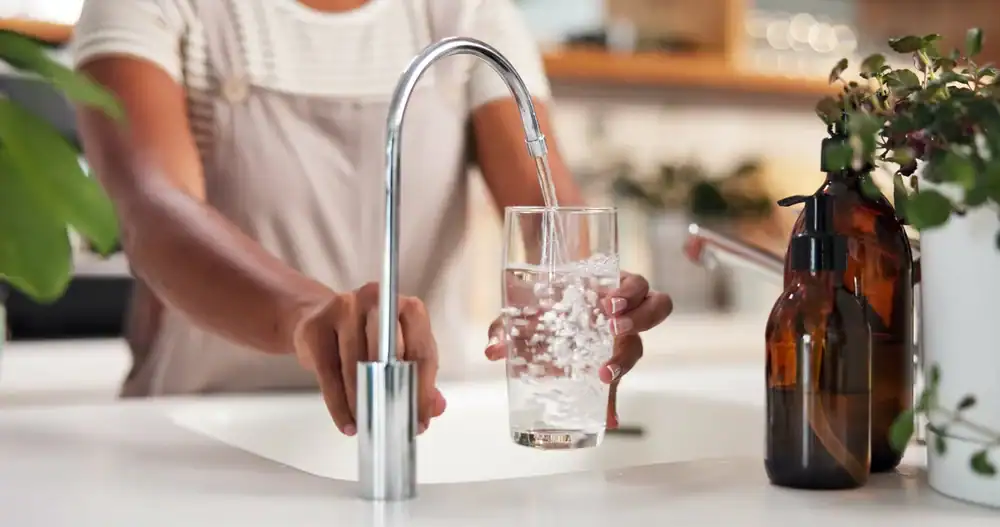
Your laundry comes out actually clean instead of stained. Your coffee doesn’t taste metallic. Your water heater lasts years longer because it’s not fighting iron sediment every day. You stop buying bottled water because you trust what comes from your tap.
Most Hastings homeowners don’t realize their well water issues are fixable until they see what properly treated water looks like. The difference isn’t subtle.
We’ve spent over 50 years figuring out how to fix the specific water problems that come with living in Central Florida. We’re members of the National Water Quality Association, and we hold an A+ Better Business Bureau rating with zero complaints.
That matters because well water in Hastings isn’t like well water anywhere else. The limestone aquifer beneath St. Johns County creates unique challenges with sulfur, iron, and bacterial contamination. Most national companies show up with generic solutions that don’t account for local geology.
We test your specific water chemistry first, then design a system around what’s actually in your well. That’s why we offer free water analysis before recommending anything. We’re not interested in selling you equipment you don’t need.
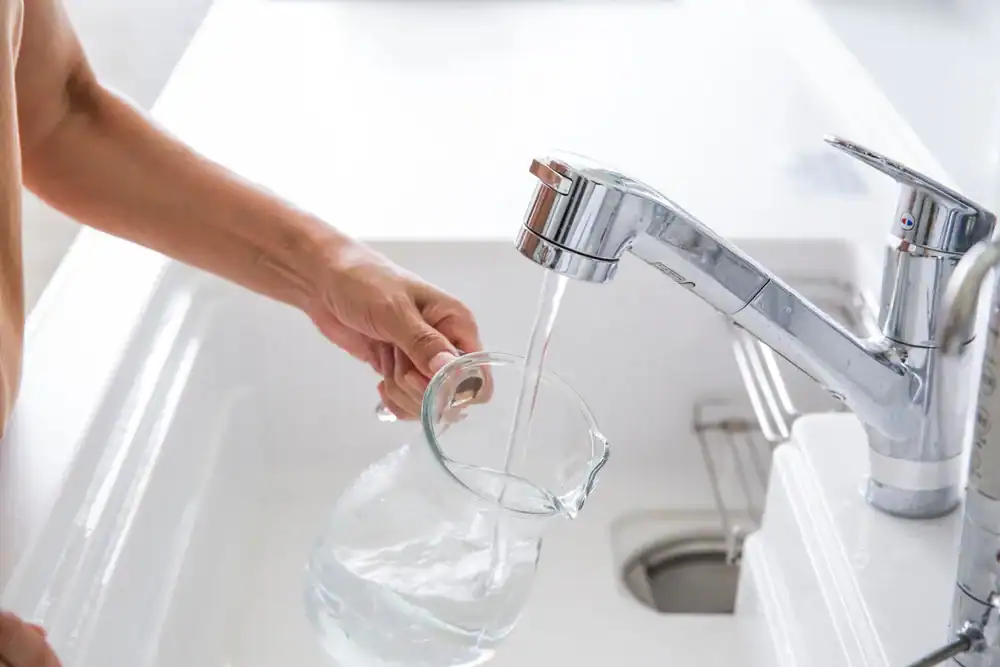
First, we test your water. Not a basic test strip—a comprehensive analysis that shows us iron levels, sulfur content, bacterial presence, pH balance, and hardness. This tells us what treatment methods will actually work for your specific situation.
Then we design your system. If you have high iron content, we might recommend an air injection oxidation system that converts dissolved iron into particles your filter can catch. For hydrogen sulfide problems, hydrogen peroxide injection neutralizes the sulfur before it reaches your fixtures. Bacterial contamination gets handled with disinfection systems that eliminate E.coli and iron bacteria.
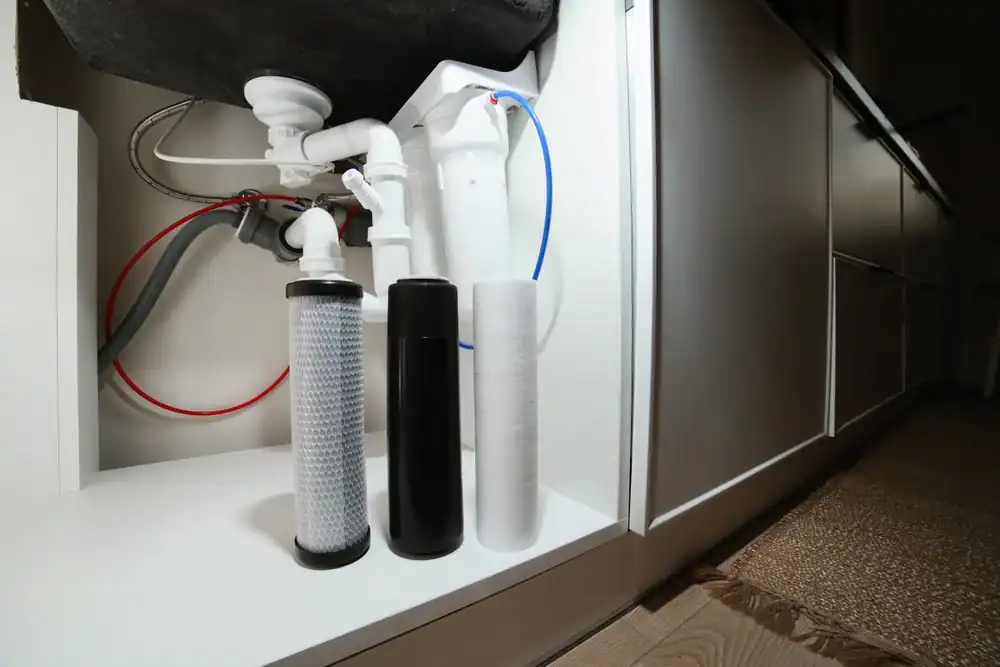
Installation happens at your main water line, so every tap in your house gets treated water. We size the system based on your household’s water usage and your well’s flow rate. Most whole-house installations take a day.
After installation, you get a custom maintenance schedule. Some systems need filter changes every few months. Others run for years with minimal attention. We show you exactly what to expect and when to call us.
Ready to get started?
Iron removal systems use air injection oxidation or hydrogen peroxide injection to convert dissolved iron into solid particles your filter catches. This stops the orange stains on everything and protects your appliances from sediment damage. Most Hastings wells have enough iron content to need this.
Hydrogen sulfide treatment eliminates the rotten egg smell that comes from sulfur in your water. The limestone deposits throughout Central Florida make this one of the most common complaints we hear. Treatment involves oxidizing the sulfur before it reaches your plumbing.
Well water bacteria disinfection targets E.coli, coliform bacteria, and iron bacteria. That slimy orange buildup in your toilet isn’t just gross—it’s a sign of bacterial contamination. Disinfection systems eliminate these organisms before they enter your home’s plumbing.
We also install whole-house filtration that addresses multiple issues at once. If your water has iron, sulfur, and bacteria—which is common in Hastings—a comprehensive system handles all three. We design these based on your water analysis, not a one-size-fits-all approach.
Every system we install comes with a consultation about what maintenance looks like. Some homeowners want salt-free, chemical-free options. Others prioritize low maintenance over everything else. We match the equipment to what actually works for your situation.

Orange or brown stains around your sinks, toilets, and tubs mean you have iron in your water. A rotten egg smell when you turn on the tap indicates hydrogen sulfide from sulfur. Slimy orange or reddish streaks that keep coming back after cleaning point to iron bacteria.
These aren’t just cosmetic problems. Iron destroys water heaters and appliances from the inside. Sulfur makes your water undrinkable. Bacteria can include harmful organisms like E.coli.
The only way to know exactly what’s in your water is professional testing. We offer free water analysis that measures iron content, sulfur levels, bacterial presence, pH, and hardness. That analysis tells us what treatment methods will work for your specific well.
Regular carbon filters can’t handle dissolved iron. The iron passes right through and continues staining everything downstream. You need a system that converts dissolved iron into solid particles first, then filters those particles out.
Air injection oxidation systems add oxygen to your water, which makes dissolved iron oxidize into rust particles. Those particles get caught by your filter media. Hydrogen peroxide injection does the same thing chemically—it oxidizes the iron so your filter can remove it.
The system you need depends on your iron concentration and what else is in your water. High iron with sulfur requires a different approach than iron with bacteria. That’s why we test first instead of guessing.
Yes, but only if the system is designed to treat hydrogen sulfide specifically. That rotten egg smell comes from sulfur gas dissolved in your water. Standard filters don’t remove gases.
Hydrogen sulfide treatment works by oxidizing the sulfur before it reaches your plumbing. Hydrogen peroxide injection is one method. Air injection oxidation is another. Both convert the dissolved gas into particles your filter can catch.
The smell usually disappears completely once treatment is installed. You’ll notice the difference immediately—no more sulfur odor when you shower or run the tap. The treatment also prevents the black staining that hydrogen sulfide causes on silverware and fixtures.
Cost depends entirely on what’s wrong with your water and how much water your household uses. A basic iron removal system for a small home runs less than a comprehensive whole-house system treating iron, sulfur, and bacteria for a large family.
We don’t quote prices before testing your water because we’d be guessing. Your well might have issues that require specific treatment methods. Your water usage affects system sizing. Your plumbing setup impacts installation complexity.
What we can tell you is that fixing your water costs less than replacing appliances every few years. Water heaters damaged by iron sediment fail 2-3 years early. Washing machines break down faster. Plumbing fixtures need constant replacement. Proper filtration prevents all of that.
Maintenance frequency depends on your system type and your water chemistry. Systems treating high iron content need more frequent attention than systems handling light contamination. Filter media eventually gets saturated and needs replacement.
Most whole-house systems need a filter change every 3-6 months. Some advanced systems go a year or longer. We give you a specific maintenance schedule based on your equipment and water analysis.
The maintenance isn’t complicated. Many homeowners handle filter changes themselves. Others prefer us to do it. Either way, skipping maintenance means your system stops working effectively. The iron and sulfur start getting through again. Regular upkeep keeps your water consistently clean.
Please provide your email address so that we can stay in touch and answer any questions you have! We will be reaching back out shortly.
"*" indicates required fields