Reach Out Today
Please provide your email address so that we can stay in touch and answer any questions you have! We will be reaching back out shortly.

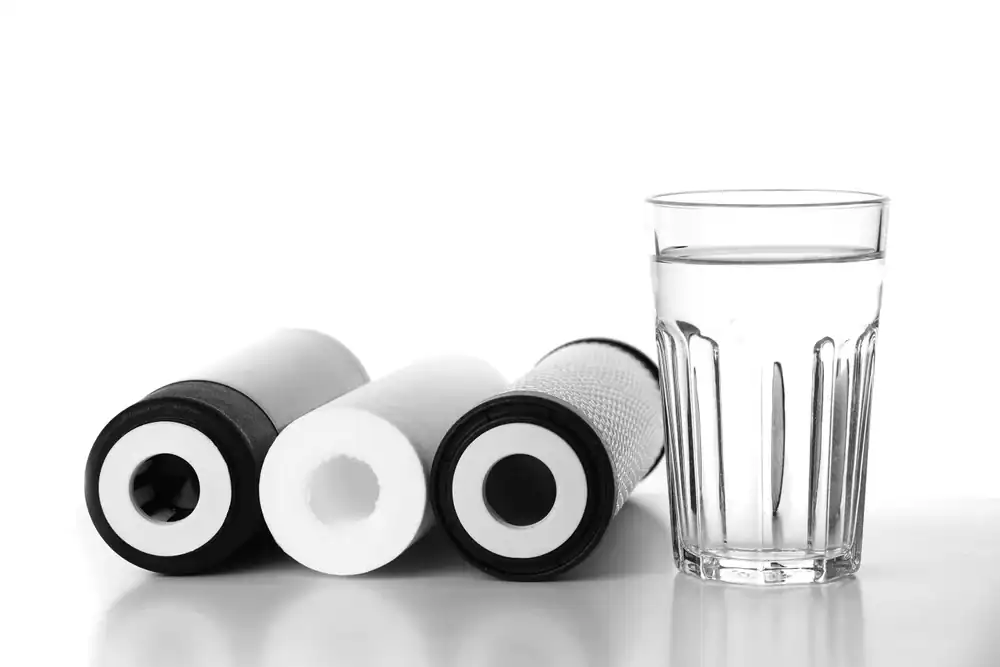
Hear from Our Customers
The rotten egg smell disappears. Showers don’t reek. Guests stop asking questions.
Orange stains quit showing up on your toilets, sinks, and laundry. You stop scrubbing rust off everything or replacing stained towels every few months. Your water heater lasts longer because it’s not clogged with iron sediment and bacterial buildup.
You drink from the tap without second-guessing it. You cook with water that doesn’t taste metallic or smell like sulfur. Your kids brush their teeth and you’re not wondering what’s in the water.
That’s what proper well water filtration does. It removes the iron, kills the bacteria, eliminates the hydrogen sulfide gas causing that sulfur smell, and gives you water you’d actually want to use. Not just tolerate.
Most Fort Matanzas homeowners with private wells deal with at least one of these problems. Florida’s limestone geology loads groundwater with sulfur compounds and iron. Bacteria find their way into wells through surface contamination or thrive naturally in low-oxygen environments. It’s not your fault—it’s geology.
We focus exclusively on water treatment—not plumbing, not water heaters, just filtration and purification. We’re members of the National Water Quality Association, which means certified training and adherence to industry standards that most companies skip.
Our Better Business Bureau rating is A+ with a 5-star review average and zero complaints. That matters when you’re comparing us to national companies that sell systems but don’t service them. We install it, we test it, we maintain it.
We’ve been serving Fort Matanzas and the surrounding North Florida area long enough to know exactly what’s in the groundwater here. Sulfur from limestone deposits. Iron that oxidizes into rust. Bacteria that thrive in Florida’s warm, oxygen-depleted well environments. We don’t guess at solutions—we test your water, identify the contaminants, and install the treatment system that actually handles your specific problem.
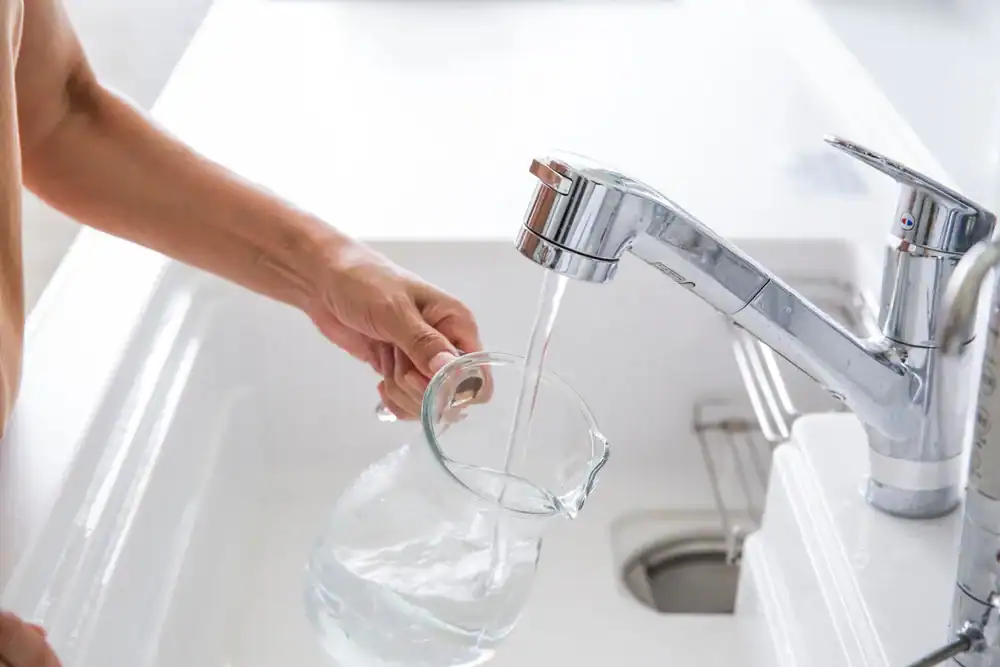
We start with a comprehensive water test. Not the basic kit you get at the hardware store—a real analysis that identifies iron levels, sulfur content, bacteria presence, pH, hardness, and anything else affecting your water quality. Testing is the only way to know what you’re dealing with.
Once we know what’s in your water, we recommend the treatment system that handles it. If you’ve got iron and sulfur, that’s typically an air injection oxidation system or hydrogen peroxide injection—both oxidize iron so it can be filtered out and eliminate hydrogen sulfide gas. If bacteria like E. coli are present, we add disinfection into the process. If you’ve got hard water on top of everything else, we address that too.
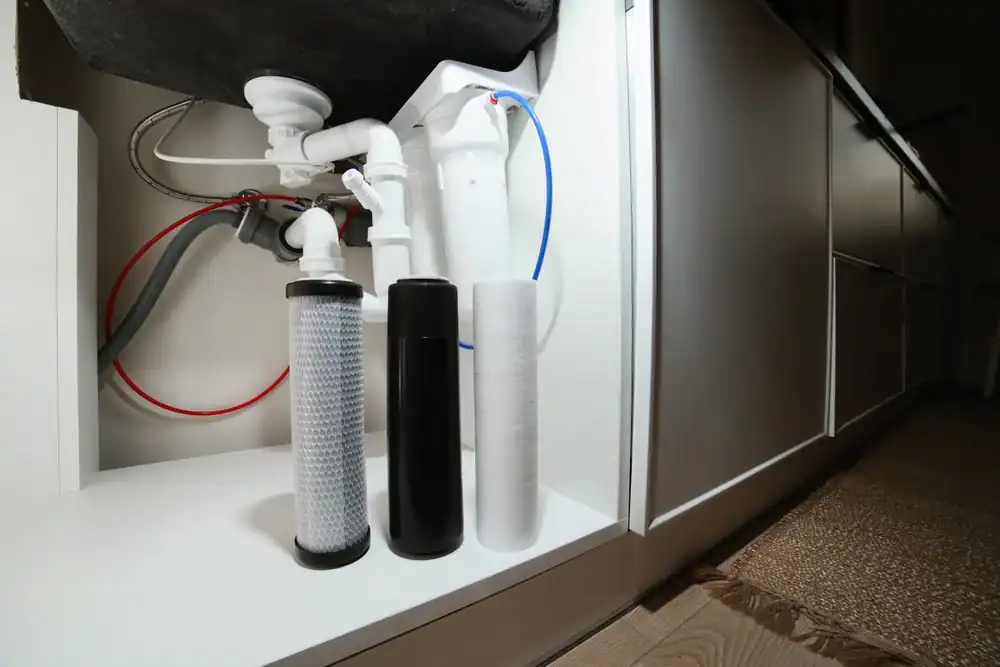
Installation is whole-house, point-of-entry treatment. That means the system treats water right where it enters your home, before it reaches any faucet, shower, or appliance. Every drop gets filtered.
After installation, the system runs automatically. Depending on which treatment method we install, you might need to refill a hydrogen peroxide tank once or twice a year—that’s about it. We provide maintenance support and can test your water again down the road if anything changes.

Ready to get started?
Our well water filtration systems handle the most common Fort Matanzas water problems: iron removal, sulfur treatment, and bacteria disinfection. These aren’t temporary fixes or under-sink filters—they’re whole-house systems designed for Florida well water.
Iron removal systems use either air injection oxidation or hydrogen peroxide injection to oxidize dissolved iron into particles that get filtered out. Both methods work. Hydrogen peroxide costs about $200-$300 per year to maintain, but it’s a small price for water that doesn’t stain everything orange. Air injection systems require less ongoing cost but need the right water chemistry to be effective.
Hydrogen sulfide treatment eliminates that rotten egg smell by oxidizing the gas into sulfur particles, which then get filtered. It’s the same oxidation process used for iron—often handled by the same system if you’ve got both problems.
Bacteria disinfection kills harmful organisms like E. coli and iron bacteria. This usually involves chlorination, UV treatment, or hydrogen peroxide injection depending on the bacteria type and concentration. Testing tells us which method your water needs.
Approximately 85% of well water systems tested in this region show elevated hydrogen sulfide and iron. You’re not alone in dealing with this. Florida’s sandy soil and limestone geology make it nearly inevitable for private wells.

If you smell rotten eggs, see orange or red stains, or notice a metallic taste, you need treatment. Those are hydrogen sulfide gas, iron oxidation, and dissolved metals—all common in Fort Matanzas well water.
But some problems don’t have symptoms. Bacterial contamination has no smell or taste, and it can cause stomach issues, diarrhea, or worse in kids and elderly family members. The only way to know for sure is testing.
Florida doesn’t require routine testing for private wells, but the state recommends testing for coliform bacteria and nitrates every year. Most homeowners only test when buying their home, then never again. That’s a mistake. Water quality changes over time as geology shifts, surface contamination occurs, or well components age.
We provide comprehensive testing that goes beyond basic bacteria and nitrates. We measure iron, sulfur, pH, hardness, and other contaminants so you know exactly what’s in your water and what treatment it needs.
Both methods oxidize dissolved iron so it can be filtered out, but they work differently. Air injection oxidation injects oxygen into your water, which reacts with iron and turns it into rust particles. Those particles get trapped in a filter media and backwashed out periodically.
Hydrogen peroxide injection uses a chemical oxidizer instead of air. It’s more aggressive, which means it handles higher iron levels and works in water conditions where air injection struggles—like low pH or high sulfur content. The downside is you need to refill a peroxide tank once or twice a year, costing $200-$300 annually.
Air injection systems have lower ongoing costs because they just use air, but they need the right water chemistry to be effective. If your pH is too low or you’ve got bacterial iron, air injection might not cut it.
We test your water first and recommend whichever system actually handles your specific iron problem. There’s no one-size-fits-all answer—it depends on your iron levels, pH, sulfur content, and whether bacteria are present.
Yes, if it’s designed to treat hydrogen sulfide. The rotten egg smell is hydrogen sulfide gas, and proper treatment oxidizes that gas into sulfur particles that get filtered out. Once the gas is gone, the smell is gone.
Most systems that handle iron also handle sulfur because the treatment process is similar—oxidation followed by filtration. Whether we use air injection, hydrogen peroxide, or chlorination depends on your sulfur levels and what else is in your water.
Hydrogen sulfide is one of the most common complaints from Fort Matanzas well owners. It’s caused by sulfur compounds in Florida’s limestone geology and bacteria that thrive in low-oxygen well environments. The smell is unmistakable and embarrassing when guests come over.
The key is treating it at the source with a whole-house system. Under-sink filters or pitcher filters won’t touch it because hydrogen sulfide is a gas that affects all your water, not just what you drink. You need point-of-entry treatment that handles every tap, shower, and appliance.
It depends on the system type and your water conditions. Most systems backwash automatically—meaning they clean themselves by flushing trapped contaminants down the drain. You don’t do anything. That happens on a timer, usually every few days.
If you have a hydrogen peroxide injection system, you’ll need to refill the peroxide tank once or twice a year. It’s a simple process, and we can show you how or handle it for you.
Filter media eventually wears out and needs replacement, but that’s typically every 5-10 years depending on your water quality and usage. We’ll let you know when it’s time.
Annual water testing is smart even after you install a system. It confirms everything is still working correctly and catches any changes in your well water before they become problems. We offer testing as part of ongoing service.
The biggest maintenance mistake is ignoring your system. If something stops working—like a timer fails or a valve sticks—your water quality drops fast. We provide service support so you’re not stuck dealing with problems alone.
Yes, but only if the system includes disinfection. Standard iron and sulfur filters don’t kill bacteria—they just remove particles. You need chlorination, UV light, or hydrogen peroxide injection to disinfect.
Chlorination injects a small amount of chlorine into your water, which kills bacteria on contact. The chlorine then gets filtered out before water reaches your taps, so you don’t taste or smell it. It’s effective and reliable.
UV light systems use ultraviolet radiation to destroy bacteria DNA, which kills them without adding chemicals. UV works well for bacteria but doesn’t help with iron or sulfur, so it’s usually combined with other treatment methods.
Hydrogen peroxide injection kills bacteria and oxidizes iron and sulfur, making it a multi-purpose solution. It’s often the best choice for Fort Matanzas well water because you’re dealing with multiple contaminants at once.
Bacterial contamination is serious. Drinking or cooking with contaminated water can cause illness, especially in children or elderly family members. If your water tests positive for coliform bacteria or E. coli, disinfection isn’t optional—it’s necessary.
Please provide your email address so that we can stay in touch and answer any questions you have! We will be reaching back out shortly.
"*" indicates required fields