Reach Out Today
Please provide your email address so that we can stay in touch and answer any questions you have! We will be reaching back out shortly.

Hear from Our Customers
Your morning shower stops smelling like rotten eggs. That’s the first thing most people notice—the sulfur odor is just gone.
The orange ring around your toilet disappears within a few weeks. Your dishes come out of the dishwasher without spots. Your whites stay white instead of turning rust-colored in the wash.
But the bigger shift happens over time. Your water heater lasts years longer because it’s not clogged with mineral buildup. Your washing machine doesn’t break down from iron deposits. Your fixtures stay clean without constant scrubbing.
If you’ve been buying bottled water for drinking or cooking, that expense ends. Every faucet in your home delivers clean water—not just one filter pitcher sitting on your counter.
This isn’t about a single improvement. It’s about eliminating a dozen small problems that add up to real money and daily frustration.
We serve homeowners throughout Flemington and Central Florida who need reliable well water treatment. We’re members of the National Water Quality Association, which means we follow actual industry standards—not just marketing claims.
Our Better Business Bureau rating is A+ with five stars and zero complaints. That’s not common in this industry, especially compared to national companies that sell systems but don’t service them.
We built our business on whole-house purification systems designed specifically for Florida wells. The limestone aquifers, warm climate, and high water tables here create unique contamination issues that generic systems can’t handle. We test your specific water, size the system based on your flow rate and contamination levels, and stay available when you need service down the road.
We start with comprehensive water testing at your property. This isn’t a basic hardness test—we’re checking for iron levels, hydrogen sulfide concentration, bacteria, pH, and other contaminants common in Flemington wells.
Once we know what’s in your water, we design a system that addresses your specific issues. If you have high iron and sulfur, that might mean an air injection oxidation system combined with proper filtration. If bacteria is the concern, we’ll likely recommend hydrogen peroxide injection or UV disinfection.
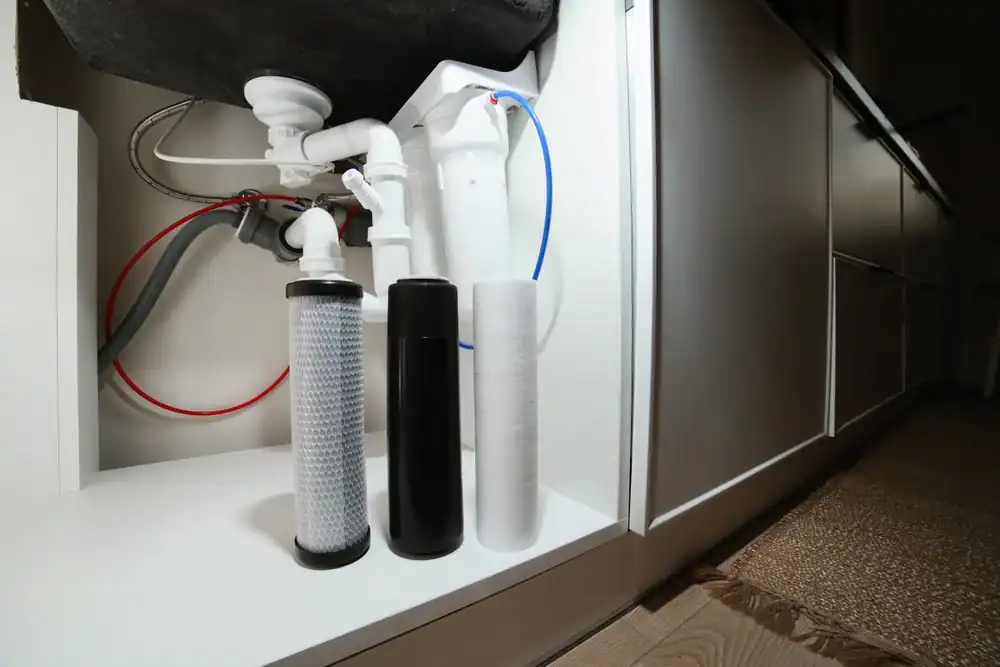
The installation happens at your main water line, before water reaches any fixtures or appliances. That’s what makes it a whole-house system—every drop gets treated before it enters your home.
After installation, you’ll notice immediate changes in smell and taste. Staining takes a few weeks to clear up as the existing deposits fade. We walk you through what to expect and provide straightforward maintenance guidance so your system keeps working correctly.
Most systems need minimal attention once they’re running. We’re available for service calls, filter changes, or any questions that come up.
Ready to get started?
Iron removal systems eliminate the mineral that causes orange staining on everything it touches. In Flemington, iron concentrations in well water often exceed 3-5 parts per million—way above the level that causes visible problems. Air injection oxidation converts dissolved iron into particles that get filtered out before reaching your faucets.
Hydrogen sulfide treatment targets that unmistakable rotten egg smell. This gas occurs naturally in Florida wells due to our unique geology and warm temperatures that accelerate bacterial activity. Treatment methods range from aeration to chemical oxidation, depending on concentration levels in your specific well.
Well water bacteria disinfection addresses contamination you can’t see or smell. Over 4,400 Florida wells tested since 2005 showed chemical or bacterial concentrations above federal drinking water standards. UV disinfection or hydrogen peroxide injection systems kill bacteria without adding chlorine taste to your water.
The right system depends on your water test results, household size, and flow rate requirements. We don’t sell one-size-fits-all solutions because Flemington wells vary significantly even within the same neighborhood.

System costs typically range from $2,500 to $8,000 depending on what contaminants we’re treating and your home’s water flow requirements. A basic iron and sulfur removal setup runs less than a complex system handling multiple issues like bacteria, hardness, and chemical contamination.
The price includes water testing, equipment, installation, and startup. We size everything based on your actual needs—not the biggest system we can sell you.
Compare that cost to replacing a water heater every 5-7 years instead of 12-15, or buying bottled water indefinitely, or dealing with appliance repairs from mineral damage. The system pays for itself over time through what you’re not spending on those other problems.
We offer a $500 discount for military personnel and first responders. Financing options are available if you’d rather spread payments out instead of paying upfront.
Air injection oxidation uses oxygen to convert dissolved iron and sulfur into solid particles that get filtered out. It’s chemical-free, cost-effective for moderate contamination levels, and works well for most Flemington wells. The system injects air into your water line, holds it in a retention tank while oxidation happens, then filters out the particles.
Hydrogen peroxide injection is a chemical oxidation method that handles higher contamination levels and also disinfects bacteria. It’s more aggressive than air injection and necessary when you’re dealing with severe iron, sulfur, and bacteria all at once.
We recommend air injection for straightforward iron and sulfur issues because it’s simpler and has lower operating costs. Hydrogen peroxide makes sense when your water test shows bacterial contamination alongside high mineral levels, or when air injection alone won’t achieve the results you need.
The decision comes down to your specific water test results. We’ll explain which method fits your situation and why.
Most whole-house systems need a filter change every 6-12 months depending on your water quality and household usage. That’s typically a 15-minute job once you know how to do it. We show you the process during installation.
If you have an iron filter with a backwashing system, it runs automatically and just needs occasional media replacement every few years. Hydrogen peroxide injection systems need the peroxide tank refilled periodically—how often depends on your water usage and contamination levels.
UV disinfection systems need annual bulb replacement to maintain effectiveness. The bulbs lose strength over time even though they still produce light, so staying on schedule matters for bacteria protection.
We provide maintenance schedules specific to your system and send reminders when service is due. You can handle basic filter changes yourself or schedule us to do it. Either way, these systems are designed for long-term operation without constant attention.
Yes, but the treatment method depends on your hydrogen sulfide concentration. That rotten egg smell comes from sulfur bacteria producing hydrogen sulfide gas in your well or water heater.
For low to moderate levels (under 5 ppm), an air injection oxidation system handles it effectively. The aeration process releases the gas and oxidizes remaining sulfur compounds so they can be filtered out.
Higher concentrations need more aggressive treatment like hydrogen peroxide injection or chlorination followed by filtration. These methods chemically neutralize the hydrogen sulfide before it reaches your faucets.
Sometimes the smell only appears in hot water, which means bacteria are growing in your water heater rather than your well. In those cases, we might recommend treating the heater separately or adjusting your whole-house system to address the bacterial source.
We test your water first to measure actual sulfur levels, then recommend the treatment that’ll eliminate the smell completely. You shouldn’t have to live with that odor or wonder if it’ll come back.
Probably, if your Flemington well has both hardness and contamination issues—which is common in Central Florida. Hard water and iron often occur together because of our limestone aquifers.
A water softener removes calcium and magnesium that cause scale buildup. A filtration system removes iron, sulfur, bacteria, and other contaminants. They solve different problems and typically work in sequence.
The usual setup puts iron and sulfur removal first, then water softening, then any final filtration or UV disinfection. This order matters because iron can foul softener resin if it’s not removed first.
Some combination systems claim to handle both hardness and iron, but they rarely work well long-term when you’re dealing with Florida’s high iron concentrations. Separate systems designed for specific jobs perform better and last longer.
We test for both hardness and contaminants during our water analysis. If you need both types of treatment, we’ll design a system that addresses everything in the right sequence.
Please provide your email address so that we can stay in touch and answer any questions you have! We will be reaching back out shortly.
"*" indicates required fields