Reach Out Today
Please provide your email address so that we can stay in touch and answer any questions you have! We will be reaching back out shortly.


Hear from Our Customers
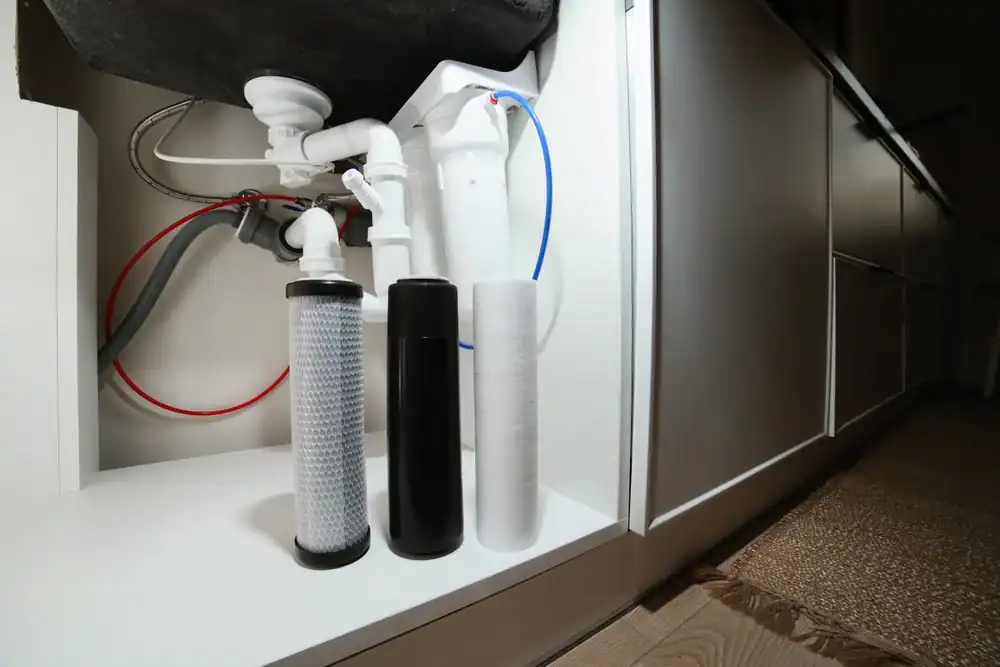
That orange ring around your toilet that won’t scrub away? Gone. The rotten egg smell when you turn on the shower? Eliminated. The worry about what’s actually in your water? Handled.
When your well water filtration system is designed for Fellowship’s specific geology, you stop fighting the same problems over and over. Your fixtures stay clean. Your appliances last longer. Your water heater isn’t getting destroyed by iron buildup.
You’re not buying bottled water for drinking while using contaminated water for everything else. Every faucet, every shower, every appliance gets the same clean water. That’s what a whole house system means—complete coverage, not a temporary fix under one sink.
The difference shows up fast. No more explaining the smell to guests. No more replacing stained towels and clothes. Just normal water that doesn’t make you think twice before using it.
We hold an A+ Better Business Bureau rating with a 5-star rating and zero complaints. That’s not common in this industry, especially when you look at the national companies operating in Fellowship.
We’re members of the National Water Quality Association, which means we follow actual industry standards for water treatment. We don’t do plumbing. We don’t sell water heaters. We focus entirely on water purification, softening, and filtration—and we’ve built our reputation on doing that one thing right.
Fellowship homeowners deal with the same well water issues found throughout Lake County—iron bacteria, hydrogen sulfide, and mineral content that damages everything it touches. We’ve seen it hundreds of times, and we know exactly which systems work here and which ones fail within a year.

First, we test your water. Not a guess based on your zip code—an actual analysis of what’s in your specific well. Iron levels, sulfur content, bacteria presence, pH, hardness. That tells us exactly what you’re dealing with.
Based on those results, we design a system that addresses your specific problems. Most Fellowship homes need a combination approach: chemical oxidation to convert dissolved iron into particles, filtration to remove those particles, and often UV sterilization for bacterial disinfection. Hydrogen peroxide injection or air injection oxidation handles the iron and sulfur. The filtration stage captures what’s been oxidized. UV light eliminates bacteria and other microorganisms.
The systems we install run automatically. They backwash themselves based on water usage or a set schedule, which means you’re not manually maintaining anything. When the system needs attention, you’ll know—but that’s measured in months, not days.
Installation typically takes a day. We’re connecting the system to your main water line before it branches off to your house, so every outlet gets filtered water. Once it’s running, you’ll notice the difference immediately.

Ready to get started?
A whole house well water filtration system treats everything before it enters your home’s plumbing. That means your water heater isn’t filling with iron sediment. Your washing machine isn’t getting clogged with mineral deposits. Your shower heads aren’t turning orange.
In Fellowship, the most reliable systems combine oxidation, filtration, and disinfection. Iron removal systems using hydrogen peroxide injection or air injection oxidation convert dissolved iron into a form that can be filtered out. Sulfur treatment eliminates that hydrogen sulfide smell at the source. Well water bacteria disinfection with UV light handles microorganisms without adding chemicals to your water.
These aren’t temporary solutions. You’re not replacing filter cartridges every month or adding salt every week. The systems are built to handle Florida’s water conditions long-term, with minimal maintenance and maximum effectiveness.
We also offer a $500 discount for military members and first responders in Fellowship. If you’ve served, that’s our way of saying thanks—and making sure your family has access to clean water without the full financial hit.

Iron. Fellowship’s geology means most wells pull water with dissolved iron content. When that iron-rich water hits the air, it oxidizes and turns orange—and it stains everything it touches.
You’ll see it first in your toilets and sinks because that’s where water sits. But it’s also building up inside your water heater, your washing machine, and your pipes. The staining you see is just the visible part. The real damage is happening where you can’t see it.
Standard water softeners don’t remove iron effectively. You need an iron removal system designed specifically for this problem—either hydrogen peroxide injection or air injection oxidation, followed by filtration. That combination eliminates the iron before it can oxidize and stain.
That’s hydrogen sulfide gas, and it’s one of the most common complaints we hear from Fellowship homeowners. The smell is unmistakable—and embarrassing when you have guests over.
Hydrogen sulfide forms when certain bacteria break down organic material in your well or in the ground around it. It’s not always a health hazard at low levels, but it’s definitely a quality-of-life problem. The smell permeates your clothes, your hair, your towels—everything.
Hydrogen sulfide treatment requires oxidation to convert the gas into sulfur particles, then filtration to remove those particles. Some systems use chemical oxidation with hydrogen peroxide. Others use air injection oxidation. Both work, but the right choice depends on your specific sulfur levels and water chemistry. That’s why testing matters before installing anything.
A quality whole house well water filtration system typically ranges from several thousand dollars depending on your specific water issues and home size. That’s not cheap, but compare it to the alternative.
Replacing a water heater that’s been destroyed by iron buildup costs $1,200 to $2,000. A new washing machine runs $600 to $1,500. Replumbing sections of your house damaged by corrosion and mineral deposits can hit $3,000 or more. You’re either paying for prevention or paying for replacement—and replacement costs more in the long run.
We offer a $500 discount for military members and first responders in Fellowship. And we’ll give you an exact quote after testing your water, not a ballpark number based on assumptions. You’ll know what you’re paying for and why.
If you only care about drinking water, an under-sink filter might work. But that doesn’t protect your appliances, your plumbing, or your fixtures. You’re still showering in iron-rich water. You’re still washing clothes in sulfur water. Your water heater is still filling with sediment.
A whole house well water filtration system treats water at the point it enters your home, before it branches off to individual outlets. That means every faucet, every shower, every appliance gets the same filtered water. You’re protecting your entire plumbing system, not just one tap.
In Fellowship, where iron and sulfur are widespread problems, a whole house system isn’t overkill—it’s the only approach that actually solves the problem instead of working around it. You’re not just improving water quality for drinking. You’re preventing thousands of dollars in appliance damage and plumbing repairs.
The best systems take care of themselves. Automatic backwashing handles the cleaning based on water usage or a set schedule, which means you’re not manually maintaining anything on a daily or weekly basis.
You’ll want an annual inspection to make sure everything’s operating correctly—checking pressure, confirming the oxidation process is working, replacing UV bulbs if your system includes bacteria disinfection. But that’s scheduled maintenance, not emergency repairs because something stopped working.
Systems that require constant attention usually weren’t designed for Florida’s water conditions in the first place. If you’re replacing filters every month or adding chemicals every week, that’s a sign the system isn’t matched to your water chemistry. The right system, properly installed, should run for months between any required maintenance—and when it does need attention, it’s straightforward.
Please provide your email address so that we can stay in touch and answer any questions you have! We will be reaching back out shortly.
"*" indicates required fields