Reach Out Today
Please provide your email address so that we can stay in touch and answer any questions you have! We will be reaching back out shortly.

Hear from Our Customers
Your shower shouldn’t smell like rotten eggs. Your toilets and sinks shouldn’t have orange rings. Your laundry shouldn’t come out stained, and your appliances shouldn’t be clogging with rust buildup every few months.
If you’re dealing with any of that, it’s not your fault. Florida well water—especially in areas like Elwood—pulls from shallow aquifers loaded with iron, hydrogen sulfide, and bacteria. That’s just the geology here.
But you don’t have to live with it. A properly designed well water filtration system removes what’s actually in your water—not what a one-size-fits-all system assumes is there. That means no more sulfur smell, no more iron staining your fixtures, and no more wondering if what’s coming out of your tap is safe for your family to drink.
You get clear water from every faucet. Appliances that last longer. Laundry that doesn’t turn orange. And the peace of mind that comes with knowing your water’s been tested, treated, and handled right.
Quality Safe Water of Florida LLC is a Florida-based water treatment company. We don’t do plumbing. We don’t install water heaters. We focus entirely on solving water quality problems for homeowners with wells.
That focus matters because well water in Elwood isn’t like city water. It changes with the seasons, shifts after heavy rain, and varies from property to property depending on your aquifer depth and surrounding geology. A system that works two miles away might not work for you.
We’re A-rated with the Better Business Bureau, hold a 5-star rating with zero complaints, and we’re members of the National Water Quality Association. We also support the Tunnels to Towers Foundation and offer a $500 discount to military members and first responders. But more than any of that, we show up when you need service—and we stand behind what we install.
First, we test your water. Not a basic hardness test—a full analysis that tells us what contaminants are actually present, at what levels, and how they’re affecting your plumbing and health. That includes iron, sulfur, bacteria, pH, hardness, and anything else that shows up.
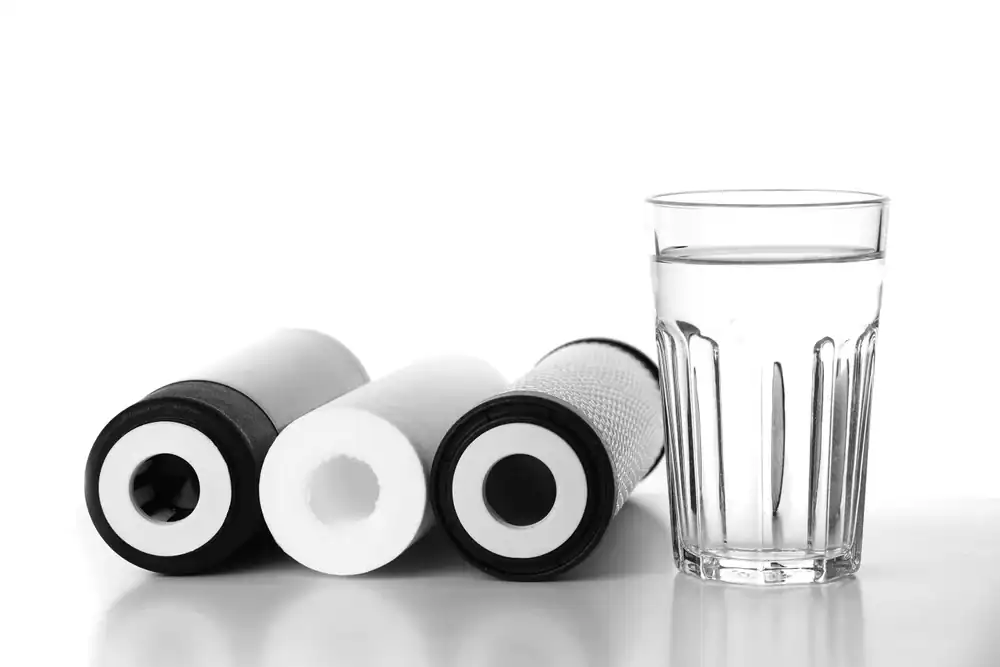
Once we know what’s in your water, we design a system around it. If you’ve got hydrogen sulfide causing that rotten egg smell, we might use hydrogen peroxide injection or air injection oxidation to neutralize it before it ever reaches your house. If iron’s the issue, we’ll use filtration media designed specifically for iron removal—not just a generic carbon filter that clogs in three months.
For bacteria like E. coli or coliform, we install UV disinfection systems that kill organisms as water passes through. And if you’ve got hard water on top of everything else, we’ll integrate a softener into the system so you’re not dealing with scale buildup and soap scum.
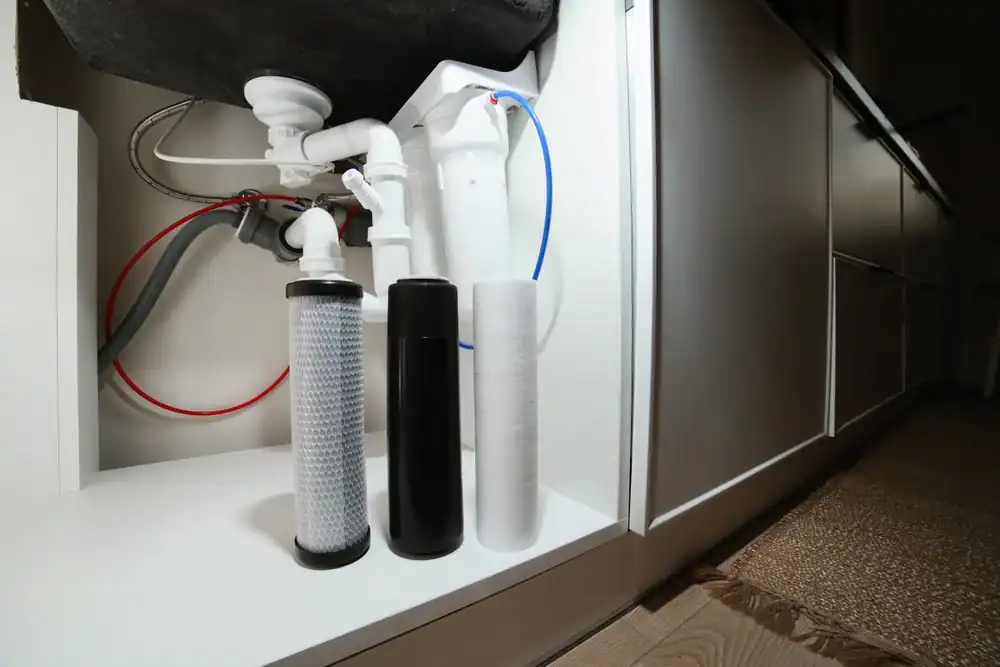
Everything gets installed as a whole-house system. That means every tap, every shower, every appliance gets treated water. We size it based on your household’s usage, and we make sure it’s built to handle Florida’s unique conditions—heat, humidity, and fluctuating water quality.
Ready to get started?
Every system we install is designed specifically for your water and your home. That starts with a detailed water analysis and ends with a filtration setup that handles whatever’s coming out of your well.
For most Elwood homeowners, that means dealing with iron, sulfur, or both. Iron removal systems use oxidation and filtration to pull rust and sediment out before it stains your fixtures or damages your appliances. Hydrogen sulfide treatment tackles that sulfur smell using either hydrogen peroxide injection or air injection oxidation, depending on your water chemistry and flow rate.
If your water tested positive for bacteria—and a lot of Florida wells do—we add UV light disinfection to kill E. coli, coliform, and other organisms. It’s a proven, chemical-free way to disinfect your water without adding anything you don’t want your family drinking.
Hard water’s another common issue here. High mineral content leads to buildup in your pipes, water heater, and appliances. A water softener handles that, and when it’s integrated into your whole-house system, you get soft, clean, odor-free water from every tap.
We don’t sell you equipment and disappear. We install it, test it, and make sure it’s working the way it should. And if something needs adjustment down the road, we’re here to handle it.

That smell is hydrogen sulfide gas, and it’s extremely common in Florida well water. It happens when sulfur bacteria break down organic material in your aquifer or when sulfates in the water react with certain metals in your plumbing.
The smell is usually strongest in hot water because heat releases the gas. You’ll notice it most in your shower, but it can affect every tap in your house depending on how much hydrogen sulfide is present.
The good news is it’s fixable. Hydrogen sulfide treatment uses either hydrogen peroxide injection or air injection oxidation to neutralize the gas before it enters your home. Both methods work, but which one’s right for you depends on your water test results and how much sulfur you’re dealing with. Once it’s treated, the smell’s gone—and it stays gone as long as the system’s maintained properly.
If you’ve got orange or brown staining on your sinks, toilets, or laundry, you’ve got iron in your water. You might also notice a metallic taste, rusty water when you first turn on a tap, or sediment buildup in your appliances.
Iron shows up in Florida wells in a few different forms. Ferrous iron (dissolved iron) is clear when it comes out of the tap but turns orange once it’s exposed to air. Ferric iron (rust) is already oxidized, so your water looks discolored right away. Then there’s bacterial iron, which forms slimy buildup in your pipes and toilet tanks.
An iron removal system handles all of it. It uses oxidation to convert dissolved iron into a solid form, then filters it out before it reaches your fixtures. The result is clear water that doesn’t stain, doesn’t taste metallic, and doesn’t clog your appliances with rust. A water test will tell you exactly how much iron you’re dealing with and what type of system you need.
Yes, but you need the right equipment. A standard carbon filter or water softener won’t kill bacteria. You need a UV disinfection system.
UV light destroys the DNA of bacteria, viruses, and other microorganisms as water flows past the bulb. It’s fast, chemical-free, and highly effective against E. coli, coliform bacteria, and other pathogens that show up in Florida wells.
Bacteria contamination is more common than most people think, especially in shallow wells or after heavy rain when surface water seeps into the aquifer. If your water tested positive for coliform or E. coli, a UV system is non-negotiable. It’s also a smart precaution even if your water tested clean, because bacteria levels can change over time. UV disinfection gives you ongoing protection without adding chlorine or other chemicals to your drinking water.
It depends entirely on what’s in your water and what you need to remove. A basic sediment and carbon filter setup costs a lot less than a system designed to handle iron, sulfur, bacteria, and hard water all at once.
That’s why we start with a water test. Once we know what contaminants are present and at what levels, we can design a system that actually solves your problem—not one that’s oversized or missing key components.
Most whole-house systems for Elwood homeowners fall somewhere in the middle range, especially if you’re dealing with the usual suspects: iron, sulfur, and hardness. Adding UV disinfection or hydrogen peroxide injection increases the cost, but those aren’t optional if your water needs them. The investment pays off in appliance longevity, lower maintenance costs, and water you can actually trust. We’ll give you a clear quote based on your specific situation—no surprises, no upselling.
It depends on the type of system and what’s in your water, but most systems need attention once or twice a year. That includes replacing filters, checking UV bulbs, refilling media tanks, and making sure everything’s running at the right pressure and flow rate.
If you’ve got high iron or sediment levels, your filters might need changing more often. If you’re using hydrogen peroxide injection, you’ll need to refill the peroxide tank periodically. UV bulbs typically last about a year before they lose effectiveness, even if they’re still glowing.
Skipping maintenance is where most systems fail. A clogged filter or spent UV bulb means you’re not getting the protection you paid for, and contaminants start slipping through. We set up maintenance schedules based on your system and your water quality, and we handle the service so you don’t have to track it yourself. Regular upkeep keeps your system working the way it should and extends the life of every component.
Please provide your email address so that we can stay in touch and answer any questions you have! We will be reaching back out shortly.
"*" indicates required fields