Reach Out Today
Please provide your email address so that we can stay in touch and answer any questions you have! We will be reaching back out shortly.

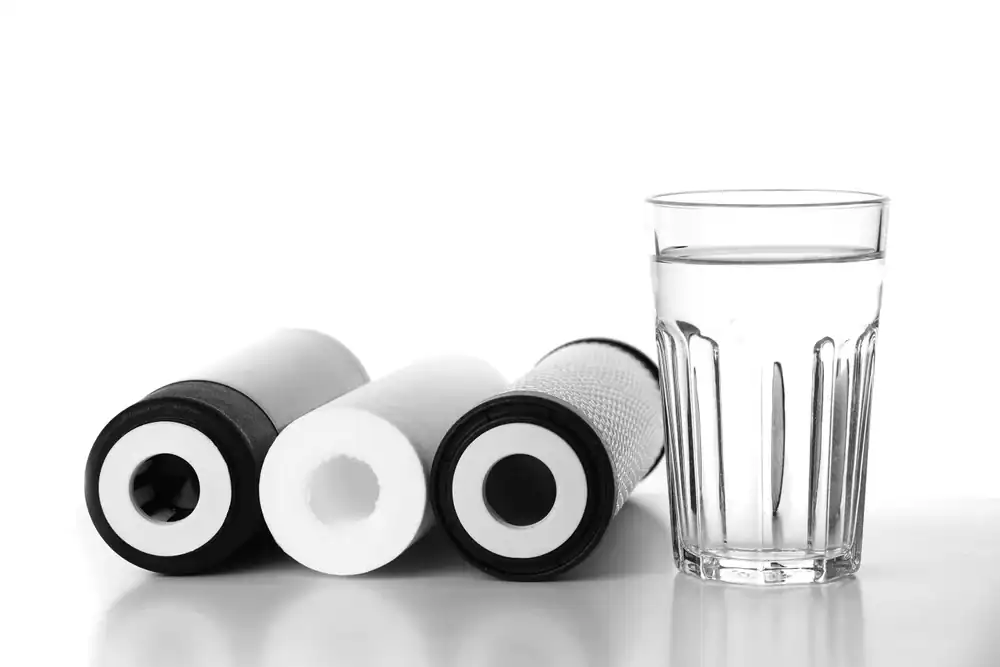
Hear from Our Customers
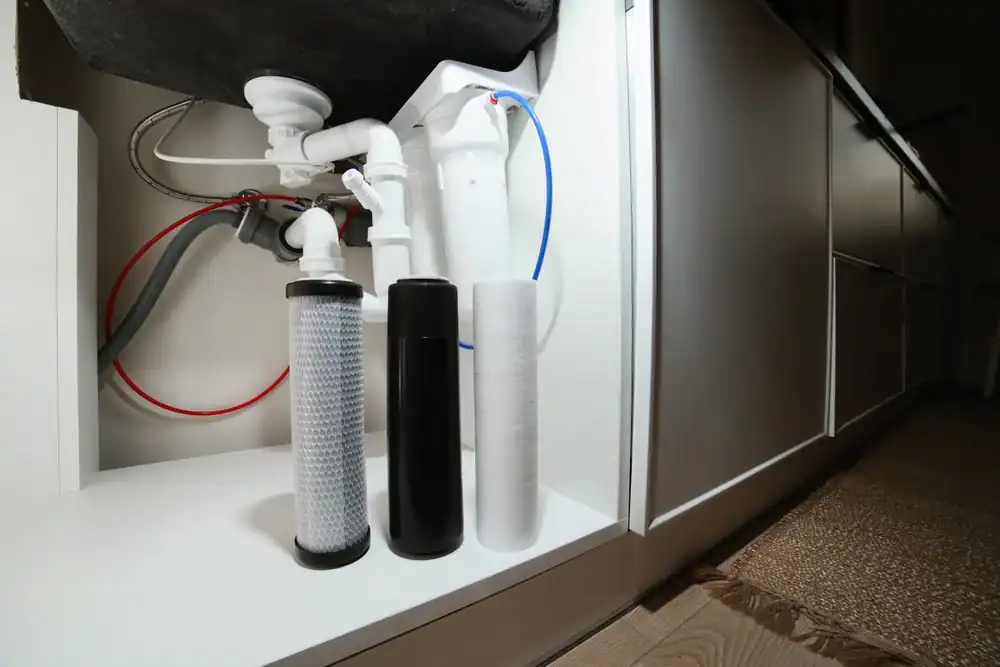
No more orange stains creeping across your sinks and tubs. No sulfur smell hitting you every time you turn on the tap. No wondering what’s actually in the water your family drinks and bathes in.
When your well water filtration system is designed right, your water runs clear. It tastes clean. Your skin doesn’t itch after a shower, and your appliances last longer because they’re not getting clogged with minerals and sediment.
You’re not dealing with discolored laundry or replacing fixtures every few years. You’re just using water the way it should work—without the constant maintenance, the staining, or the guesswork about what’s coming out of your well.
That’s what happens when iron removal systems and hydrogen sulfide treatment are matched to what’s actually in your water. Not a one-size-fits-all filter shipped from somewhere that doesn’t understand Florida groundwater.
We don’t install water heaters or fix leaky pipes. We focus entirely on well water purification, filtration, and softening—especially whole-house systems that handle the iron, sulfur, tannins, and bacteria common in Dupont Center wells.
We’re A+ rated with the Better Business Bureau, hold a 5-star rating with zero complaints, and we’re members of the National Water Quality Association. That’s not marketing language—it’s what happens when you specialize in one thing and do it right.
We’ve been serving homeowners in Dupont Center and surrounding areas long enough to know that Florida water doesn’t behave like water in other parts of the country. The filtration systems that work up north don’t cut it here. So we design and install systems that match what’s actually in your well—not what a national company assumes is there.
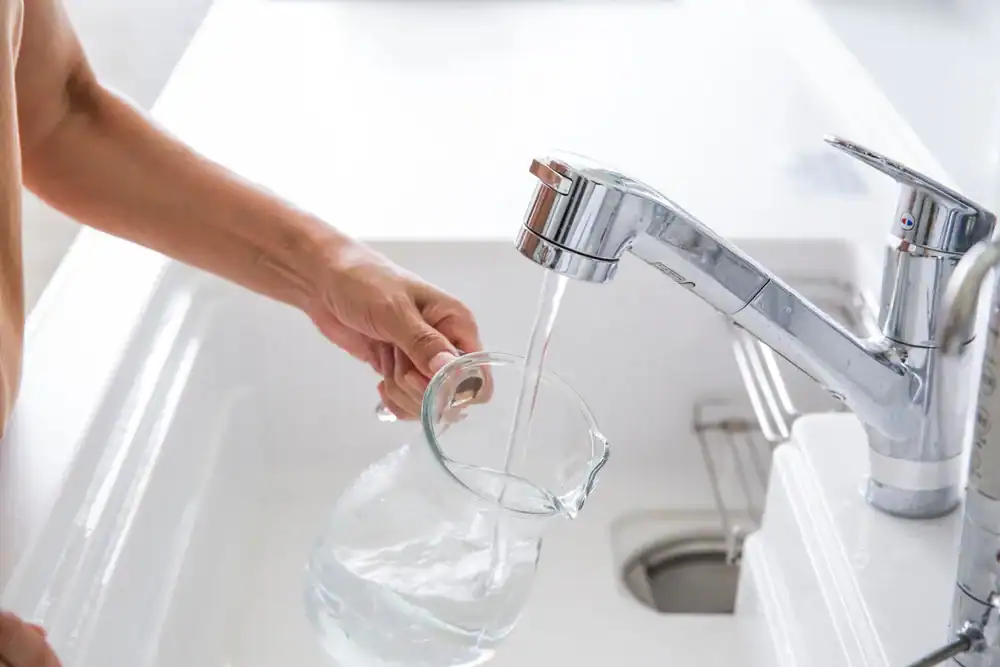
First, we test your water. Not a basic hardness test—a real analysis that shows iron levels, sulfur content, bacteria presence, pH, tannins, and anything else that’s affecting your water quality.
Once we know what’s in your water, we design a system that targets those specific contaminants. If you’ve got high iron, we’re looking at air injection oxidation or a chemical-free iron removal system. Hydrogen sulfide means hydrogen peroxide injection or an oxidizing filter. Bacteria gets handled with disinfection systems built for well water.
Then we install the system at your point of entry so every faucet, shower, and appliance in your home gets filtered water. The installation is clean, the system is sized correctly for your household, and you’re walked through how it works and what minimal maintenance it needs.
After that, your water just works. No more staining. No more smell. No more concern about what’s in it. And if you ever need service or have a question, we’re the ones who installed it—we know the system inside and out.
Ready to get started?
You’re getting a whole-house well water filtration system designed around your water test results. That means the equipment is matched to your contaminants—not a generic setup that might work.
If iron is your issue, we’re installing systems that remove it before it oxidizes and stains everything. That could be an air injection oxidation system or a chemical-free iron-sulfur eliminator filter, depending on your levels and water chemistry.
For sulfur and that rotten egg smell, hydrogen peroxide injection or catalytic carbon filters handle the hydrogen sulfide without adding harsh chemicals to your water. If bacteria showed up in your test, we’re installing UV disinfection or chlorination systems that kill it at the point of entry.
Dupont Center well water often carries tannins from decaying vegetation, which turn your water tea-colored. We address that with tannin-specific filtration media that pulls out those organic compounds without over-complicating your system.
And because Florida well water is naturally hard, most systems include softening to protect your plumbing, water heater, and appliances from scale buildup. You’ll notice the difference in how your skin feels and how much longer your fixtures last.

If you’re seeing orange or brown stains on sinks, tubs, or laundry, that’s iron. If your water smells like rotten eggs, that’s hydrogen sulfide. If it looks tea-colored or yellowish, you’ve likely got tannins leaching in from organic matter.
Even if your water looks and smells fine, it could still have bacteria, elevated nitrates, or heavy metals that don’t announce themselves until they’re tested. Well water in Dupont Center isn’t regulated the way municipal water is—you’re responsible for knowing what’s in it.
The only way to know for sure is to test it. We can run a full analysis that shows iron, sulfur, hardness, pH, bacteria, and other contaminants. From there, you’ll know exactly what you’re dealing with and what kind of well water filtration system will actually solve it.
A water softener removes hardness—calcium and magnesium—that causes scale buildup. It doesn’t remove iron, even though some softeners claim they can handle low levels. If you’ve got more than trace amounts of iron, a softener will get fouled and stop working properly.
Iron removal systems are built specifically to oxidize and filter out iron before it stains your fixtures and laundry. Air injection oxidation systems use oxygen to convert dissolved iron into particles that get trapped in a filter. Chemical-free iron filters do the same thing without adding anything to your water.
If your Dupont Center well has both hardness and iron—which is common—you need both systems working together. The iron filter comes first to pull out the iron, then the softener handles the hardness. Trying to do it all with one unit usually means neither problem gets solved right.
Yes, but only if the system is designed to treat hydrogen sulfide specifically. That rotten egg smell comes from sulfur bacteria or decaying organic material in your well. A basic carbon filter won’t touch it.
Hydrogen peroxide injection systems oxidize the hydrogen sulfide and convert it into sulfur particles that get filtered out. Catalytic carbon filters can also handle it if the levels aren’t too high. For more severe sulfur issues, an air injection oxidation system forces oxygen into the water to neutralize the gas before it reaches your taps.
The right approach depends on how much hydrogen sulfide is in your water and what your pH level is. That’s why we test first—so the system we install actually eliminates the smell instead of just masking it or letting it slip through.
Most whole-house systems need a filter change or media replacement once a year, sometimes less depending on your water usage and contamination levels. Air injection oxidation systems and chemical-free iron filters are nearly maintenance-free—they backwash automatically and don’t require chemicals.
If your system uses hydrogen peroxide injection, you’ll need to refill the peroxide tank periodically, usually every few months depending on how much water you use. UV disinfection systems need a bulb replacement once a year to keep bacteria treatment effective.
We walk you through the maintenance schedule when we install your system, and we’re available for service calls if you’d rather have us handle it. The key is that these systems are designed to run without constant attention—you’re not babysitting equipment or dealing with frequent breakdowns if it’s installed and sized correctly from the start.
Yes. UV disinfection systems kill 99.99% of bacteria, viruses, and other microorganisms in your water without adding chemicals. The UV light destroys their DNA so they can’t reproduce or make you sick. It’s the same technology used in municipal water treatment plants.
If your well tested positive for coliform bacteria or E. coli, a UV system installed at your point of entry disinfects all the water coming into your home. For more persistent bacteria issues, chlorination systems can be used in combination with filtration to ensure complete disinfection.
Well water bacteria disinfection isn’t optional if your test came back positive—it’s a health risk, especially for kids, elderly family members, or anyone with a compromised immune system. The good news is that UV systems are reliable, low-maintenance, and they don’t change the taste or smell of your water the way chlorine does.
Please provide your email address so that we can stay in touch and answer any questions you have! We will be reaching back out shortly.
"*" indicates required fields