Reach Out Today
Please provide your email address so that we can stay in touch and answer any questions you have! We will be reaching back out shortly.

Hear from Our Customers
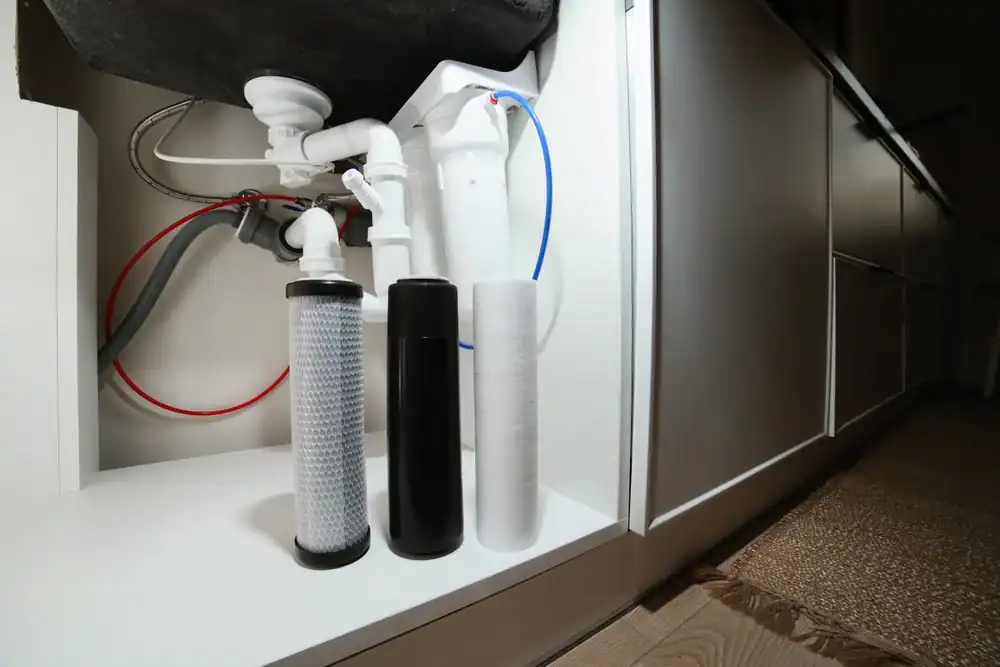
Your laundry comes out clean instead of stained orange. Your shower doesn’t smell like rotten eggs. Your coffee tastes like coffee, not metal.
You stop buying bottled water. Your appliances last longer because they’re not fighting mineral buildup every day. Your guests don’t ask about the smell when they wash their hands.
That’s what happens when your well water filtration system is designed for your specific water conditions, not pulled off a shelf at a big box store. Iron removal systems eliminate the rust stains that wreck your fixtures and clothes. Hydrogen sulfide treatment gets rid of that sulfur smell for good. And bacteria disinfection handles the stuff you can’t see but definitely don’t want your family drinking.
Most homeowners in Deerwood deal with at least one of these issues. Many deal with all three. The good news is they’re all fixable with the right approach.
We have an A rating with the Better Business Bureau and a 5-star rating with zero complaints. That doesn’t happen by accident. It happens by showing up, doing the work right, and standing behind what we install.
We’re members of the National Water Quality Association, which means we follow industry standards and stay current on treatment methods. More importantly, we service what we sell. That’s a bigger deal than it sounds when you hear how many companies install a system and disappear.
Deerwood homeowners deal with well water issues that are specific to this area. High iron content, hydrogen sulfide from organic matter in the aquifer, and bacterial contamination are common here. We’ve treated hundreds of wells in this region, so we know what works and what doesn’t.
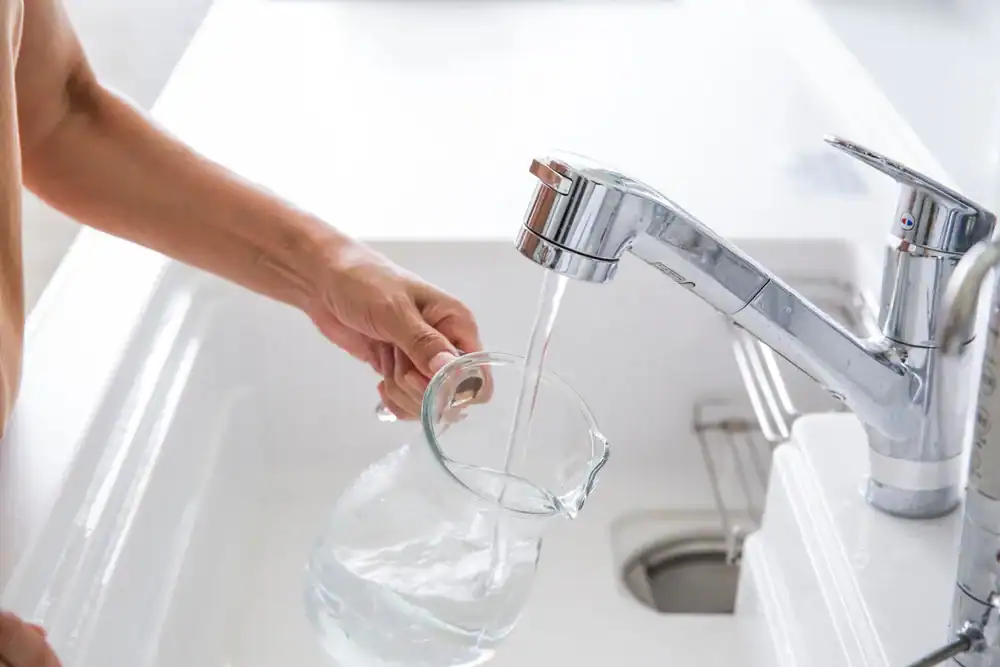
First, we test your water. Not a basic hardness test, but a comprehensive analysis that shows us exactly what’s in your well. Iron levels, sulfur content, bacteria, pH, mineral composition. Everything that affects how your water behaves and what treatment it needs.
Then we design a system based on those results and your household usage. If you have bacterial iron, we might use hydrogen peroxide injection to oxidize it before filtration. If hydrogen sulfide is the problem, we’ll likely recommend air injection oxidation to eliminate the sulfur smell at the source. Every system is custom because every well is different.
Installation typically takes a day. We set up the whole house water filtration system at your main line so every tap in your home gets treated water. After installation, we test again to confirm everything is working correctly.
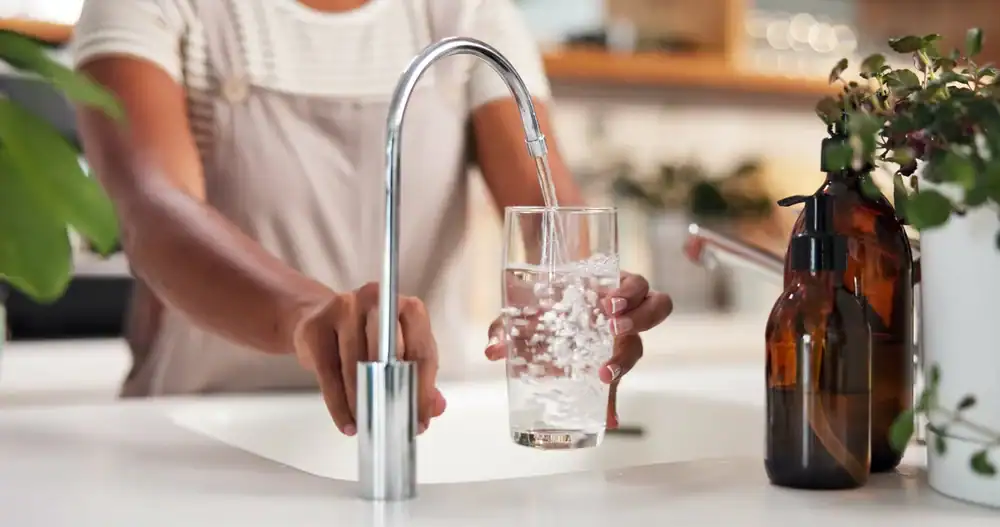
You’ll notice the difference immediately. No more staining. No more smell. Just clean water from every faucet in your house.
Ready to get started?
Your system starts with a free in-home water analysis. We test for everything that affects Florida well water: iron, sulfur, bacteria, hardness, pH, and other contaminants specific to Deerwood’s water table.
Based on those results, we design and install a treatment system that addresses your specific issues. That might include iron removal systems using oxidation and filtration, hydrogen sulfide treatment to eliminate sulfur odors, or bacteria disinfection to protect your family’s health. Many homes need a combination approach.
The installation covers your entire house. Every shower, every sink, every appliance gets filtered water. We handle the equipment, the setup, and the testing to make sure it’s working correctly before we leave.
We also offer a $500 discount for military members and first responders. If you’ve served or you’re currently serving your community, that’s our way of saying thank you.
After installation, we’re still here. We provide ongoing service and support for the systems we install, which is something you won’t get from national companies that subcontract their work and disappear when something needs attention.

The most obvious signs are rust-colored stains on your sinks, toilets, and laundry, or a rotten egg smell when you turn on the tap. Those indicate iron and hydrogen sulfide, which are extremely common in Deerwood wells.
But not all contamination is visible. Bacteria like E. coli don’t have a smell or taste, which is why testing is important even if your water seems fine. If your home is on well water, you should test it at least once a year.
Other signs include a metallic taste, cloudy water, or residue on dishes after washing. Your water heater might also fail earlier than expected if mineral buildup is damaging the tank. If you’re noticing any of these issues, a comprehensive water analysis will tell you exactly what’s going on and what treatment you need.
A water softener removes hardness minerals like calcium and magnesium through ion exchange. It helps with scale buildup and soap performance, but it doesn’t remove iron effectively, especially if you have high levels or bacterial iron.
Iron removal systems use oxidation to convert dissolved iron into particles that can be filtered out. Methods like air injection oxidation or hydrogen peroxide injection are specifically designed to handle iron concentrations that would overwhelm a standard softener. These systems also address bacterial iron, which is iron-eating bacteria that creates slimy buildup in your pipes and fixtures.
If you have both hardness and iron, you might need both systems working together. The iron filter comes first to remove the iron, then the softener handles the hardness. Trying to do everything with just a softener usually fails because the iron fouls the resin bed and reduces the system’s effectiveness. That’s why testing your water first is so important—it tells us exactly what equipment you actually need.
Hydrogen sulfide is a gas that dissolves in groundwater and creates that rotten egg smell. The most effective treatment is air injection oxidation, which exposes the water to oxygen in a controlled environment. The oxygen reacts with the hydrogen sulfide and converts it into sulfur particles that can be filtered out.
The system uses an air pump to inject oxygen into a retention tank where the reaction happens. Then the water passes through a filter that captures the sulfur particles before they reach your taps. The result is water with no smell and no sulfur residue.
Some situations call for hydrogen peroxide injection instead, especially if you’re also dealing with iron or bacteria. Hydrogen peroxide is a stronger oxidizer that handles multiple contaminants at once. Which method works best depends on your water test results and the severity of the problem. Both approaches eliminate the smell completely when they’re sized and installed correctly for your specific water conditions.
Not if it’s sized correctly for your home’s flow rate. That’s one of the reasons we design custom systems instead of selling one-size-fits-all equipment. We calculate your peak demand based on how many bathrooms you have, how many people live in your house, and your typical usage patterns.
The filtration equipment is then selected to handle that flow rate without creating a bottleneck. Most homeowners don’t notice any pressure difference after installation. In some cases, pressure actually improves because we’re removing sediment and buildup that was restricting flow in your pipes.
If your home has low pressure to begin with, we’ll identify that during the initial assessment and discuss options. Sometimes a booster pump makes sense. Other times, addressing the root cause of the pressure issue (like iron buildup in your pipes) solves the problem naturally. The key is understanding your specific situation before recommending equipment, which is why we start every job with testing and evaluation rather than showing up with a truck full of generic systems.
It depends on your water conditions and which type of system you have. Most whole house filtration systems need basic maintenance once or twice a year. That typically involves checking the media bed, cleaning or replacing filters, and making sure the control valve is functioning correctly.
If you have an iron removal system, the media might need replacement every few years depending on your iron levels and water usage. Hydrogen peroxide systems need the peroxide solution refilled periodically. Air injection systems require less frequent attention but should still be inspected annually.
We provide clear maintenance schedules when we install your system, and we’re available to handle the service work if you’d rather not deal with it yourself. Regular maintenance keeps your system running efficiently and extends its lifespan. Skipping it usually leads to reduced performance and potentially expensive repairs down the road. The good news is that maintenance is straightforward and infrequent compared to the daily hassle of living with untreated well water.
Please provide your email address so that we can stay in touch and answer any questions you have! We will be reaching back out shortly.
"*" indicates required fields