Reach Out Today
Please provide your email address so that we can stay in touch and answer any questions you have! We will be reaching back out shortly.

Hear from Our Customers
Your water stops smelling like rotten eggs. The orange stains disappear from your sinks and toilets. Your soap lathers normally again, and your skin doesn’t feel like sandpaper after a shower.
That’s what happens when your well water filtration system is designed for the specific problems you’re dealing with—not just a generic softener someone talked you into. In Dallas, FL, most well water issues come down to iron buildup, hydrogen sulfide (that sulfur smell), hard water minerals, or bacteria contamination.
Each one requires a different approach. Iron removal systems use air injection oxidation or hydrogen peroxide injection to convert dissolved iron into particles that get filtered out. Sulfur treatment targets hydrogen sulfide gas before it ever reaches your faucet. Bacteria disinfection uses UV light or chlorination to kill harmful organisms without adding weird tastes.
When the system matches the problem, your water gets clean. Your appliances stop clogging. And your family drinks water that doesn’t make them second-guess every glass.
We specialize in whole-house water purification for homeowners in Dallas, FL and surrounding areas. We don’t do plumbing. We don’t install water heaters. We focus entirely on making sure your well water is safe, clean, and problem-free.
We’re members of the National Water Quality Association and hold an A+ rating with the Better Business Bureau—with zero complaints. That’s not luck. That’s what happens when you show up, do the work correctly, and actually service what you sell.
We’ve built our reputation in Dallas by treating well water problems that other companies either misdiagnose or ignore after installation. If you’re dealing with iron staining, sulfur odors, hard water damage, or concerns about bacteria, we’ve seen it before—and we know how to fix it.

First, we test your water. Not a basic hardness test—a full analysis that tells us exactly what’s in your well water and at what levels. Iron, sulfur, pH, bacteria, minerals, sediment. Everything that affects how your water behaves and whether it’s safe to drink.
Once we know what we’re dealing with, we design a filtration system that targets those specific issues. If you’ve got high iron, we might recommend an air injection oxidation system that removes it before it stains anything. If sulfur is the problem, hydrogen peroxide injection or a specialized filter handles that. Hard water gets a softener. Bacteria gets UV disinfection or chlorination.
Then we install the system at your home in Dallas, FL—usually in a day. We walk you through how it works, what to expect, and what kind of maintenance it’ll need down the road. After installation, we don’t disappear. If something’s off or you have questions six months later, we’re still here.
The goal is simple: your water works the way it should, and you’re not calling us back because something broke or wasn’t done right the first time.

Ready to get started?
Every well water filtration system we install is built around what your specific water test reveals. That might mean an iron removal system using air injection oxidation to eliminate rust stains and metallic taste. Or a hydrogen sulfide treatment setup that stops sulfur odors before they reach your house.
If your water’s loaded with minerals, a whole-house water softener protects your plumbing, water heater, and appliances from scale buildup that kills efficiency and shortens lifespan. For bacteria concerns—common in private wells across Dallas, FL—we install UV disinfection systems or chlorination setups that kill harmful organisms without affecting taste.
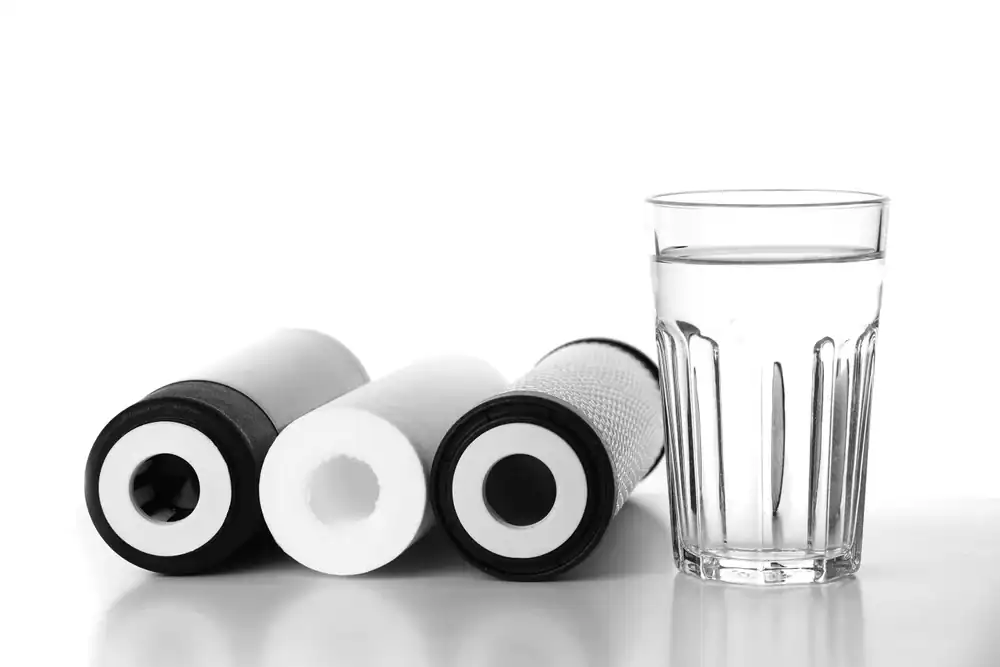
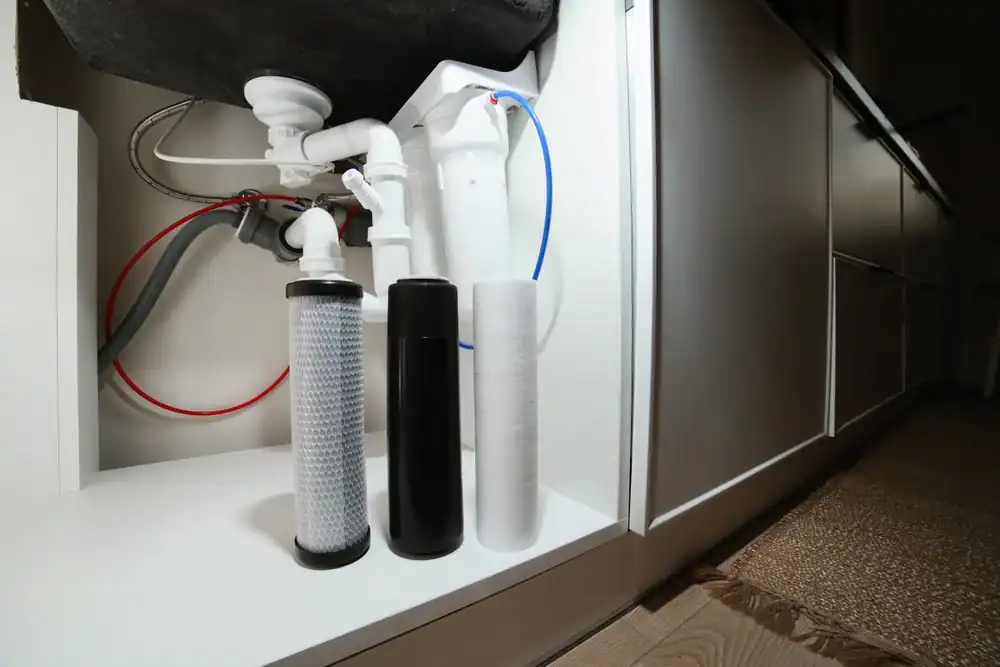
Most systems also include sediment filtration to catch particles and debris, plus a control valve that manages backwashing and regeneration cycles automatically. You’re not manually flushing anything or babysitting the system.
We handle the installation, explain how everything works, and make sure you know what regular maintenance looks like. Most of our clients in Dallas deal with some combination of iron, hard water, and sulfur—so we’re used to designing multi-stage systems that address all three without overcomplicating things.

If your water smells like sulfur, leaves orange or brown stains, feels slippery or hard, tastes metallic, or looks cloudy, you’ve got contamination that needs treatment. Those are the most obvious signs.
But even if your water looks and smells fine, it could still have bacteria, high mineral content, or low pH that damages your plumbing over time. The only way to know for sure is a full water test that measures iron, hardness, sulfur, bacteria, pH, and sediment levels.
Most well water in Dallas, FL has at least one of these issues. Iron and hard water are extremely common. Sulfur shows up frequently. Testing gives you the real picture—so you’re not guessing or installing the wrong system based on symptoms alone.
A water softener removes hardness minerals like calcium and magnesium. It stops scale buildup in your pipes and appliances, makes soap lather better, and keeps your skin from feeling dry and irritated after showers.
An iron removal system targets dissolved or oxidized iron in your water. It uses air injection oxidation or hydrogen peroxide injection to convert iron into particles, then filters those particles out before they stain your sinks, toilets, and laundry.
If your well water has both hard water and high iron—which is common in Dallas, FL—you usually need both systems. The iron removal happens first, then the softener. Installing just a softener won’t fix iron staining, and installing just an iron filter won’t stop hard water damage. They handle different problems.
Hydrogen sulfide is a gas that dissolves in your well water and creates that rotten egg smell. Treatment systems remove it by either oxidizing the gas into sulfur particles that get filtered out, or by venting the gas out of the water before it reaches your house.
Hydrogen peroxide injection is one method—it oxidizes hydrogen sulfide on contact, turning it into solid sulfur that a filter captures. Air injection oxidation does something similar by introducing oxygen that converts the gas into filterable particles.
For lower levels of hydrogen sulfide, an activated carbon filter can absorb the gas directly. The right approach depends on how much sulfur is in your water and what other contaminants are present. That’s why testing matters—you need to know the concentration before choosing a treatment method that’ll actually work long-term.
Yes, but you need a disinfection system specifically designed to kill bacteria—not just a standard filter. UV light systems and chlorination setups are the two most common methods for well water bacteria disinfection.
UV systems use ultraviolet light to destroy bacteria, viruses, and other microorganisms as water passes through. There are no chemicals involved, and it doesn’t change the taste or smell of your water. It’s effective, low-maintenance, and works as long as the UV bulb is replaced on schedule.
Chlorination injects a small amount of chlorine into your water, kills the bacteria, then uses a carbon filter to remove the chlorine taste before the water reaches your faucets. It’s a bit more involved than UV, but it also handles certain types of iron and sulfur bacteria that UV alone won’t eliminate. If your water test shows bacteria contamination, we’ll recommend the method that makes sense for your specific situation in Dallas, FL.
It depends on the type of system and what it’s removing, but most whole-house filtration systems need attention once or twice a year. Water softeners require salt refills every few months, depending on your water usage and hardness level.
Iron removal systems and air injection oxidation setups usually need an annual check to make sure the media is still effective and the control valve is cycling properly. Hydrogen peroxide injection systems need the peroxide tank refilled periodically—how often depends on your water flow and sulfur levels.
UV disinfection systems need a new bulb every 12 months, even if the light still looks like it’s working. The UV output weakens over time, and that’s what kills bacteria—not just the visible glow. Sediment filters get swapped out based on how much debris your well water carries, usually every 6-12 months.
We walk you through the maintenance schedule when we install your system. Most of it is simple enough to handle yourself, but we’re available if you’d rather have us take care of it.
Please provide your email address so that we can stay in touch and answer any questions you have! We will be reaching back out shortly.
"*" indicates required fields