Reach Out Today
Please provide your email address so that we can stay in touch and answer any questions you have! We will be reaching back out shortly.

Hear from Our Customers
The orange ring around your toilet bowl isn’t a cleaning problem. The rotten egg smell coming from your tap isn’t a plumbing problem. Both are water chemistry problems — and they’re completely fixable. Once the right system is in place, those issues stop. Not temporarily. Permanently.
The Biscayne Aquifer, which sits beneath Country Club and the rest of northwest Miami-Dade, produces water that runs between 15 and 22 grains per gallon of hardness. That’s classified as very hard to extremely hard. At those levels, scale builds up inside your water heater, your washing machine, and your pipes faster than most people realize. A water heater that should last 12 years might fail in five. That’s a real cost, and a whole-house filtration system with softening stops it before it starts.
For families in Country Club — and this is a community with a lot of families — clean water at every tap also means less bottled water, fewer stains on laundry, better-tasting water from the kitchen sink, and one less thing to worry about. The free water analysis tells you exactly what’s in your well before anything else happens. No guessing, no upselling on problems you don’t have.
We’ve been treating Florida well water for over 50 years. That’s not a number pulled from a brochure — it’s a track record you can verify. Our BBB A+ rating carries zero complaints. In an industry where the Florida Attorney General has stepped in to shut down companies using fake water tests and inflated pricing, that record means something real.
We’re also members of the National Water Quality Association, a voluntary professional certification that requires passing a comprehensive exam and agreeing to a formal code of ethics. Most water treatment companies operating in Miami-Dade County don’t hold that credential — and that’s a choice, not an oversight.
Country Club homeowners dealing with Biscayne Aquifer water — the iron, the hardness, the hydrogen sulfide — are dealing with chemistry that we’ve been treating across South Florida for decades. We know what this aquifer produces. Every system starts with a free professional water analysis, and every installation is completed in a single day.
It starts with the free water analysis. A technician comes to your home in Country Club, tests your well water on-site, and shows you exactly what’s in it — iron levels, hardness, hydrogen sulfide, bacteria, and anything else the Biscayne Aquifer is contributing to your supply. You see the results. You understand what you’re dealing with. No pressure, no sales pitch dressed up as a test.
From there, a system is designed around your specific results — not a generic package pulled off a shelf. If your water has high iron and hardness but no bacterial issue, you get what addresses iron and hardness. If sulfur smell is the main problem, that gets treated at the source. The system is sized and sequenced correctly, because putting the wrong treatment stage first is one of the most common reasons systems from other companies underperform in South Florida’s water chemistry.
Installation happens in one day. The system goes in at the point where water enters your home, which means every tap — kitchen, bathrooms, laundry — gets treated water from the moment the job is done. Miami-Dade County requires licensed contractors for well-related work, and we operate fully licensed and insured statewide. No permitting gray areas, no shortcuts.
Ready to get started?
Iron removal, sulfur smell treatment, bacterial filtration, manganese reduction, and water softening — these aren’t separate problems that require five different vendors. A properly designed whole-house purification system addresses all of them in the correct treatment sequence, in a single installation. That sequencing matters. Iron needs to be addressed before softening. Hydrogen sulfide treatment has to happen before the water reaches your living spaces. Getting the order wrong is why a lot of homeowners in northwest Miami-Dade have already spent money on systems that didn’t fully solve the problem.
For private well owners in Country Club — particularly those in older homes on larger lots near the edges of the CDP, or properties that predate the extension of Miami-Dade Water and Sewer service — the Biscayne Aquifer’s shallow depth creates additional exposure. Heavy rainfall during South Florida’s rainy season, tropical storm events, and the region’s warm year-round groundwater temperatures all contribute to conditions that require ongoing attention, not just a one-time fix. UV disinfection for bacterial filtration is a year-round concern here, not a seasonal one.
We also offer a $500 discount for active military personnel and first responders — a meaningful number in a community where many residents work in public safety and service. The free water analysis is the starting point for all of it, and there’s no obligation attached to it.

That smell is hydrogen sulfide gas, and it’s one of the most common complaints from private well owners drawing from the Biscayne Aquifer in northwest Miami-Dade. It’s produced when anaerobic bacteria break down organic material in the aquifer — and because the Biscayne Aquifer is shallow and relatively warm year-round, those conditions are present consistently, not just in certain seasons.
The good news is that hydrogen sulfide is very treatable. An air injection oxidation system — sometimes called an AIO system — is typically the most effective approach for South Florida well water. It oxidizes the sulfur compounds before they reach your home, eliminating the smell at the source rather than masking it. A proper water test will confirm the concentration and determine the right system size. If you’ve been living with that smell and assuming it’s just how well water is, it isn’t — and you don’t have to.
It matters more than most people realize. The Biscayne Aquifer produces water with a hardness range of roughly 15 to 22 grains per gallon — that’s the very hard to extremely hard range on the standard scale. For comparison, water above 7 GPG is generally considered hard. You’re dealing with more than double that.
At 15 to 22 GPG, scale accumulates inside water heaters, washing machines, dishwashers, and pipes at an accelerated rate. A water heater that should last 10 to 12 years may fail in five to seven. Appliances wear out faster. Pipes narrow over time. You’ll also notice it in everyday ways — spots on dishes, stiff laundry, soap that doesn’t lather well. A water softener integrated into your whole-house system stops all of that. It’s one of the clearest cases where a filtration system pays for itself over time through appliance longevity alone.
That depends entirely on what’s in your specific well — and if you’ve never had it tested, you genuinely don’t know. The Florida Department of Health recommends annual testing of private wells for coliform bacteria and nitrates, but it cannot require it. No state agency, no county department, and no federal program is actively monitoring the contents of your private well in Country Club. That responsibility falls entirely on you as the homeowner.
The Biscayne Aquifer is a shallow aquifer, which makes it more productive but also more vulnerable to surface contamination than deeper aquifer systems. Septic system leachate, agricultural runoff from western Miami-Dade, and PFAS contamination from regional sources — including documented contamination linked to firefighting foam used at major airports in the region — have all been identified as potential concerns in the aquifer’s coverage area. High iron and hardness aren’t health hazards in the traditional sense, but bacterial contamination is a different matter entirely. A free water analysis is the only way to know what you’re actually dealing with.
A properly designed whole-house system for Biscayne Aquifer water typically addresses iron, manganese, hydrogen sulfide, hardness minerals, sediment, and bacteria — but the specific contaminants targeted depend on what your water test shows. That’s why the test comes first. There’s no single system that’s right for every well in Country Club, because two wells a few blocks apart can have meaningfully different chemistry depending on depth, casing condition, and proximity to contamination sources.
Iron removal typically uses oxidation filtration to convert dissolved iron into a filterable form and remove it before it reaches your pipes and fixtures. Manganese reduction follows a similar process. Bacterial filtration is handled through UV disinfection, which kills bacteria and viruses without adding chemicals to your water. Hardness is addressed through ion exchange water softening. When these stages are installed in the correct sequence, the result is clean, clear, odor-free water at every tap in your home — not just at a single point-of-use filter under the kitchen sink.
The Florida Department of Health recommends testing private wells at least once a year for bacteria and nitrates at a minimum. But for well owners in northwest Miami-Dade drawing from the Biscayne Aquifer, there are additional reasons to test more frequently or after specific events. After any significant tropical storm or hurricane — which Country Club is exposed to every season from June through November — flooding and aquifer pressure changes can introduce surface contamination into private wells. Testing after a major storm event is always a good idea.
Beyond annual testing, you should also consider a full water analysis if you notice changes in your water’s taste, smell, or color, or if there’s been any construction or new development near your property. The Biscayne Aquifer is shallow enough that nearby activity can affect groundwater chemistry. A professional water analysis from us is free, covers the full range of common Biscayne Aquifer contaminants, and gives you a clear picture of what your water actually contains — not just the minimum required by a basic lab panel.
Please provide your email address so that we can stay in touch and answer any questions you have! We will be reaching back out shortly.
"*" indicates required fields
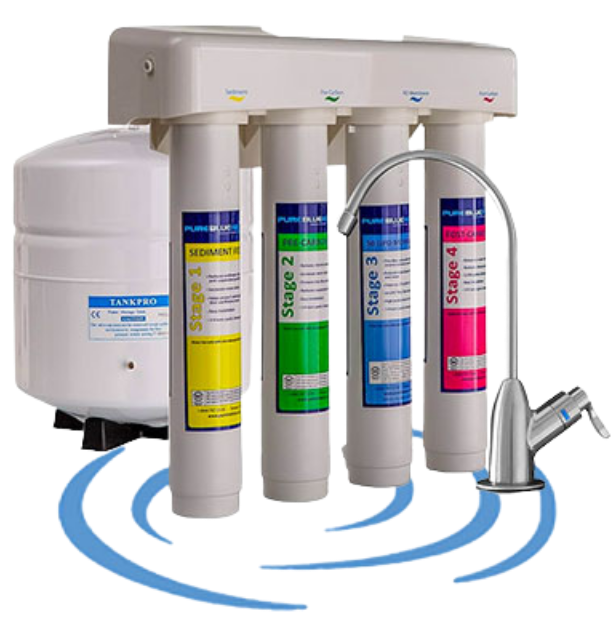
Get a free reverse osmosis drinking water system with the purchase of any whole-home water purification system.
*Cannot be combined with other offers. Mention this special when you call.