Reach Out Today
Please provide your email address so that we can stay in touch and answer any questions you have! We will be reaching back out shortly.

Hear from Our Customers
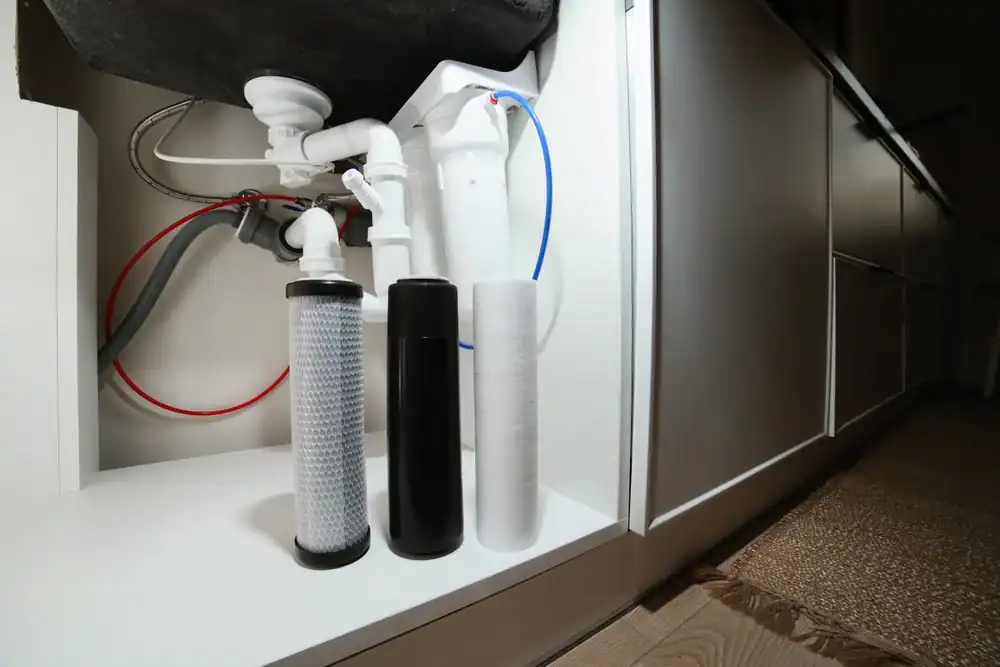
Your shower shouldn’t smell like sulfur. Your toilet shouldn’t have an orange ring that won’t scrub away. Your guests shouldn’t notice your water the second they walk in.
When your well water filtration system is designed for Clear Lake’s geology, those problems disappear. The rotten egg smell stops because hydrogen sulfide gets oxidized before it reaches your faucets. Orange stains quit forming because iron gets filtered out at the source. Your appliances last years longer because scale and sediment never make it past your treatment system.
You’re not masking problems or treating symptoms. You’re removing contaminants at every faucet, every shower, and every appliance in your home. That’s what whole-house treatment does when it’s built for Florida’s limestone aquifer and the sulfur compounds that come with it.
We have an A rating with the Better Business Bureau and zero complaints. We’re members of the National Water Quality Association, which means we follow standards that matter—not just the bare minimum.
We’ve been installing well water filtration systems in Central Florida since before most of the national companies existed. We know what Clear Lake homeowners deal with because we’ve been working in Lake County for decades. The geology here creates specific problems, and we’ve spent half a century solving them.
You’re not getting a generic system shipped from out of state. You’re getting a filtration setup designed for the iron, sulfur, and bacteria that show up in Florida wells—and installed by technicians who know Florida plumbing codes.
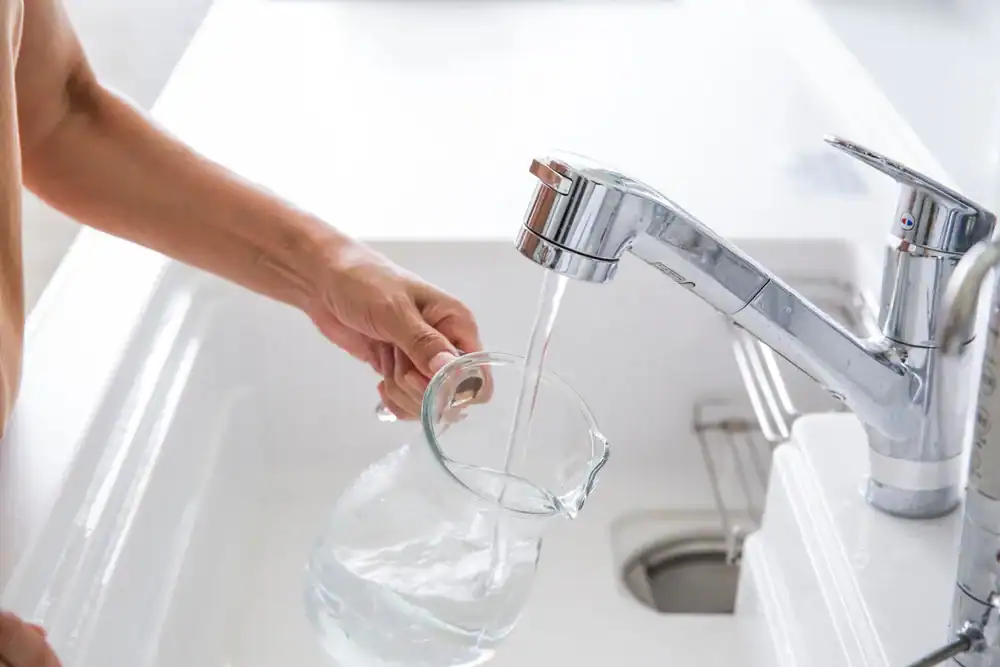
We start with water testing. Not a basic test—a full analysis that shows us exactly what’s in your well water and at what levels. Iron, sulfur, bacteria, pH, hardness. We need the real numbers before we recommend anything.
Then we design a system based on what your water actually needs. If you’ve got hydrogen sulfide and iron, we’ll likely use air injection oxidation or hydrogen peroxide injection to convert those contaminants into particles that can be filtered out. If bacteria counts are high, we’ll add a disinfection stage that brings counts down to zero. If you’ve got hardness on top of that, we’ll include a softener that prevents scale without adding sodium to your drinking water.
Installation takes a day in most cases. Our technicians tie the system into your main water line so every drop gets treated before it reaches any fixture or appliance. You get a walkthrough of how everything works, what maintenance looks like, and how to reach us if anything comes up.
After that, your water just works. No smell, no stains, no buildup. You’ll notice it immediately.
Ready to get started?
You’re getting a multi-stage treatment system designed specifically for Clear Lake’s well water. That typically includes an oxidation stage to handle iron and hydrogen sulfide, a filtration stage to remove sediment and oxidized particles, and a disinfection stage if bacteria are present. We don’t use one-size-fits-all systems because your water doesn’t have one-size-fits-all problems.
Clear Lake sits on the same limestone aquifer as the rest of Central Florida, which means sulfur compounds are everywhere beneath your property. That’s why hydrogen sulfide treatment is almost always part of the setup here. We use either air injection oxidation or hydrogen peroxide injection depending on your contamination levels and what makes sense for your home.
If your water has hardness—and most well water in Lake County does—we’ll include a salt-free softener that prevents scale without adding sodium. Your water heater, dishwasher, and washing machine will last years longer because mineral buildup never gets the chance to form. You’ll stop scrubbing faucets and replacing appliances early.
Every system gets installed to Florida plumbing code. You get a full explanation of how it operates, what maintenance looks like, and ongoing support if you need it. Military families and first responders get a $500 discount because we believe in supporting the people who serve this community.

If your water smells like rotten eggs, leaves orange or brown stains, or tastes metallic, you need treatment. Those are signs of hydrogen sulfide, iron, and possibly bacteria—all common in Clear Lake well water because of the limestone geology underneath this area.
Even if your water looks and smells fine, you might still have contamination. Bacteria don’t always produce odors, and some dissolved minerals only show up as staining or appliance damage over time. The only way to know for sure is to test your water with a full analysis that measures iron, sulfur, bacteria, pH, and hardness.
We recommend testing every few years even if your water seems fine. Wells change over time, and catching problems early saves you money on appliance repairs and replacements down the road.
Both methods remove iron and hydrogen sulfide from well water, but they work differently. Air injection oxidation uses oxygen to convert dissolved iron and sulfur into particles that can be filtered out. It’s chemical-free, effective, and works well for moderate contamination levels.
Hydrogen peroxide injection uses a small amount of peroxide to oxidize contaminants and kill bacteria at the same time. It’s more aggressive than air injection, which makes it the better choice when you’ve got high iron levels or bacteria in addition to sulfur. One system handles multiple problems in a single stage.
Which one you need depends on your water test results. If your iron is below 10 ppm and you don’t have bacteria, air injection usually does the job. If your iron is higher or bacteria counts are present, hydrogen peroxide injection makes more sense because it tackles everything at once.
Yes, if it’s designed to. A properly sized hydrogen peroxide injection system or UV disinfection stage will bring bacteria counts down to zero. But not every filtration system includes disinfection, which is why testing matters before you buy anything.
Bacteria get into wells through surface contamination—cracks in the casing, flooding, or poor well construction. Once they’re in your water, they don’t leave on their own. You need a disinfection method that kills them before the water reaches your home.
Hydrogen peroxide injection is our preferred method in Clear Lake because it handles bacteria and oxidizes iron and sulfur at the same time. UV systems work too, but they only disinfect—they don’t remove the other contaminants that usually show up alongside bacteria in Florida well water. If you’ve got multiple problems, you want a system that addresses all of them.
A well-designed system lasts 15 to 20 years with basic maintenance. The tanks and valves are built to run for decades. The parts that need attention are the media inside the tanks, which typically gets replaced every 5 to 10 years depending on your water quality and household usage.
Maintenance isn’t complicated. Most systems need a filter change once or twice a year and occasional media replacement. If you’ve got a hydrogen peroxide injection system, you’ll refill the peroxide tank every few months. That’s it.
Compare that to the cost of replacing a water heater every 6 years instead of every 12, or scrubbing stains off fixtures every week, or replacing a washing machine because iron buildup destroyed the valves. A filtration system pays for itself in appliance life alone, and it lasts longer than the appliances it’s protecting.
Probably, yes. Most Clear Lake well water has hardness in addition to iron and sulfur, and a filtration system doesn’t remove hardness. Hard water causes scale buildup in your pipes, water heater, and appliances even if the water looks and smells fine.
We typically recommend a salt-free softener that uses crystallization technology to prevent scale without adding sodium to your water. It’s not the same as a traditional salt-based softener—it doesn’t remove hardness minerals, it just keeps them from sticking to surfaces and forming buildup.
If your hardness is severe, a salt-based softener might make more sense. It depends on your water test results and what you’re trying to accomplish. Some homeowners want softer-feeling water for showers and laundry. Others just want to protect their appliances and don’t care about the feel. We’ll walk through the options once we see your water analysis.
Please provide your email address so that we can stay in touch and answer any questions you have! We will be reaching back out shortly.
"*" indicates required fields
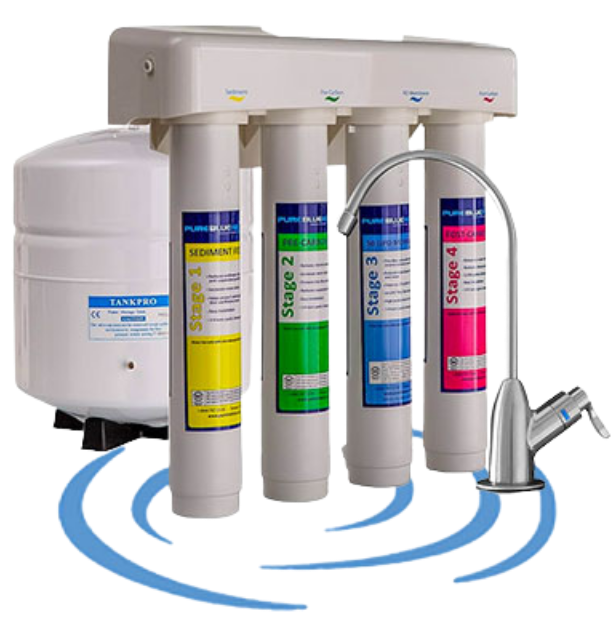
Get a free reverse osmosis drinking water system with the purchase of any whole-home water purification system.
*Cannot be combined with other offers. Mention this special when you call.