Reach Out Today
Please provide your email address so that we can stay in touch and answer any questions you have! We will be reaching back out shortly.

Hear from Our Customers
No more orange stains creeping into your sinks and toilets. No more that smell when you turn on the shower. Your water stops corroding pipes and shortening the life of your appliances.
You’re not masking the problem with temporary fixes. The iron, sulfur, and bacteria are actually removed before water reaches any faucet or appliance in your home.
Your washing machine runs cleaner. Your water heater lasts longer. Guests don’t wrinkle their nose when they wash their hands. That’s what whole-house well water filtration does—it treats the cause, not just the symptom, so you’re not dealing with the same issues six months from now.
We’ve been solving hard water problems across Lake County and Central Florida for over five decades. We’re A-rated by the Better Business Bureau with a 5-star rating and zero complaints—not because we’re perfect, but because we show up and we fix what we say we’ll fix.
We’re members of the National Water Quality Association. We service what we sell. And we understand Casa Cola’s water because we’ve been treating wells in this area long enough to know exactly what’s in the ground here.
We also support military families and first responders with a $500 discount, and we’re active supporters of the Tunnels to Towers Foundation. If you’ve been burned by companies that install systems and disappear, we’re not that.
We start with water testing. Not a guess—actual lab analysis that tells us what’s in your well. Iron levels, sulfur content, bacteria presence, pH balance. That’s how we know what system you actually need.
From there, we design a system based on your water quality and your household usage. Some homes need a basic air injection oxidation filter. Others need hydrogen peroxide injection or multi-stage treatment for iron bacteria. One size doesn’t fit all, and we don’t pretend it does.
The system gets installed at your point of entry—where water comes into your home—so every faucet, shower, and appliance gets treated water. After installation, we walk you through maintenance and make sure you understand how the system works. Then we’re available when you need service, because we actually answer the phone and show up.
Ready to get started?
Casa Cola sits in an area where iron, sulfur, and bacteria are common well water problems. The limestone aquifers underneath Lake County naturally contain sulfur compounds, which is why that rotten egg smell is so prevalent here. Heavy rains and seasonal water table changes can make it worse.
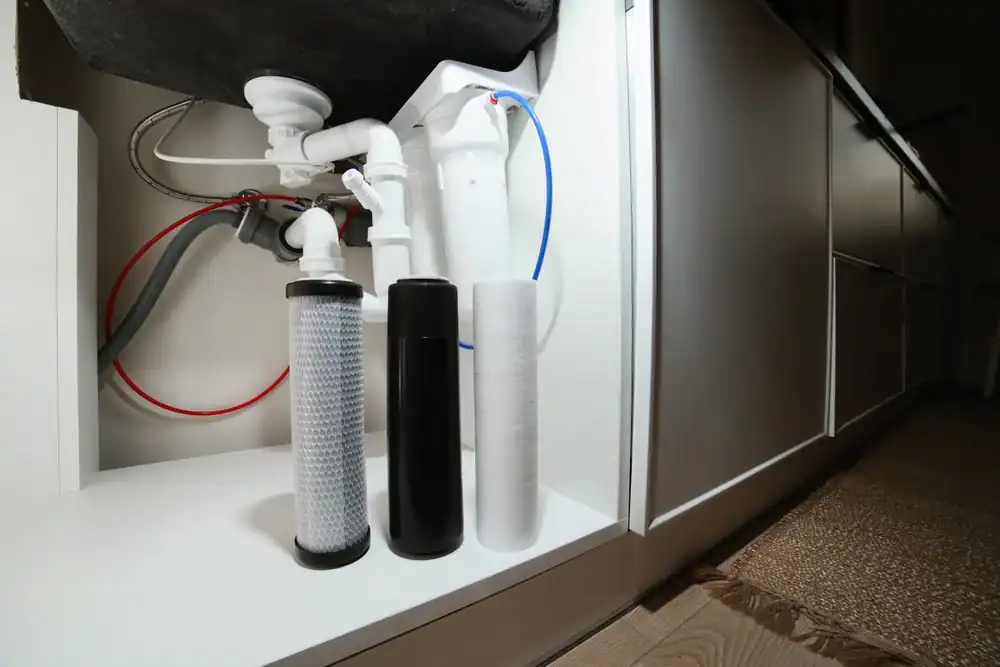
A proper well water filtration system for this area typically includes iron removal through oxidation—either air injection or hydrogen peroxide injection, depending on iron levels and whether bacteria are present. Sulfur treatment often uses the same oxidation process, converting hydrogen sulfide gas into a solid that gets filtered out before it reaches your tap.
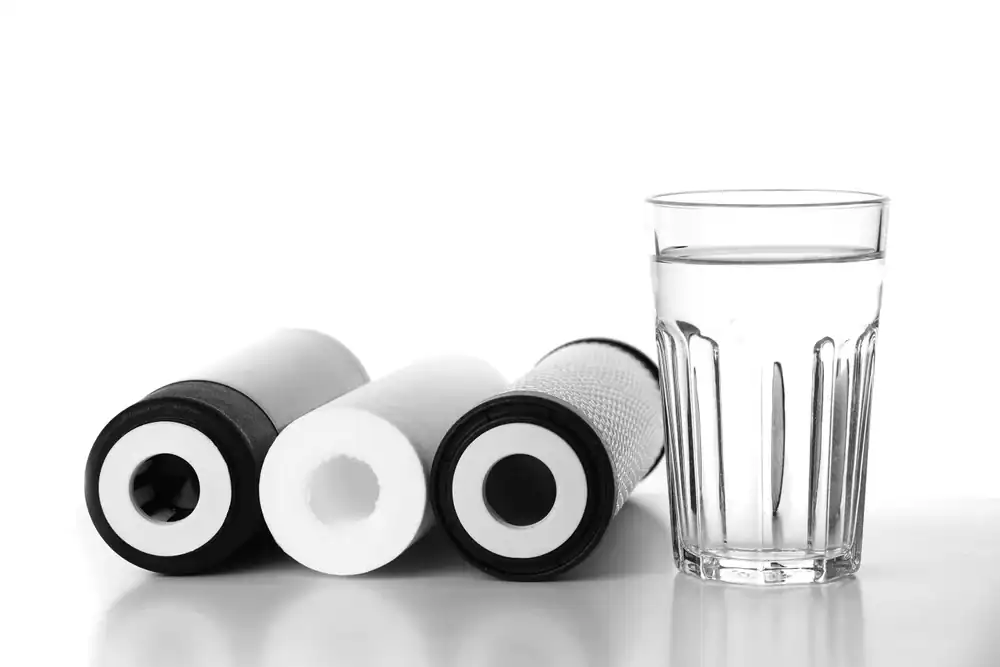
If bacteria are an issue, we use well water bacteria disinfection methods that eliminate the organisms causing the smell and the slime. These systems don’t just mask odors with chlorine—they remove what’s creating the problem. You also get sediment filtration to catch particles and protect your plumbing, plus any necessary pH adjustment to prevent corrosion.
The result is a custom-designed water purification system that handles your specific water chemistry. Not a one-size-fits-all box, but a solution built for what’s actually coming out of your well.

Most whole-house systems for Casa Cola homes run between $1,500 and $3,000, depending on what your water test shows and how much treatment you need. A basic sediment and carbon filter sits at the lower end. A multi-stage system with iron removal, sulfur treatment, and bacteria disinfection sits higher.
That’s not a small expense, but compare it to what you’re already spending. Replacing a corroded water heater early costs $1,200 or more. Constantly replacing stained fixtures, buying cleaning products that don’t work, fixing appliances damaged by hard water—it adds up fast.
A quality system pays for itself by protecting what you’ve already invested in your home. We’re not the cheapest option in Lake County, and that’s intentional. You’re paying for a system that’s designed for your water, installed correctly, and backed by a company that’ll still be here in five years when you need service.
That smell is hydrogen sulfide gas, and it’s extremely common in Casa Cola and throughout Lake County. Florida sits on top of limestone aquifers that naturally contain sulfur compounds. When sulfur-reducing bacteria break down organic material in your well or in the aquifer, they produce hydrogen sulfide—that’s the rotten egg odor you’re smelling.
Even low levels of 0.5 parts per million are noticeable. Some wells in this area test at 5 ppm or higher, which is strong enough to make your whole house smell and corrode your plumbing fixtures. The smell can get worse after heavy rains or when your well sits unused for a while, because bacteria multiply when conditions are right.
Chlorine or other temporary treatments might mask it for a bit, but they don’t remove the bacteria or the sulfur. The smell comes back because the source is still there. Hydrogen sulfide treatment through oxidation—either air injection or hydrogen peroxide—actually converts the gas into a solid form that gets filtered out. That’s how you eliminate it for good instead of just covering it up.
Yes, but only if the system is designed to remove iron, which is what’s causing those stains. The orange and reddish-brown buildup you’re seeing is oxidized iron. It’s in your water as clear water iron (dissolved), and when it hits air or sits in your toilet bowl, it oxidizes and leaves that rust-colored ring you can’t scrub away.
An iron removal system uses oxidation to convert dissolved iron into a solid particle before it reaches your faucets. Air injection oxidation filters and hydrogen peroxide injection systems both work well for this. Once the iron is oxidized, it gets caught in a filter media and flushed out during backwash cycles.
After installation, you’ll stop seeing new stains form. The existing stains might need a good cleaning to remove, but they won’t keep coming back. You’ll also notice your water stops leaving orange streaks on your driveway when you wash your car, and your laundry won’t come out dingy anymore. Iron removal protects your appliances too—less buildup in your water heater and washing machine means they last longer and run more efficiently.
Most systems need a filter change or media replacement every 6 to 12 months, depending on your water quality and how much water your household uses. Some components last longer—certain filter media can go 3 to 5 years before needing replacement.
The system will backwash itself automatically to flush out trapped iron, sulfur, and sediment. That’s built into the design, and it happens without you doing anything. But you’ll still need someone to check the system periodically, test your water to make sure treatment levels are right, and replace filters when they’re spent.
We handle that for our customers. We don’t install a system and disappear—we service what we sell, which apparently isn’t standard practice with some of the national companies operating in Lake County. Regular maintenance keeps your system running efficiently and prevents small issues from turning into expensive repairs. It also ensures your water quality stays consistent instead of gradually declining because a filter is clogged or media is exhausted.
You can technically install one yourself if you’re experienced with plumbing and comfortable working with your well system. But most homeowners hire a professional, and here’s why: if the system isn’t sized correctly for your water flow and usage, it won’t work right. If it’s not installed at the proper point of entry, you’ll miss treating some of your water. And if the settings aren’t dialed in based on your specific water chemistry, you’ll either under-treat or over-treat.
A professional installation includes water testing, system design based on those results, proper sizing for your home, and calibration to match your water’s iron levels, sulfur content, and pH. That’s not something you can guess at. We’ve seen plenty of DIY attempts that didn’t solve the problem because the system wasn’t matched to the water, or it was installed incorrectly and caused pressure issues.
There’s also the service factor. When you hire us to install your system, we’re responsible for making it work. If something goes wrong, we come back and fix it. If you install it yourself and it doesn’t perform, you’re troubleshooting on your own. For a whole-house system that costs a few thousand dollars, professional installation is worth the peace of mind.
Please provide your email address so that we can stay in touch and answer any questions you have! We will be reaching back out shortly.
"*" indicates required fields