Reach Out Today
Please provide your email address so that we can stay in touch and answer any questions you have! We will be reaching back out shortly.


Hear from Our Customers
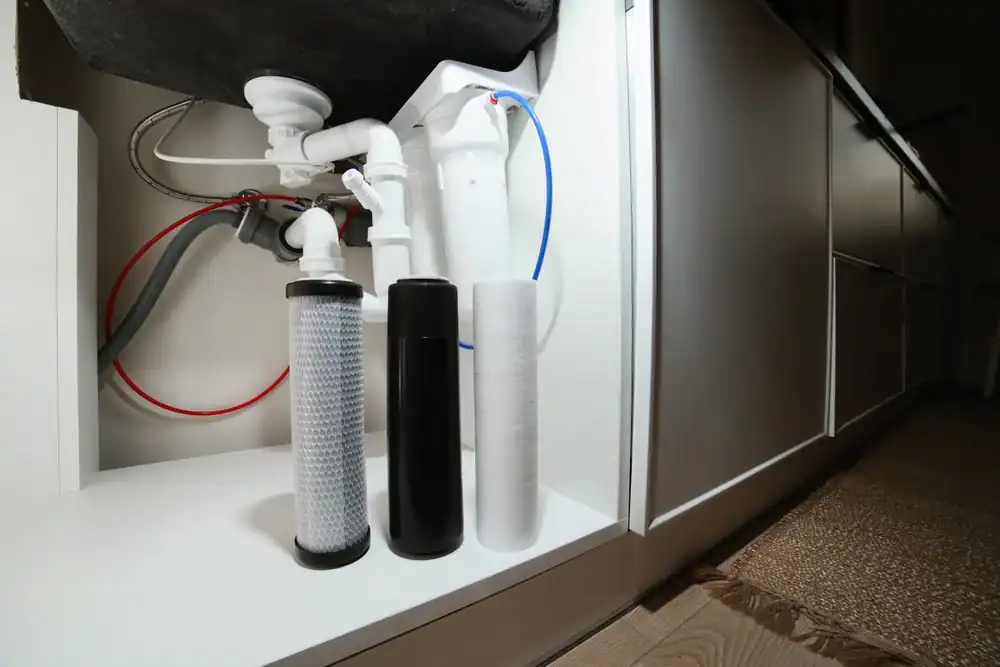
The orange ring around your toilet bowl doesn’t scrub off because the problem isn’t on the surface — it’s in the water feeding every fixture in your home. Iron at elevated concentrations, which USGS data confirms is common in Sumter County’s lower-lying groundwater, doesn’t just stain. It slowly clogs pipes, burns out water heaters ahead of schedule, and leaves your laundry looking dingy no matter what detergent you use. Once it’s gone, it stays gone — and you’ll notice the difference faster than you’d expect.
The sulfur smell is its own conversation. That rotten egg odor coming from your faucets or shower is hydrogen sulfide gas produced by bacteria living in the warm, anaerobic groundwater beneath this part of Central Florida. It’s more active in summer, which in Sumter County means it’s more active most of the year. A properly designed system eliminates it at the source — not with a filter that masks it temporarily, but with a treatment process that removes the conditions that create it.
For homeowners in Caroline specifically, there’s also the appliance angle. The designer block-and-frame homes in this neighborhood were built around 2006, which means water heaters, dishwashers, and washing machines are at the age where hard, iron-heavy water starts showing up as repair bills. A whole-house filtration system protects all of it — every tap, every appliance, every fixture — from one point-of-entry installation.
We’ve been treating Florida well water for over 50 years. That’s not a number pulled from a brochure — it means we’ve been solving the exact problems created by the Floridan Aquifer’s limestone geology since before most of our competitors were in business. We’re a National Water Quality Association member, which requires passing a formal certification exam and committing to a professional code of ethics. And we hold an A+ BBB accreditation with a 5-star rating and not a single complaint on record.
In an industry where the Florida Attorney General has literally shut down water treatment companies for predatory sales practices, that track record matters. Residents throughout The Villages — from Caroline down through District 6 — have access to a local Central Florida service line, not a national call center. When something needs attention after installation, you’re calling a real number staffed by people who know Sumter County water.
We also offer a $500 discount for military members, veterans, and first responders — a genuine commitment in a community where that population is significant.
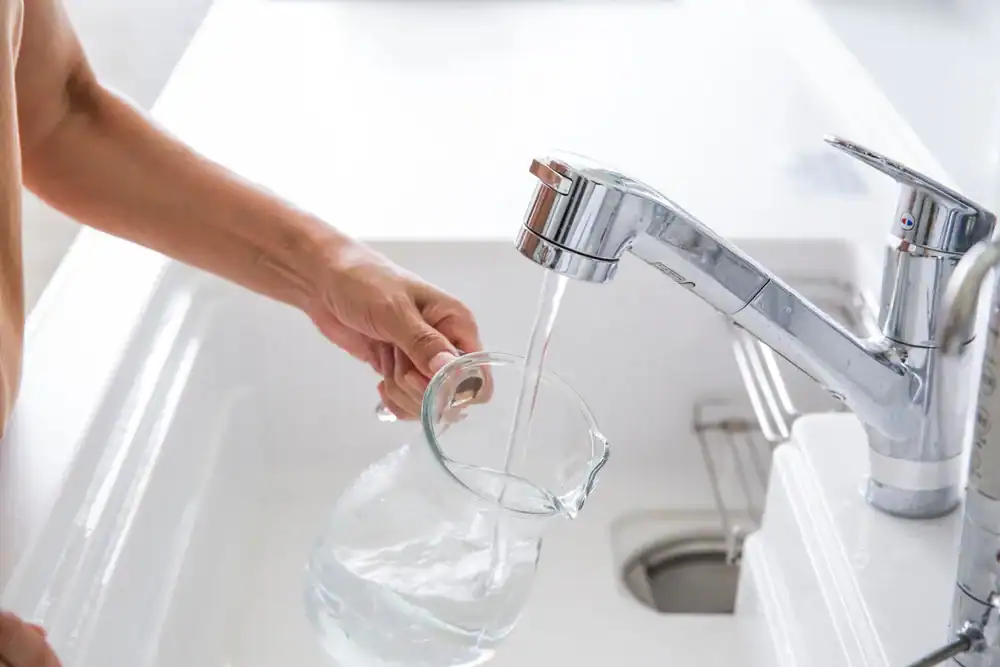
It starts with a free water analysis — no cost, no obligation, no pressure to buy anything. A technician tests your specific well water and identifies exactly what’s in it: iron levels, hydrogen sulfide content, bacterial presence, manganese, hardness, and anything else worth knowing. This matters because Sumter County groundwater isn’t uniform. The anaerobic conditions in lower-lying areas of the county produce different contaminant profiles than higher-elevation wells, and a system built on guesswork won’t solve your actual problem.
Once the results are in, a system is designed around your water — not a pre-packaged product pulled off a shelf. If your water has iron and sulfur but no bacterial issue, the system reflects that. If bacteria is present, UV disinfection gets added. The design is specific to what your well actually contains.
Installation happens in a single day. The system is set up at the point where water enters your home — typically in the garage or utility area — so it treats every tap, every shower, every appliance simultaneously. There’s no exterior work, no changes to your home’s appearance, and nothing that would raise a concern with The Villages’ community standards. By the time you’re back from an evening at Lake Sumter Landing, your water is already running clean.
Ready to get started?
Most well water problems in Caroline don’t come alone. Iron shows up with manganese. Sulfur comes with bacteria. Hard water compounds the staining that iron already started. A single-purpose device — a softener that doesn’t address sulfur, or a carbon filter that doesn’t touch iron — is why so many homeowners in this area have already spent money on something that didn’t fully work.
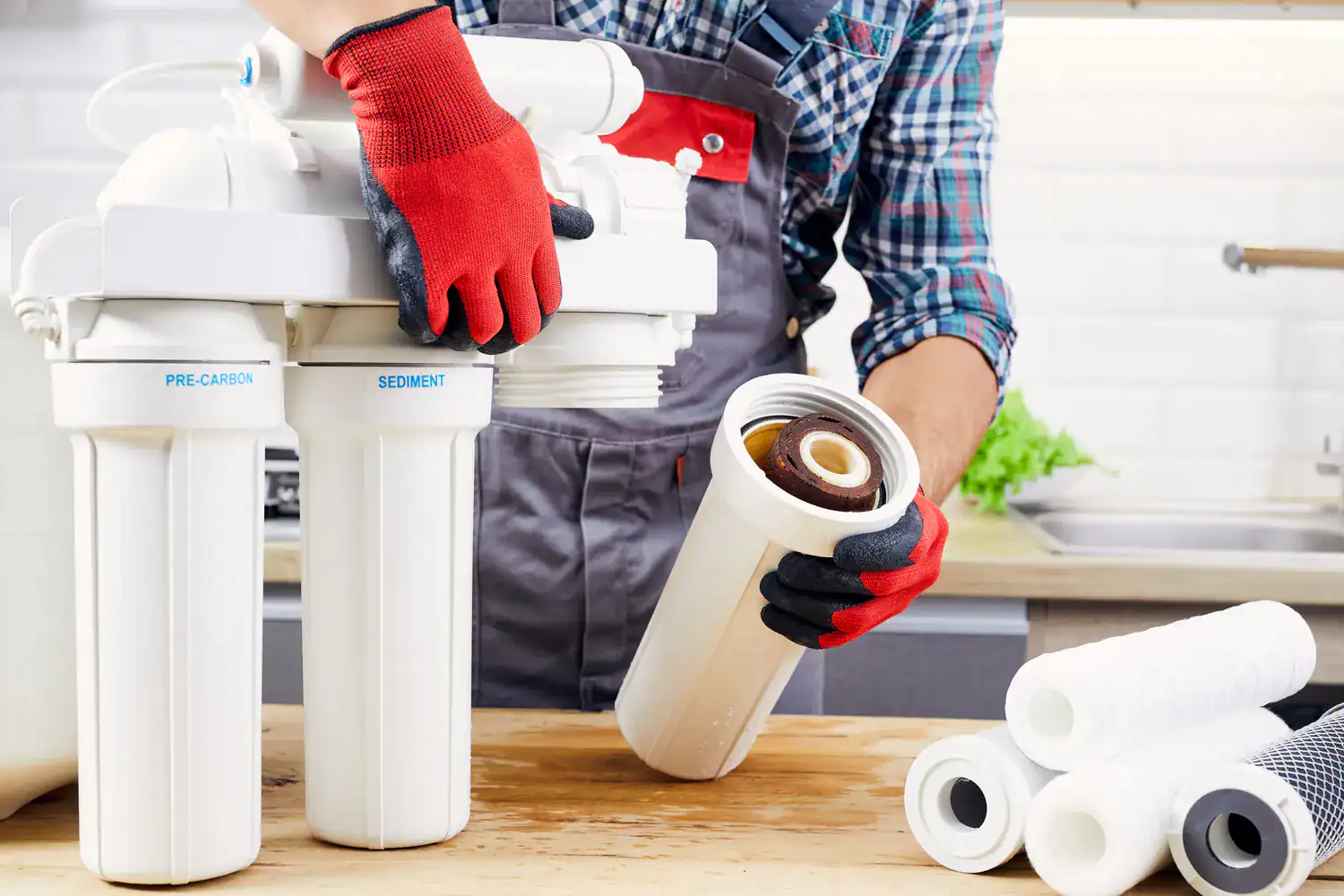
The whole-house systems we design for this area are multi-stage by default. Depending on what your water test shows, your system may include sediment pre-filtration, air injection oxidation for iron and hydrogen sulfide removal, a water softener stage for hardness and manganese, and UV disinfection for bacteria. Each stage addresses a specific problem confirmed by your water analysis — nothing is added that your water doesn’t require, and nothing that your water does require gets left out.
Every installation is performed by a licensed, insured technician and completed in a single visit. The system is sized for whole-house coverage, meaning your kitchen, bathrooms, laundry, and irrigation all receive treated water. For Caroline homeowners who relocated from municipal water systems up north and weren’t expecting well water issues, this is the complete solution — not a starting point.

That smell is hydrogen sulfide — a gas produced by sulfur-reducing bacteria that thrive in the warm, low-oxygen groundwater conditions common in Sumter County. The Floridan Aquifer beneath this part of Central Florida is a karstic limestone system, and in lower-lying areas like much of The Villages and Caroline, the groundwater tends to be anaerobic, which is exactly the environment where hydrogen sulfide-producing bacteria are most active. Florida’s year-round heat keeps that bacterial activity going in a way that colder climates don’t experience seasonally.
The smell often gets more noticeable in summer when temperatures push into the 90s and the groundwater warms further. It can also intensify after periods of heavy rain, which is common during Sumter County’s June through November storm season. A properly designed treatment system — typically involving air injection oxidation or a dedicated sulfur removal stage — eliminates the gas at the source rather than masking it. Once it’s treated correctly, the smell doesn’t come back.
Yes, almost certainly. Orange or rust-colored staining on toilets, sinks, tubs, and fixtures is one of the most common signs of elevated iron in well water. The USGS has specifically documented elevated iron concentrations in the groundwater of Sumter County’s lower-lying areas, which includes much of the terrain beneath Caroline and The Villages. Iron at even relatively low concentrations — as little as 0.3 milligrams per liter — is enough to cause visible staining over time.
The frustrating part is that bleach and standard cleaning products don’t remove iron staining permanently because the iron is continuously redeposited every time you run the water. The only real fix is removing the iron before it enters your plumbing. An iron removal system — typically an air injection or oxidation-based whole-house filter — intercepts it at the point of entry, so it never reaches your fixtures in the first place. After installation, existing staining can be addressed with an iron-specific cleaner, and new staining simply stops occurring.
Yes — and for most well water in the Caroline area, that’s exactly what’s needed. These problems tend to co-exist because they share the same root cause: the anaerobic, mineral-rich groundwater conditions of the Floridan Aquifer in Sumter County. A well that has elevated iron almost always has some degree of sulfur activity, and warm Florida groundwater carries a higher bacterial risk than colder northern aquifers.
A properly designed multi-stage system addresses each problem through a dedicated treatment stage. Iron and hydrogen sulfide are typically handled through oxidation — either air injection or chemical injection — which converts dissolved iron and sulfur into filterable particles. A softener stage addresses hardness and manganese. UV disinfection handles bacteria without adding chemicals to your water. The stages work in sequence, and the system is designed around your specific water test results, so you’re not paying for treatment you don’t need or missing treatment you do. One installation, one point of entry, all of it handled.
For most homes in Caroline, installation is completed in a single day. The system is installed at the point where water enters your home — typically in the garage or utility area — which means there’s no major construction, no exterior work, and nothing that disrupts the appearance of your home or raises concerns with The Villages’ community standards or CDD requirements.
The timeline from start to finish usually runs four to six hours depending on the complexity of the system and the existing plumbing configuration. Technicians arrive with all equipment and materials needed for your specific system, which was designed based on your water test results beforehand. By the end of the appointment, the system is running, the technician walks you through how it works and what maintenance it needs, and your water is already being treated. There’s no waiting period, no curing time, and no reason to avoid using your water after installation. Most Caroline homeowners are back to their normal routine the same day.
You can’t tell by looking at it, smelling it, or tasting it — which is exactly what makes bacterial contamination in private wells a genuine concern. The Florida Department of Health recommends that private well owners test for bacteria and nitrates at minimum once per year, and more frequently after significant weather events. In Sumter County, that means testing after the heavy rainstorms that move through regularly from June through November, since surface water infiltration through the karst limestone geology can introduce biological contamination into the aquifer.
The karstic nature of the geology beneath The Villages and Caroline — full of sinkholes, fractures, and drainage pathways through porous limestone — means that surface contaminants have more direct routes into the groundwater than they would in areas with thick clay or soil barriers. A free water analysis from us tests for bacterial presence along with iron, sulfur, hardness, and other contaminants. If bacteria are found, UV disinfection is added to your system — it neutralizes bacteria, viruses, and other pathogens without adding any chemicals to your water supply.
Please provide your email address so that we can stay in touch and answer any questions you have! We will be reaching back out shortly.
"*" indicates required fields