Reach Out Today
Please provide your email address so that we can stay in touch and answer any questions you have! We will be reaching back out shortly.

Hear from Our Customers
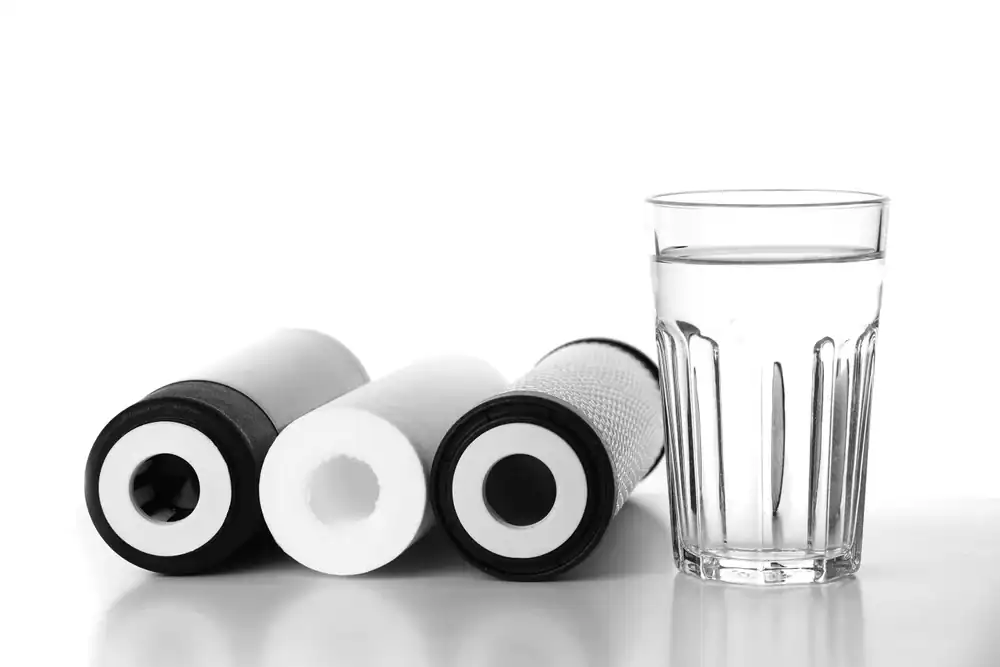
No more rotten egg smell when someone turns on the shower. No more rust stains on your fixtures or orange rings in the toilet. No more wondering if what’s coming out of your tap is actually safe to drink.
When your well water filtration system is designed around what’s actually in your water—not what some national company assumes might be there—you get results that last. Your clothes stop turning dingy. Your appliances stop clogging with scale. Your coffee tastes like coffee again.
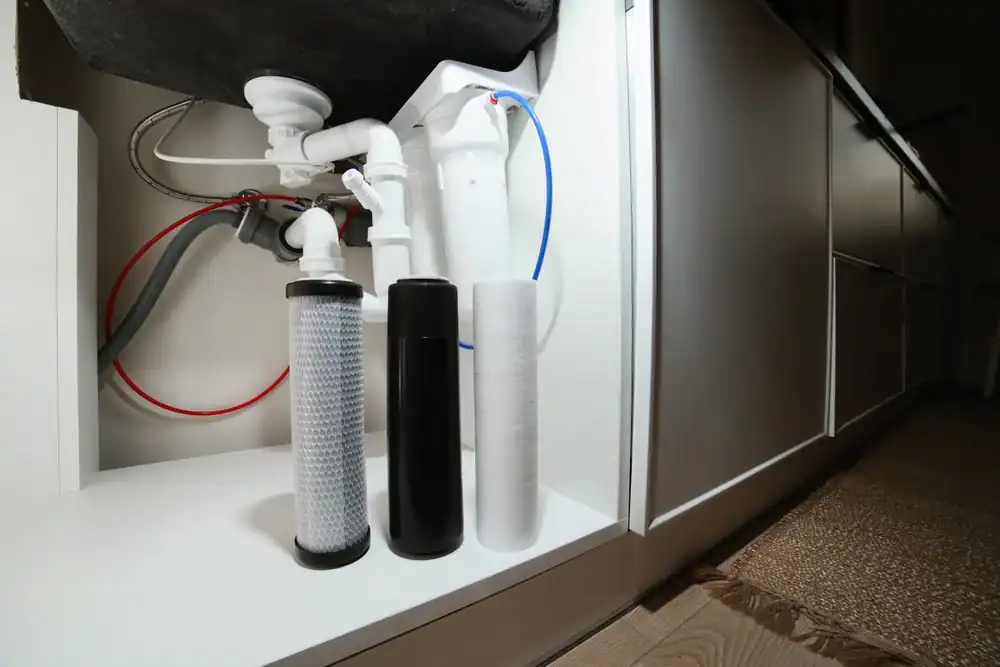
You’re not masking the problem or running water through a filter that can’t handle the load. You’re removing iron, killing bacteria, neutralizing hydrogen sulfide, and addressing hardness at the source. That’s what happens when the system matches the problem.
We’ve been testing and treating well water across North and Central Florida for over five decades. We’re not new to this. We’re not a franchise that showed up last year with a one-size-fits-all pitch.
We’re A+ rated with the Better Business Bureau with zero complaints. We’re members of the National Water Quality Association. And we’ve built our reputation in Butler Beach and the surrounding area by doing what we say we’ll do—testing your water, designing a system that fits it, and servicing what we install.
You’re not getting a salesperson who disappears after the install. You’re working with a local team that knows Florida water, knows what breaks down systems in this climate, and knows how to keep your equipment running long-term.
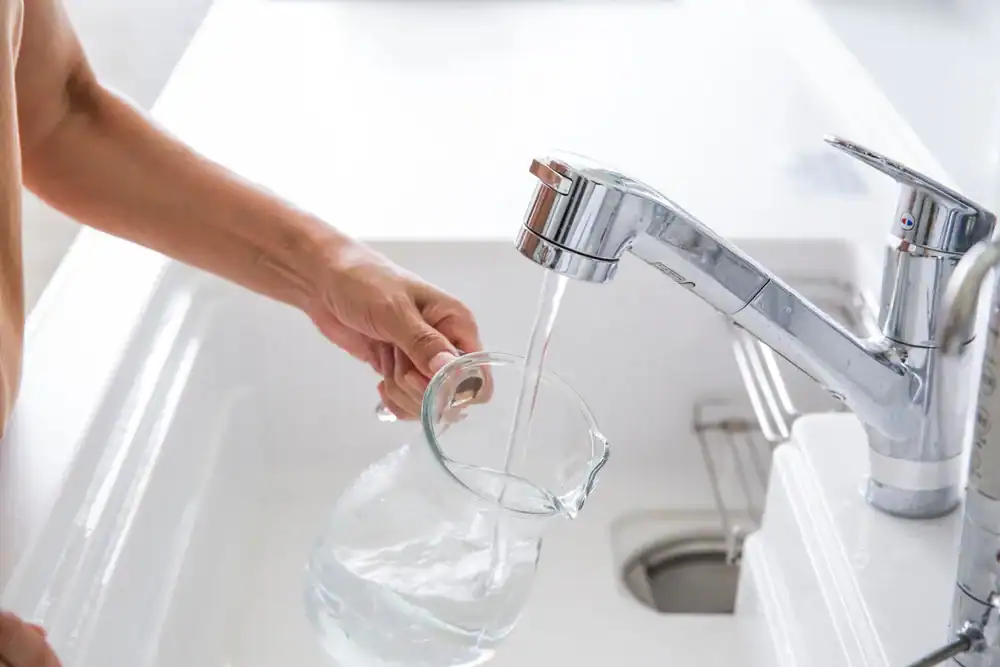
It starts with a free water analysis. We test your well water to see what’s in it—iron levels, bacteria, sulfur, hardness, pH. That tells us what needs to be removed and how.
Then we design a system based on those results and your household’s water usage. If you’ve got bacterial iron and hydrogen sulfide, we’re not selling you a basic softener. If you’ve got high iron and hardness, we’re not throwing a UV light at it and calling it done. The equipment matches the problem.
Installation happens on your schedule. We walk you through how the system works, what to expect during the first few days, and what kind of maintenance it’ll need down the road. Then we test the water again to confirm everything’s working the way it should.
After that, we’re available if something changes or if you need service. We work on all brands, so even if you’ve got an old system from another company that’s limping along, we can evaluate it and tell you whether it’s worth fixing or replacing.
Ready to get started?
Most well water issues in Butler Beach come down to iron, sulfur, bacteria, or hardness—sometimes all four. Your system gets built to handle what’s actually showing up in your water test.
Iron removal systems use air injection oxidation or hydrogen peroxide injection to convert dissolved iron into particles that get filtered out. That stops the staining and the metallic taste. If you’ve got bacterial iron or other bacteria like E. coli, we add disinfection—either through the oxidation process itself or with a UV light system that kills organisms as water passes through.
Hydrogen sulfide treatment tackles the sulfur smell. Depending on concentration, that might mean an oxidizing filter, an air injection system, or a combination approach. The goal is to neutralize the sulfur before it gets to your taps, not just cover it up.
If your water’s hard, we address that too—either with a traditional softener or a salt-free conditioner, depending on your preference and what makes sense for your situation. Some homes near the coast deal with saltwater intrusion or elevated TDS levels, which changes the approach. We adjust for that.

If you’re seeing rust stains in your sinks or toilets, that’s iron. If your water smells like rotten eggs, that’s hydrogen sulfide. If your soap doesn’t lather or you’ve got white buildup on faucets, that’s hardness.
But some problems don’t announce themselves. Bacteria, elevated nitrates, or pH imbalances won’t always show obvious symptoms. That’s why a water test matters—it tells you what’s there, not just what you can see or smell.
We offer free water analysis because guessing doesn’t work. You might think you’ve got a sulfur problem when it’s actually bacterial iron, and those require different treatment methods. Testing first means you’re solving the right problem with the right equipment.
Both methods oxidize dissolved iron so it can be filtered out, but they work a little differently. Air injection oxidation uses compressed air and a specialized tank to convert ferrous iron into ferric iron, which then gets trapped in a filter media. It’s effective, doesn’t require chemicals, and handles moderate to high iron levels well.
Hydrogen peroxide injection adds a small amount of peroxide to the water before filtration. It’s a stronger oxidizer, so it works faster and can handle tougher cases—especially when you’ve got iron combined with sulfur or manganese. It does require refilling a peroxide tank periodically, but the ongoing cost is low.
Which one you need depends on your iron levels, whether you’ve got other contaminants mixed in, and how your water chemistry looks overall. We recommend one or the other based on your test results, not based on what’s easier for us to install.
A standard filter won’t kill bacteria—it might catch some, but it’s not designed for disinfection. If your water test shows coliform, E. coli, or other bacteria, you need a disinfection method that actually kills organisms.
The most common approach is a UV light system. Water passes through a chamber with an ultraviolet bulb that destroys bacteria, viruses, and other microorganisms at a cellular level. It’s chemical-free, works instantly, and doesn’t change the taste of your water. The bulb needs to be replaced once a year, but there’s no ongoing maintenance beyond that.
In some cases, we use oxidation methods that also disinfect—like chlorine injection or ozone—but UV is usually the cleanest and simplest option for residential wells. If bacteria’s present, we don’t skip this step. It’s not optional.
That depends on what kind of system you have and what it’s removing. Most whole-house filtration systems need a service check once a year. That usually means inspecting the tanks, checking media levels, replacing a UV bulb if you’ve got one, and making sure everything’s cycling properly.
If you’ve got a softener, you’ll need to keep salt in the brine tank—that’s something you handle yourself, usually every few months depending on water usage. If you’ve got a peroxide injection system, you’ll refill the peroxide tank a couple times a year. Neither of those is complicated.
The key is not ignoring it. A system that’s running low on media or hasn’t had a UV bulb changed in two years isn’t going to perform the way it should. We offer service plans that put it on autopilot, or you can call us when it’s time. Either way, an hour of maintenance beats replacing equipment early because it got neglected.
Yes. We service all brands of water treatment equipment, even if we didn’t install it. If your current system isn’t working right—or if the company that sold it to you isn’t responding—we can come out, diagnose the issue, and tell you what it needs.
Sometimes it’s a simple fix. A valve’s stuck, media needs replacing, or a setting got changed. Other times, the system was never right for your water in the first place, and you’re better off replacing it with something that actually fits the problem.
We’ll be straight with you either way. If it’s worth repairing, we’ll repair it. If it’s not, we’ll explain why and what a replacement would look like. You’re not locked into anything just because someone else installed it years ago.
Please provide your email address so that we can stay in touch and answer any questions you have! We will be reaching back out shortly.
"*" indicates required fields
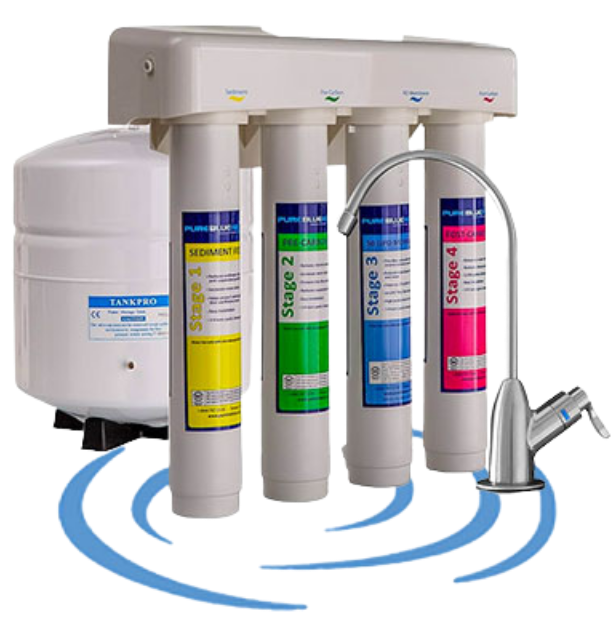
Get a free reverse osmosis drinking water system with the purchase of any whole-home water purification system.
*Cannot be combined with other offers. Mention this special when you call.