Reach Out Today
Please provide your email address so that we can stay in touch and answer any questions you have! We will be reaching back out shortly.

Hear from Our Customers
No more orange stains in your toilets and sinks. No more rotten egg smell when you turn on the tap. No more explaining to guests why your water smells like that.
Your appliances last longer because they’re not fighting mineral buildup every day. Your water heater isn’t working overtime. Your washing machine isn’t leaving rust marks on white clothes.
You stop worrying about what’s actually in the water your family drinks and bathes in. The slime in your toilet tank disappears. Your fixtures stay clean. You’re not replacing parts and appliances years before you should have to.
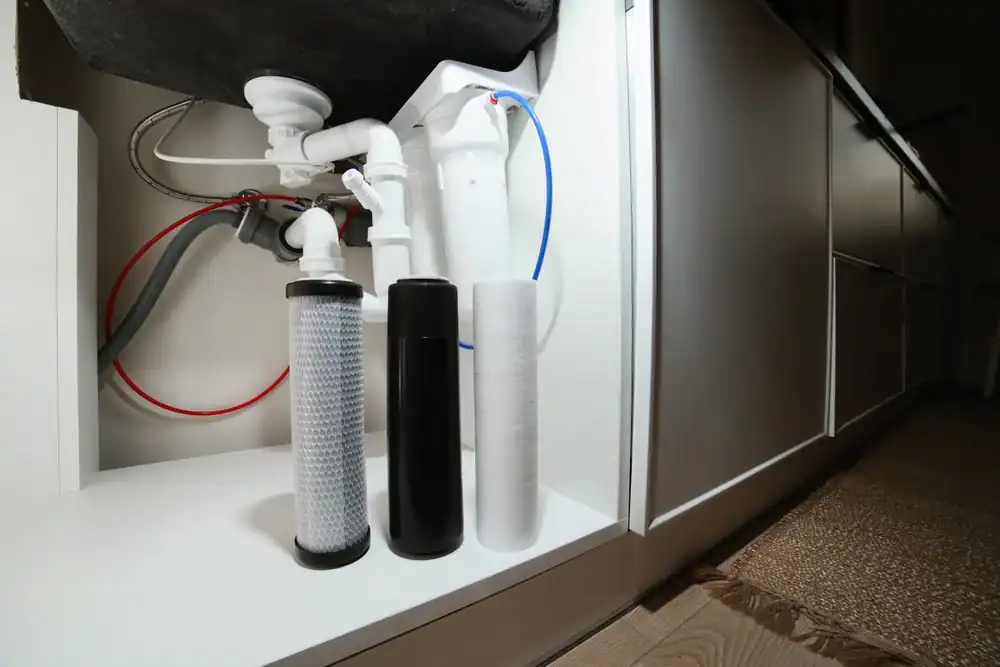
That’s what happens when you install a well water filtration system designed for the specific problems Central Florida wells deal with. Not a generic softener. Not a temporary fix. A system that removes iron, treats hydrogen sulfide, and kills bacteria at the source.
We focus exclusively on water purification, filtration, and softening. We don’t do plumbing. We don’t install water heaters. We solve water quality problems, and that’s it.
We’re members of the National Water Quality Association and hold an A+ rating with the Better Business Bureau with zero complaints. That matters because plenty of national companies will sell you a system and disappear when you need service.
Bryn Mawr sits in Lake County, where limestone aquifers create the perfect conditions for sulfur bacteria and iron problems. We’ve seen every variation of these issues across Central Florida, and we know which systems actually work long-term versus which ones just move the problem around.
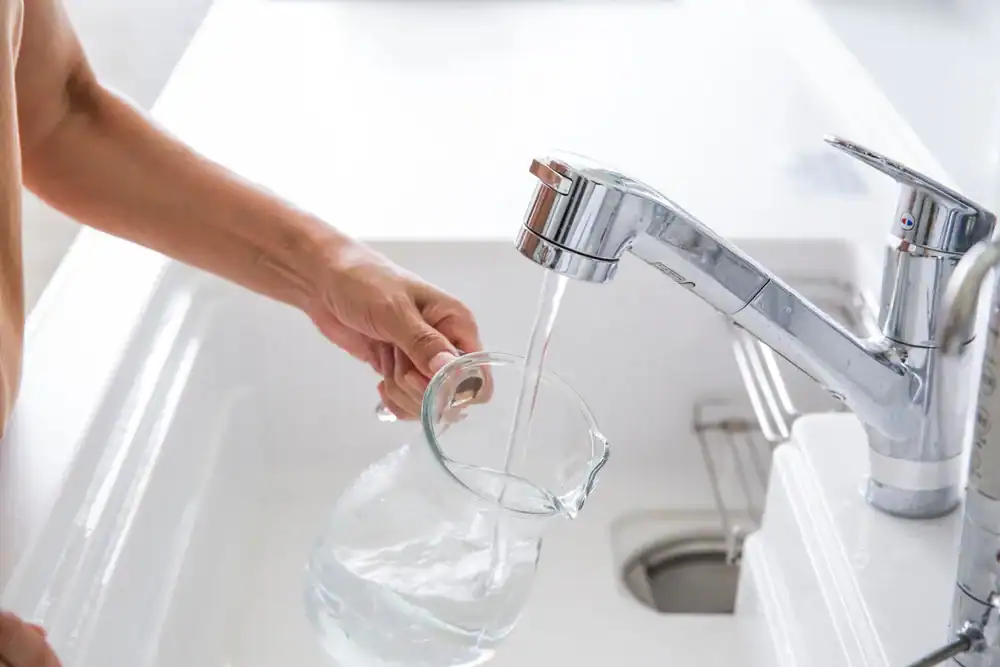
First, we test your water. Not a basic hardness test—a comprehensive analysis that identifies iron levels, sulfur bacteria, pH, and everything else affecting your water quality. You can’t fix what you haven’t measured.
Once we know what we’re dealing with, we design a system specific to your water chemistry. If you have iron bacteria, we’re using hydrogen peroxide injection or UV disinfection—not just a softener that’ll make it worse. If hydrogen sulfide is the issue, we’re looking at air injection oxidation systems that remove the sulfur without adding chemicals.
Installation takes a day in most cases. We’re not ripping apart your entire plumbing system. The filtration equipment goes in at your main line, treating all the water entering your home. After installation, we test again to confirm the system is performing exactly as designed.
You’ll see results immediately. The smell goes away. The staining stops. And because we’re local and we service what we sell, you’re not stuck with an expensive system and no support when you need it.
Ready to get started?
Most Bryn Mawr homes need a combination approach because Florida well water rarely has just one issue. You’ve got iron and sulfur and bacteria all at once.
Air injection oxidation systems handle iron and manganese without chemicals. The system injects air into your water, oxidizing dissolved iron so it can be filtered out before it reaches your fixtures. This is the most effective method for high iron content, which is extremely common in Lake County wells.
For hydrogen sulfide—that rotten egg smell—hydrogen peroxide injection systems eliminate the odor at the source. Unlike carbon filters that just mask the smell temporarily, peroxide actually neutralizes the sulfur bacteria creating the problem.
If testing shows bacteria in your water, UV disinfection or peroxide systems kill it without adding chlorine or other chemicals. This is critical if you have that slimy, rust-colored buildup in your toilet tank, which is iron bacteria. A standard water softener won’t remove it and often makes it worse by giving the bacteria more surface area to grow.
Every system we install is sized correctly for your home’s water usage and designed to handle your specific water chemistry. That’s why testing comes first.

That smell is hydrogen sulfide gas, and it’s one of the most common complaints from Lake County well owners. Florida’s limestone geology is loaded with sulfur compounds. As water moves through underground aquifers, it picks up these compounds and creates the perfect environment for sulfur bacteria to thrive.
The bacteria feed on sulfur in the warm, oxygen-poor environment inside your well and plumbing system. That’s why the problem is so persistent here. It’s not just your well—it’s the entire region’s geology.
The smell is unmistakable and embarrassing, especially when you have guests over. But more importantly, it indicates bacteria in your water supply. You need a treatment system that addresses the bacteria, not just masks the odor. Hydrogen peroxide injection or aeration systems eliminate the source of the problem instead of covering it up temporarily with carbon filters that stop working after a few months.
Iron. Your well water contains dissolved iron that you can’t see when the water first comes out of the tap. But expose it to air, and it oxidizes into that familiar rust color, leaving orange and red stains on everything it touches.
You’ll see it in your toilets, sinks, and tubs. It builds up in your water heater and appliances. It leaves spots on dishes and rust stains on laundry. The longer you wait to address it, the more damage accumulates.
Iron removal systems use air injection oxidation to convert dissolved iron into particles that can be filtered out before the water enters your home. This stops the staining completely and protects your appliances from the buildup that causes premature failure. Replacing a water heater or washing machine costs a lot more than installing a proper filtration system that prevents the problem in the first place.
Not effectively, and in some cases it’ll make things worse. Water softeners are designed to remove hardness minerals like calcium and magnesium. They can handle very small amounts of clear water iron—maybe 1-3 parts per million—but most Bryn Mawr wells have much higher iron levels than that.
If you have iron bacteria—that slimy, rust-colored buildup in your toilet tank—a water softener will actually make the problem worse. The resin bed inside the softener gives iron bacteria more surface area to grow and multiply. You’ll end up with a fouled system that doesn’t work and a bigger bacteria problem than you started with.
Sulfur bacteria and hydrogen sulfide aren’t removed by softeners at all. You need oxidation and disinfection to handle these issues. That means air injection systems, hydrogen peroxide injection, or UV treatment. A properly designed well water filtration system addresses iron, sulfur, and bacteria first, then softens the water if hardness is also an issue. The order matters.
It depends entirely on what your water testing reveals and what size system your home needs. A basic iron removal system starts around $2,000 to $3,000. If you need hydrogen peroxide injection for sulfur bacteria, UV disinfection for bacteria, and softening for hardness, you’re looking at a more comprehensive system in the $4,000 to $7,000 range.
That sounds like a lot until you consider what you’re preventing. A water heater replacement costs $1,200 to $2,000. A washing machine is $600 to $1,200. Dishwashers, faucets, and fixtures all fail faster when you’re running untreated well water through them. Add up those replacement costs over five to ten years, and a filtration system pays for itself.
We offer a $500 discount for military members and first responders. And because we’re local and we service what we install, you’re not paying for a system and then getting stuck with no support when something needs attention. We test first, design the system for your specific water chemistry, and make sure it’s working correctly before we leave.
Most systems need basic maintenance once or twice a year, depending on your water quality and usage. Air injection systems require occasional checks of the air injector and control valve. Hydrogen peroxide systems need the peroxide tank refilled periodically—usually every few months, depending on your water usage and how much sulfur bacteria you’re treating.
UV systems need the bulb replaced annually because UV output decreases over time, even if the light still looks like it’s working. If your system includes a softener, you’ll need to keep salt in the brine tank and occasionally clean the resin bed if you have high iron levels.
The key difference between working with us versus a national chain is what happens when you actually need service. We’re here. We know your system because we installed it. We stock parts. You’re not waiting weeks for a technician to show up or dealing with a call center that doesn’t know your account. Proper maintenance keeps your system running efficiently for decades, and that only happens when the company that sold it to you is still around to service it.
Please provide your email address so that we can stay in touch and answer any questions you have! We will be reaching back out shortly.
"*" indicates required fields