Reach Out Today
Please provide your email address so that we can stay in touch and answer any questions you have! We will be reaching back out shortly.

Hear from Our Customers
You turn on the tap and there’s that smell again. Or maybe it’s the orange ring around your toilet that won’t scrub away no matter how hard you try. If you’re on well water in Blitchton, these aren’t just annoyances—they’re signs of what’s actually in your water.
Iron staining ruins fixtures and shortens the life of your water heater and washing machine. That rotten egg smell? Hydrogen sulfide gas. It’s corrosive to copper and brass plumbing, and it makes your home embarrassing when guests visit.
The longer you wait, the more damage piles up. Replacing a water heater costs a lot more than installing a whole house water filter that prevents the problem in the first place. Your water should be clear, odorless, and safe—not something you’re constantly fighting or cleaning up after.
A properly designed well water filtration system removes iron before it stains, eliminates sulfur odors at the source, and protects against bacteria that thrive in Florida’s warm groundwater. You stop buying bottled water. Your appliances last years longer. And you’re not scrubbing orange stains every week.
We’ve been solving well water problems for over 50 years at Quality Safe Water of Florida. We’re A-rated by the Better Business Bureau with a 5-star rating and zero complaints. That’s not common in this industry, especially when you’re comparing us to national companies that disappear after the sale.
We’re members of the National Water Quality Association, and we service every major water treatment brand. When you call us five years from now, we’ll still be here.
Blitchton sits on top of Florida’s limestone aquifer system, which creates specific challenges. The same geological formations that provide abundant groundwater also dissolve minerals and create conditions where bacteria thrive. We’ve been treating water from this aquifer for decades, so we know exactly what you’re dealing with and how to fix it long-term.
First, we test your water. Not a basic test—a comprehensive analysis that shows us exactly what contaminants we’re dealing with and at what levels. Iron, sulfur, bacteria, hardness, pH—we need the full picture before we recommend anything.
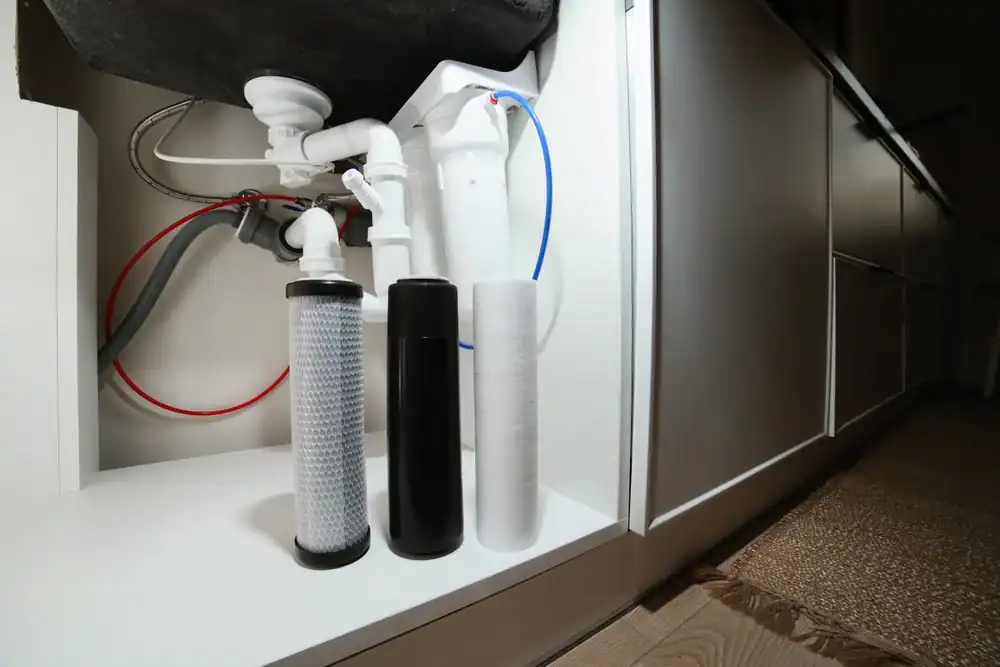
Then we design a system based on your specific water chemistry and household needs. If you’ve got high iron and hydrogen sulfide, we’re likely looking at a multi-stage setup: sediment pre-filtration to catch rust and particles, catalytic carbon to remove hydrogen sulfide and control bacteria, and iron-reduction media to capture oxidized iron. Some situations call for hydrogen peroxide injection or air injection oxidation systems depending on contamination levels.
Installation takes about a day for most homes. We’re treating water at the point where it enters your home, before it reaches any faucet, shower, or appliance. That’s the difference between a whole house system and those under-sink filters that only work in one spot.
After installation, you’ll notice the difference immediately. No more smell. No more staining. And your system keeps working because we’re still here to maintain it. Annual service keeps everything running efficiently, and we’re a phone call away if anything comes up.
Ready to get started?
Every system we install is custom-designed based on your water test results. No cookie-cutter solutions. If your water has iron bacteria creating that orange slime in your toilet tank, we’re addressing that specifically. If you’ve got hydrogen sulfide making your water smell like rotten eggs, we’re using catalytic carbon and the right media to eliminate it.
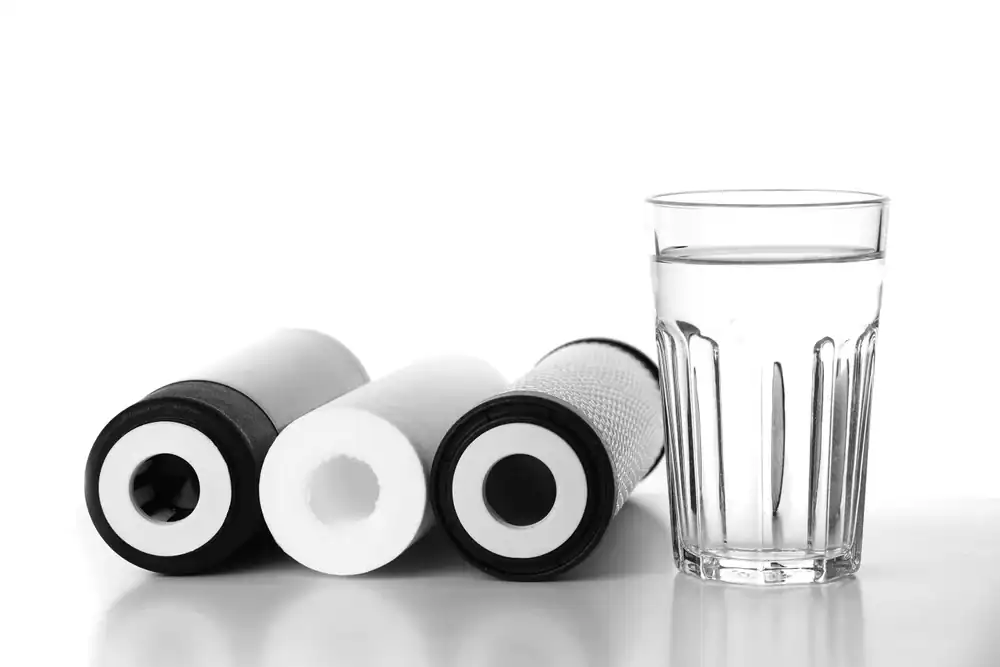
Our systems typically include sediment pre-filtration, which removes rust, sand, and larger particles that could clog downstream components. Then comes the treatment stage—this varies based on what’s in your water, but often includes catalytic carbon for hydrogen sulfide removal, KDF media for heavy metal reduction and bacteria control, and proprietary iron-reduction media that captures oxidized iron particles.
For homes with bacterial contamination, we add UV sterilization or hydrogen peroxide injection systems. These kill bacteria without adding chemicals that you’ll taste or smell later. The goal is water that’s actually clean, not just filtered.
Florida’s groundwater is different from other regions. Higher temperatures mean more bacterial activity. Limestone aquifers mean more dissolved minerals. Our systems account for these conditions because we’ve been installing them here for decades. You’re not getting a system designed for Minnesota and hoping it works in Florida—you’re getting something engineered for exactly what comes out of wells in Blitchton.

Most whole house systems run between $2,500 and $8,000 depending on your home’s size, what’s in your water, and how much treatment you need. A basic system that handles chlorine and sediment costs less than a comprehensive setup addressing hard water, iron, sulfur, and bacteria.
Here’s what drives the price: if your water test shows high iron and hydrogen sulfide, you need multi-stage filtration with specific media that targets those contaminants. If you’ve also got bacteria, we’re adding UV sterilization or a hydrogen peroxide injection system. Larger homes need bigger tanks and higher flow rates, which increases equipment costs.
We give you an exact price after testing your water. No guessing, no upselling equipment you don’t need. You’ll know what you’re paying for and why each component matters for your specific water chemistry. And that investment protects appliances that cost thousands to replace, so the math works in your favor pretty quickly.
That’s hydrogen sulfide gas, and it’s one of the most common complaints from well owners in this area. It happens when sulfur bacteria break down organic matter in your well or when groundwater passes through sulfur-bearing rock formations—both of which are common in Florida’s aquifer system.
The smell is unmistakable and embarrassing, especially when you have guests over. But beyond the smell, hydrogen sulfide is corrosive. It eats away at copper and brass plumbing fixtures, causes black or green stains, and accelerates the breakdown of your water heater’s anode rod.
The fix is a well water filtration system with catalytic carbon media, which removes hydrogen sulfide before it reaches your plumbing. For higher concentrations, we use air injection oxidation or hydrogen peroxide injection to oxidize the gas, then filter out the precipitated sulfur. Once it’s installed, the smell is gone—and your plumbing stops corroding.
Those orange stains are oxidized iron, and they’re not going away with better cleaning products. If your water has iron in it, every time that water sits on a surface and evaporates, it leaves iron behind. That’s why your sinks, toilets, and tubs have staining that keeps coming back.
The only real fix is removing the iron before it enters your plumbing. An iron removal system oxidizes the dissolved iron in your water, then filters out the particles before they reach your fixtures. Most systems use a combination of aeration or chemical oxidation followed by a catalytic filter media that captures the iron.
If you’ve also got iron bacteria—which creates a slimy orange residue—you need a more aggressive approach. We typically use hydrogen peroxide injection or chlorination to kill the bacteria, followed by filtration to remove the dead bacteria and iron particles. Once the system is in place, you stop getting new stains, and the old ones can finally be cleaned off for good.
You need to test it. Describing symptoms helps us narrow down the likely culprits, but we can’t design an effective system without knowing exactly what’s in your water and at what concentrations.
For example, if you say your water smells like rotten eggs, that’s probably hydrogen sulfide—but we need to know how much. Low levels can be handled with catalytic carbon. Higher levels need air injection oxidation or hydrogen peroxide injection. If we guess wrong, you’re either overpaying for equipment you don’t need or underpaying for a system that won’t actually solve the problem.
The Florida Department of Health recommends testing well water annually for coliform bacteria and nitrates, with lead testing every three years. That’s your responsibility as a homeowner—nobody else is checking. We do comprehensive testing that goes beyond the basics, measuring iron, sulfur, hardness, pH, and bacterial contamination. Then we know exactly what we’re treating, and you know exactly what you’re getting.
Most systems need annual service, though some components require attention more frequently depending on your water quality and household usage. If you’ve got high iron or sediment, your pre-filters might need changing every few months. The main treatment tanks typically get serviced once a year.
Annual maintenance includes checking your system’s performance, testing your water to make sure treatment levels are still effective, cleaning or replacing filters, and inspecting tanks and valves for wear. If you’ve got a UV sterilization system, the bulb needs replacing annually because its effectiveness drops over time even if it’s still glowing.
Skipping maintenance is where most systems fail. The media gets exhausted, filters clog, and suddenly you’re back to smelly, stained water. We set up a service schedule when we install your system, and we’ll remind you when it’s time. You’re not tracking it yourself or hoping you remember—we handle it, and your system keeps working the way it should.
Please provide your email address so that we can stay in touch and answer any questions you have! We will be reaching back out shortly.
"*" indicates required fields