Reach Out Today
Please provide your email address so that we can stay in touch and answer any questions you have! We will be reaching back out shortly.

Hear from Our Customers
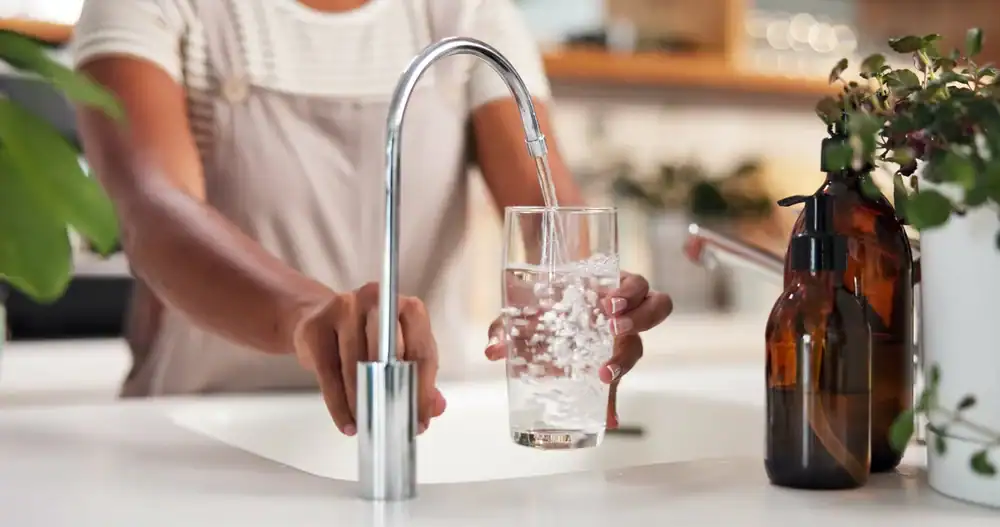
Clear water coming out of every faucet. No sulfur smell when you turn on the shower. White fixtures that stay white instead of turning orange within days.
That’s what happens when your well water gets treated correctly. You stop scrubbing rust stains off your toilet every week. Your water heater lasts years longer because it’s not clogged with iron sediment. Your clothes come out of the wash actually clean instead of dingy and discolored.
The difference shows up fast. Most homeowners notice it within the first day—no more holding your breath when guests use the bathroom, no more explaining why your water looks like iced tea. Just normal water that doesn’t require an apology or extra cleaning time.
We focus exclusively on water purification and filtration. We don’t do plumbing repairs or water heater installations—just water treatment systems designed for Florida’s specific groundwater challenges.
We’re A-rated with the Better Business Bureau and maintain a 5-star rating with zero complaints. We’re also members of the National Water Quality Association, which means we follow industry standards that actually matter. Every system we install in Arlington Manor starts with a free water analysis, because what works for your neighbor’s well might not work for yours.
We’ve been serving Central Florida homeowners who are tired of dealing with iron, sulfur, and bacteria in their well water. The solutions we install are designed for the long term, not just a quick fix that fails in two years.
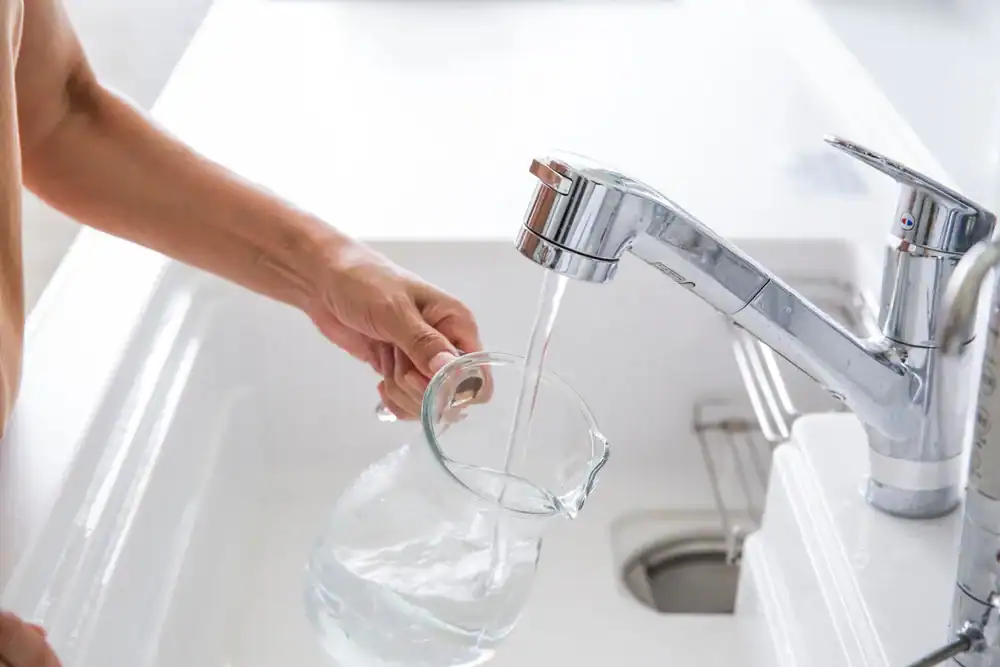
First, we test your water. Not just for hardness—we’re looking at iron levels, sulfur bacteria, pH, manganese, tannins, and anything else that’s causing problems. This tells us exactly what treatment method will actually work for your specific well.
Then we design a system based on those results and your household’s water usage. For most Arlington Manor homes dealing with iron and sulfur, that means either a hydrogen peroxide injection system or an air injection oxidation system. Both methods oxidize the iron and kill the bacteria without leaving chemical residue in your water.
We install everything in one day, typically in your garage or utility area. You’ll see the difference immediately—clear water, no smell, no staining. We also set you up with a maintenance schedule because these systems need occasional filter changes and tank cleaning to keep working correctly. Most homeowners handle basic upkeep themselves, but we’re available whenever you need professional service.
Ready to get started?
Your system will include the treatment tank, control valve, and whatever injection or oxidation method your water needs. For hydrogen sulfide treatment, that usually means a peroxide injection pump that doses your water before it enters the pressure tank. For heavy iron, we often use air injection oxidation, which forces oxygen into the water to convert dissolved iron into particles that get filtered out.
In Arlington Manor, we see a lot of homes dealing with both iron and sulfur bacteria at the same time. Florida’s groundwater sits in limestone aquifers that are naturally high in these minerals, and the warm climate makes bacteria thrive. Your system needs to address both issues or you’ll still have problems.
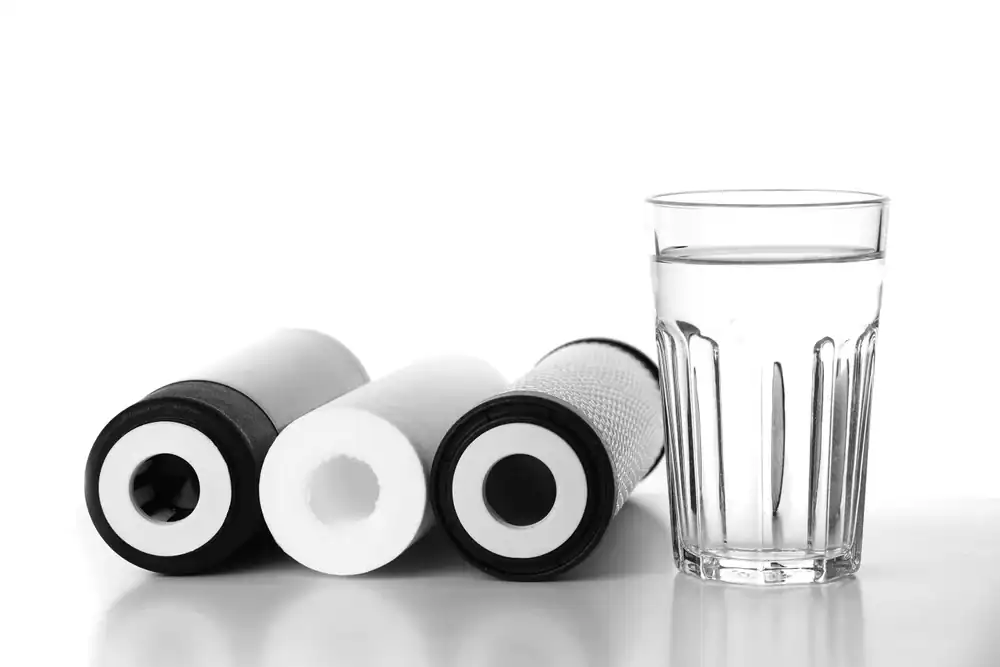
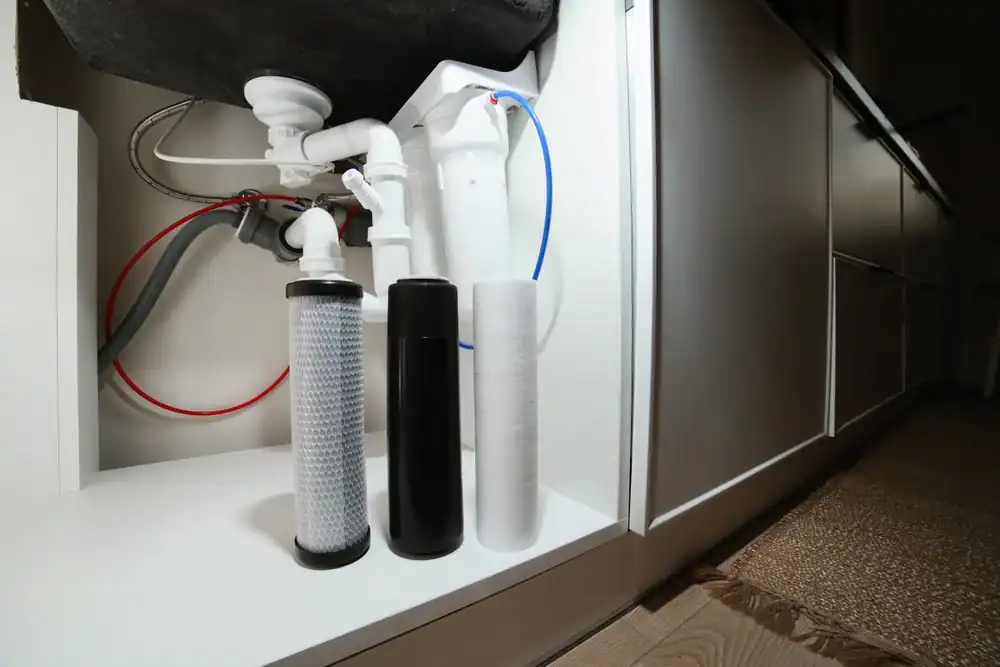
We also include a pre-filter to catch sediment and a post-filter for any remaining particles. The whole setup is designed to run automatically—you shouldn’t have to think about it daily. You will need to add peroxide to the tank every few months if that’s your treatment method, and filters need changing once or twice a year depending on your water quality and usage.

You’ll usually know because you can see it or smell it. Orange or brown stains on your sinks, toilets, and shower are from iron. A rotten egg smell, especially when you first turn on hot water, means hydrogen sulfide gas from sulfur bacteria. Yellow or tea-colored water indicates tannins.
But some problems aren’t visible. Bacteria, nitrates, and other contaminants don’t always announce themselves with obvious signs. That’s why testing matters, even if your water looks and smells fine. The CDC reports thousands of illnesses annually from contaminated drinking water, and private wells in Florida are your responsibility to monitor—the state doesn’t require routine testing.
We offer free water analysis because guessing doesn’t work. Your neighbor might have perfect water while yours is loaded with iron, even though you’re only a few hundred feet apart. Different well depths, different rock layers, different bacteria colonies. Testing tells you exactly what you’re dealing with.
Both methods oxidize iron and kill bacteria, but they work differently. Hydrogen peroxide injection uses a pump to add H2O2 to your water before it reaches the pressure tank. The peroxide reacts with iron and bacteria immediately, then breaks down into just water and oxygen—no chemical residue. It’s fast and handles heavy contamination well.
Air injection oxidation pulls oxygen from the air and injects it into your water inside a special tank. The oxygen converts dissolved iron into solid particles that get trapped in a filter bed. It’s chemical-free and works well for moderate iron levels, but it’s not as aggressive as peroxide for severe problems or high bacteria counts.
Which one you need depends on your water test results. If you’ve got heavy sulfur bacteria and high iron—common in Arlington Manor wells—peroxide usually works better. If it’s mainly iron with minimal bacteria, air injection might be enough. We’ll recommend the right method after we see your actual water analysis, not before.
No. Water softeners remove hardness minerals like calcium and magnesium through ion exchange. They’re not designed to handle iron, sulfur bacteria, or hydrogen sulfide gas. If you run water with high iron through a standard softener, you’ll just ruin the resin bed and still have staining.
Some homeowners try using a softener because they’ve heard it helps with “everything,” but iron and sulfur need oxidation and filtration, not ion exchange. You need a treatment system that specifically targets those contaminants before the water reaches any softener you might also need for hardness.
In many Arlington Manor homes, you’ll end up with both—an iron and sulfur removal system first, then a softener after if your water is also hard. They serve completely different purposes. Trying to make a softener do the job of an iron filter is like using a screwdriver as a hammer. Wrong tool, bad results.
It depends on the system type and your water quality. Hydrogen peroxide systems need the peroxide tank refilled every 2-4 months, depending on your water usage. That’s something you can do yourself—it’s just pouring peroxide into a tank, similar to adding salt to a softener.
Air injection systems need the filter media replaced every few years and occasional cleaning of the oxidation tank. Both types need pre-filters and post-filters changed once or twice annually. If your water has heavy sediment or iron, you might need to change filters more often.
We set up a maintenance schedule when we install your system and show you how to handle the basic stuff. For anything more involved—like media replacement or system troubleshooting—we’re available for service calls. Most homeowners find the upkeep pretty minimal compared to the time they were spending scrubbing iron stains off everything.
You’ll notice the sulfur smell gone within hours of the system running. The oxidation process happens fast—whether it’s peroxide or air injection, the bacteria gets killed and the iron gets converted almost immediately as water flows through the system.
Stains take a bit longer to clear up because you’ve got residual iron coating your pipes and fixtures. You’ll need to flush your system and clean existing stains manually. But new stains stop forming right away once treated water is flowing through your plumbing.
For bacteria disinfection specifically, the treatment is continuous as long as the system is operating. Every gallon of water gets dosed with peroxide or oxygen, which kills sulfur bacteria and iron bacteria on contact. It’s not a one-time shock treatment like you’d do for a contaminated well—it’s ongoing protection built into your daily water supply. That’s why you don’t wake up six months later with the smell back.
Please provide your email address so that we can stay in touch and answer any questions you have! We will be reaching back out shortly.
"*" indicates required fields