Reach Out Today
Please provide your email address so that we can stay in touch and answer any questions you have! We will be reaching back out shortly.

Hear from Our Customers
You stop scrubbing orange stains off your toilets every week. That’s the first thing most homeowners notice after we install a proper iron removal system.
The rotten egg smell disappears when you turn on the tap. No more embarrassment when guests use your bathroom or kitchen. Our hydrogen sulfide treatment eliminates that sulfur odor at the source, not just masks it temporarily.
Your appliances last longer because they’re not fighting mineral buildup every day. Water heaters, washing machines, and dishwashers can lose 30% of their lifespan when hard water and iron constantly coat their internal components. A whole house water filtration system stops that damage before it starts.
You actually drink the water from your tap instead of buying cases of bottled water. When your well water tastes clean, you save money every month and stop hauling plastic bottles from the store.
We have an A+ rating with the Better Business Bureau and zero complaints. That matters because plenty of companies sell systems and disappear when you need service.
We’re members of the National Water Quality Association, which means we can service every major water treatment brand, not just what we sell. When you call with a problem, someone answers who knows Central Florida’s water issues inside and out.
Apopka sits on limestone aquifers that naturally contain sulfur compounds. The warm climate accelerates bacterial growth in well systems. We’ve been solving these exact problems for homeowners in this area for decades. Military members and first responders get $500 off because the people who serve this community shouldn’t have to choose between clean water and their budget.
We start with laboratory-grade water testing at your home. Not a basic hardness test, but a comprehensive analysis that identifies exactly what’s in your water. Iron levels, sulfur content, bacteria presence, pH balance, mineral concentration. You can’t fix what you don’t measure.
Once we know what’s actually wrong, we design a system that targets those specific issues. If you have iron staining, we install an air injection oxidation system that injects oxygen into your water to oxidize the iron, then traps it in filter media that backwashes automatically. For hydrogen sulfide problems, we might use hydrogen peroxide injection or a different oxidation method depending on your sulfur levels and pH.
Bacteria issues require UV sterilization or chlorination systems. Hard water needs a proper water softener. Many Apopka homes need multiple treatment stages because Central Florida throws several problems at your well water simultaneously.
Installation takes one to two days for most whole house systems. We connect the treatment equipment between your well and your home’s plumbing so every faucet, shower, and appliance gets filtered water. You’ll notice the difference immediately when that sulfur smell is gone and your water stops leaving stains.
Ready to get started?
Our iron removal systems use air injection oxidation because it’s chemical-free and handles the iron concentrations common in Apopka well water. The system injects oxygen, oxidizes dissolved iron into particles, then filters those particles out before they reach your fixtures. The filter media regenerates itself through automatic backwashing, so you’re not constantly replacing cartridges.
Hydrogen sulfide treatment depends on your water chemistry. Some wells respond best to hydrogen peroxide injection, which oxidizes sulfur and iron simultaneously. Others need air injection or catalytic carbon filtration. We test first, then recommend what actually works for your specific sulfur levels.
Well water bacteria disinfection requires UV purification for most residential applications. The UV light destroys bacteria, viruses, and other microorganisms without adding chemicals to your water. If you’re on a lake or near agricultural areas in Apopka, bacteria contamination is a real concern that standard filtration doesn’t address.
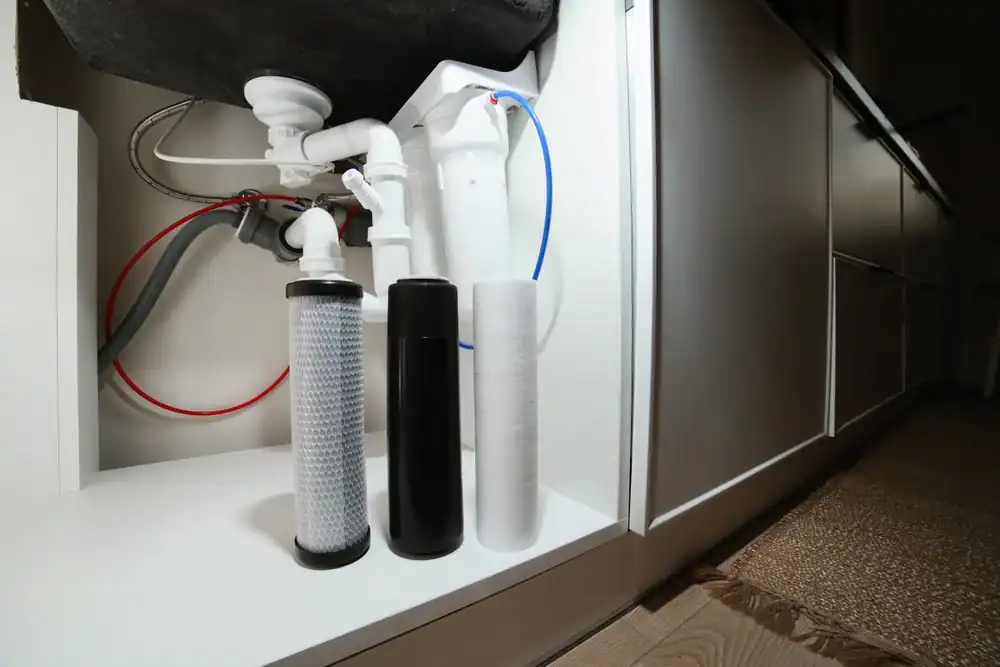
Whole house water filtration means every drop of water in your home gets treated. Drinking water, shower water, laundry water, everything. For drinking and cooking, we often add an under-sink reverse osmosis system that removes 99% of dissolved contaminants and makes your water taste noticeably better.
Every system includes ongoing service support. Water treatment isn’t a one-time purchase. Filters need changing, settings need adjusting, equipment needs maintenance. We stay available for service calls, not just the initial installation.

You need a comprehensive water test that measures more than just hardness. Most problems show visible symptoms before you test anything.
Orange or red stains on toilets, sinks, and tubs mean iron in your water. The iron is dissolved when it comes out of your well, then oxidizes into rust color when it contacts air. Those stains won’t scrub away because the iron is literally bonding to your porcelain and metal fixtures.
Rotten egg smell indicates hydrogen sulfide gas, which comes from sulfur in the limestone beneath Central Florida. The smell is unmistakable and gets worse when water sits in your pipes overnight or when you run hot water.
Slimy feeling in your shower or soap that won’t rinse off completely signals hard water with high mineral content. Black or pink stains suggest bacteria growth. Cloudy or turbulent water after heavy rain means surface contamination is reaching your well.
We bring testing equipment to your home and analyze your water for iron, sulfur, bacteria, hardness, pH, and other contaminants. The test results tell us exactly what treatment methods will work, not what sounds good in a sales pitch.
They solve different problems, and most Apopka homes need both. A water softener removes calcium and magnesium minerals that cause hardness. Hard water makes soap less effective, leaves spots on dishes, and builds scale in your pipes and appliances.
An iron removal system specifically targets dissolved iron that causes staining. Standard water softeners can handle small amounts of iron, maybe 1-2 parts per million. But Central Florida well water often contains 3-10 ppm of iron or higher. That much iron will quickly overwhelm a softener’s resin bed and stop it from working properly.
Air injection oxidation systems are designed to handle high iron concentrations. They inject oxygen into your water, which converts dissolved iron into solid particles. Those particles get trapped in a filter media bed, then flushed away during automatic backwashing. The system regenerates itself without chemicals.
If you have both hard water and iron problems, which most wells in this area do, you need an iron removal system first to pull out the iron, then a water softener to handle the hardness. Installing just a softener when you have significant iron is like using a screen door on a submarine. It’s the wrong tool for the job and won’t last long.
Whole house systems typically range from $2,500 to $8,000 depending on what problems you’re solving and how much water your household uses. That’s not a vague estimate. It’s based on the actual equipment and installation requirements for Central Florida wells.
A basic iron removal system for a smaller home starts around $2,500 to $3,500. Add hydrogen sulfide treatment and you’re looking at $4,000 to $5,500. Comprehensive systems that handle iron, sulfur, bacteria, and hardness run $6,000 to $8,000 for most residential applications.
Those prices include professional installation, startup, and initial service. You’re not buying equipment off a shelf and figuring out the plumbing yourself. The system gets integrated into your home’s water supply correctly the first time.
Operating costs are minimal. Electricity to run the control valves and UV systems adds maybe $10 to $15 per month. Salt for water softeners costs $5 to $10 monthly depending on your water usage and hardness levels. Filter media lasts years before needing replacement.
Compare that to replacing a water heater every 6 years instead of every 10 because scale buildup destroyed it early. Or buying bottled water because your tap water smells like rotten eggs. Most families save $600 to $1,200 annually once their system is installed, just from appliance protection and eliminating bottled water purchases.
Yes, but only if you install the right type of treatment for hydrogen sulfide. The sulfur smell comes from hydrogen sulfide gas dissolved in your groundwater, and different treatment methods work better depending on your water’s pH and sulfur concentration.
Air injection oxidation works well for moderate sulfur levels. The system injects oxygen into your water, which oxidizes the hydrogen sulfide into sulfur particles that get filtered out. You need proper pH levels for this method to work effectively, usually above 6.5.
Hydrogen peroxide injection handles higher sulfur concentrations and works across a wider pH range. The peroxide oxidizes both sulfur and iron simultaneously, making it efficient for Apopka wells that have both problems. The system injects a diluted peroxide solution, then filters out the oxidized particles.
Catalytic carbon filtration is another option for lower sulfur levels. The carbon media converts hydrogen sulfide into sulfur particles through a catalytic reaction, then traps those particles in the filter bed.
The key is testing your water first to measure actual sulfur levels and pH. A system that works for your neighbor might not work for you if your well water has different chemistry. We’ve seen homeowners waste money on equipment that wasn’t designed for their specific sulfur concentration, then call us to fix it properly. Test first, treat second, and the smell disappears permanently.
Most systems need professional service once or twice a year, plus some basic homeowner maintenance every few months. The exact schedule depends on your water quality and how much water your household uses.
Iron removal systems backwash themselves automatically to clean the filter media, but you should check the system every three to four months to make sure it’s cycling properly. The filter media typically lasts five to seven years before needing replacement, depending on your iron levels.
Water softeners need salt refills every four to eight weeks. You just pour bags of salt into the brine tank when it runs low. The resin bed should be cleaned annually with a resin cleaner to remove any iron or mineral buildup that regular regeneration doesn’t flush away.
UV sterilization systems need new bulbs every 12 months. The bulb loses effectiveness over time even though it still glows, so annual replacement ensures you’re actually disinfecting your water. The quartz sleeve that protects the bulb should be cleaned every six months if you have hard water or iron.
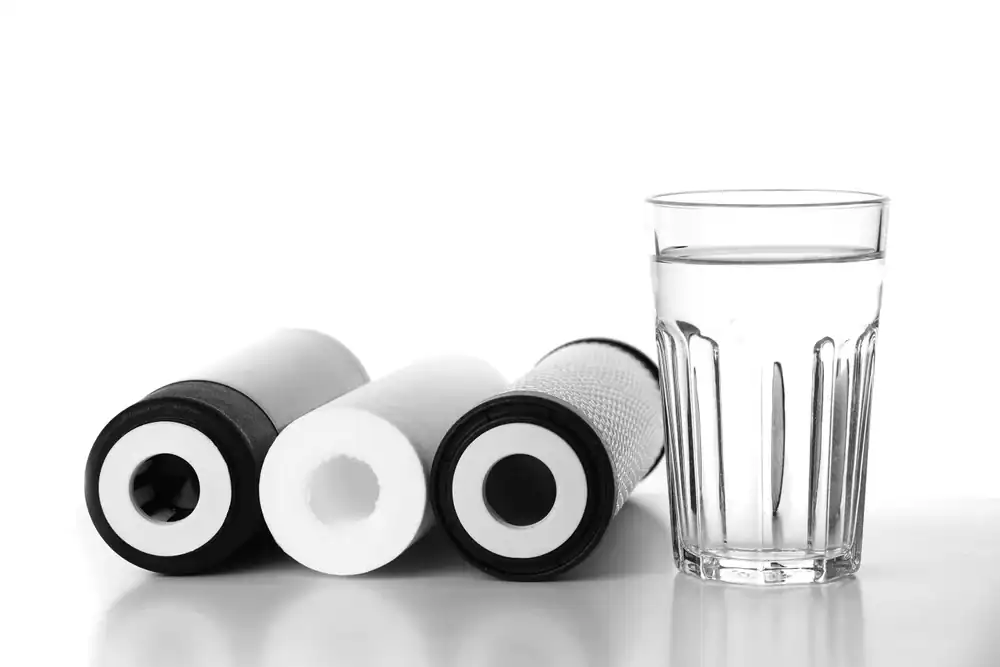
Reverse osmosis systems need filter changes every six to twelve months depending on the stage. The pre-filters and carbon filters are easy to replace yourself. The RO membrane lasts two to four years with proper maintenance.
We set up service reminders and handle the technical maintenance like media replacement and system adjustments. You handle the simple stuff like adding salt and checking that everything’s running. That keeps your system working efficiently without turning water treatment into a second job.
Please provide your email address so that we can stay in touch and answer any questions you have! We will be reaching back out shortly.
"*" indicates required fields