Reach Out Today
Please provide your email address so that we can stay in touch and answer any questions you have! We will be reaching back out shortly.

Hear from Our Customers
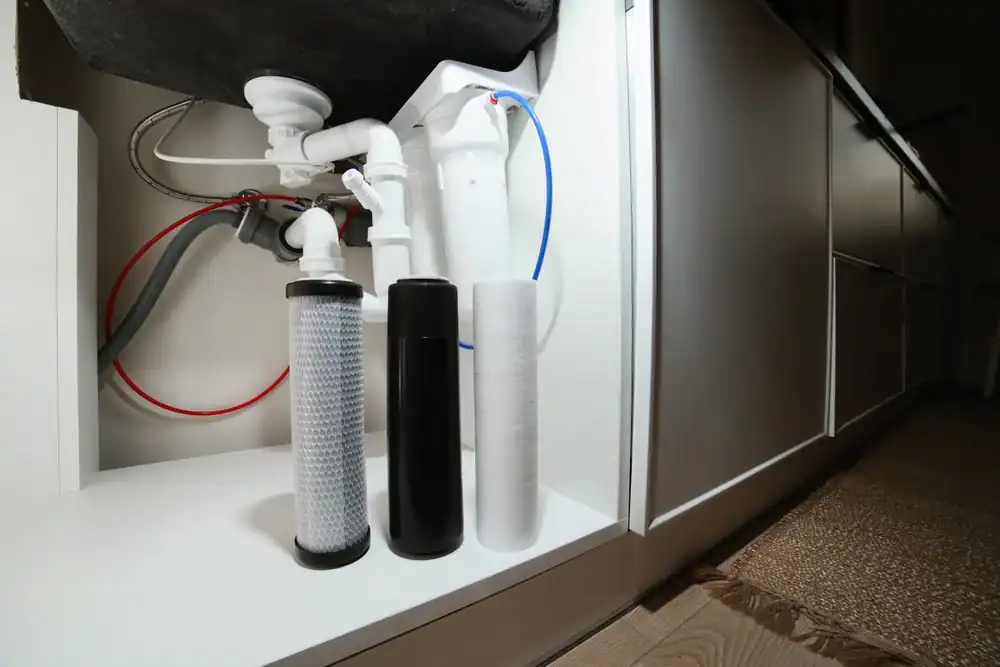
The most visible change is usually the one you’ve been staring at for years. The orange ring around your toilet bowl disappears. The tea-colored water running from your tap runs clear. The smell that hits you every time you turn on the shower — gone. These aren’t small things. They’re what you deal with every single day on a private well in Amelia, and they don’t fix themselves.
On Amelia Island specifically, the water chemistry is different from what most of Florida deals with. The surficial aquifer that feeds private wells across Amelia City, Franklintown, and the unincorporated parts of the island runs through organic-rich marsh soils and coastal wetlands. That’s what produces the tannins — the compound responsible for that brown or yellowish tint and the musty taste that no amount of Brita filters will touch. Iron and hydrogen sulfide are layered on top of that. It’s not one problem. It’s usually three.
Once a properly designed whole-house system is in place, every tap in your home runs clean water. Your water heater lasts longer. Your washing machine stops corroding ahead of schedule. The fixtures you’ve been scrubbing stop staining. And if you’re in a home at Amelia Island Plantation or Summer Beach where you’ve invested serious money into the property, you stop quietly watching your appliances and surfaces take damage from water you’re paying a well pump to deliver.
We’ve been solving well water problems across Florida for over 50 years. That’s not a tagline — it’s a track record you can verify. We hold an A+ rating with the Better Business Bureau with zero complaints on file, and carry membership in the National Water Quality Association, a voluntary professional credential that most water treatment companies operating in Nassau County simply don’t hold.
The difference between us and a national brand that ranks well on Google is pretty straightforward: when something needs attention after the install, you call a 904 number and someone who knows Amelia picks up. Not a call center in another state. Not a franchise dealer. A Florida-based water treatment specialist who has worked in this county, understands the coastal aquifer conditions here, and isn’t going anywhere.
For military members and first responders — and Nassau County has no shortage of either, given the proximity to Naval Air Station Jacksonville — we offer a $500 discount on qualifying systems. We’re also involved with the Tunnels to Towers Foundation, which reflects something real about how we operate.
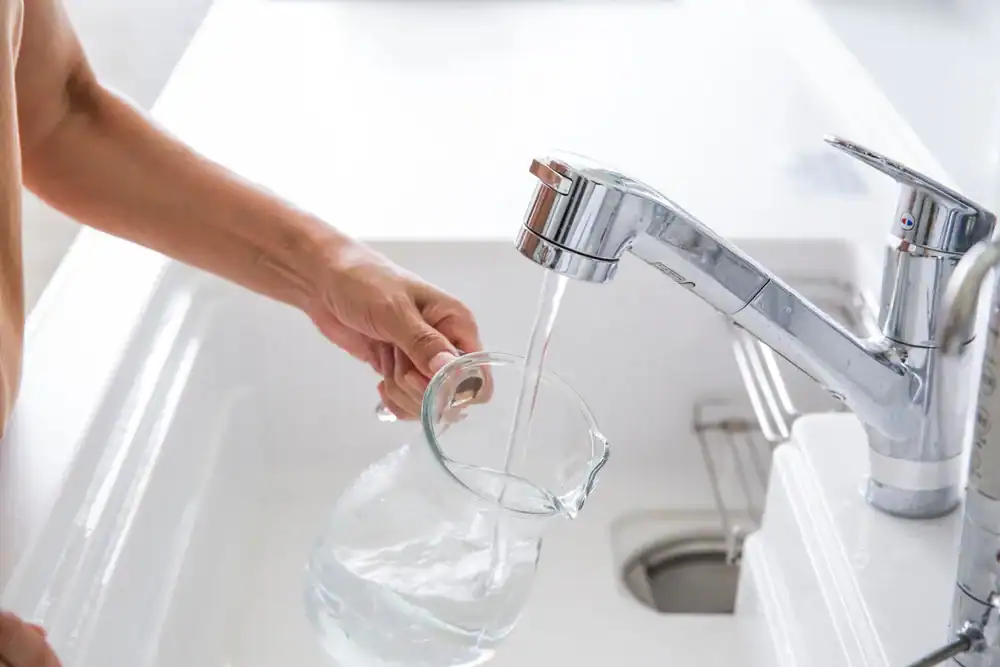
The process starts with a free water analysis — not a sales pitch, not a demo designed to scare you into buying something. A real test that measures what’s actually in your well water: iron concentration, tannin levels, bacterial presence, manganese, pH, hardness. On Amelia Island, where the shallow surficial aquifer picks up organic material from the surrounding marshlands, that test often turns up a combination of contaminants that a single off-the-shelf system won’t address. You need to know what you’re dealing with before you spend a dollar on equipment.
Once the results are in, we design a system around your specific water chemistry and your home’s usage. That matters because a house in Amelia City with high tannins and moderate iron needs a different configuration than a larger home at Crane Island dealing with heavy iron and bacterial risk after a storm season. The system is sized for your household, not built to a generic spec.
Installation happens in a single day at the point of entry — meaning every tap, every appliance, every shower in the house gets filtered water from that day forward. There’s no multi-day disruption. Nassau County’s Florida Department of Health governs private well standards, and FHA and VA mortgage transactions in the county require water testing before closing — so if you’re buying or selling, a documented water test and a properly installed system aren’t just smart, they’re often required.
Ready to get started?
Whole-house well water purification on Amelia Island isn’t a one-size-fits-all install. The contaminant profile here — tannins from coastal organic soils, dissolved iron and manganese from the surrounding mineral-laden groundwater, hydrogen sulfide from anaerobic bacteria in shallow wells, and bacterial risk that spikes after every hurricane evacuation — requires a system designed to handle multiple issues simultaneously. A system built around your actual water test results addresses all of it at the point of entry, before it ever reaches a tap.
Iron removal and manganese reduction stop the orange and black staining that ruins fixtures, discolors grout, and quietly destroys appliances over time. Tannin filtration — using a specialized resin that targets organic compounds — clears up the brown or yellowish water that’s common in the organic-rich soils across the island’s unincorporated areas. Sulfur treatment eliminates the hydrogen sulfide smell that intensifies in the summer heat. And UV disinfection provides continuous bacterial protection, which is especially relevant on a barrier island that has seen three mandatory hurricane evacuations since 2016.
Every system we install is custom-configured — not a packaged tier pulled off a shelf. The design is driven by your water test, your home’s square footage, and your daily usage. That’s what makes the difference between a system that actually works and one that handles one problem while leaving three others untouched.

That color almost always comes from tannins — organic compounds that dissolve into groundwater as it moves through decaying vegetation, marsh soils, and coastal wetlands. Amelia Island’s surficial aquifer runs through exactly that kind of terrain, which makes tannin-related discoloration more common here than in most of inland Florida. The water isn’t necessarily dangerous at low tannin levels, but it looks bad, tastes musty, and stains everything it touches.
The fix isn’t a standard carbon filter or a basic softener. Tannins require a specific resin-based filtration process designed to target organic compounds. A proper water test will confirm whether tannins are the primary issue or whether iron, manganese, or bacteria are also contributing to the problem — which they often are in Nassau County wells. Getting the test done first is the only way to know what you’re actually dealing with before spending money on equipment.
Not automatically — and that’s not an overstatement. Amelia Island has been under mandatory evacuation orders three times since 2016, and each time residents return, their private wells may have been compromised by floodwater intrusion, storm surge, or surface runoff carrying bacteria and contaminants into the shallow surficial aquifer. The Florida Department of Health consistently recommends testing private wells after any significant storm event before resuming normal use.
The safest approach is to have your well tested for bacteria and other contaminants before drinking from it after a hurricane. A UV disinfection system installed as part of a whole-house setup provides continuous bacterial protection year-round — not just post-storm, but through every season. If you don’t currently have UV disinfection and you’ve returned to your home after an evacuation, testing first is the right call. We can run a free water analysis and tell you exactly what you’re working with before recommending anything.
Yes — and for most Amelia Island homeowners, a multi-contaminant system is exactly what’s needed. The mistake a lot of people make is assuming they need separate equipment for each problem, which is how you end up with a garage full of filters that don’t fully solve anything. A properly designed whole-house purification system addresses all of these contaminants at the point of entry, meaning every tap in the house gets treated water from a single integrated system.
The key word is “properly designed.” The system has to be configured around your actual water test results — the specific concentrations of iron, tannins, hydrogen sulfide, and any bacterial presence in your well. A system sized for a smaller Amelia City cottage handles things differently than one built for a larger home at Amelia Island Plantation with heavier iron loads and higher daily usage. That’s why the water test comes before any equipment recommendation, every time.
The Nassau County Health Department recommends testing private wells at least once a year for bacteria, nitrates, and other common contaminants. That’s the baseline. In practice, there are a few situations where you should test sooner: after a hurricane or major flooding event, after any work on the well or surrounding plumbing, if you notice a sudden change in taste, smell, or color, or if you’re buying or selling a home — since FHA and VA mortgage transactions in Nassau County require water testing before closing.
Beyond the annual recommendation, Nassau County’s rapid growth means a lot of homeowners are moving onto private well water for the first time, often coming from Jacksonville or other areas with municipal water. If you’ve recently purchased a home with a well in Amelia and haven’t had the water tested since moving in, that’s the first thing to do. You genuinely don’t know what’s in your water until you test it, and what was acceptable to a previous owner may not meet your standards — or your family’s health needs.
A water softener addresses hardness — specifically, it removes calcium and magnesium ions that cause scale buildup in pipes and on fixtures. That’s a real problem in many parts of Florida, but it’s not the primary issue in most Amelia Island wells. The bigger challenges here tend to be tannins, iron, hydrogen sulfide, and bacterial contamination — none of which a standard softener is designed to handle. Running water through a softener when your real problem is tannins or iron is like putting new tires on a car with a broken engine.
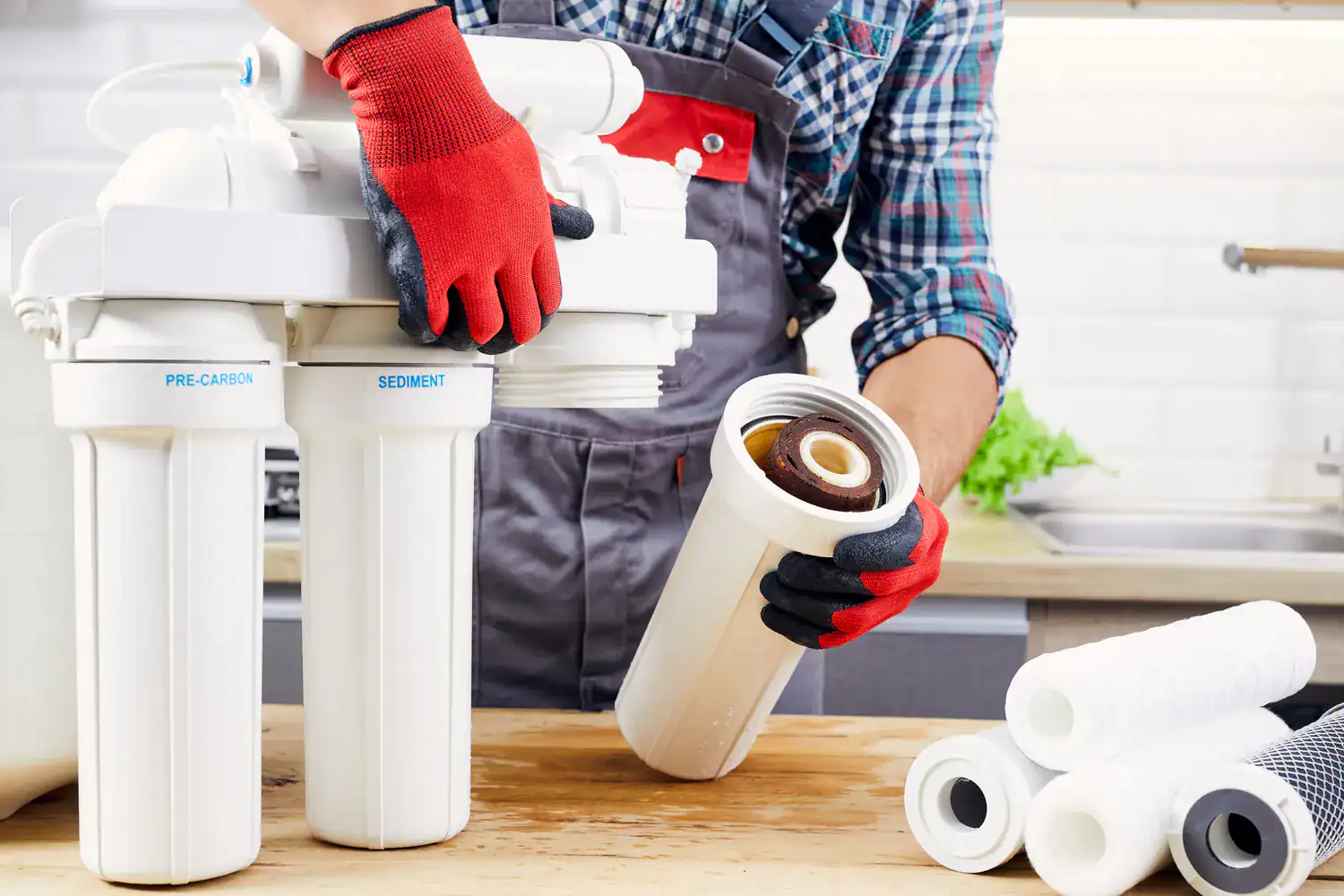
A whole-house well water filtration or purification system is built to address the full contaminant profile of your specific well. Depending on what your water test shows, that might include an air injection oxidation system for iron and sulfur, a tannin resin filter for organic compounds, UV disinfection for bacteria, and a sediment pre-filter to protect the downstream components. Some homes need a softener as part of that system. Others don’t. The water test tells you which category you’re in — and that’s why it’s always the starting point.
Please provide your email address so that we can stay in touch and answer any questions you have! We will be reaching back out shortly.
"*" indicates required fields