Reach Out Today
Please provide your email address so that we can stay in touch and answer any questions you have! We will be reaching back out shortly.

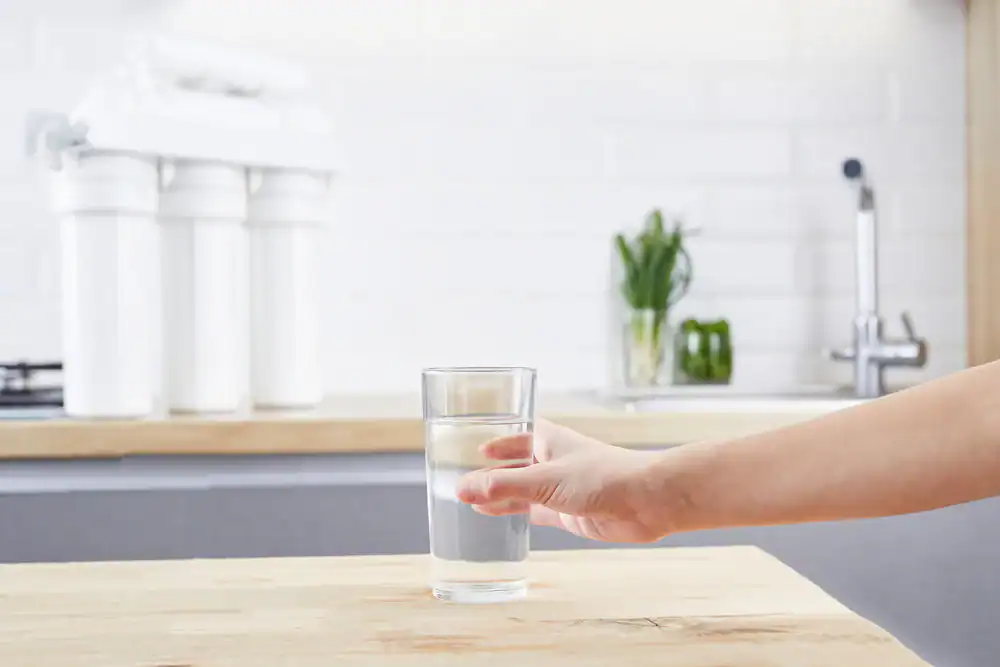
Hear from Our Customers
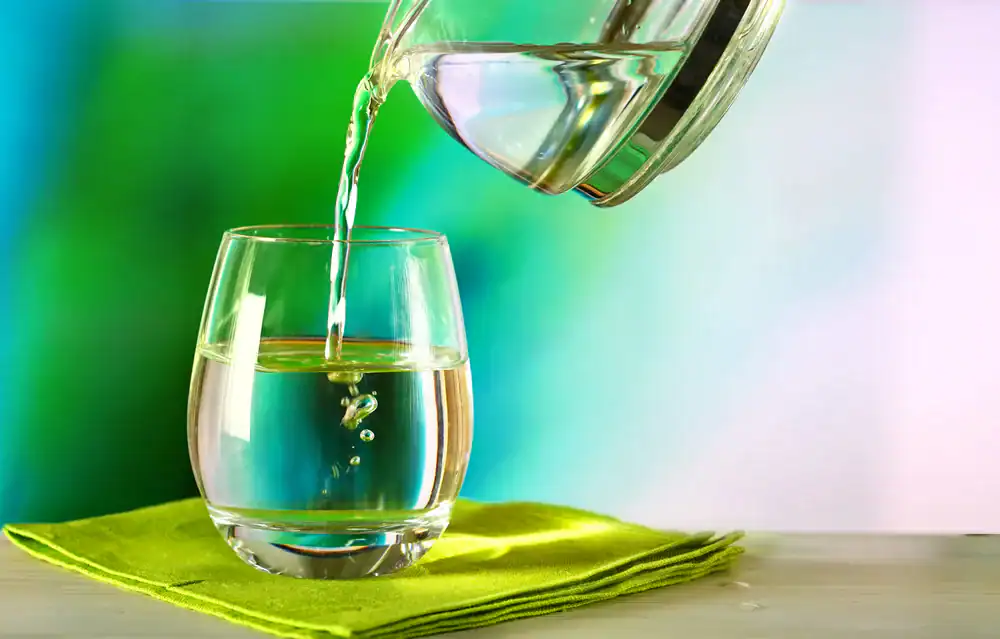
When your water is properly softened, the difference shows up everywhere — and fast. Your dishes come out of the dishwasher without that white film. Your showerhead stops crusting over. Your skin doesn’t feel tight after a shower. These aren’t small things when you’re living with them every day.
Silver Lake sits in the heart of Lake County, where the water supply draws from the Floridan aquifer — a limestone-heavy underground system that dissolves calcium and magnesium directly into the water before it reaches your tap. Florida’s average water hardness runs around 216 parts per million, well into the “very hard” classification. That’s not a regional quirk. It’s the default condition for virtually every home in this area, and it has real consequences.
For Silver Lake’s cottage and manufactured homes — many of which were built in the late 1980s and 1990s when The Villages was just getting started — this matters more than most people realize. Smaller-diameter pipes and compact plumbing configurations are more vulnerable to mineral scale buildup. A water heater that should last 10 to 12 years on treated water routinely fails at 6 to 8 years on untreated Florida water. That’s a $1,200 to $2,800 replacement you didn’t have to make. A properly sized water softener doesn’t just improve your daily experience — it protects the home you’ve invested in.
We’re based in Leesburg — the Lake County seat, just a short drive from Silver Lake and the rest of The Villages. That’s not a coincidence. Serving this area means knowing this area: the water chemistry, the home types, the utility infrastructure, and the people who live here.
We hold an A+ BBB rating with zero consumer complaints and a 5-star review average. In an industry where high-pressure sales tactics and post-sale abandonment are documented problems — especially in retirement communities — that record is worth paying attention to. We’re also a member of the National Water Quality Association, which holds its members to ethical business practices and technical standards that most competitors in this market simply don’t follow.
When something needs attention after your system is installed, you’re calling the same local company that put it in. Not a national call center. Not a franchise routing your request through three states. The same people, the same county, the same accountability.
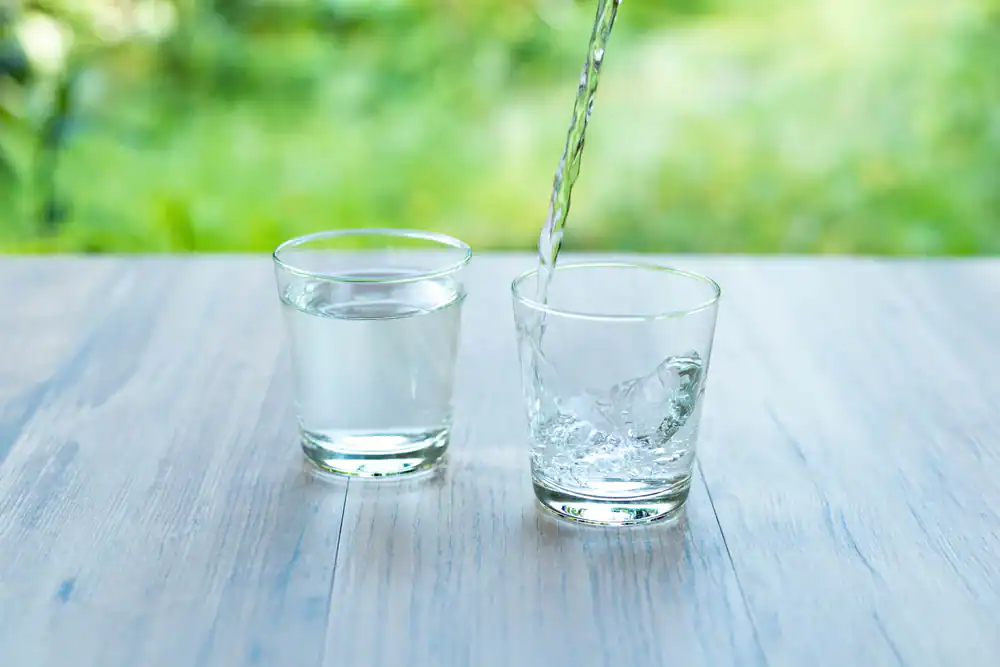
It starts with a free professional water analysis. Not a basic test strip that misses half the picture — actual laboratory-grade testing that measures your water’s hardness, iron content, sulfur levels, and other relevant parameters specific to what’s coming out of your taps in Silver Lake. The Lady Lake municipal water system, which serves most homes in this area, draws from the same Floridan aquifer that produces hard water across all of Lake County. The analysis tells you exactly what you’re working with.
From that data, we size the right system for your specific home. A two-bedroom cottage home in Silver Lake has different water usage patterns and plumbing configurations than a larger site-built home elsewhere in The Villages. Getting the sizing right matters — an undersized system won’t fully soften your water, and an oversized one wastes salt and water on every regeneration cycle. Neither outcome is acceptable, and neither happens when the system is sized from real data.
Installation is handled by our own technicians, who manage all the technical work and code compliance requirements under Florida Building Code plumbing standards. Once the system is in, the ion exchange process runs automatically. Calcium and magnesium ions are captured by the resin bed as water passes through, and the system regenerates itself on a set schedule using the brine tank. Your only job is adding salt occasionally. That’s it.

Ready to get started?
Every project starts with that free professional water analysis — no obligation, no pressure, no sales pitch built around a test strip result. You get real data about your water, and from there, you decide what makes sense. For most Silver Lake homeowners, the conversation leads to a whole-house ion exchange water softener, which removes calcium and magnesium at the point of entry so every tap, appliance, and fixture in the home benefits.
For homes where iron is also a concern — which is common in properties on or near well water systems in Lake County — we offer the Platinum Plus Water Softener, which handles both hardness minerals and iron removal in a single system. If your household water quality picture is broader, a whole-house filtration system or the Purelight UV purification combination can be added as part of a complete water treatment solution. These aren’t upsells for the sake of it. They’re the right answer when the water analysis shows there’s more going on than hardness alone.
We offer a $500 military and first responder discount to qualifying Silver Lake residents — and given how many veterans and military retirees call The Villages home, it’s a discount that gets used here regularly. We’re also involved with the Tunnels to Towers Foundation, an organization that supports the families of fallen first responders and veterans. For a community with the military roots that Silver Lake and The Villages share, that’s not a footnote.
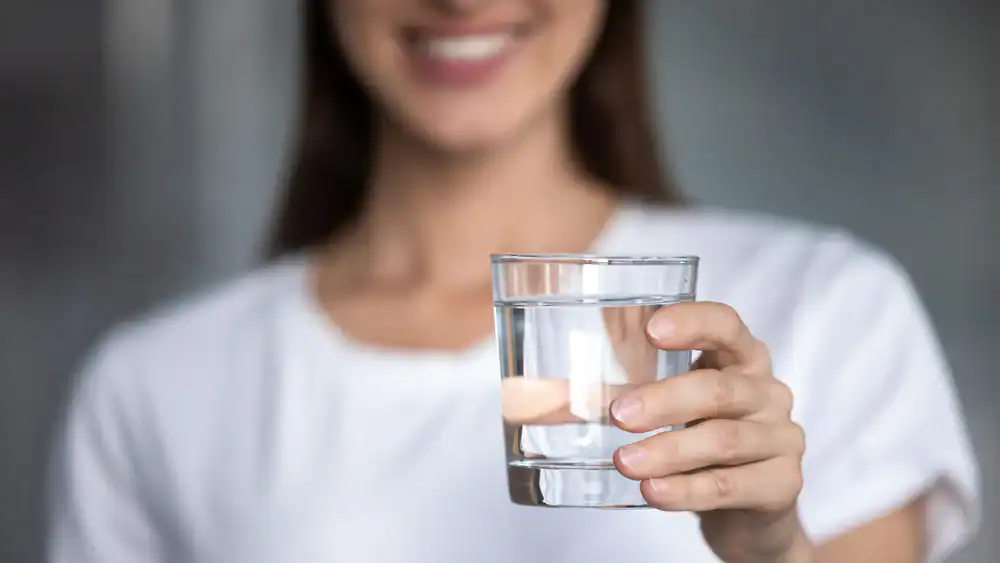
Silver Lake’s water supply comes from the Floridan aquifer, which runs through extensive limestone formations before reaching homes in the Lady Lake service area. That process naturally dissolves calcium and magnesium into the water — and by the time it reaches your tap, you’re typically dealing with hardness levels consistent with Florida’s statewide average of around 216 parts per million. That puts local water firmly in the “very hard” category.
The damage is real and measurable. Scale buildup from hard water reduces water heater efficiency by around 24% and shortens appliance lifespan by 30 to 40%. Plumbing maintenance costs in hard-water homes run roughly 28% higher than in homes with treated water. For Silver Lake’s cottage and manufactured homes — many with aging plumbing infrastructure dating to the late 1980s — that accelerated wear isn’t theoretical. It’s already happening. A professional water analysis will show you your home’s specific hardness level so you’re working from actual numbers, not estimates.
Ion exchange is the process at the core of how a water softener works. Inside the softener tank is a bed of resin beads that carry a negative charge. As hard water flows through, the positively charged calcium and magnesium ions in the water are attracted to those resin beads and held there — while sodium or potassium ions are released in their place. What comes out the other side is water that’s had its hardness minerals removed at the molecular level.
Periodically, the resin bed gets flushed with a saltwater solution drawn from the brine tank. This is the regeneration cycle — it washes the captured calcium and magnesium out of the resin and recharges it for the next round. The whole process is automatic. For Silver Lake homeowners on the Lady Lake municipal water system, the system is calibrated to handle the specific hardness levels common to Lake County’s water supply. You add salt to the brine tank every few weeks, and the system handles everything else.
Yes — and honestly, manufactured and cottage homes in Silver Lake benefit from water softening more than most. These homes typically have smaller-diameter water supply lines and more compact plumbing than site-built homes, which means mineral scale accumulates faster and causes proportionally more damage. Many Silver Lake homes were built in the late 1980s and 1990s, so the plumbing is already 25 to 35 years old. Hard water doesn’t give aging pipes a grace period.
The key is proper sizing. A whole-house water softener for a two-bedroom cottage home in Silver Lake doesn’t need the same capacity as a larger home — and installing an oversized system wastes salt and water on every regeneration cycle. We size every system based on your home’s actual water usage and your water’s measured hardness level, not a one-size-fits-all guess. The installation itself is straightforward for this home type and is handled in full compliance with Florida Building Code plumbing requirements.
A properly sized and professionally installed water softener typically lasts 15 to 20 years. Florida’s climate doesn’t shorten that lifespan significantly on its own — what shortens it is undersizing, improper installation, or neglected maintenance. Systems that are sized correctly for the home’s water usage and calibrated for the local hardness level from day one consistently reach the high end of that range.
Maintenance for Silver Lake homeowners is minimal. The main task is keeping the brine tank supplied with salt — typically a 40-pound bag every four to six weeks depending on household size and water usage. Beyond that, an occasional check of the resin bed and brine tank for salt bridges or buildup is good practice. We handle any service needs that come up after installation, and because we’re based in Leesburg — right here in Lake County — response time is a lot shorter than it would be with a company routing service calls from out of the area.
Soft water is safe to drink for most people. The ion exchange process replaces calcium and magnesium with a small amount of sodium — the increase is modest, roughly 8 milligrams of sodium per 8-ounce glass for moderately hard water. For most Silver Lake residents, that’s not a health concern. If you’re on a sodium-restricted diet, it’s worth a conversation with your doctor, or you can opt for a potassium-based softener instead.
That said, a water softener and a drinking water filter serve different purposes. The softener addresses hardness minerals throughout the whole house — protecting your appliances, plumbing, and fixtures. A dedicated drinking water system, like a reverse osmosis unit at the kitchen tap, goes further by removing additional contaminants from the water you actually consume. Many Silver Lake homeowners use both: a whole-house softener for the home’s infrastructure and a point-of-use RO system for drinking and cooking. Your water analysis results will tell you whether that combination makes sense for your specific situation.
Please provide your email address so that we can stay in touch and answer any questions you have! We will be reaching back out shortly.
"*" indicates required fields