Reach Out Today
Please provide your email address so that we can stay in touch and answer any questions you have! We will be reaching back out shortly.

Hear from Our Customers
When your water is hard, everything it touches pays the price. The white crust around your faucet handles, the film on your shower glass, the dishwasher that stopped cleaning properly — none of that is a maintenance problem. It’s a water problem. And in Rio Ponderosa, it’s a water problem that’s been building since the day your home was built.
The homes here went up around 1995. That means nearly 30 years of Floridan Aquifer groundwater — loaded with calcium and magnesium — moving through your pipes, your water heater, and your appliances. Scale doesn’t announce itself. It accumulates quietly until a water heater fails early, a washing machine runs rough, or your energy bill creeps up without explanation. Soft water stops that process. It doesn’t undo three decades of buildup overnight, but from the day a properly sized ion exchange system goes in, your home stops taking that daily hit.
There’s also the deed-restriction reality of living in The Villages. In a community where property standards are enforced and curb appeal is a shared expectation, hard water stains on your lanai screens, mineral deposits on your outdoor fixtures, and cloudy tile grout around your pool deck aren’t just cosmetic annoyances — they’re visible maintenance failures. Soft water addresses those problems at the source, before they become something your HOA notices.
We’re based in Leesburg — about 10 to 15 miles from the Spanish Springs area where Rio Ponderosa sits. That’s not a footnote. It means the technicians who come to your home know this water. We know the Floridan Aquifer. We know what the Villages of Lake-Sumter treatment plants put out and what a home in Rio Ponderosa is actually dealing with.
Quality Safe Water holds an A+ Better Business Bureau rating with a 5-star review average and zero complaints on record. Not a low number — zero. In an industry that has earned real consumer skepticism in Florida, that record is the result of doing the job right every single time, not just most of the time. We’re also a member of the National Water Quality Association, which means we operate under professional and ethical standards most competitors in this space simply ignore.
When your system needs attention after installation, you call us — the same company that put it in. That’s not standard practice in this industry, but it’s how we operate.
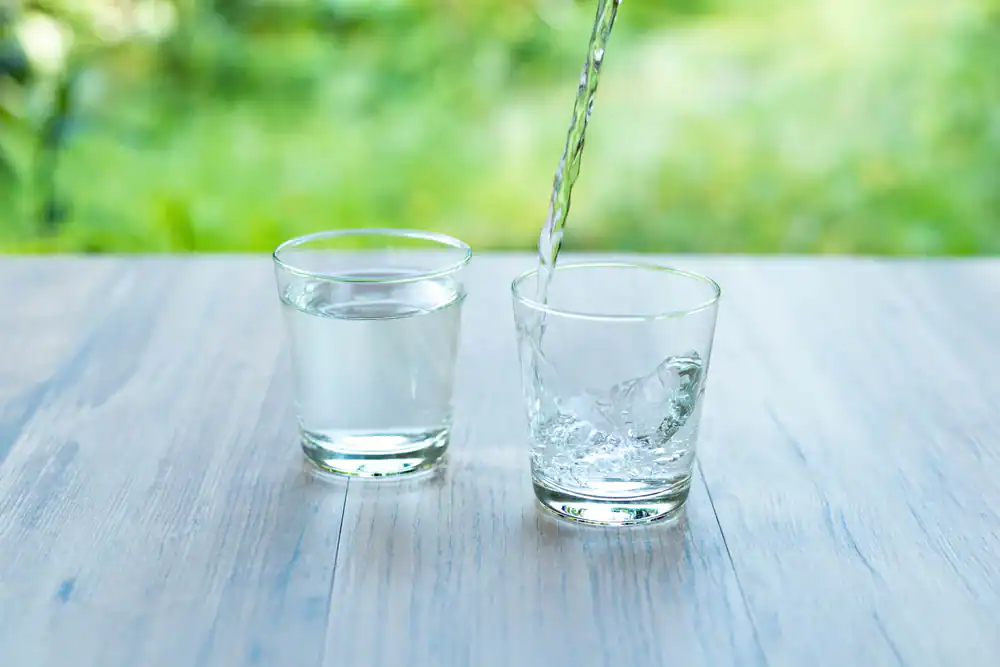
It starts with a free professional water test — not a test strip, but a real analysis that measures your water’s hardness level, iron content, and other contaminants. For a Rio Ponderosa home drawing from the Upper Floridan Aquifer through the Villages of Lake-Sumter utility system, that test typically confirms elevated calcium and magnesium levels. The data drives everything from there, including how we size the system for your specific home and usage patterns.
Once we identify the right system, installation connects the water softener to your home’s main supply line so every fixture, appliance, and outlet receives treated water. The ion exchange process works by passing your water through a tank of resin beads that carry a negative charge. Those beads attract and hold the positively charged calcium and magnesium ions — the minerals responsible for scale and buildup — and swap them out for sodium ions that move through your plumbing without depositing anything. The softened water flows through your home from that point forward.
The resin beads regenerate automatically using a saltwater solution from the brine tank, flushing the captured minerals out of the system on a regular cycle. Your only ongoing task is adding salt to the brine tank periodically. Everything else runs on its own. We handle installation in compliance with Florida building codes and any applicable Villages CDD guidelines — including proper brine discharge configuration, which matters in a community utility district like Rio Ponderosa and is something we handle correctly where a big-box DIY install often doesn’t.

Ready to get started?
One of the most common reasons a water softener underperforms is improper sizing. A system that’s too small for your home’s actual water demand won’t fully remove hardness minerals — you’ll still see scale, still feel the effects, and still wonder why you spent the money. A system that’s oversized wastes salt and water on unnecessary regeneration cycles. We calculate the right system size based on your home’s measured water hardness, the number of people in the household, and your actual usage patterns.
In Rio Ponderosa, that calculation matters more than in newer Villages communities. The Patio Villas and Ranch Homes here range from around 1,066 to 1,527 square feet, and most are occupied by one or two residents on a retirement schedule. The sizing profile for a two-bedroom Patio Villa with one resident looks very different from a Ranch Home with a pool and three bathrooms. Getting that calculation right from the start is the difference between a system that quietly does its job for years and one that creates problems you didn’t have before.
Beyond softening, a professional water test often reveals that hardness isn’t the only issue in a home drawing from the Floridan Aquifer. Elevated iron, sulfur, or other contaminants are common findings in this water source. If your test shows additional concerns, we can walk you through whole-house filtration or reverse osmosis options — not as an upsell, but because a complete picture of your water quality leads to better decisions. Military veterans and first responders in Rio Ponderosa receive a $500 discount on water softening systems — a real reduction on a real investment, not a token gesture.

Yes — and it’s not a close call. The water serving Rio Ponderosa comes from the Upper Floridan Aquifer through the Villages of Lake-Sumter water treatment plants. The Floridan Aquifer sits beneath a thick limestone formation across Central Florida, and as groundwater travels through that rock on its way to the surface, it picks up calcium and magnesium — the two minerals that define hard water. The City of Leesburg, which draws from the same regional groundwater system and sits directly adjacent to Rio Ponderosa, confirmed water hardness between 7 and 8 grains per gallon in its 2024 Annual Drinking Water Quality Report. That puts the area in the moderately hard to hard range by standard classification. Because The Villages’ utility system draws more directly from groundwater without the same softening steps a full municipal treatment plant applies, hardness levels in Rio Ponderosa may run at or above that benchmark. If you want to know exactly what’s in your water, a free professional test is the right starting point.
Ion exchange is a straightforward process once you understand the basic chemistry. Your water passes through a tank filled with small resin beads that carry a negative electrical charge. Calcium and magnesium ions — the hardness minerals — carry a positive charge, so they’re attracted to and held by those resin beads as the water flows through. In exchange, the beads release sodium ions into the water, which pass through your plumbing without forming scale or leaving deposits on any surface they touch. The result is softened water that flows through every fixture and appliance in your home.
Over time, the resin beads become saturated with calcium and magnesium and need to be regenerated. That happens automatically — the system flushes the resin with a saltwater brine solution from the brine tank, which strips the captured minerals off the beads and rinses them out through the drain. The resin recharges and the cycle starts again. Modern systems with demand-initiated regeneration only run this cycle when the resin actually needs it, which conserves both salt and water — relevant in Sumter County, where Rio Ponderosa is located and which is currently under a Modified Phase III Water Shortage declaration from the Southwest Florida Water Management District.
It will stop the damage from continuing — which at this point matters a great deal. Rio Ponderosa’s homes were built around 1995, which means the plumbing, water heaters, dishwashers, and washing machines in many of these homes have been processing hard water for close to 30 years. Scale builds up inside water heater tanks and on heating elements, reducing efficiency and shortening the unit’s useful life. Research on hard water impact consistently shows that scale buildup can reduce water heater efficiency by around 24% and cut appliance lifespan significantly when hardness levels are in the range found across this region.
A water softener installed today won’t reverse the scale that’s already inside a 20-year-old water heater. But it stops the accumulation from that point forward, which extends the remaining life of whatever appliances you have and protects any new ones you bring in. For a homeowner on a fixed income protecting a property valued near $450,000, preventing a $1,500 to $2,800 premature water heater replacement — or an early dishwasher failure — is a straightforward return on investment. If you’ve recently purchased a Rio Ponderosa home, getting a water test done early and a properly sized system installed is one of the most practical first steps you can take.
Municipal treatment doesn’t mean soft water. The Villages of Lake-Sumter water treatment plants process groundwater from the Floridan Aquifer, but treatment at that level focuses primarily on disinfection, pH adjustment, and meeting EPA safe drinking water standards — not on reducing mineral hardness to a level that protects your home’s plumbing and appliances. Hardness minerals like calcium and magnesium are not considered a health hazard under federal standards, so they’re not targeted for removal at the treatment plant. They come through your tap essentially intact.
What you’re getting from the tap in Rio Ponderosa is treated water that is safe to drink but still hard — still carrying the mineral load it picked up moving through Central Florida limestone. The white film on your dishes, the scale on your faucets, and the reduced lathering of soap are all signs of that hardness coming through despite municipal treatment. A whole-house ion exchange water softener addresses what the treatment plant doesn’t, removing calcium and magnesium at the point of entry into your home before they reach any fixture, pipe, or appliance.
Salt consumption depends on three things: your water’s hardness level, how much water your household uses, and how efficiently your system is designed to regenerate. For a typical one- or two-person household in a Rio Ponderosa Patio Villa or Ranch Home, a properly sized and calibrated system will generally use somewhere between 6 and 10 pounds of salt per regeneration cycle. Most households in this size range refill the brine tank every four to eight weeks, though that varies.
The key word there is “properly sized.” An oversized system regenerates more frequently than necessary and burns through salt faster than it should. An undersized system may regenerate constantly trying to keep up, with the same result. This is why the sizing calculation at the start matters — it directly affects your ongoing salt cost and how often you’re dealing with the brine tank. We calculate your system’s regeneration frequency based on your actual water test results and household usage, not a generic estimate. For a retiree who doesn’t want to be managing their water softener constantly, getting that setup right from day one means the system runs quietly in the background with minimal attention from you.
Please provide your email address so that we can stay in touch and answer any questions you have! We will be reaching back out shortly.
"*" indicates required fields