Reach Out Today
Please provide your email address so that we can stay in touch and answer any questions you have! We will be reaching back out shortly.

Hear from Our Customers
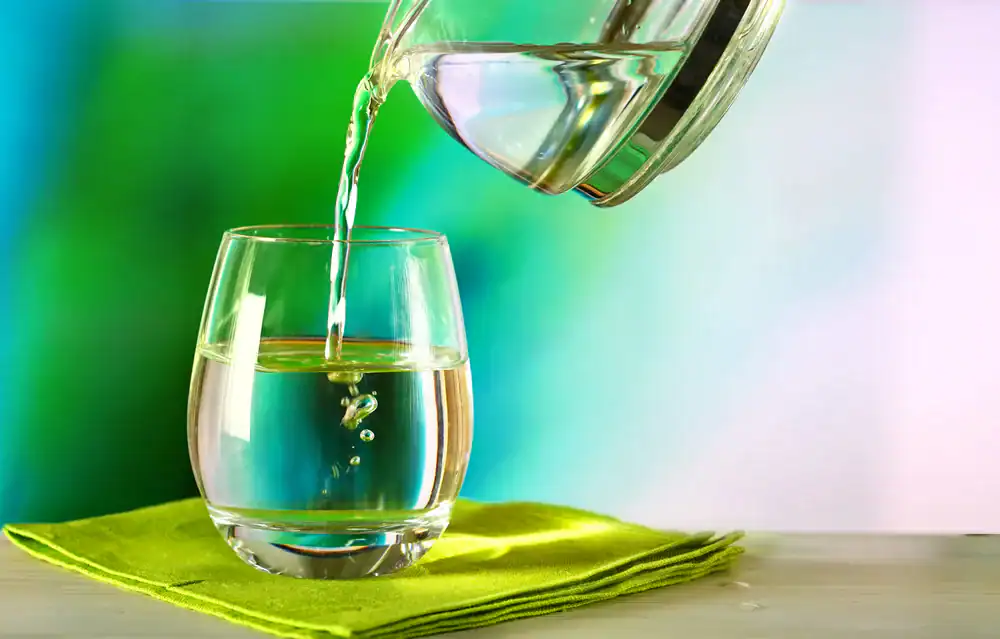
The white crust on your faucets, the film on your glassware after the dishwasher runs, the way your skin feels after a shower — none of that is normal, and none of it is your fault. It’s calcium and magnesium from the Biscayne Aquifer doing what limestone minerals do when they move through pipes, heat up, and evaporate. Soft water stops all of it.
Your water heater runs year-round in Country Club — there’s no cool season to give it a break. Hard water at Miami-Dade’s 150–200 mg/L range builds scale inside that tank continuously, cutting efficiency and shaving years off its lifespan. A water heater that should last 12 years on soft water might give you 6 or 7 on hard water. That’s a $1,500–$2,800 replacement you didn’t need to make.
Beyond appliances, soft water just makes daily life easier. You’ll use less shampoo, less soap, less detergent — because soft water actually lathers instead of fighting the minerals in your water. Dishes come out clean. Fixtures stay clean. And for families with kids who are bathing every night, the difference in skin and hair is something you notice within the first week.
We’re a Florida-based water treatment company that holds an A+ BBB accreditation with a 5-star rating and zero complaints on file. In South Florida — where the Florida Attorney General has fielded consumer protection complaints against water treatment companies — that record means something real. It means every customer in Country Club and throughout Miami-Dade got what they were promised.
We’re also a member of the National Water Quality Association (WQA), which requires adherence to technical and ethical standards that most competitors in the Miami-Dade market simply don’t follow. These aren’t marketing claims. They’re verifiable credentials you can look up before you ever make a call.
We serve homeowners throughout Miami-Dade County, including Country Club, bringing the same professional water analysis process to every home — whether you’re in a single-family house near Miami Lakes or a townhome just off the Palmetto Expressway. The same team that installs your system is the team you call if you ever need service. That’s not standard in this industry. Here, it’s the baseline.
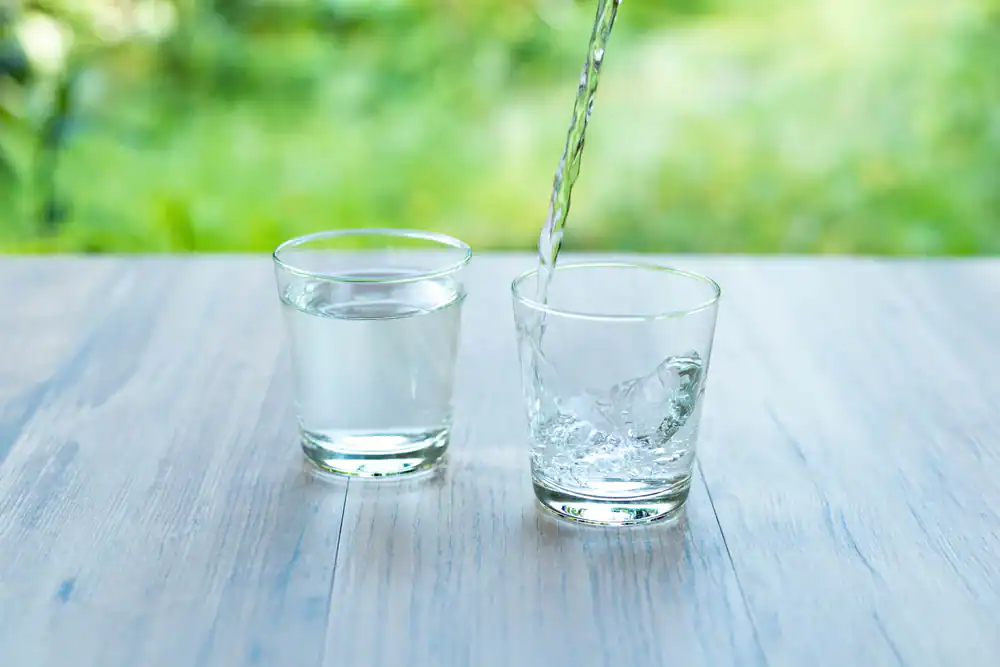
It starts with a free professional water analysis — not a test strip from a hardware store, but a real assessment of what’s actually coming out of your tap. For Country Club homes on Miami-Dade Water and Sewer Department supply, that means testing for hardness, iron, chlorine, and other dissolved minerals specific to the Biscayne Aquifer’s chemistry. The data drives the recommendation, not the other way around.
Once the analysis is done, we size the system to your home — your actual daily water usage, your household size, your hardness level. An undersized system won’t fully soften your water. An oversized system wastes salt and runs unnecessary regeneration cycles. Proper sizing is a step that gets skipped constantly in this industry, and it’s one of the main reasons people end up unhappy with systems they bought elsewhere.
Installation in Miami-Dade County typically requires a plumbing permit for any work that modifies your home’s water supply lines. We handle professional installation, which means permit coordination is part of the process — not something left on your plate. After the system is in, it runs automatically. The ion exchange resin captures calcium and magnesium, the brine tank handles regeneration on its own schedule, and your only job is adding salt when the tank runs low. Systems are built to last 15–20 years with basic upkeep, and we’re still available when you need service.

Ready to get started?
The Platinum Plus Water Softener is our whole-house system for residential customers — a salt-based ion exchange softener engineered to handle the calcium, magnesium, and iron levels common to Biscayne Aquifer water. It’s not a countertop filter or a point-of-use fix. It treats every drop of water entering your home, from the kitchen to the laundry to every shower and bathroom in the house.
Because Country Club’s water supply runs through the Miami-Dade Water and Sewer Department and is treated with chlorine for disinfection, hardness isn’t the only thing worth addressing. Chlorine affects taste, odor, and how water feels on skin and hair — especially for families with young children bathing daily. That’s why we also offer the Purelight whole-house UV purification system and a residential reverse osmosis drinking water system as complementary options. The softener handles the minerals. The additional systems handle what the softener doesn’t.
Military families and first responders receive $500 off — a real discount for a community that includes a significant number of veterans and active-duty personnel throughout the Miami-Dade area. We also support the Tunnels to Towers Foundation, which provides mortgage-free homes to the families of fallen first responders and military members. If that matters to you when choosing who comes into your home, it’s worth knowing.

Country Club’s water comes from the Biscayne Aquifer — a shallow limestone formation beneath Miami-Dade County. As water moves through that limestone, it picks up calcium and magnesium carbonate, which is exactly what makes water “hard.” Miami-Dade’s water typically tests in the 150–200 mg/L range as calcium carbonate, which puts it firmly in the hard-to-moderately-hard category by any standard measurement.
At those levels, you’re looking at visible scale on faucets and showerheads, cloudy glassware out of the dishwasher, reduced lathering from soap and shampoo, and accelerated buildup inside your water heater and appliances. It’s not a minor inconvenience — at 200 mg/L, scale accumulates fast enough to measurably reduce water heater efficiency within the first year or two of use. A professional water analysis will give you the exact number for your specific tap in Country Club, which is always the right starting point before recommending any system.
A salt-based water softener works through a process called ion exchange. Inside the softener tank is a bed of resin beads that carry a negative charge. As hard water passes through, the resin beads attract and hold the positively charged calcium and magnesium ions — the minerals that cause scale — and release sodium ions in their place. What comes out the other side is soft water, with the hardness minerals removed before they ever reach your pipes, appliances, or fixtures.
When the resin bed becomes saturated with captured minerals, the system runs a regeneration cycle automatically. It flushes the resin with a saltwater solution drawn from the brine tank, rinses the captured calcium and magnesium out of the system, and recharges the resin for the next cycle. The whole process happens on its own schedule, typically overnight, without any action required from you. Your only ongoing task is keeping the brine tank stocked with salt — everything else is automatic.
No — and this is one of the most common misunderstandings about water softeners. A salt-based ion exchange system is designed specifically to remove hardness minerals: calcium and magnesium. It does not remove chlorine, chlorine byproducts, or other dissolved contaminants that the Miami-Dade Water and Sewer Department introduces during the disinfection process.
If chlorine taste, odor, or its effects on skin and hair are a concern — which they often are for families in Country Club, especially those with young children — a whole-house carbon filtration system or a reverse osmosis drinking water system addresses that separately. We offer both as complementary options to the Platinum Plus Water Softener. The right combination depends on what your water test actually shows, which is why the free professional water analysis comes before any recommendation. You shouldn’t be buying a solution before you know the full problem.
Sizing a water softener correctly comes down to two numbers: your home’s daily water usage and your local water hardness level. For a Country Club home on Miami-Dade Water and Sewer supply, the hardness baseline is already in the 150–200 mg/L range — but your household’s specific usage profile matters just as much. A two-person household and a five-person household with the same hardness level need very different systems.
An undersized softener won’t fully remove the hardness minerals, which means you’re still getting scale buildup even though you paid for a softener. An oversized system runs more regeneration cycles than necessary, wasting both salt and water. Getting the sizing right requires an actual water test and a real conversation about how your household uses water — not a guess based on square footage or a generic online calculator. This is a step that national brands and big-box retailers routinely skip, and it’s one of the most common reasons homeowners end up disappointed with systems bought elsewhere.
Very little — which matters when the average Country Club household is managing a full schedule. Once a properly sized and installed system is up and running, the ion exchange process and regeneration cycles are fully automatic. The system monitors its own resin saturation and runs regeneration on its own schedule, typically during off-peak hours when water demand is low.
Your main ongoing task is adding salt to the brine tank when the level gets low — typically every four to eight weeks depending on your household’s water usage and your system’s size. Beyond that, an annual check of the resin bed and brine tank is good practice, and we’re available for that service because we service what we install. Systems are built to last 15–20 years with basic care. The salt is the only consumable, and it’s available at any hardware store or big-box retailer near you.
Please provide your email address so that we can stay in touch and answer any questions you have! We will be reaching back out shortly.
"*" indicates required fields