Reach Out Today
Please provide your email address so that we can stay in touch and answer any questions you have! We will be reaching back out shortly.


Hear from Our Customers
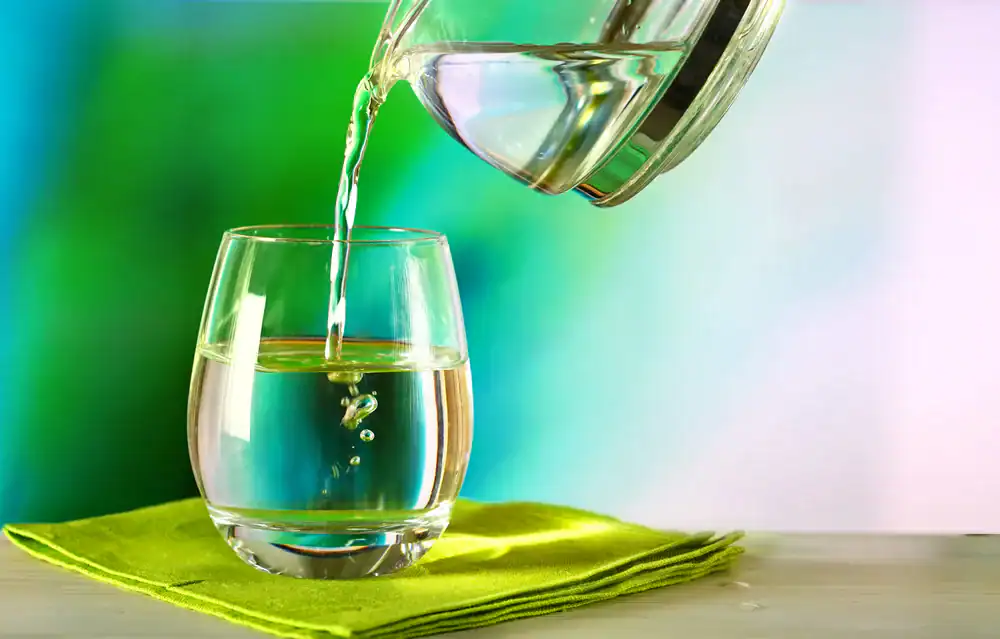
The water coming into your Belle Aire home runs through the Floridan Aquifer — a limestone-rich underground system that dissolves calcium and magnesium into the water supply before it ever reaches your tap. Florida’s average water hardness sits around 216 PPM, which puts it squarely in “extremely hard” territory. Third-party water quality databases specifically flag the Villages of Lake-Sumter water system for high hardness scores. This isn’t a general Florida problem — it’s what the data shows for your specific water source.
Here’s what that actually means for your home. Hard water scale reduces water heater efficiency by up to 24% and cuts appliance lifespan by 30 to 40 percent. A tank water heater that should last ten to twelve years on treated water routinely fails at six to eight years in Belle Aire’s hard water conditions — that’s a $1,200 to $2,800 replacement you didn’t plan for. If your home was built in 2001 and you’ve already replaced a water heater, you know exactly what that feels like.
Beyond the appliances, there’s the daily stuff. The white film on your glasses that no rinse aid fixes. The showerhead losing pressure because mineral deposits are clogging the nozzle from the inside. The dry, tight feeling on your skin after a shower. Soft water doesn’t just protect your home’s systems — it changes how your home feels to live in, every single day. Your dishes come out clear. Your skin holds moisture. Your water heater runs the way it’s supposed to.
We’re based in Leesburg — about fifteen to twenty miles from Belle Aire — and we know Sumter County’s water intimately. We know the Floridan Aquifer. We know what the Villages of Lake-Sumter water system delivers to your tap in Belle Aire, and we know how to fix it. When you call us, you’re calling the same company that will show up, do the installation, and still be reachable six months later when you have a question about your brine tank.
We hold an A+ rating with the Better Business Bureau, a five-star review average, and zero complaints on file. In an industry where that’s genuinely rare, we think it’s worth saying plainly. We’re also members of the National Water Quality Association, which holds us to technical and ethical standards that a lot of companies in this space simply don’t meet. If you’ve ever been approached by a water treatment company running a high-pressure sales demo at your kitchen table, you already know the difference.
We’re affiliated with the Tunnels to Towers Foundation, and we offer a $500 discount for military families and first responders — because a community like The Villages, with the veteran population it has, deserves a company that actually means it when they say they support the people who served.
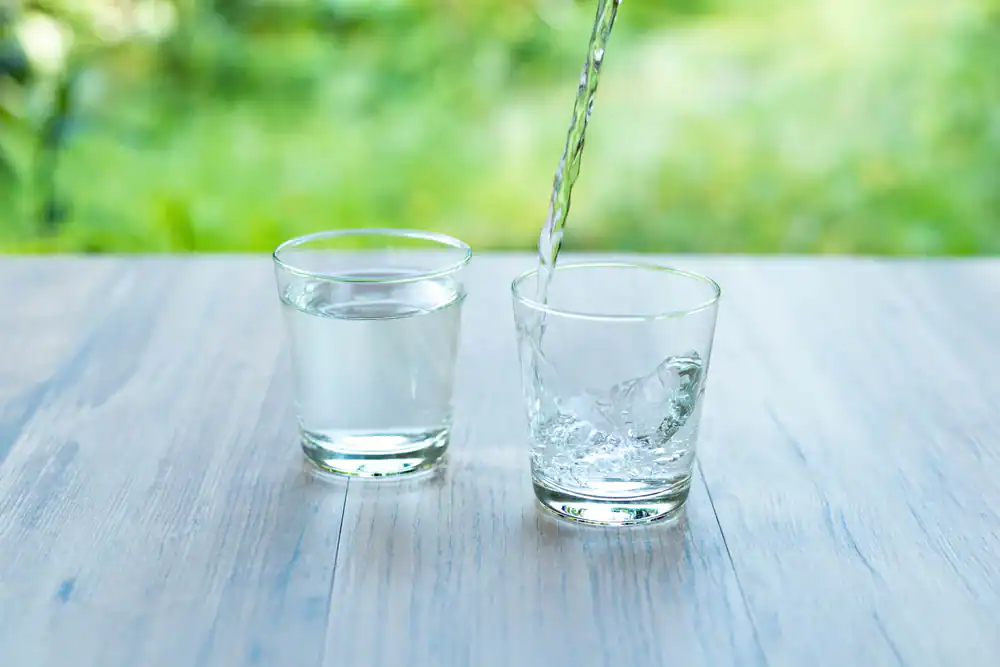
It starts with a free professional water analysis at your Belle Aire home. Not a test strip. A real assessment that measures your water’s hardness level, iron content, and other mineral concentrations specific to your home’s supply from the Villages of Lake-Sumter water system. We use that data to size your system correctly — because an undersized softener won’t fully treat your water, and an oversized one wastes salt and water unnecessarily. There’s no guessing involved.
Once we know exactly what your water looks like, we recommend the right system for your home’s size, water usage, and flow requirements. Our Platinum Plus Water Softener uses salt-based ion exchange — the process of actually removing calcium and magnesium from the water and replacing them with sodium ions. This is the only approach that delivers genuinely soft water. Salt-free conditioners restructure mineral ions so they’re slightly less likely to form scale, but the minerals stay in your water. For hardness levels common in Sumter County, that’s not enough.
Installation is handled by our own technicians — the same people you’ll call if you ever need service after the fact. There’s no subcontracting, no handoff to a crew you’ve never met. After installation, the system runs on automatic regeneration cycles, and the only ongoing maintenance on your end is adding salt to the brine tank periodically. That’s it. We’ll walk you through everything before we leave.

Ready to get started?
Our Platinum Plus Water Softener is a whole-house, salt-based ion exchange system designed to handle the high hardness levels common throughout Sumter County and The Villages. It removes calcium and magnesium — the minerals responsible for scale buildup, spotted dishes, clogged showerheads, and shortened appliance life — along with iron, which shows up in many Central Florida groundwater sources and causes its own set of staining and taste problems.
For homes in Belle Aire specifically, sizing matters more than most companies will tell you. Your home was built between 2000 and 2002, which means the plumbing has been absorbing hard water for over two decades. We account for your home’s square footage, the number of bathrooms and water-using appliances, and your household’s daily water usage when we size the system — whether you’re in a Patio Villa near the golf courses or a larger Premier Home in Harmeswood of Belle Aire. A system that’s right for a 900-square-foot cottage isn’t the right system for a 3,000-square-foot home on a half-acre lot.
The system operates on automatic regeneration, meaning it cleans and recharges itself on a set schedule without any input from you. Lifespan with proper maintenance runs fifteen to twenty years. We service what we install — no 1-800 number, no third-party dispatch, no wondering who’s going to show up. If something needs attention, you call us directly.

It matters more than most people realize until they see the evidence. The water serving Belle Aire comes from groundwater sources that draw from the Floridan Aquifer — a limestone formation running beneath Central Florida that naturally dissolves calcium and magnesium into the supply. Florida’s average water hardness is approximately 216 PPM, which is classified as extremely hard. Third-party water quality reporting services specifically flag the Villages of Lake-Sumter water system for high hardness scores, so this isn’t a general Florida problem — it’s a local one with a local source.
At that hardness level, you’re dealing with real, measurable consequences: scale accumulating inside your water heater and reducing its efficiency, mineral deposits clogging your showerhead nozzles, white film on glassware that rinse aid can’t fix, and appliances working harder than they should. For a home in Belle Aire that’s been receiving this water since 2001, the cumulative effect is already built into your pipes and fixtures. A professional water test will show you exactly what your water looks like — and from there, you can decide what to do about it.
Ion exchange is the process that makes salt-based water softeners work — and it’s worth understanding because it explains why salt-free alternatives don’t deliver the same results. Your softener contains a resin bed filled with tiny beads that carry a sodium charge. As hard water passes through the resin, the calcium and magnesium ions — the minerals that cause scale and hardness — are attracted to the resin beads and swap places with sodium ions. The calcium and magnesium stay in the resin. Sodium goes into your water. What comes out the other side is genuinely soft water, with the hardness minerals physically removed.
Over time, the resin becomes saturated with calcium and magnesium and needs to be recharged. That’s what the regeneration cycle does — it flushes the resin with a brine solution (salt water from your brine tank), which pushes the hardness minerals out and restores the sodium charge. The system does this automatically on a schedule. Your only job is keeping the brine tank stocked with salt. For Sumter County’s hardness levels, this is the process that actually works — not conditioning, not magnets, not filtration alone.
Yes, and it’s a meaningful one for anyone living in Belle Aire or anywhere else in The Villages. A water softener — specifically a salt-based ion exchange system — physically removes calcium and magnesium from your water. A water conditioner changes the structure of those minerals so they’re less likely to form scale, but it doesn’t remove them. The minerals are still in your water after it passes through a conditioner.
For mild hardness levels, a conditioner might be adequate. For the hardness levels coming out of the Villages of Lake-Sumter water system that serves Belle Aire — which draws from the same Floridan Aquifer limestone geology that gives Central Florida some of the hardest water in the state — a conditioner isn’t going to get you where you need to go. You’ll still see effects on your skin and hair. Scale will still form in high-heat environments like your water heater and dishwasher. The only approach that delivers genuinely soft water at these hardness levels is salt-based ion exchange, which removes the minerals at the source rather than just rearranging them.
For most homes in Belle Aire, installation takes between two and four hours depending on where your main water line enters the house and how accessible the installation point is. The softener is installed on the main supply line before water branches out to the rest of the house, so every tap, every appliance, and every fixture receives treated water — not just the kitchen sink or one bathroom.
Belle Aire’s homes were built between 2000 and 2002 using block construction, and most have relatively straightforward plumbing layouts that make installation clean and efficient. We handle the full connection, including the drain line for the regeneration cycle’s discharge and the brine tank setup. Before we leave, we walk you through the system — how to check the salt level, what the regeneration cycle sounds like when it runs, and how to reach us if you have questions. There’s no permit required for the softener unit itself in most residential installations in Sumter County, but all connections are done to Florida Building Code standards by our own technicians.
For most households, the main ongoing task is adding salt to the brine tank every four to eight weeks depending on your water usage and system size. The brine tank is what holds the salt solution used to recharge the resin bed during regeneration cycles. When the salt runs low, the system can’t regenerate properly, and your water will start to harden again. Keeping it stocked is simple — it’s the same bagged water softener salt you can find at most hardware stores.
Beyond salt replenishment, the resin bed itself can last ten to twenty years before needing replacement, and the overall system lifespan with basic care runs fifteen to twenty years. Periodically, it’s worth having the system checked to make sure the regeneration cycle is calibrated correctly for your current water usage — especially if your household size changes or if you notice any return of the hard water signs you had before. Because we’re based in Leesburg and service the Belle Aire and Villages area directly, a service call from us isn’t a weeks-long wait. You call the same company that installed your system, and we come out.
Please provide your email address so that we can stay in touch and answer any questions you have! We will be reaching back out shortly.
"*" indicates required fields