Reach Out Today
Please provide your email address so that we can stay in touch and answer any questions you have! We will be reaching back out shortly.

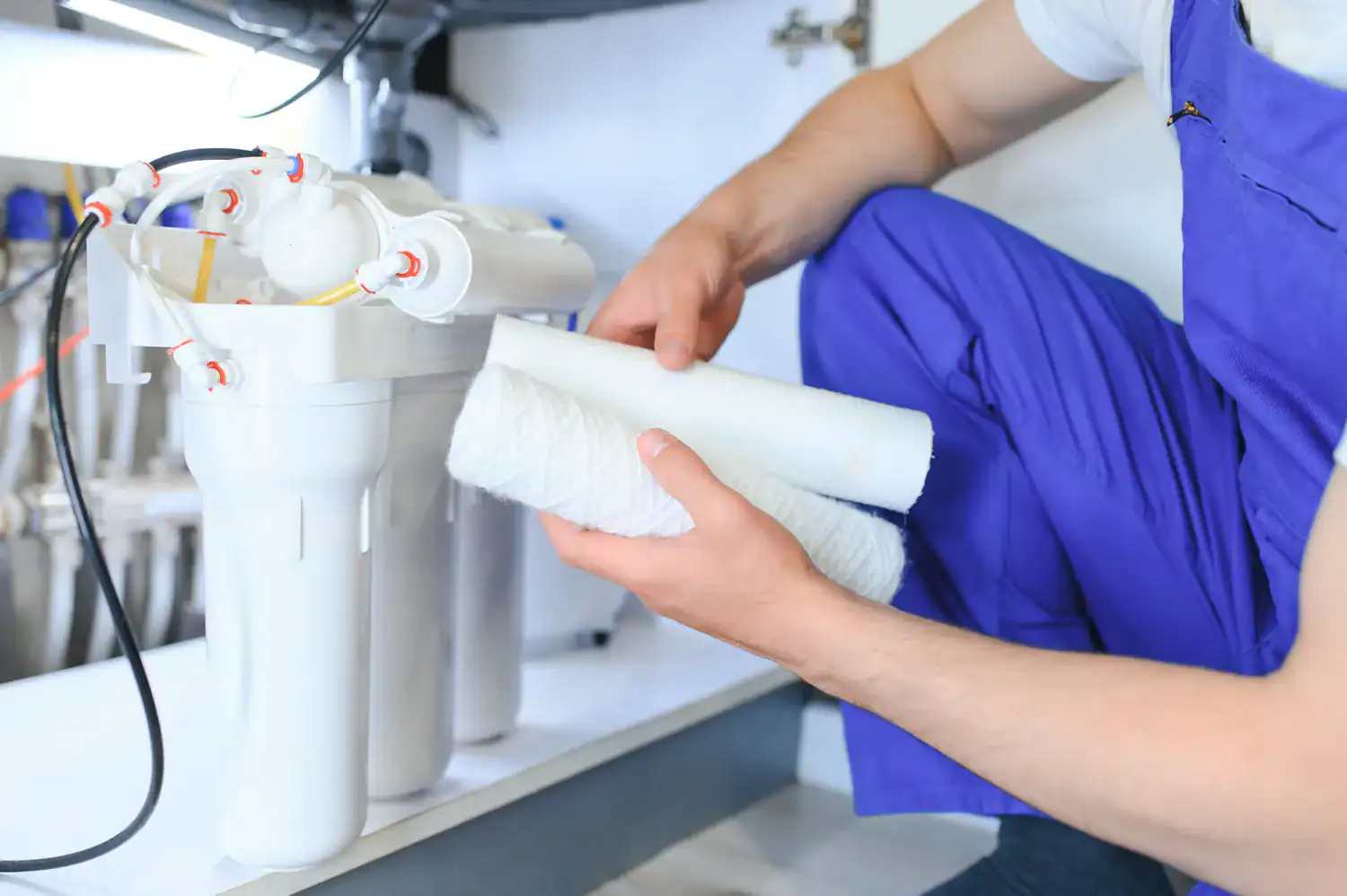
Hear from Our Customers
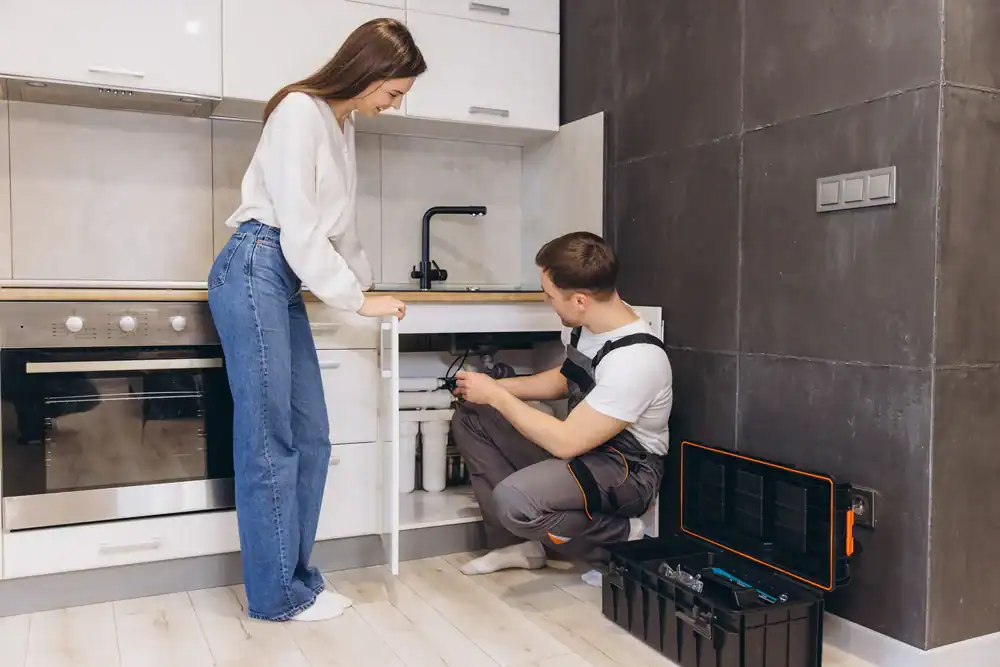
Hard water in Central Florida isn’t just annoying. It’s expensive. The mineral buildup cuts your water heater’s lifespan in half—from 12 years down to 6. It clogs your pipes, ruins your appliances, and forces you to use 35% more detergent just to get your clothes clean.
That’s real money leaving your account every month. Appliance repairs, early replacements, higher energy bills, extra cleaning products. Over ten years, hard water damage costs the average Lake County homeowner between $13,800 and $22,300.
A water filtration system stops that cycle. It removes the minerals causing the damage, the contaminants affecting your health, and the chlorine drying out your skin and hair. Your appliances last longer. Your energy bills drop. Your water actually tastes like water.
This isn’t about luxury. It’s about protecting what you’ve already paid for.
Quality Safe Water of Florida LLC isn’t new to this. We’ve been installing and servicing water treatment systems across Lake County for decades. We’re members of the National Water Quality Association, A-rated by the Better Business Bureau, and we actually service what we sell—which apparently isn’t a given in this industry.
We don’t do plumbing. We don’t install water heaters. We focus on one thing: making sure the water coming into your Windhover home is clean, safe, and not destroying everything it touches. That focus matters when you’re choosing who to trust with a whole-house system.
We also support our military and first responders with a $500 discount, and we’re proud partners with the Tunnels to Towers Foundation. This is our community. We live here too.
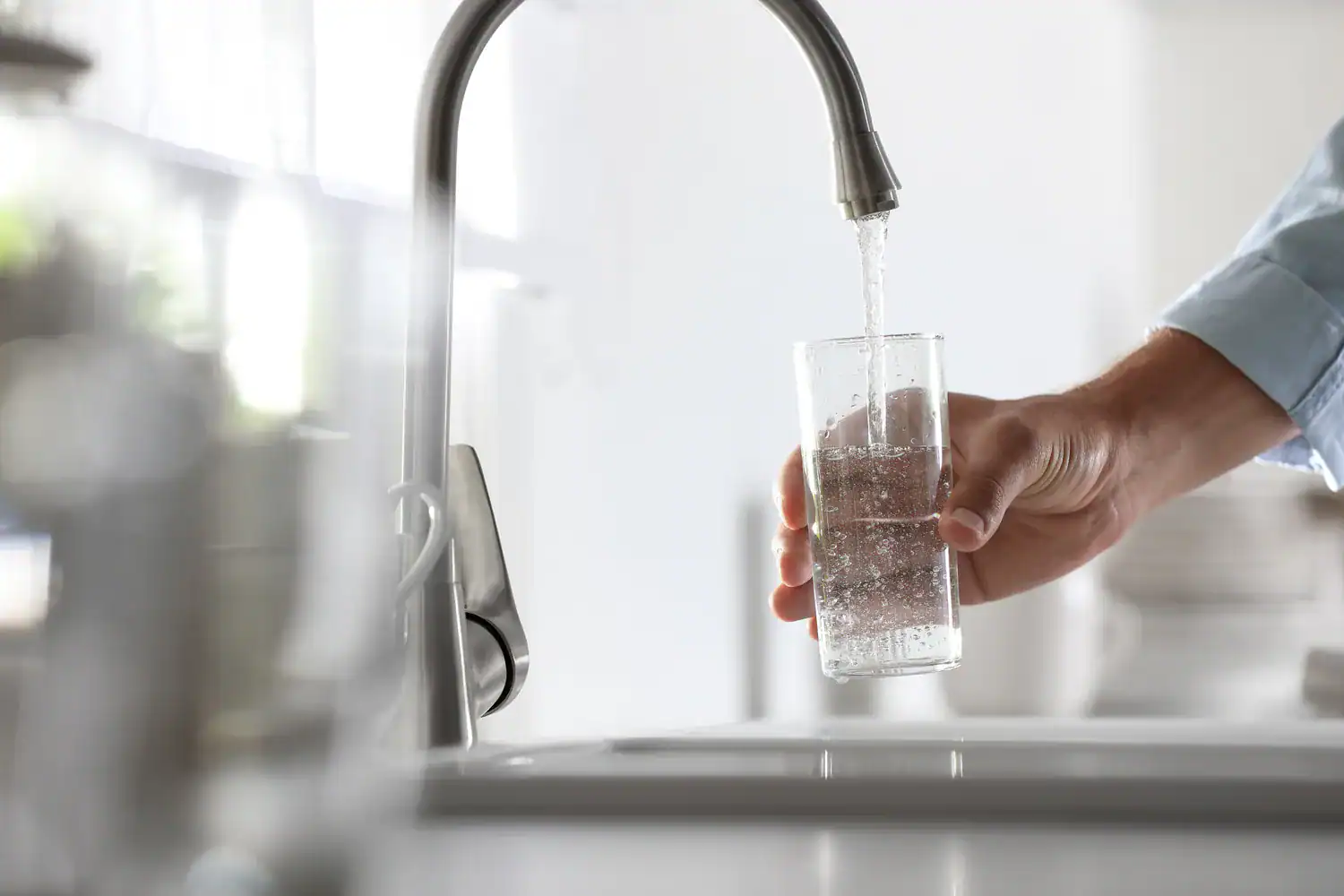
First, we test your water. Not all water problems are the same, and Windhover’s water has its own quirks. We need to know what’s actually in your water before we recommend a system—whether that’s reverse osmosis systems for drinking water, activated carbon filtration for chemicals and odors, UV water purification for bacteria, or a combination.
Once we know what you’re dealing with, we walk you through your options. Whole-house systems, under-sink filter installation, point-of-use solutions—whatever makes sense for your home and your budget. No upselling. No pressure. Just honest recommendations based on what your water test shows.
Installation typically takes a few hours. We handle everything: the system, the plumbing connections, the setup. Then we test it to make sure it’s working right. Before we leave, we show you how to maintain it and answer any questions you have.
After that, we’re available whenever you need us. Filter changes, system checks, troubleshooting—we service all brands, not just what we sell.
Ready to get started?
Every system we install is designed for Central Florida water. That matters because Florida’s water is consistently rated as some of the hardest in the country—usually between 100 and 300 parts per million. The geological makeup here, combined with our coastal location, creates specific challenges that generic systems don’t always handle well.
Our whole-house filtration systems address hardness, contaminants, and chlorine all at once. If you just want cleaner drinking water, we install under-sink reverse osmosis systems that remove up to 99% of dissolved solids. For families concerned about bacteria or viruses—especially if you’re on well water—UV purification kills 99.9% of waterborne microorganisms without chemicals.
We also handle water softeners separately if that’s your main issue. Soft water alone can cut your energy bills by nearly 30% because your water heater doesn’t have to fight through scale buildup. It also means less soap scum, fewer skin issues, and appliances that actually last as long as they’re supposed to.
In Windhover specifically, we see a lot of homeowners dealing with both hardness and chlorine taste. That usually calls for a combination approach—softening plus carbon filtration. We’ll tell you exactly what your water needs after we test it.
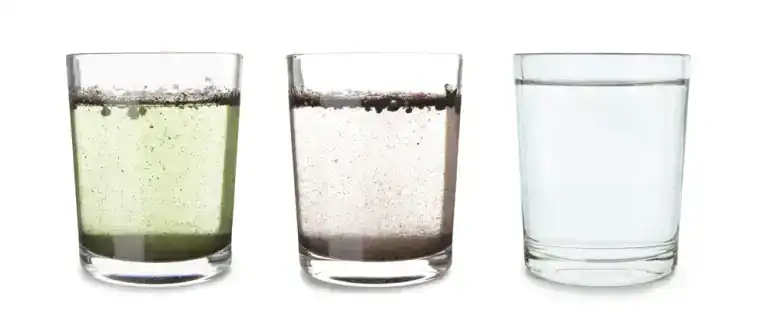
It depends on what your water needs and what type of system makes sense for your home. A basic water softener might run a few thousand dollars. A comprehensive whole-house filtration system with softening, carbon filtration, and UV purification will cost more—but it’s also addressing multiple problems at once.
Here’s a better way to think about it: hard water costs Lake County homeowners between $1,380 and $2,230 every single year in appliance damage, extra energy use, and wasted cleaning products. Over ten years, that’s $13,800 to $22,300 walking out your door. A quality system pays for itself by stopping that bleeding.
We don’t give quotes over the phone because every home is different. But after we test your water and understand what you’re dealing with, we’ll give you a clear price with no surprises. And if you’re military or a first responder, we take $500 off right away.
A water softener removes hardness—specifically calcium and magnesium—that causes scale buildup in your pipes and appliances. It uses salt to swap out those hard minerals for sodium through a process called ion exchange. Softeners are great for protecting your plumbing and making your soap work better, but they don’t remove contaminants, chemicals, or bacteria.
A filtration system removes different things depending on the type. Activated carbon filters pull out chlorine, pesticides, and chemicals that affect taste and smell. Reverse osmosis systems remove dissolved solids, heavy metals, and up to 99% of contaminants. UV purification kills bacteria and viruses. Some systems combine multiple types of filtration to handle everything at once.
Most Windhover homes benefit from both—a softener for hardness and a filter for everything else. That’s why we test your water first. We need to see what’s actually in there before we can tell you what’ll work best.
It depends on the system, but most filters need changing every 6 to 12 months. Carbon filters usually last about six months if you’re on city water, sometimes longer if you’re on well water with less chlorine. Reverse osmosis systems have multiple filters that get changed on different schedules—some annually, some every two years.
Water softeners need salt added regularly, usually every few weeks depending on your water usage and hardness level. The resin tank inside the softener should last 10 to 15 years before it needs replacing. UV bulbs typically need changing once a year to stay effective.
We’ll give you a maintenance schedule when we install your system. Most of it is simple enough to do yourself, but we also offer service plans if you’d rather have us handle it. And if something goes wrong or you’re not sure if a filter needs changing, just call. We service everything we install, and we can work on systems from other companies too.
A properly sized and installed system shouldn’t cause noticeable pressure loss. Some systems—especially reverse osmosis—do reduce flow slightly because water is being pushed through very fine filters. But that’s usually only at the specific tap where the RO system is installed, not throughout your whole house.
Whole-house systems are designed to handle your home’s flow rate. If your pressure drops after installation, it usually means either the system wasn’t sized correctly for your home, the filters are clogged and need changing, or there’s an installation issue. That’s not normal, and it’s fixable.
Here’s the thing: a lot of Windhover homeowners actually notice better pressure after installing a water softener. That’s because hard water buildup in your pipes restricts flow over time. Once you stop adding more scale and the existing buildup gradually clears, water moves through your pipes more easily. So in many cases, you end up with better pressure than you had before.
City water meets EPA safety standards, but that doesn’t mean it’s problem-free. Municipal treatment removes dangerous bacteria and brings contaminants down to legal limits—but those limits still allow for some level of chlorine, fluoride, and dissolved solids. You can taste the difference.
More importantly, city water doesn’t address hardness. Lake County water is hard—sometimes very hard. That’s not a contamination issue, so the city doesn’t treat it. But it still destroys your appliances, clogs your pipes, and costs you money every month. A water softener handles that whether you’re on city or well water.
Then there’s the issue of what happens between the treatment plant and your house. Older pipes can leach lead or copper. Chlorine levels that are safe to drink can still dry out your skin and hair. And if there’s ever a boil-water notice in your area, you’ll wish you had a system that was already removing bacteria. City water is regulated, but it’s not optimized for your home. That’s what a filtration system does.
Please provide your email address so that we can stay in touch and answer any questions you have! We will be reaching back out shortly.
"*" indicates required fields