Reach Out Today
Please provide your email address so that we can stay in touch and answer any questions you have! We will be reaching back out shortly.

Hear from Our Customers
The municipal water serving Virginia Trace comes from the Floridan Aquifer — one of the most mineral-dense groundwater sources in the country. That means the water running through your Patio Villa or Designer Home right now is likely sitting at 10 to 15 grains per gallon of hardness. That’s classified as “very hard” by federal standards. You can see it on your shower doors. You can feel it in your skin after a shower. And it’s quietly working inside your water heater, dishwasher, and washing machine every single day.
When you treat the water at the point it enters your home, those problems stop. Your appliances stop accumulating scale. Your water heater runs more efficiently. Your dishes come out clean. Your skin and hair feel different after the first week. These aren’t abstract benefits — they’re the difference between a home that’s aging well and one that’s being worn down from the inside.
Virginia Trace homes were built in 2005 and 2006. That means your plumbing and appliances have been absorbing very hard, mineral-heavy water for nearly two decades. The U.S. Department of Energy estimates that just 3/16 of an inch of scale buildup inside a water heater reduces its efficiency by 30%. A whole-house filtration system doesn’t just improve your drinking water — it protects the home you’ve invested in and extends the life of everything connected to your water supply.
We’ve been installing and servicing water treatment systems in North and Central Florida for over 50 years. Our headquarters is in Leesburg — about 10 to 15 miles from Virginia Trace via CR 466 and US 27/441. That’s not a regional dispatch center. That’s a local team that knows the Floridan Aquifer, knows the Villages of Lake-Sumter water system, and can be at your door without a three-week wait.
We hold a verified A-rating with the Better Business Bureau and have zero complaints on record — in an industry the Florida Attorney General’s office has specifically warned consumers about. We’re also members of the National Water Quality Association, which means our technical standards are independently verified, not self-declared. Every system we install uses NSF-certified components and WQA-certified media.
We also offer a $500 discount for military personnel and first responders, and we actively support the Tunnels to Towers Foundation. In a community like Virginia Trace, where a significant number of residents have served or know someone who has, that’s not a footnote — it’s part of who we are.
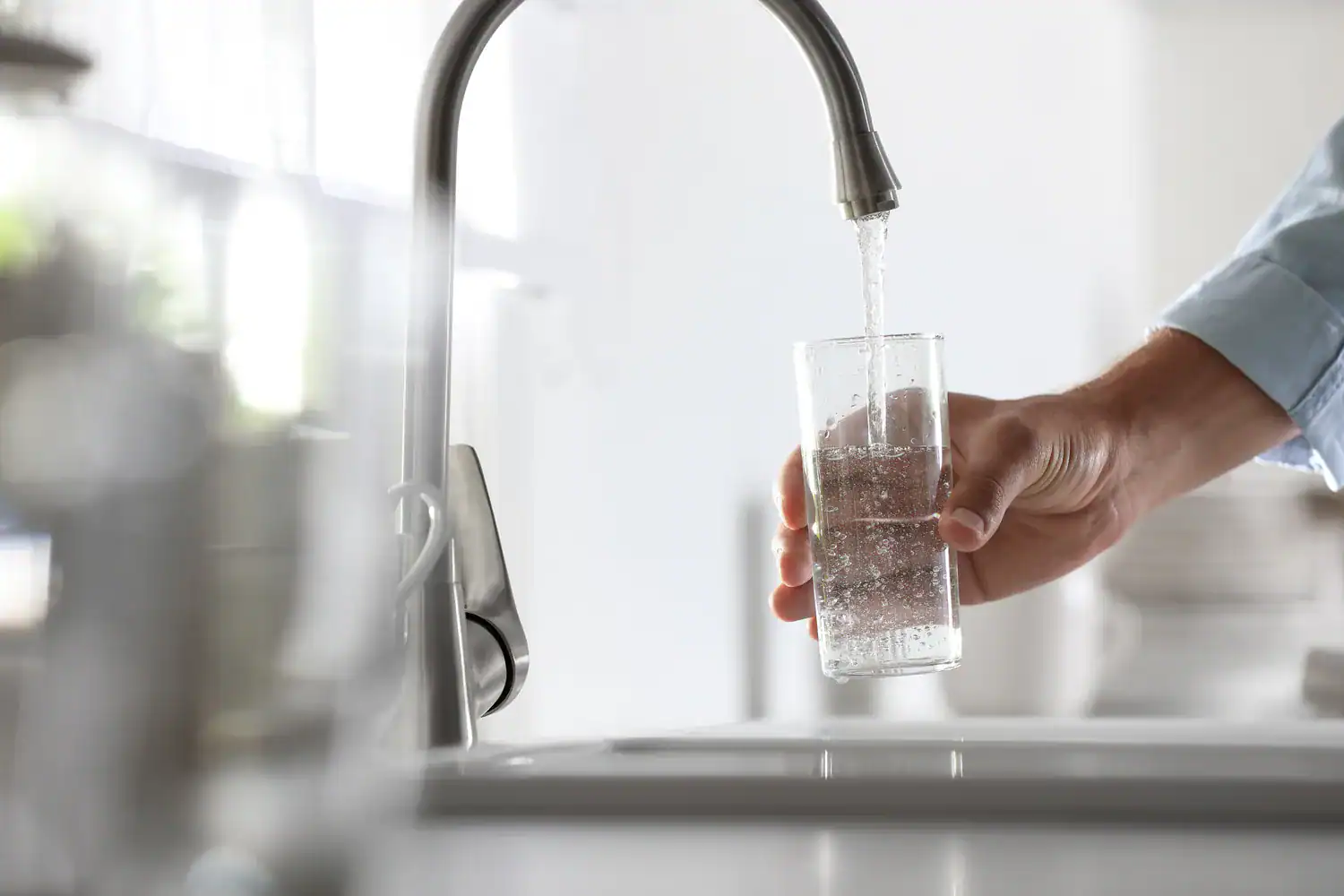
It starts with a free water analysis — and not the theatrical kind where chemical drops make any water look dangerous. This is a genuine, laboratory-grade assessment that tests for iron, hardness, pH, total dissolved solids, bacteria, and the specific contaminants documented in the Villages of Lake-Sumter water system, including trihalomethanes, haloacetic acids, and arsenic. You get real numbers, not a sales pitch.
From there, we build a recommendation around your actual water profile and your home’s specific needs — the size of your home, how many people live there, and what you’re trying to solve. Virginia Trace homes range from around 1,100 to over 2,400 square feet, and the right system for a Patio Villa is not the same as the right system for a larger Designer Home. We don’t use a one-size-fits-all approach.
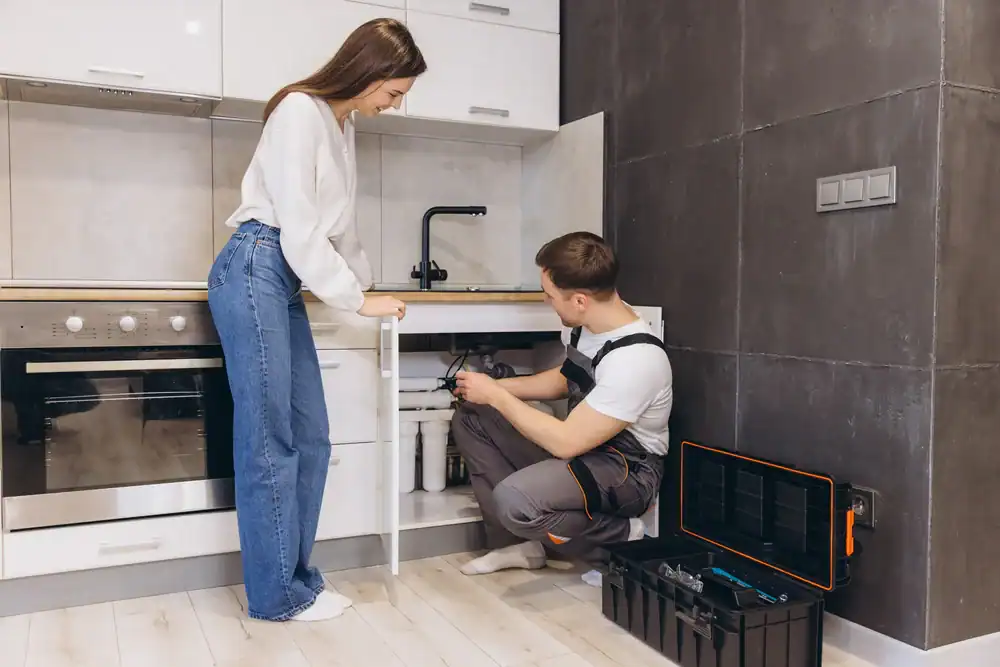
Once a system is selected, our trained technicians handle installation and understand the permit and utility requirements specific to The Villages’ Community Development District structure. Whole-house systems that connect to your main water line may require coordination with the CDD utilities department, and we handle that as part of the process — you don’t have to navigate it on your own. After installation, the system is tested, we walk you through how it works, and ongoing service is available for as long as you own the home.
Ready to get started?
The water quality profile in Virginia Trace is specific. The Villages of Lake-Sumter water system has documented levels of total trihalomethanes, haloacetic acids, arsenic, hexavalent chromium, chlorate, and elevated hardness — all at levels that exceed current health guidelines even when they technically meet federal legal standards. The systems we install are designed around that profile, not around a generic Central Florida average.
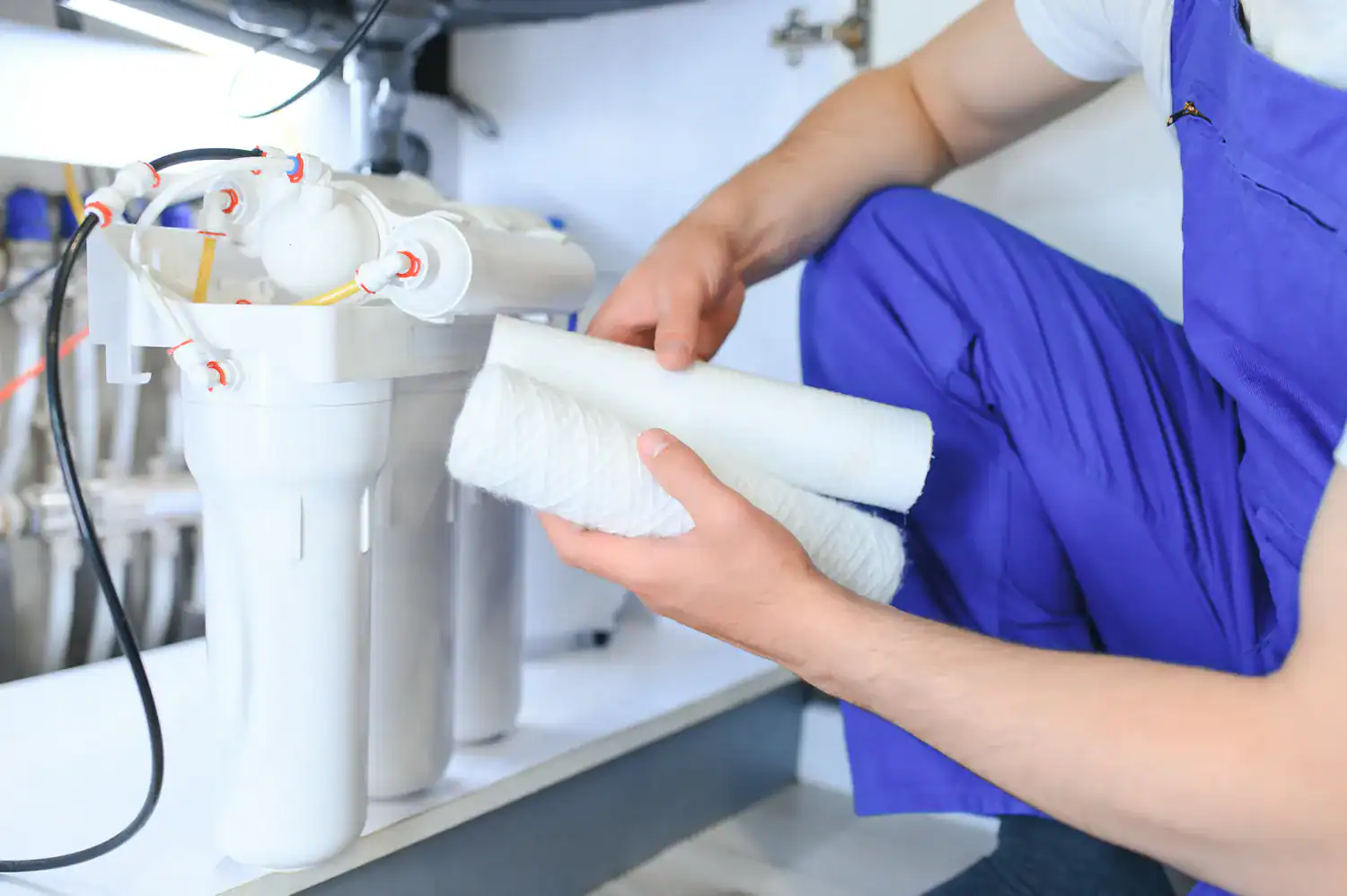
For most Virginia Trace homeowners, a whole-house water purification system is the most comprehensive solution — treating every drop that enters the home before it reaches your faucets, appliances, shower, and ice maker. For drinking and cooking specifically, a reverse osmosis system installed under the kitchen sink provides an additional layer of filtration that removes contaminants a whole-house softener alone won’t catch. Salt-free conditioning is also available for homeowners who want scale control without adding sodium to the water supply — a consideration that matters for residents managing blood pressure or sodium-restricted diets.
UV purification is an option for households with heightened health concerns, and well water treatment is available for properties on private wells. We also service every major brand of water treatment equipment — so if you already have a system that’s been neglected or abandoned by the company that sold it to you, we can assess, repair, or replace it. That matters in a market where post-sale service is one of the most documented complaints in this industry.
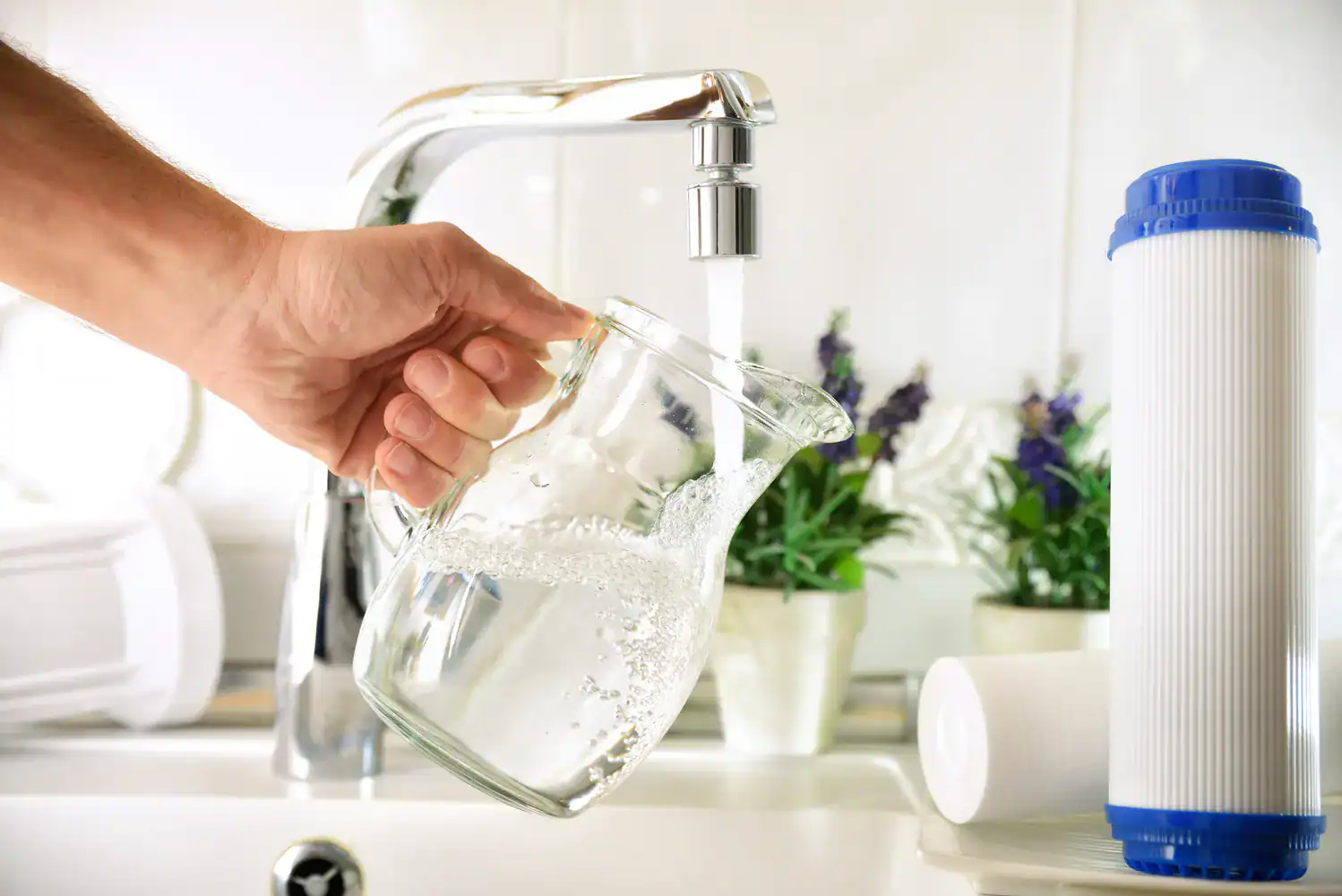
Technically, yes — the Villages of Lake-Sumter water system meets federal Safe Drinking Water Act standards. But meeting the legal standard and meeting the latest health guidelines are two different things. Federal legal limits for many contaminants haven’t been updated in nearly 20 years. Independent water quality databases document this system’s water as containing total trihalomethanes, haloacetic acids, arsenic, hexavalent chromium, and elevated hardness — all at levels that exceed what current health research recommends, even if they stay within what’s legally allowed.
For Virginia Trace residents at a median age of 77, many of whom are managing chronic conditions and taking daily medications, that gap between legal and healthy isn’t a technicality. It’s a daily exposure question. A whole-house filtration system with a reverse osmosis drinking water filter at the kitchen sink is the most effective way to bring what you’re actually consuming in line with current health standards — not just the ones written two decades ago.
The water in Virginia Trace and The Villages typically tests between 10 and 15 grains per gallon of hardness — sometimes higher. The U.S. Geological Survey classifies anything above 10.5 GPG as “very hard.” Central Florida sits at what water quality researchers describe as ground zero for hard water in the state, and the Floridan Aquifer that feeds the municipal system here is one of the primary reasons why.
As for appliances — yes, the damage is real and measurable. Scale buildup of just 3/16 of an inch inside a water heater reduces its efficiency by 30%, according to the U.S. Department of Energy. Virginia Trace homes built in 2005 and 2006 have had nearly two decades of very hard water running through their plumbing. That accumulates inside water heaters, dishwashers, washing machines, and pipes. A water softening or whole-house filtration system treats the water before it reaches any of those appliances, stopping the scale from forming in the first place and extending the useful life of equipment that’s expensive to replace.
A water softener specifically addresses hardness — the calcium and magnesium minerals that cause scale buildup, film on dishes, and that dry, tight feeling on your skin after a shower. It works by exchanging those minerals for sodium ions through a process called ion exchange. It’s highly effective for protecting appliances and plumbing, but it doesn’t remove contaminants like trihalomethanes, arsenic, or disinfection byproducts from your drinking water.
A whole-house water filtration or purification system goes further. Depending on how it’s configured, it can include sediment filtration, activated carbon filtration, salt-free conditioning, UV purification, and other treatment stages — each targeting a different category of contaminant. For Virginia Trace homeowners dealing with both very hard water and documented chemical contaminants in the municipal supply, the most complete solution is typically a whole-house purification system combined with an under-sink reverse osmosis unit for drinking and cooking water. That combination addresses hardness, chemical byproducts, heavy metals, and biological concerns at the same time. The right configuration depends on what’s actually in your specific water — which is why the process starts with a real water analysis.
It depends on the type of system and how it connects to your home’s plumbing. Point-of-use systems — like an under-sink reverse osmosis unit — are typically installed without permits because they connect to an existing supply line under the cabinet and don’t require modifications to the main water line. Most homeowners can have one of these installed in an hour or two with no CDD coordination required.
Whole-house systems are different. Because they connect to the main water supply line at the point of entry into your home, they may require coordination with the Villages Community Development District utilities department, which manages water service for Virginia Trace through the Villages of Lake-Sumter Water Treatment Plants. Any work that involves modifying the main line or installing equipment before the meter may also require a licensed plumber depending on scope. We handle permit and CDD coordination as part of the installation process — you don’t have to navigate that on your own.
The Villages of Lake-Sumter water system draws from the Floridan Aquifer and has documented contaminants that go beyond just hardness. Independent water quality databases show this system’s water contains total trihalomethanes (TTHMs) and haloacetic acids (HAAs) — both disinfection byproducts formed when chlorine reacts with naturally occurring organic matter in the groundwater. TTHMs are classified as probable human carcinogens. The Environmental Working Group’s health guideline for TTHMs is 0.15 parts per billion, a threshold the legal limit significantly exceeds.
Beyond disinfection byproducts, the system has also shown detectable levels of arsenic, hexavalent chromium, chlorate, barium, nitrate, and thallium — along with the elevated hardness that’s characteristic of Floridan Aquifer water throughout Central Florida. This water meets federal legal standards, but those standards haven’t been updated in nearly 20 years. A laboratory-grade water analysis of your specific home’s water gives you a clearer, more current picture of what you’re actually dealing with — and what type of filtration system would address it most effectively.
Please provide your email address so that we can stay in touch and answer any questions you have! We will be reaching back out shortly.
"*" indicates required fields
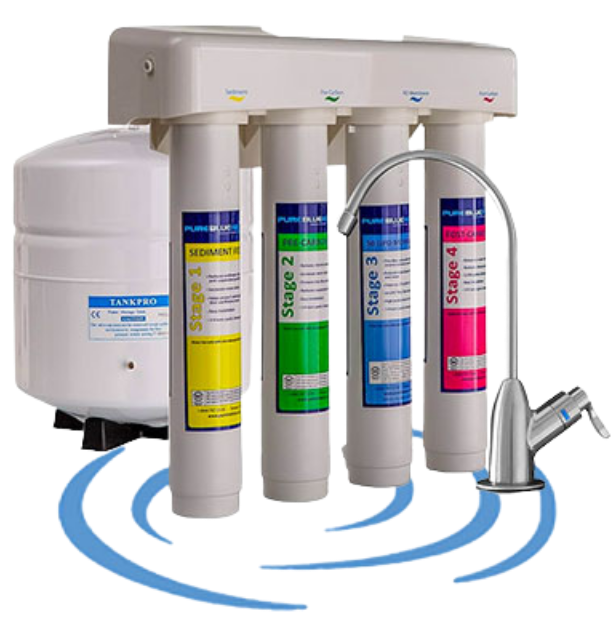
Get a free reverse osmosis drinking water system with the purchase of any whole-home water purification system.
*Cannot be combined with other offers. Mention this special when you call.