Reach Out Today
Please provide your email address so that we can stay in touch and answer any questions you have! We will be reaching back out shortly.


Hear from Our Customers
If your shower doors are cloudy, your dishes come out spotted, or your skin feels dry no matter what you try, that’s not a coincidence. That’s the Floridan Aquifer doing what it’s always done — pulling calcium and magnesium through miles of Central Florida limestone before it ever reaches your tap. In Tamarind Grove, hard water isn’t a maybe. It’s a given.
Your home was built somewhere between 2008 and 2012. That means your water heater, dishwasher, washing machine, and ice maker have been running on mineral-heavy water for well over a decade. Scale builds quietly. Efficiency drops slowly. And then one day an appliance that should have lasted 15 years gives out at 11. A whole-house water filtration system stops that cycle — and protects what you’ve already invested in.
Beyond the appliances, there’s the water you’re actually drinking. The EWG database shows that the water system serving The Villages contains radium above health guidelines, total trihalomethanes, chromium, arsenic, and haloacetic acids — all within legal limits, but legal and safe aren’t the same thing. The EPA’s legal limit for trihalomethanes is 80 parts per billion. The EWG health guideline is 0.15. That’s a 500-times gap. For someone who plans to live in Tamarind Grove long-term, that gap is worth closing.
We’ve been treating Central Florida water for more than 50 years. Based in Leesburg — about 15 miles from Tamarind Grove — we know Sumter County water, we know the Floridan Aquifer, and we know what actually works here versus what looks good in a brochure.
Our BBB A-rating with a 5-star score and zero complaints isn’t a marketing claim — it’s a public record you can verify in under a minute. In an industry the Florida Attorney General has had to actively police for fraud, that kind of track record is rare. We’re also members of the National Water Quality Association, which requires passing a comprehensive exam and committing to a code of ethics — not just paying a membership fee.
We test your water first. Not a theatrical chemical-drop demo designed to make everything look contaminated — a real analysis that identifies what’s actually in your specific water. If a particular treatment isn’t necessary, we’ll tell you. That’s how we’ve kept our reputation clean for five decades.
It starts with a free water analysis. Not a sales pitch dressed up as a test — an actual assessment that measures hardness, total dissolved solids, pH, iron, and other parameters relevant to your water source. For Tamarind Grove homes drawing from the Floridan Aquifer through Little Sumter or South Sumter Utilities, there are specific contaminant patterns that show up consistently. That analysis shapes everything that comes next.
Once the results are in, you’ll get a clear recommendation based on what your water actually needs. That might be a whole-house filtration system at the point of entry, a reverse osmosis system under the kitchen sink, a salt-free conditioning system, or some combination. Every system uses NSF-certified components and, where applicable, WQA-certified TAC media. Nothing gets recommended that isn’t warranted by the data.
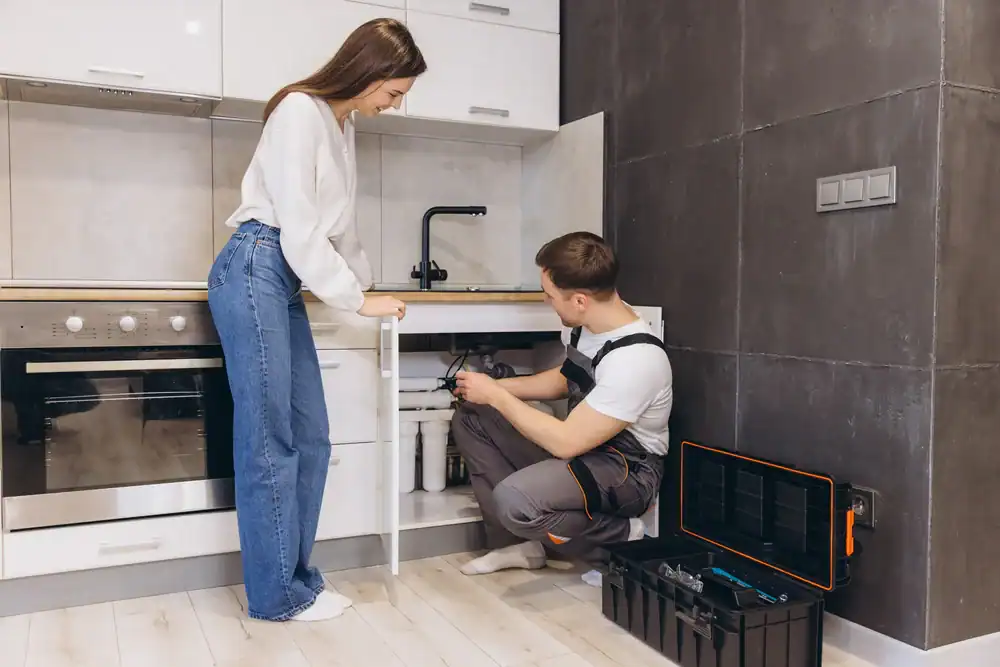
Installation in Tamarind Grove’s single-story Courtyard Villas, Patio Villas, and Designer Homes is typically straightforward — most whole-house systems are installed at the main water line entry point without major modifications. We handle any required permitting under Florida Department of Environmental Protection and local utility regulations, so you don’t have to navigate that yourself. After installation, we follow up — and if something ever needs service, we show up. That last part matters more than most people realize until they need it.
Ready to get started?
Because the Floridan Aquifer delivers hard, mineral-heavy groundwater to every home in Tamarind Grove, the foundation of most whole-house solutions here involves addressing hardness, sediment, and disinfection byproducts at the same time. That’s not an upsell — it’s just what the water chemistry calls for.
For drinking water specifically, reverse osmosis is the most effective technology available for removing what’s confirmed in The Villages’ municipal supply — radium, trihalomethanes, chromium, arsenic, and dissolved solids. An under-sink RO system delivers purified water directly to your kitchen tap and, if needed, your refrigerator line. For whole-house coverage, a point-of-entry filtration system combined with a salt-free conditioner or traditional softener protects every fixture, appliance, and shower in your home simultaneously.
We also service systems installed by other companies. If you already have a water treatment system in your Tamarind Grove home that isn’t performing the way it should — or that hasn’t been serviced since it was installed — we can evaluate it, service it, or replace it. Military veterans and first responders receive $500 off, which reflects something real about how we operate in a community where that population is significant. Our support of the Tunnels to Towers Foundation isn’t a logo on a webpage — it’s a commitment that carries weight in a place like The Villages, where that mission resonates personally for a lot of residents.
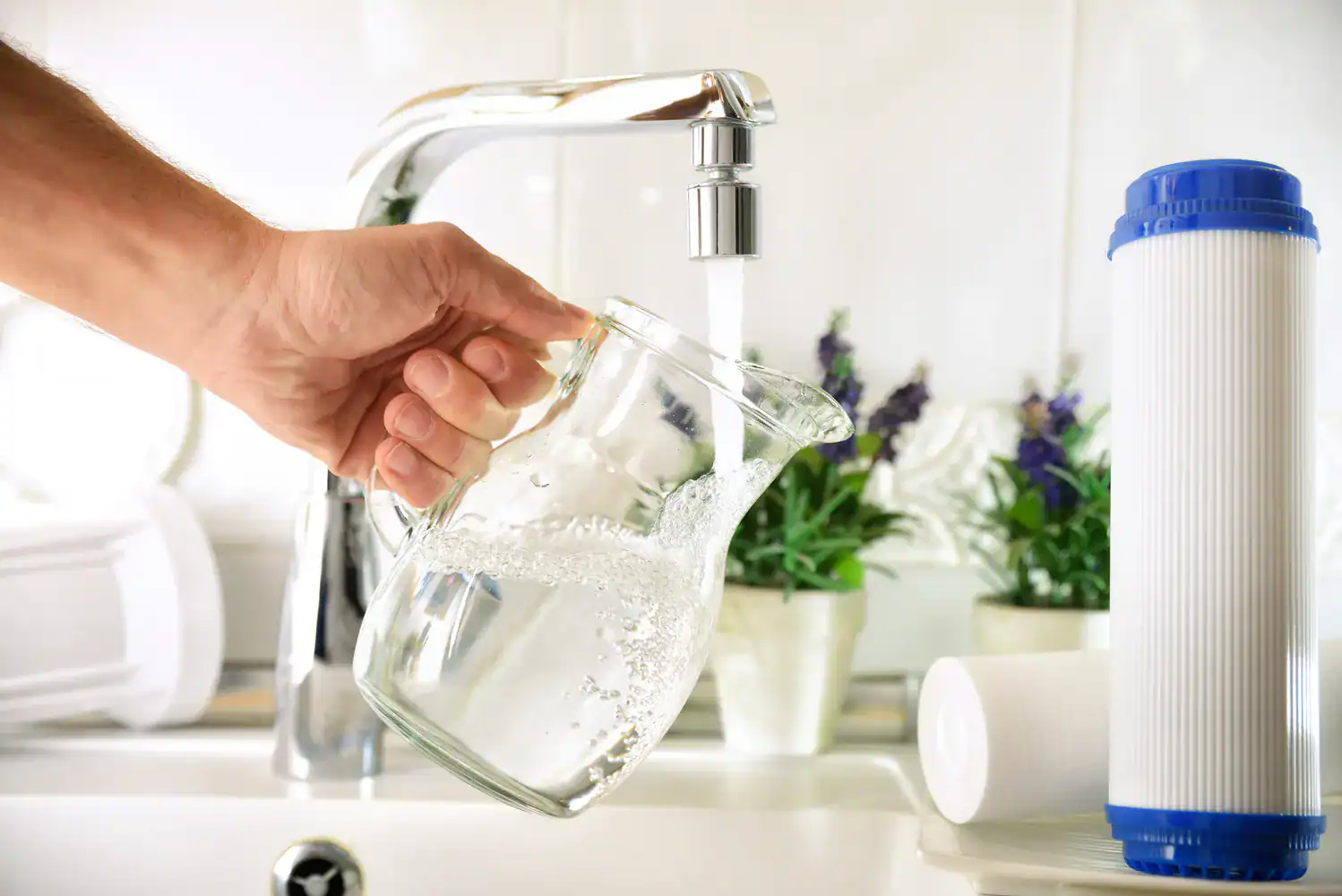
Yes — and it’s not subtle. Every home in Tamarind Grove receives municipal water drawn from wells tapping the Floridan Aquifer, a massive underground limestone formation that naturally loads water with calcium, magnesium, and other dissolved minerals as it moves through the rock. The result is water with significant hardness and elevated total dissolved solids before any treatment is applied.
For your home specifically, that hardness shows up as white scale buildup on shower heads and glass doors, spotted dishes from the dishwasher, reduced soap lather, and accelerated wear on water-using appliances. Tamarind Grove homes were built in the late 2000s to early 2010s, which means appliances that have been running on this water for 13 to 17 years are already showing the effects. A whole-house water softener or salt-free conditioning system stops the ongoing damage and extends the life of what you have left.
The EWG Tap Water Database entry for the Villages of Lake-Sumter water treatment plants confirms the presence of radium above health guidelines, total trihalomethanes, chromium (hexavalent), arsenic, nitrates, chlorate, barium, thallium, and haloacetic acids. The water meets Safe Drinking Water Act legal standards — but those standards haven’t been meaningfully updated in nearly 20 years, and the gap between legal and safe is significant.
The clearest example: the EPA’s legal limit for total trihalomethanes is 80 parts per billion. The EWG health guideline — based on a one-in-a-million cancer risk threshold — is 0.15 parts per billion. That’s more than a 500-times difference. Trihalomethanes form as a byproduct of chlorination, which is the treatment method used on Floridan Aquifer groundwater before it reaches your tap. For someone living in Tamarind Grove full-time and planning to stay, that long-term exposure question is worth taking seriously. A reverse osmosis system or activated carbon filtration system addresses these compounds effectively.
For most Tamarind Grove homeowners, yes — and the water chemistry here is a big part of why. Reverse osmosis is one of the few residential technologies that effectively removes radium, trihalomethanes, dissolved minerals, arsenic, and chromium from drinking water. Given what’s confirmed in the water system serving this area, an RO system isn’t an optional upgrade — it’s a direct response to a documented water quality profile specific to homes drawing from the Floridan Aquifer.
An under-sink reverse osmosis system typically costs between $1,000 and $2,500 installed, depending on the configuration. For a home where residents are drinking and cooking with that water every day, the per-gallon cost of purified water from an RO system is a fraction of what bottled water costs over a year. It also eliminates the plastic waste and the hassle of hauling cases from the store. For Tamarind Grove residents who are here full-time and health-conscious, it’s one of the more straightforward investments you can make.
This is one of the most common situations we encounter in established communities like Tamarind Grove. A system that was installed when the home was built — or purchased from a previous owner — may not have been serviced in years. Filters have lifespans. Resin beds in softeners exhaust over time. Membranes in reverse osmosis systems need periodic replacement. A system that looks like it’s running isn’t necessarily a system that’s performing.
The most reliable way to know is a water test. If your water still tastes off, if scale is still building up on fixtures, or if you can’t remember the last time the system was serviced, those are signs it may not be doing its job. We evaluate and service systems installed by any company — not just our own. If your system is salvageable, we’ll service it. If it’s not, we’ll tell you that honestly and explain your options. Either way, you’ll know what you’re actually working with.
A water softener specifically targets hardness — it removes calcium and magnesium ions from the water through an ion exchange process, which eliminates scale buildup and restores lather. It’s effective for the mineral problem that every Tamarind Grove home deals with, but it doesn’t address disinfection byproducts, radium, arsenic, or other contaminants present in the municipal water supply here.
A whole-house water filtration system is broader — it can include sediment filtration, activated carbon filtration for chlorine and trihalomethanes, and additional media for specific contaminants. Many Tamarind Grove homeowners benefit from a combination: a softener or salt-free conditioner to handle hardness, plus a carbon-based filtration stage to address disinfection byproducts, plus an under-sink reverse osmosis system for drinking and cooking water. What the right combination looks like for your home depends on what a real water analysis shows — which is exactly why we start there before recommending anything.
Please provide your email address so that we can stay in touch and answer any questions you have! We will be reaching back out shortly.
"*" indicates required fields