Reach Out Today
Please provide your email address so that we can stay in touch and answer any questions you have! We will be reaching back out shortly.

Hear from Our Customers
Your dishwasher runs cleaner. Your shower glass stops collecting that white film. Your coffee tastes the way it’s supposed to. These aren’t dramatic claims — they’re just what happens when the water running through your home isn’t loaded with hardness minerals and disinfection byproducts.
In St. James, the municipal water supply draws entirely from groundwater running through Central Florida’s limestone bedrock. That geology is why the water here is so hard. Calcium and magnesium build up inside pipes, water heaters, and appliances over time — quietly reducing efficiency and shortening the life of everything water touches. In a well-kept home on St. Charles Place or Buena Vista Boulevard, that’s not a minor inconvenience. It’s a real cost.
The harder problem is what you can’t see or taste. The Villages of Lake-Sumter water utility has documented detections of total trihalomethanes — cancer-associated byproducts that form when chlorine reacts with organic matter in the water supply. Arsenic and hexavalent chromium have also been detected. The water technically meets federal standards, but those standards haven’t been meaningfully updated in nearly 20 years. A whole-house water filtration system closes that gap. It’s not about fear — it’s about knowing what’s in your water and making a decision with real information.
We’ve been installing and servicing water treatment systems across Central Florida for more than 50 years. We hold an A-rating with the Better Business Bureau, a 5-star rating, and zero complaints on record — in an industry the Florida Attorney General has had to actively police for fraud. That’s not a marketing line. That’s a verifiable record you can look up before you ever pick up the phone.
We’re already serving homeowners in the St. James area, with our nearest location in Leesburg — close enough to know the Floridan Aquifer water profile in Sumter County inside and out. We’re members of the National Water Quality Association, which requires passing a professional exam and committing to a formal code of ethics. Every system we install uses NSF-certified components.
And when the job is done, we stay. We service what we install — and we’ll service other brands too. In a community like St. James where word travels fast through the SeaBreeze Recreation Center and the pickleball courts, that kind of follow-through matters.
It starts with a free water analysis — not a theatrical chemical-drop demonstration designed to make any water look alarming, but a genuine, laboratory-grade test. For a St. James home, that means testing for the specific contaminants documented in the local supply: hardness, total dissolved solids, pH, chlorine byproducts, arsenic, and other parameters relevant to water drawn from the Floridan Aquifer. You get real results, not a sales pitch disguised as science.
From there, a system recommendation is built around what’s actually in your water and how your household uses it. A patio villa with two residents has different needs than a larger designer home with multiple bathrooms and a full appliance suite. The system is sized and configured for your specific situation — whole-house filtration, reverse osmosis under the kitchen sink, salt-free softening, UV purification, or some combination of those depending on what the analysis shows.
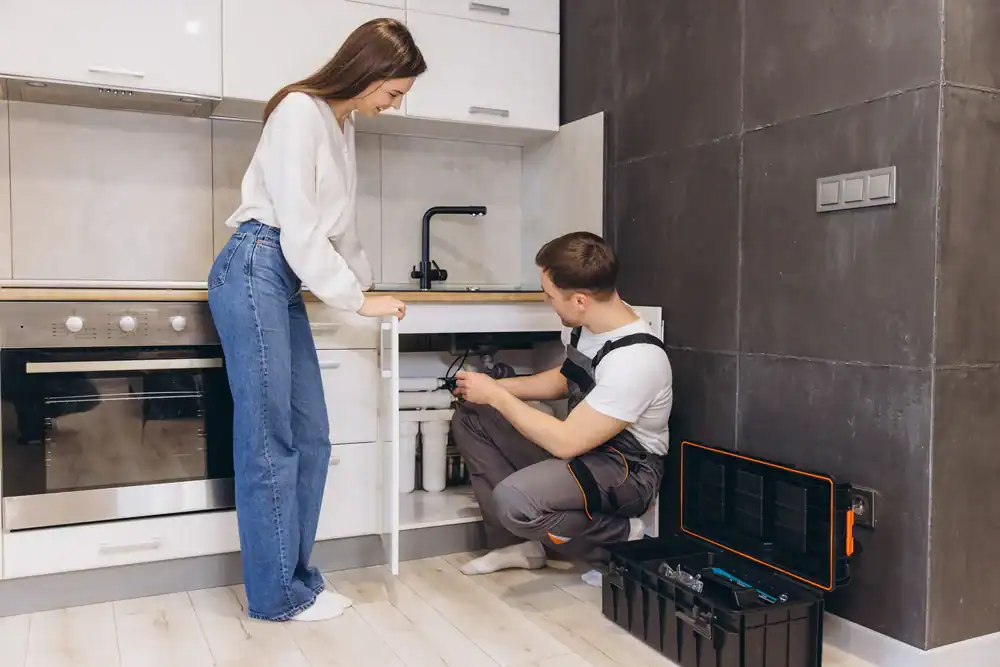
Installation is handled by our experienced technicians who know how homes in St. James are built — block and wood-framed construction, typically in the 1,100 to 2,100 square foot range, built around 2012. Internal installations like whole-house filtration in the garage or utility area don’t require exterior modifications and work cleanly within the community’s guidelines. Once the system is in, you’ll know how to maintain it and exactly when to expect follow-up service. No guesswork, no disappearing act after the install.
Ready to get started?
The water coming out of the Villages of Lake-Sumter utility system has a specific contaminant profile — documented hardness, trihalomethanes, arsenic, hexavalent chromium, and other inorganic compounds. A system designed for that profile looks different from a generic softener pulled off a shelf. Our whole-house purification systems address the full picture: sediment removal, activated carbon filtration for chlorine byproducts and taste, scale prevention for hard water, and where needed, UV purification or reverse osmosis for the deepest level of protection.
For St. James homeowners who want purified drinking water at the tap, a reverse osmosis system removes 95 to 99 percent of dissolved solids — including the arsenic and heavy metals documented in the local supply. RO system installation typically runs between $1,000 and $4,000 depending on configuration, with most homeowners landing around $2,500. Whole-house systems vary based on the scope of treatment needed. Every recommendation starts with the free water analysis, so you’re never paying for treatment you don’t need.
If you’re a veteran or active military member — and St. James has a significant veteran population — we offer a $500 discount to you and first responders. That’s not a token gesture. It’s $500 off a real system, applied at the time of purchase. We’re also a proud supporter of the Tunnels to Towers Foundation, which honors the sacrifice of first responders and military service members who protect the communities we all live in.
Technically, yes — the Villages of Lake-Sumter water utility was in compliance with federal drinking water standards as of the most recent EPA assessment period. But “compliant” and “clean” aren’t the same thing. Federal legal limits for many contaminants haven’t been updated in nearly 20 years, and the utility’s water has documented detections of total trihalomethanes, arsenic, and hexavalent chromium at levels that exceed current health science guidelines, even while staying within the legal limit.
For a healthy 35-year-old, that gap might feel abstract. For someone managing long-term health in retirement — which describes most St. James residents — it’s worth taking seriously. A free water analysis gives you the actual numbers for your home, not just what the utility is required to report. From there, you can make an informed decision about whether a filtration system makes sense for your situation.
That white residue is mineral scale — calcium and magnesium deposits left behind when hard water evaporates. It shows up on shower glass, faucet heads, tile grout, and inside appliances. St. James draws its water from the Floridan Aquifer, which runs through limestone bedrock across Central Florida. As water moves through that rock, it picks up high concentrations of hardness minerals. By the time it reaches your tap on St. Charles Place or anywhere else in St. James, it’s carrying a significant mineral load.
The scale you see on your shower door is the same scale building up inside your water heater, dishwasher, and washing machine — just out of sight. Over time, it reduces efficiency, increases energy costs, and shortens appliance life. Central Florida’s heat accelerates this process compared to cooler climates. A whole-house water softening or salt-free scale prevention system stops the buildup at the source before it reaches your fixtures and appliances.
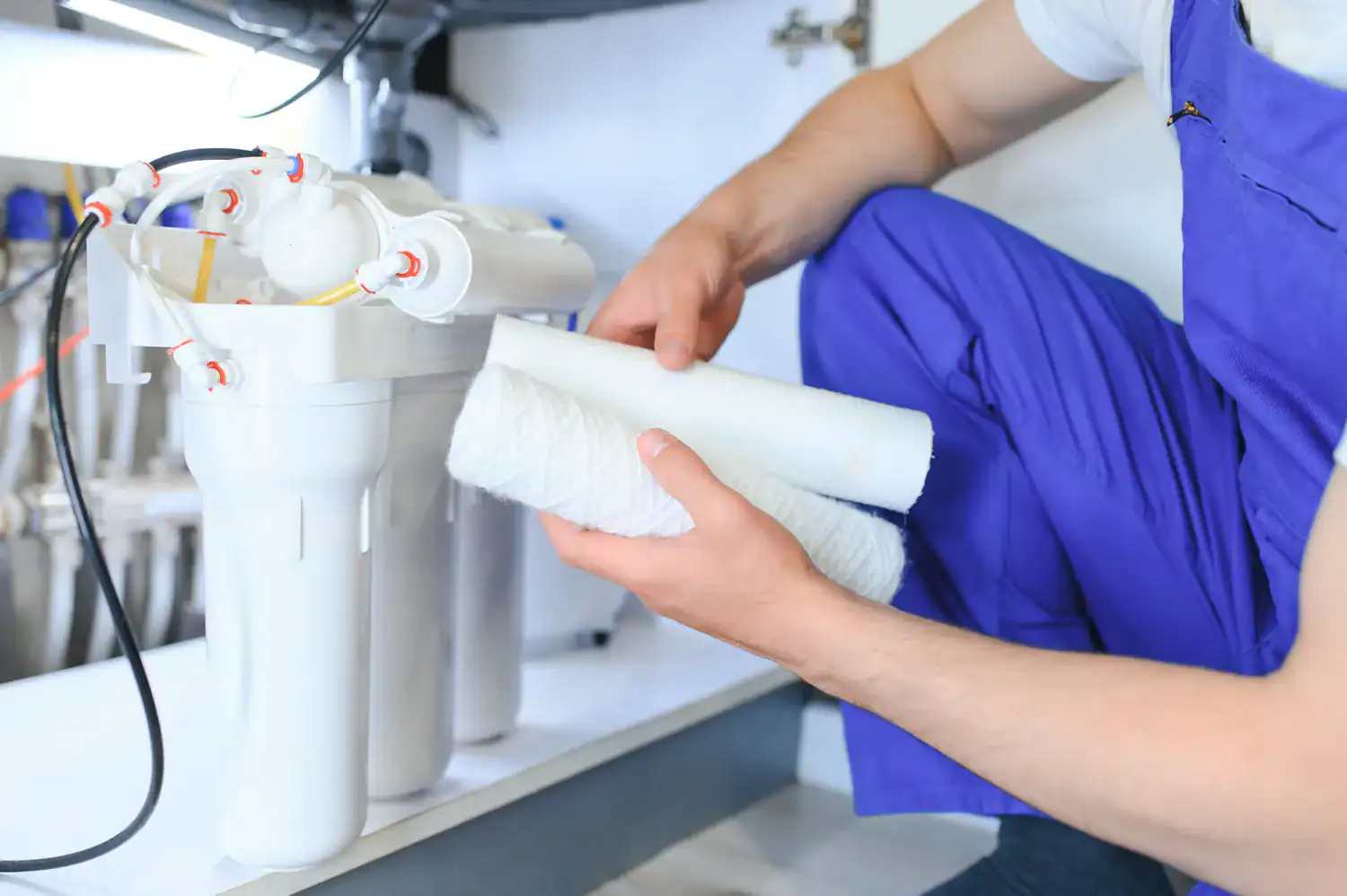
A whole-house water filtration system is installed at the point where water enters your home, so every tap, shower, and appliance gets filtered water — not just one faucet under the kitchen sink. Depending on your water analysis results, the system might include sediment filtration, activated carbon media to remove chlorine byproducts and improve taste and odor, scale prevention for hard water, and in some cases UV purification or reverse osmosis.
Whether you need one depends on what’s in your water. In St. James, the documented contaminant profile — hardness, trihalomethanes, arsenic, and other inorganic compounds — makes a strong case for at least a whole-house softening and carbon filtration setup. If you’re also concerned about drinking water quality at the tap, adding a reverse osmosis stage under the kitchen sink addresses the heavy metals and dissolved solids that carbon alone won’t fully remove. The free water analysis takes the guesswork out of it — you’ll know exactly what you’re dealing with before spending a dollar.
Yes, and it’s one of the most effective methods available for the specific contaminants documented in the Villages of Lake-Sumter water supply. Reverse osmosis removes 95 to 99 percent of dissolved solids by forcing water through a semi-permeable membrane that blocks contaminants at the molecular level. That includes arsenic, hexavalent chromium, heavy metals like barium and thallium, and disinfection byproducts like trihalomethanes — all of which have been detected in the local utility’s water.
An RO system is typically installed under the kitchen sink and provides purified water at a dedicated drinking tap. It’s a separate layer of protection from a whole-house system, which handles scale prevention and broad filtration throughout your home. Many St. James homeowners use both — a whole-house system to protect appliances and fixtures, and an RO system for drinking and cooking water. Installation for a residential RO system typically runs between $1,000 and $4,000, with most homeowners in the $2,500 range depending on the configuration.
It depends on the type of system and how hard your water is, but most whole-house filtration systems in the St. James area need filter media checked or replaced annually. Given the documented hardness levels in water drawn from the Floridan Aquifer in Sumter County, systems here tend to work harder than they would in areas with softer source water — which makes regular service more important, not less. A system that isn’t maintained stops performing the way it was designed to.
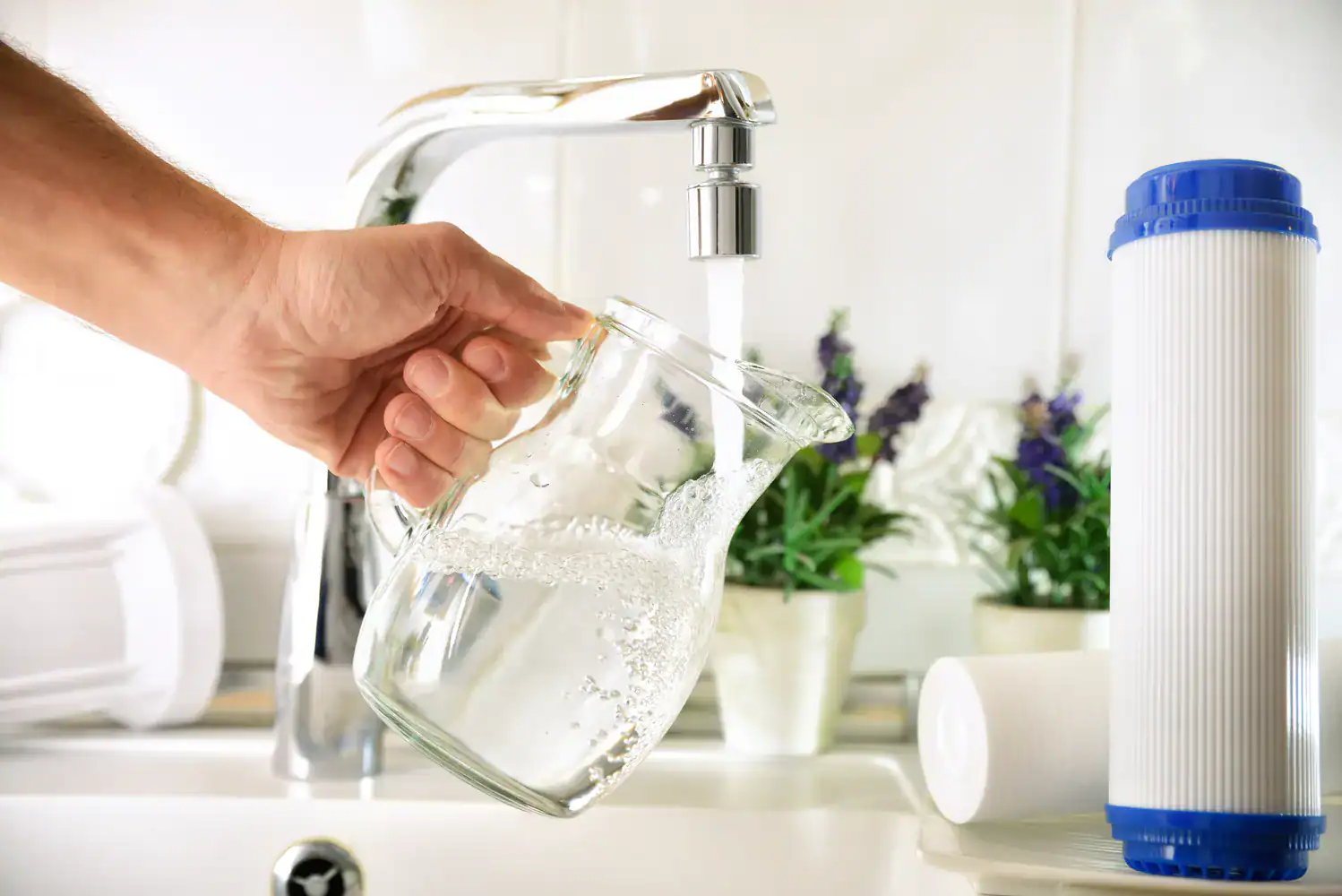
Reverse osmosis systems typically require membrane and filter replacement every one to two years depending on usage and source water quality. We service every system we install and will put you on a maintenance schedule so nothing falls through the cracks. We also service other brands, so if you already have a system that’s been neglected or left without support by a previous company, we can step in and get it back to full performance. That ongoing service relationship is something the big national operators in this space frequently fail to deliver.
Please provide your email address so that we can stay in touch and answer any questions you have! We will be reaching back out shortly.
"*" indicates required fields