Reach Out Today
Please provide your email address so that we can stay in touch and answer any questions you have! We will be reaching back out shortly.

Hear from Our Customers
You moved to St. Catherine for the lifestyle. The last thing you want is water that spots your new dishwasher, leaves scale on your shower doors, and tastes like it came out of a garden hose. Hard water from the Floridan Aquifer is not a rumor — it’s a documented reality for every home connected to South Sumter Utility in Districts 12, 13, and 14. The calcium and magnesium in that water are quietly working against your appliances, your plumbing, and your fixtures from day one.
Once a whole-house filtration and softening system is in place, the difference is immediate and practical. Your water heater runs more efficiently because scale isn’t coating the heating element. Your laundry comes out softer. Your skin doesn’t feel like you rinsed with chalk water. And the drinking water at your kitchen tap — whether through a reverse osmosis system or an activated carbon filter — no longer carries the faint chlorine smell or the disinfection byproducts that form when chlorine meets Floridan Aquifer water.
For new homeowners in St. Catherine, this is also about protecting a serious investment. A brand-new cottage home or designer homesite in this neighborhood represents real money. Hard water scale destroys water heaters and appliances years ahead of schedule. A properly installed filtration system is not a luxury add-on — it’s the protection layer your home should have had from the start.
We’ve been treating Central Florida water for more than five decades. That means we were working with Floridan Aquifer water — understanding its hardness, its mineral load, its disinfection byproduct profile — long before District 13 was established or the first home in St. Catherine was built. When one of our technicians walks into your home off Meggison Road, we already know what we’re likely to find in your water before we even run the test.
We hold a BBB A-rating with a 5-star score and zero recorded complaints — which is genuinely rare in an industry the Florida Attorney General’s office has had to actively police for deceptive practices. We’re also members of the National Water Quality Association, meaning we’re held to an ethical and technical standard that most local competitors don’t bother meeting.
And if you’ve already had a system installed by another company that stopped returning your calls, we service all major brands. The relationship doesn’t end at installation — that’s not just a line, it’s how we’ve kept our reputation clean for 50 years.
It starts with a free in-home water analysis. Not the theatrical chemical-drop test that some companies use to make every water sample look contaminated — an actual evaluation of what’s in your water. For St. Catherine homes on South Sumter Utility, that typically means testing for hardness, total dissolved solids, pH, chlorine levels, iron, and the disinfection byproducts that are documented in the local water supply. If you’re in one of the newer builds on Saint Catherine Circle or nearby streets, sediment from newly commissioned water lines is also something worth checking.
Once the test results are in, you get a straight recommendation based on what your water actually needs — not a pre-packaged pitch. That might mean a whole-house filtration and softening system, a reverse osmosis drinking water filter at the kitchen tap, a UV purification unit, or some combination. Every system is custom-configured for your home’s specific water chemistry and plumbing layout. Because St. Catherine is new construction, many installs involve clean, straightforward access to the main supply line — which keeps the process efficient and tidy.
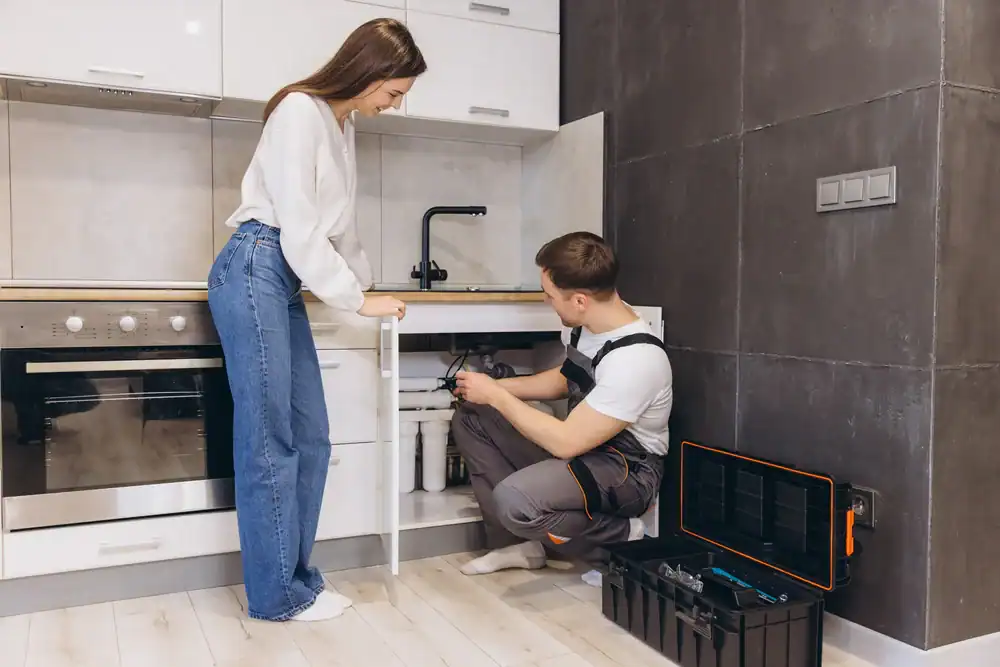
Installation is handled by our licensed, insured technicians. Any work that involves modifications to your main water line may require a permit under Wildwood’s building code framework, and we handle that process professionally. After installation, you’ll know exactly what your system does, how to maintain it, and who to call if anything ever needs attention.
Ready to get started?
Our core specialty is whole-house water purification — not a softener bolted onto a generic setup, but a complete system designed around what your specific water supply contains. For St. Catherine residents on South Sumter Utility, that means addressing the hard water minerals coming out of the Floridan Aquifer, the trihalomethanes and haloacetic acids that form during the utility’s disinfection process, and any sediment concerns that come with new construction plumbing. The EWG Tap Water Database for South Sumter Utilities also documents arsenic, chromium, and nitrate as contaminants of concern — none of which the utility is required to eliminate below levels that health researchers consider safe.
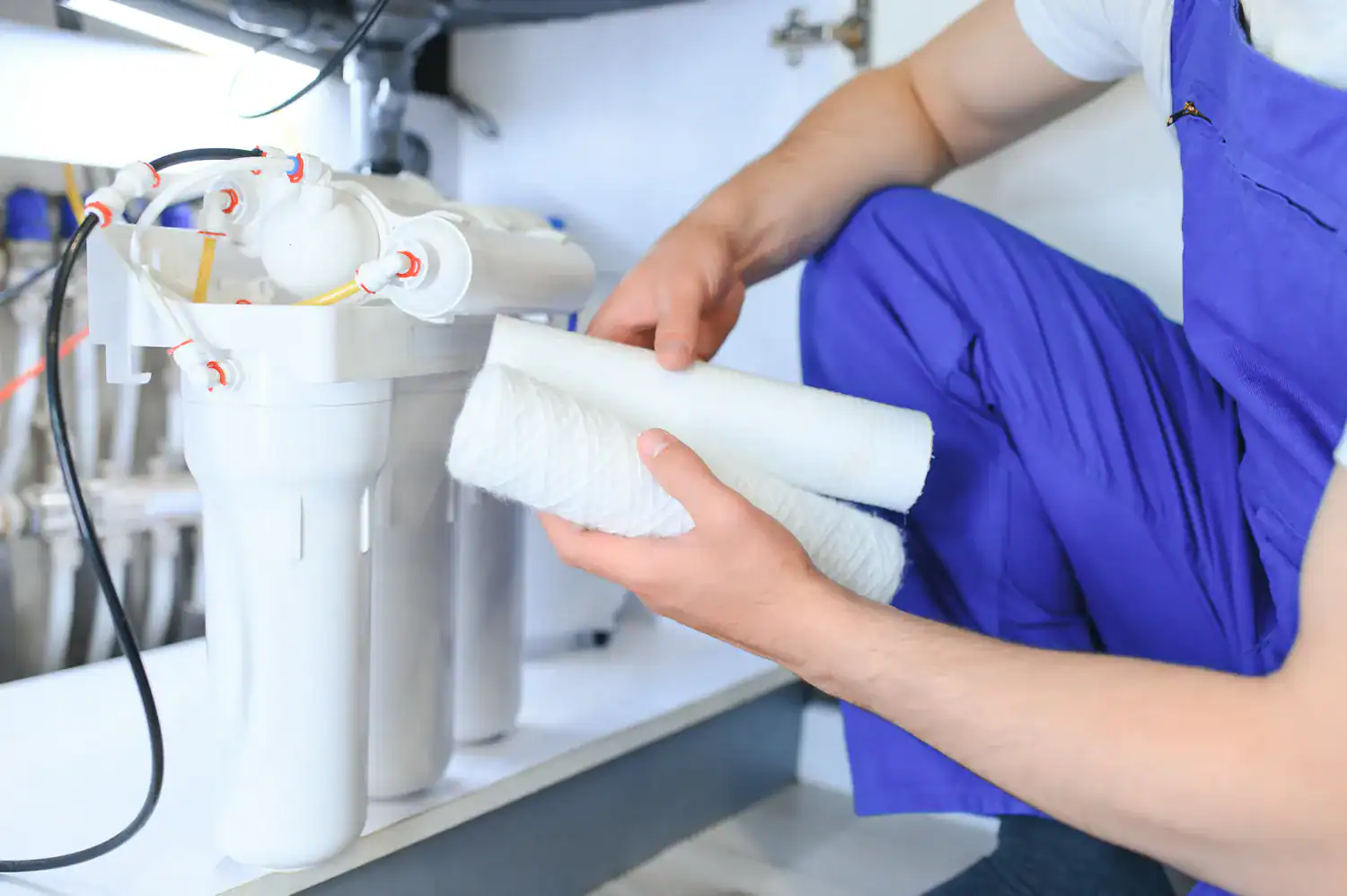
Depending on what your water analysis shows, your system might include a whole-house sediment filter to protect your new appliances from particulates, an activated carbon filter to remove chlorine taste and disinfection byproducts, a water softener or salt-free conditioner to handle the hardness, and a reverse osmosis drinking water filter at the kitchen tap for the cleanest possible water at the point of use. UV purification is also available for added bacterial protection. Each component is NSF-certified and WQA-standard, not bargain-bin equipment dressed up in a slick sales presentation.
If you’re a military veteran or first responder — and given the size of The Villages’ VA Outpatient Clinic, there’s a good chance you are — we offer a $500 discount on your system. That’s not a promotional gimmick. It’s a standing offer that reflects where we stand.
Technically, yes — South Sumter Utility meets the EPA’s legal standards for drinking water. But “meets legal standards” and “as clean as it could be” are two different things. The EWG Tap Water Database for South Sumter Utilities documents several contaminants that are present at levels above what independent health researchers consider safe, even if they fall within what the EPA currently allows. That list includes total trihalomethanes, haloacetic acids, arsenic, chromium (hexavalent), and nitrate.
Trihalomethanes, in particular, are worth understanding. They form when the chlorine used to disinfect your water reacts with the organic matter naturally present in Floridan Aquifer water. They’re not a sign that your utility is doing something wrong — they’re an unavoidable byproduct of treating groundwater with chlorine. But at prolonged exposure, they’re classified as potential carcinogens. A whole-house activated carbon filter or a reverse osmosis system at your kitchen tap removes them effectively. The water coming out of your tap in St. Catherine is treated — it’s just not treated to the standard that a good in-home filtration system can achieve.
The Floridan Aquifer, which feeds South Sumter Utility and every tap in St. Catherine, is well-documented for producing hard water across Central Florida. Water hardness is measured in parts per million of dissolved calcium and magnesium, and the Floridan Aquifer regularly delivers water exceeding 180 ppm — with some formations reaching as high as 1,900 ppm. That’s on the severe end of the hardness scale.
Yes, it damages appliances — and it does it quietly. Scale builds up inside your water heater’s tank and on its heating element, forcing it to work harder and use more energy to heat the same amount of water. The same thing happens inside your dishwasher, your washing machine, and your plumbing fixtures. Over time, this shortens the lifespan of every water-using appliance in your home. For someone who just moved into a brand-new cottage home or designer homesite in St. Catherine, that’s a real financial concern. A water softener or salt-free conditioning system removes the hardness minerals before they ever reach your appliances — and the payback in extended appliance life typically covers the cost of the system within a few years.
A water softener handles one specific problem: hardness. It removes the calcium and magnesium ions that cause scale buildup, spots on dishes, and that dry, filmy feeling on your skin after a shower. For St. Catherine homes on South Sumter Utility, a softener alone addresses the most immediately noticeable water quality issue — and it’s a meaningful improvement.
A whole-house water filtration system goes further. Depending on how it’s configured, it can remove sediment, chlorine, disinfection byproducts like trihalomethanes, heavy metals, and other contaminants before the water reaches any fixture in your home. Many homeowners in St. Catherine end up with a combination: a softener or salt-free conditioner to address hardness, plus a multi-stage filtration system to remove the chemical and biological contaminants that the utility’s treatment process doesn’t fully eliminate. At the kitchen tap, a reverse osmosis drinking water filter adds a final layer — producing water that’s cleaner than most bottled water, at a fraction of the long-term cost. The right setup depends entirely on what your water analysis shows, which is why the free in-home test matters before any recommendation is made.
For most St. Catherine homeowners, a reverse osmosis system at the kitchen tap is one of the most practical investments you can make in your water quality. RO systems work by pushing water through a semi-permeable membrane that filters out dissolved solids, heavy metals, nitrate, arsenic, fluoride, and the disinfection byproducts that are documented in the South Sumter Utility water supply. What comes out the other side is genuinely clean drinking water — not just filtered, but purified at a level that far exceeds what the utility delivers.
The practical case is straightforward. If you’re currently buying bottled water because you don’t trust what’s coming out of the tap, an under-sink RO system eliminates that recurring expense entirely. Annual maintenance — typically a filter replacement — runs around $80 to $150. Compare that to what most households spend on bottled water in a year, and the math is clear. For a community where health is a genuine priority — and where the VA Outpatient Clinic down the road reflects just how seriously residents take their wellbeing — having clean, verified drinking water at home is a reasonable baseline expectation, not an upgrade.
The Modified Phase II water shortage declaration that SWFWMD issued for Sumter County in early 2026 is worth paying attention to, but not for the reasons most people assume. The immediate impact was outdoor watering restrictions — one day per week — which affects landscaping but not your indoor water supply. The deeper concern is what prolonged aquifer drawdown does to water quality over time.
When the Floridan Aquifer drops, the mineral concentration in the remaining water can shift. That means the hardness levels, dissolved solids, and even the chemical composition of the water reaching South Sumter Utility’s treatment plants can change — and those changes eventually reach your tap. An in-home whole-house filtration system gives you a layer of control that’s completely independent of whatever the utility is managing at any given moment. Your system processes the water that enters your home, regardless of what’s happening at the aquifer level or the treatment plant. For new homeowners in St. Catherine who are just getting settled in a community that’s still actively being built out, establishing that baseline protection now — before water quality variability becomes a visible problem — is the smarter move.
Please provide your email address so that we can stay in touch and answer any questions you have! We will be reaching back out shortly.
"*" indicates required fields
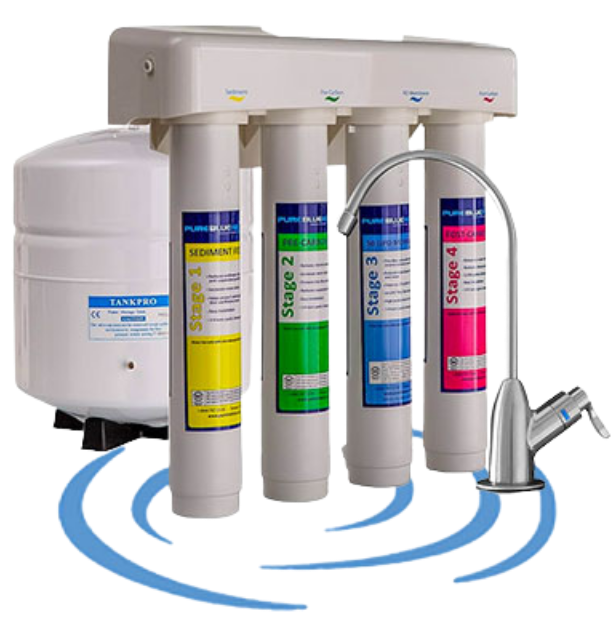
Get a free reverse osmosis drinking water system with the purchase of any whole-home water purification system.
*Cannot be combined with other offers. Mention this special when you call.